Why Is My Dog Breathing Fast? A Complete Guide with 6 Clear Answers
Why is my dog breathing fast? Rapid breathing often signals your dog is hot, anxious, or in mild pain, but it could also mean a serious health issue. Monitor your dog’s breathing at rest; if it’s fast for over 30 minutes without recent activity, seek veterinary advice promptly. Cooling your dog and quieting their environment can help reduce normal, heat-related rapid breathing.
Key Takeaways
- Fast breathing lasting over 30 minutes at rest should prompt a vet visit.
- If rapid breathing does not slow within 10, 15 minutes after cooling, it’s abnormal.
- Rapid breathing accompanied by vomiting, lethargy, or appetite loss needs urgent veterinary evaluation.
- Puppies and senior dogs with persistent rapid breathing require quicker medical attention.
- Dogs left outside in temperatures above 90°F risk dangerous overheating and rapid breathing.
- Rapid breathing that worsens or lasts beyond 24-48 hours is a medical concern.
How to Tell If Your Dog Is Breathing Too Fast
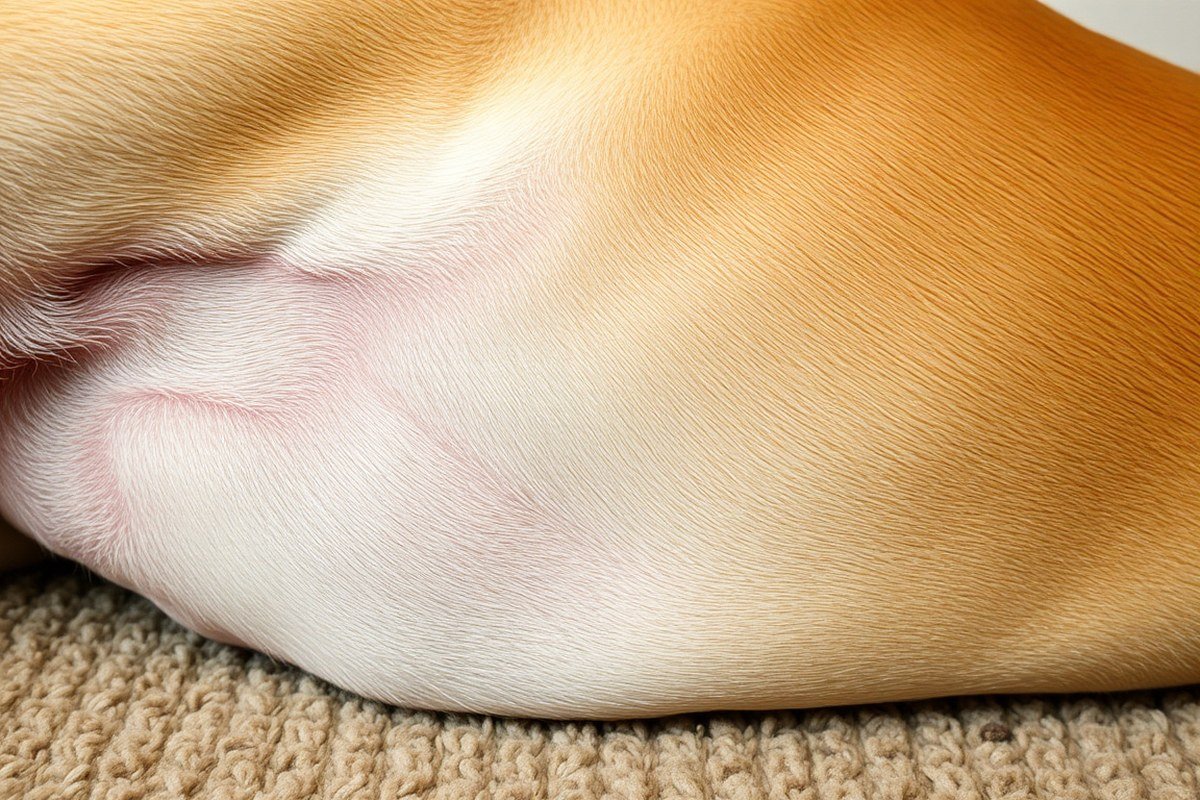
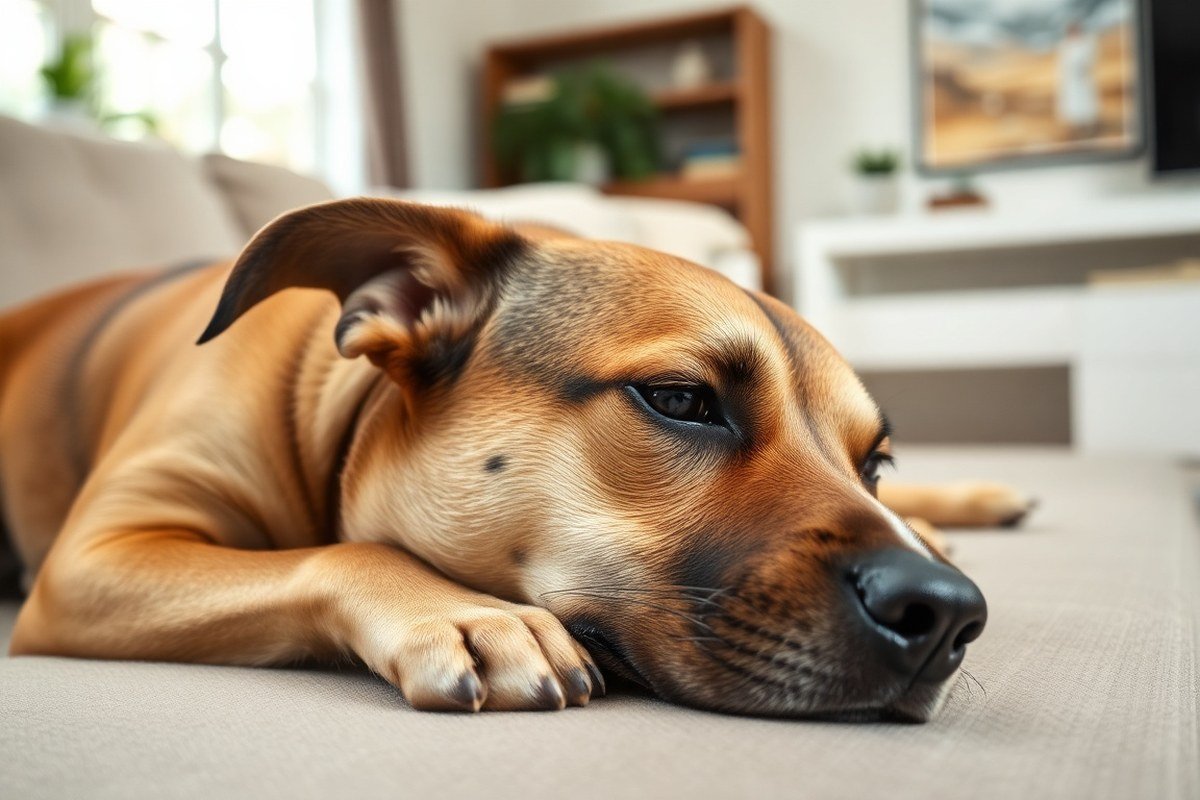
Normal breathing rates for dogs at rest usually range between 10 and 30 breaths per minute. Puppies and smaller breeds often breathe a bit faster due to their higher metabolism. Breathing faster than around 40 breaths per minute while resting suggests your dog’s breathing might be too fast. This can indicate health issues like pain, heart problems, or respiratory distress, especially if the mouth is closed and your dog is not panting.
Panting is different from fast breathing. Panting usually features an open mouth and deep breaths to cool down. Fast breathing tends to be shallower and quieter, with the chest rising and falling rapidly but without the dog opening the mouth. Fast breathing without panting, when your dog is calm and cool, can be a sign of a problem. To know for sure if your dog is breathing too fast, accurately measuring the breaths per minute while they are resting or sleeping is essential. Here are the steps to count your dog’s breathing rate properly:
- Find a quiet moment when your dog is calm, resting, or sleeping.
- Watch the chest closely for each complete breath, which is one rise and fall.
- Do not count panting breaths, focus on normal, quiet breaths with a closed mouth.
- Use a timer or clock with a second hand or stopwatch.
- Count each breath for a full 60 seconds to ensure accuracy.
- Compare the count to the normal range: 10 to 30 breaths per minute is typical for adults; puppies may be a bit faster.
- Repeat the count at different times if you suspect abnormalities or notice persistent rapid breathing.
- Note any other signs like labored breathing, whining, or changes in behaviour to tell your vet.
Counting over a full minute avoids errors caused by short-term fluctuations. Fast breathing lasting more than 30 minutes at rest, especially with no recent exercise or heat, warrants a vet visit. This method helps distinguish between normal panting and abnormal rapid breathing.
Common and Benign Reasons for Fast Breathing
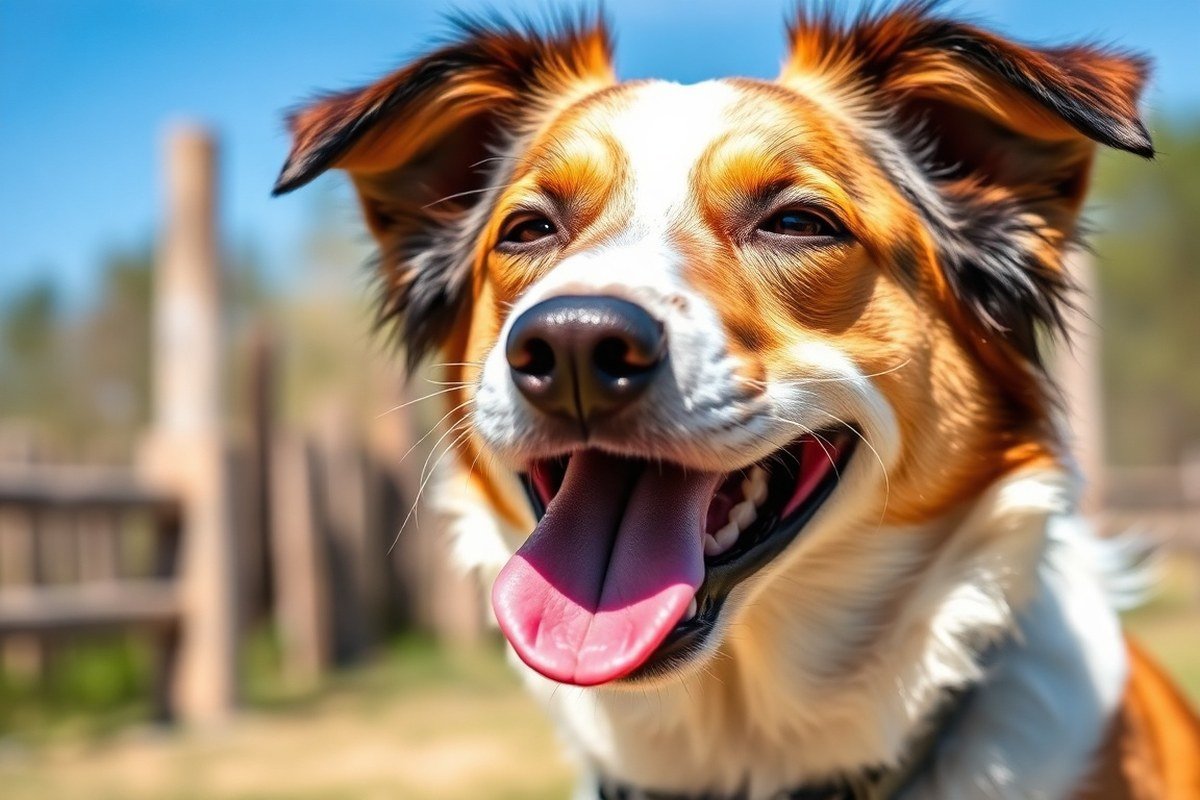
Fast breathing in dogs can happen for simple, non-serious reasons like being hot, excited, or stressed. When your dog breathes fast but is otherwise calm and resting, it often means their body is adjusting to an outside factor rather than a health problem. For instance, after exercise, dogs naturally breathe faster to cool down and bring oxygen to the body. Their breathing should return to normal within 10 to 15 minutes after rest. This is because increased breathing helps remove excess heat and recover energy.
Heat plays a key role in rapid breathing. When a dog’s body temperature rises above 85°F (29°C), they start panting and breathing fast to cool down through evaporation since they don’t sweat like humans do. However, if fast breathing continues beyond about 15 minutes after cooling, or your dog seems tired or uncoordinated, overheating might be more serious and require a vet check.
- Exercise: Temporary panting that eases with rest.
- Heat exposure: Faster breathing to cool off, should slow after cooling down.
- Anxiety or stress: Breathing may speed up during loud noises or change.
- Excitement: Short bursts of rapid breathing during play or greeting.
- Dreaming: Brief increases during sleep phases.
Anxiety and stress can speed up your dog’s breathing without any physical cause. Stressful events such as travel, thunderstorms, or separation may trigger faster breaths. Teaching calming techniques or working with a certified dog behaviorist can help manage these episodes. Notice if your dog’s breathing stays fast after the situation settles or rest begins. That persistence could mean you should talk to your vet for next steps.
Serious Medical Conditions That Cause Fast Breathing
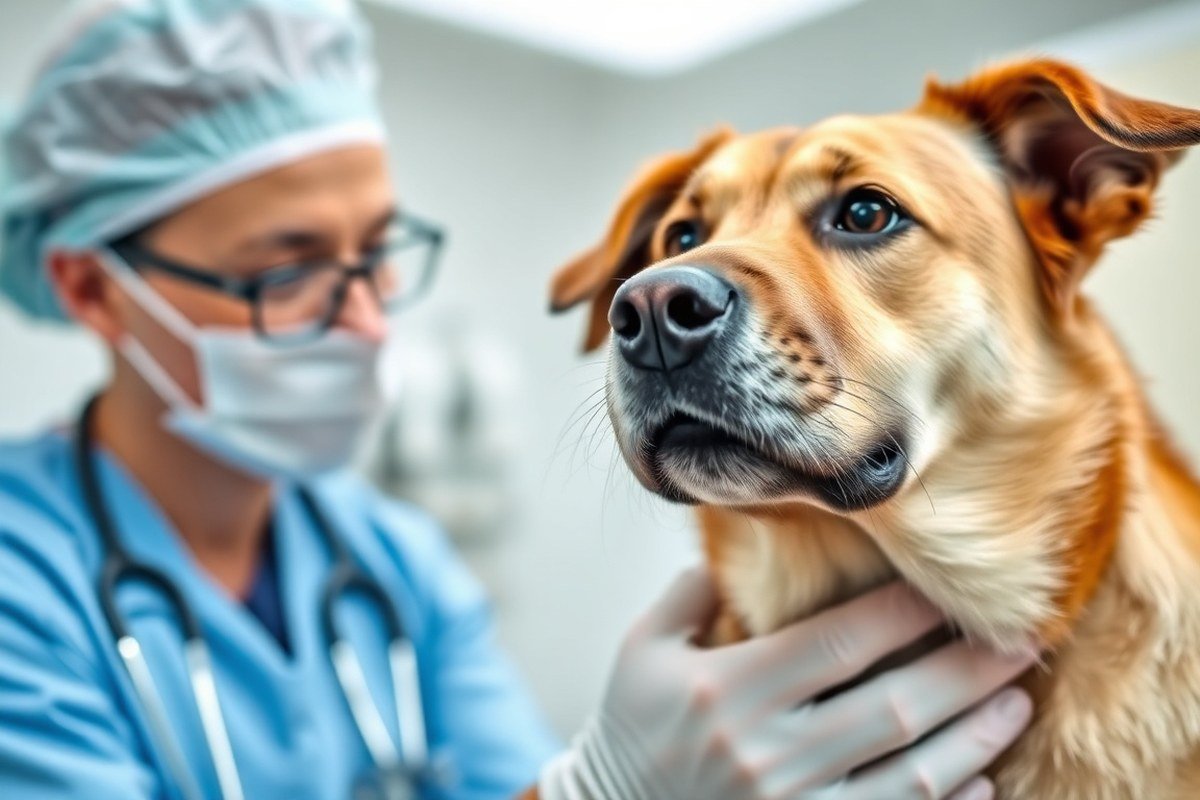
Fast breathing in dogs can indicate several serious medical conditions, especially in older pets. Heart disease often causes rapid breathing due to fluid buildup in the lungs, which restricts oxygen intake. Conditions like congestive heart failure or heartworm disease put extra strain on the heart and lungs, leading your dog to breathe faster even when resting. You’ll notice signs such as coughing, weakness, or a swollen belly alongside the fast breathing.
Respiratory conditions such as pneumonia or kennel cough cause mucus buildup or swelling in the airways, which makes breathing difficult for your dog. Rapid breathing paired with coughing, nasal discharge, or fever often points to these infections. Older dogs might develop lung cancers or bronchitis, both of which can lead to breathing difficulties and need quick attention from a vet.
Anemia reduces the number of red blood cells available to carry oxygen throughout your dog’s body. As a result, your dog compensates by breathing faster to meet oxygen demands. Pain from injury or chronic conditions like arthritis can also cause rapid breathing; look for signs such as restlessness, whining, or reluctance to move. Dogs experiencing pain may breathe quickly even at rest.
| Condition | Typical Signs | Urgency |
|---|---|---|
| Heart Disease | Coughing, fatigue, swollen abdomen, rapid breathing at rest | High, requires prompt vet evaluation |
| Respiratory Infection | Cough, nasal discharge, fever, labored fast breathing | High, antibiotics or supportive care often needed |
| Anemia | Pale gums, lethargy, rapid breathing | Moderate to High, cause must be diagnosed and treated |
| Pain | Whining, restlessness, rapid breathing | Varies, depends on injury severity |
Breed and age affect normal breathing rates. Older dogs are more prone to heart and lung problems, raising the chance of fast breathing due to serious causes. Brachycephalic breeds (like Bulldogs or Pugs) have shorter airways, which can naturally increase their breathing rate but also makes them vulnerable to respiratory distress. Monitor your dog’s usual breathing pattern and consult a vet if you notice a sudden increase without clear reason.
When Is Fast Breathing an Emergency for Your Dog?
Fast breathing during rest or sleep can signal serious trouble that needs urgent attention. This pattern, especially without an obvious cause like heat or exercise, often points to respiratory distress or other medical issues that might rapidly worsen. Puppies and senior dogs are especially vulnerable, so watch these groups closely for worsening symptoms or new behaviors. Delay in care may result in rapid deterioration, so quick action is essential when certain signs appear. Look out for these red flags indicating emergency vet care is needed immediately:
- Blue or pale gums showing low oxygen levels
- Obvious difficulty breathing or gasping for air
- Breathing fast accompanied by lethargy or weakness
- Coughing, especially if persistent or worsening
- Vomiting or loss of appetite alongside fast breathing
- Rapid breathing lasting over 30 minutes without relief
- Signs of overheating such as drooling and excessive panting
If your dog’s fast breathing lasts beyond 24 to 48 hours or gets worse over time, seek veterinary care promptly, even if they do not have severe signs listed above. This timeline helps distinguish between an emergency and a condition that still requires attention but may not need immediate hospitalization. Certain breeds like Boston Terriers, Boxers, and Pugs need closer monitoring due to their increased risk of breathing problems. Emergency visits often involve oxygen therapy and diagnostic testing to stabilize your dog and determine underlying causes. Early intervention reduces risks and improves outcomes.
Safe Home Steps to Help Your Dog Breathe Easier
Helping your dog breathe easier at home starts with creating a calm and comfortable environment. Keep your dog in a cool, quiet space to reduce stress. Overheating commonly causes fast breathing, so make sure the room temperature stays between 68 and 72°F. Avoid any vigorous activity until their breathing normalizes.
Use a stopwatch or clock to measure your dog’s breathing rate at rest. Normal rates vary by size and age, but a general guideline is 10 to 30 breaths per minute. Count one full breath every time their chest rises and falls. Avoid counting panting as normal breaths since panting is faster and may indicate distress. Watch for shallow or labored breathing, which requires veterinary attention.
- Move your dog to a shaded or air-conditioned area if it’s hot.
- Offer fresh water but don’t force drinking.
- Keep your dog calm by speaking softly and avoiding sudden movements.
- Use a fan for gentle air circulation, not direct cold air on their body.
- Check for any signs of injury or toxins around your pet’s resting spot.
- Record breathing rates every 10 to 15 minutes to monitor changes.
Common mistakes include rushing to conclusions without timing the breaths accurately and confusing fast panting with problematic breathing. Another error is handling the dog excessively, which may raise their stress and breathing rate. Note any additional symptoms like shaking or eye changes as these heighten concern. If fast breathing lasts more than 20 minutes at rest even after calming efforts, contacting a veterinarian is a safer choice.
How Vets Diagnose and Treat Fast Breathing in Dogs
Your veterinarian starts diagnosing fast breathing by asking about your dog’s recent behaviour, environment, and any visible symptoms. They will then perform a thorough physical exam, checking your dog’s airway, lungs, heart, and overall condition. Observing your dog’s breathing rate and pattern while calm helps establish a baseline. Doctors typically count breaths per minute; a rate above 30 to 40 breaths per minute in a resting dog may indicate a problem.
Next, the vet may suggest diagnostic tests like chest X-rays to look for lung or heart abnormalities. Blood tests can reveal infections, anemia, or organ issues affecting breathing. In some cases, your dog might need an electrocardiogram (ECG) to assess heart rhythm or an ultrasound to get more detail on heart structure. These steps help pinpoint if fast breathing is caused by respiratory problems, heart disease, pain, fever, stress, or other issues.
Treatment depends on the diagnosis. For mild cases caused by stress or overheating, vets often recommend cooling measures and rest. If infections are detected, antibiotics or other medications may be prescribed. Heart conditions might require specific drugs to improve function and reduce breathing effort. Dogs with serious lung issues could need oxygen therapy or hospitalization. Your vet will guide you on how to monitor your dog and when to return if symptoms worsen. Treatment success varies with the underlying cause, so early diagnosis is important to avoid complications.
Your Immediate Action Plan for Fast Breathing in Your Dog
Use this plan to quickly assess and respond to your dog’s fast breathing. These steps help you decide if you can handle it at home or need urgent vet care.
- Right Away: Check your dog’s temperature and gum color. Healthy gums are pink, not pale or blue. Normal temperature ranges 101°F to 102.5°F. Discolored gums or an unusual temperature mean you should seek emergency vet care.
- Within 30 Minutes: Offer a quiet, cool spot with fresh water. Breathing that slows down along with a calmer dog might point to minor causes like heat or stress.
- Next 1-2 Hours: Observe the breathing rate at rest. Count breaths per minute. Less than 30 is normal; over 40 at rest means you should call your vet for advice.
- After Resting: Note any other signs like coughing, collapse, or blue lips. These need urgent veterinary attention.
- Before Bed: Record breathing rates and any unusual behavior to share with your vet if needed. Use a notebook or phone app for accuracy.
- Next Day: Schedule a veterinary exam if fast breathing persists without improvement or if your dog shows weakness, refusal to eat, or other health problems.
Frequently Asked Questions
Why Is My Dog Breathing Fast While Lying Down?
Fast breathing while lying down can signal pain, anxiety, or a health issue. Monitor for other signs and consult your vet if it lasts over 30 minutes at rest.
What Does It Mean If My Dog’s Belly Is Moving a Lot When Breathing?
Abdominal breathing means your dog is using belly muscles to take in air, often signaling distress or respiratory issues. This pattern deserves prompt veterinary evaluation.
Can Stress Alone Cause My Dog to Breathe Fast?
Yes, stress or fear can cause temporary fast, shallow breathing that usually settles once the situation calms down. Watch for persistent symptoms to rule out other causes.
Is It Normal for Puppies to Breathe Faster Than Adult Dogs?
Puppies often breathe faster since their bodies are still developing, but unusually rapid or labored breathing should be checked by a vet to rule out problems.
Why Does My Dog Breathe Fast and Shake at the Same Time?
Fast breathing combined with shaking often indicates pain, fear, or illness. This combination needs close monitoring and possibly a prompt vet visit.
Final Thoughts
Fast breathing in your dog can range from a harmless reaction to a sign of a serious illness. Promptly checking your dog’s breathing and general condition lets you act early and confidently. Start by monitoring their breathing closely and call your vet whenever you notice worrying signs or persistent rapid breaths.