Why Is My Dog Not Eating His Food but Will Eat Treats? Proven Solutions
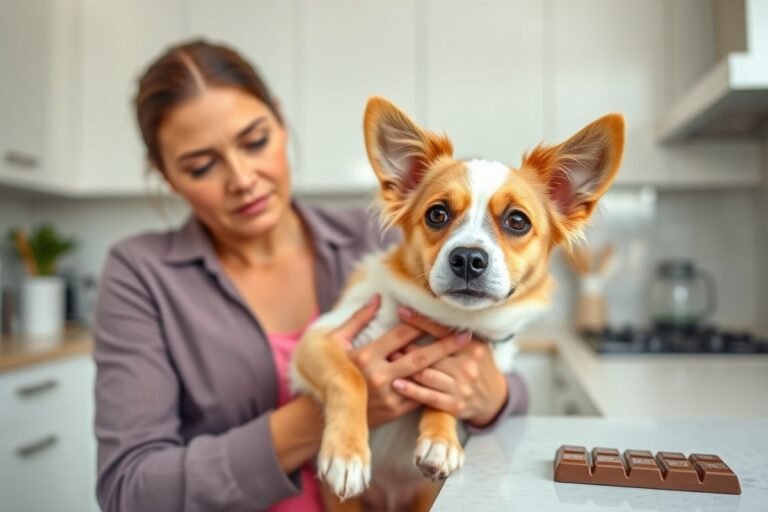
When your dog refuses regular food but eats treats, it could be because treats often have stronger smells and flavors that appeal more to their senses. This behavior might also signal health problems, dental pain, or the development of a habit from getting too many treats. Adjusting treat amounts by reducing them helps encourage your dog to eat regular meals.
Key Takeaways
- Remove uneaten food after 15-30 minutes and do not offer anything until the next scheduled mealtime.
- Keep treats under 10% of your dog’s daily calories to avoid reducing their interest in eating their main food.
- Introduce aromatic wet food gradually over 7 to 10 days to stimulate appetite.
- Use raised dog bowls to reduce joint stress during feeding, making mealtime more comfortable.
- Maintain a consistent feeding schedule to teach your dog when to expect food.
- Consult a veterinarian immediately if your dog refuses food for more than 24 hours or shows lethargy, vomiting, or weight loss.
Why Is My Dog Not Eating Regular Food but Still Eating Treats?
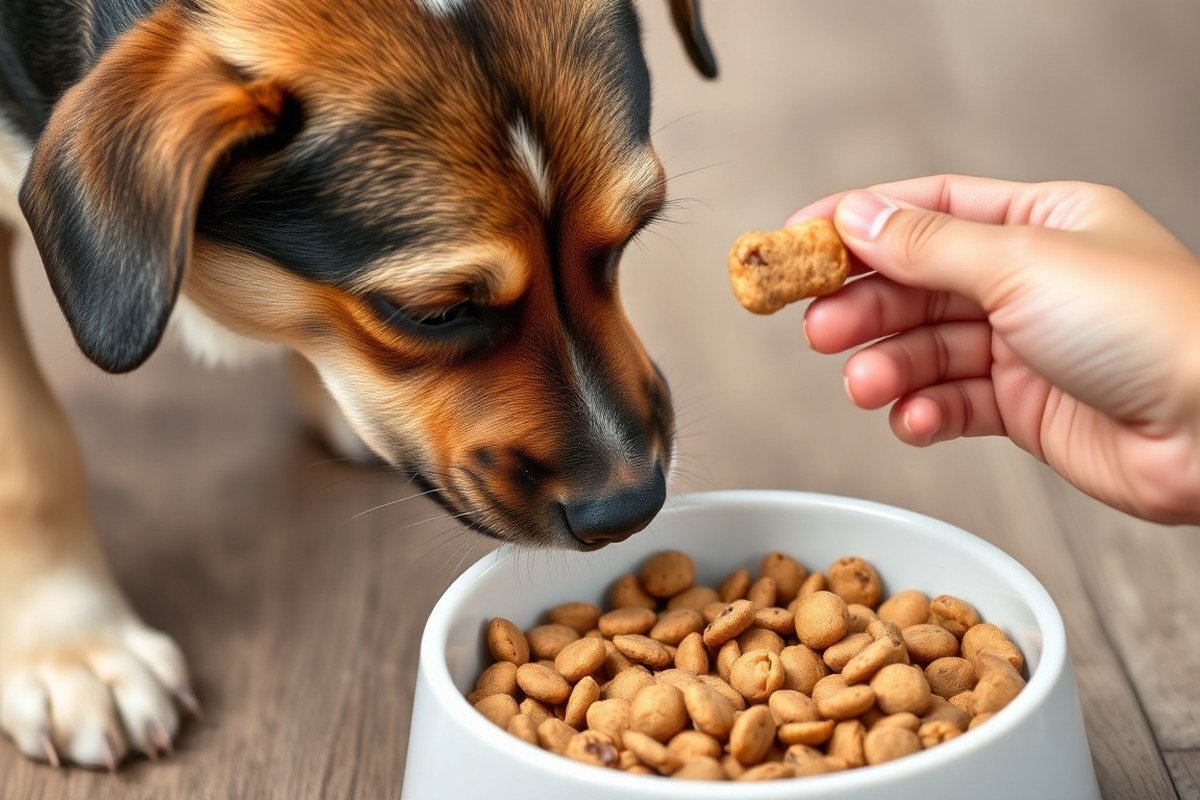
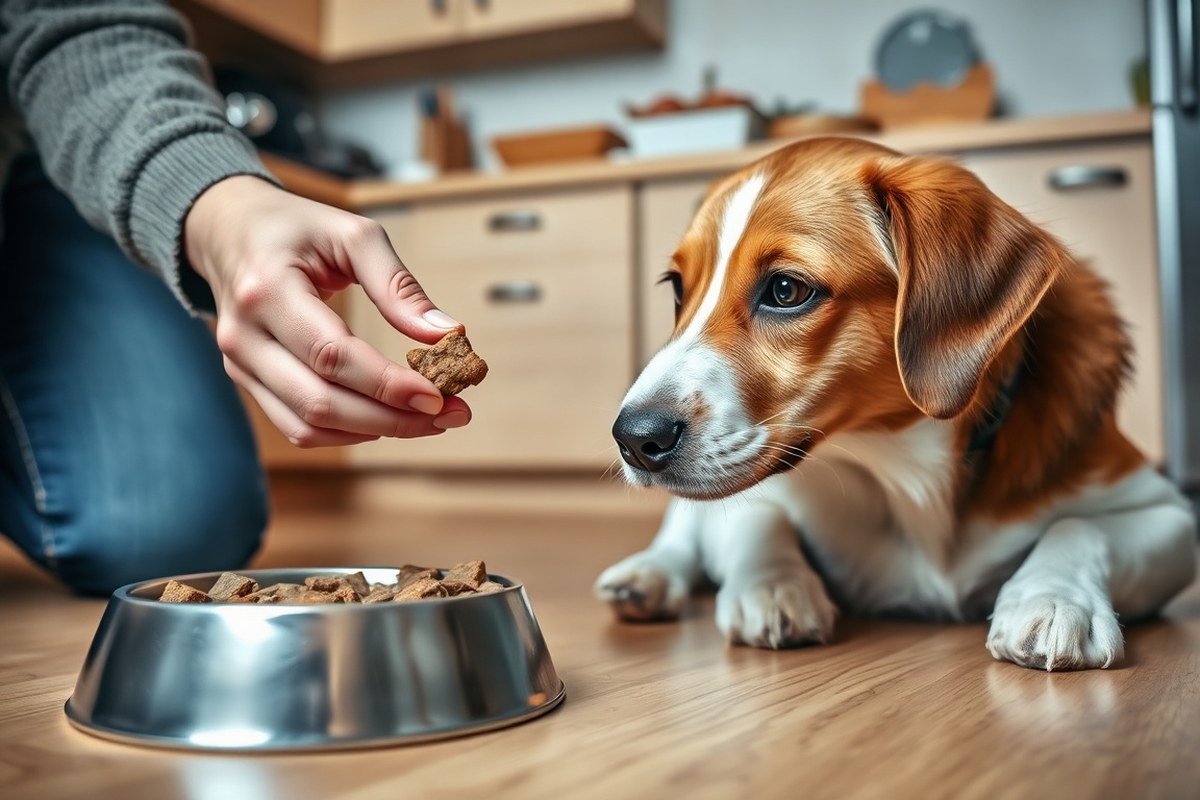
Your dog might prefer treats over their usual meals because they’ve learned to be selective. If they realize that refusing regular food leads to tastier snacks, they could wait for those instead of eating their kibble or canned food. Treats often have more appealing smells and flavors, making standard meals less interesting. Limit treats to less than 10% of your dog’s daily calorie intake and avoid giving treats between scheduled meals. Offer meals at fixed times and remove the food bowl after 15 to 20 minutes if it’s untouched. This helps your dog understand that treats don’t take the place of meals and encourages regular eating.
Overfeeding treats commonly causes meal refusal. Treats can accidentally make up most of the dog’s calorie intake, especially if given frequently or in large amounts. A dog that fills up on treats loses appetite for nutritionally balanced food, risking nutritional gaps and potential weight gain. You should calculate how many calories your dog needs daily, often around 30 calories per pound of body weight, and ensure treats account for no more than 10% of that total. For example, a 50-pound dog requires about 1,500 calories daily, limiting treats to 150 calories or less.
Underlying medical issues may also explain selective eating habits. Dental pain can make chewing kibble uncomfortable while soft treats remain tolerable. Digestive issues like nausea or food sensitivities might cause dogs to associate regular meals with discomfort but still accept small, easy-to-digest treats. Observe for symptoms like drooling, bad breath, lethargy, vomiting, or diarrhea and consult a veterinarian if these appear. They may recommend dietary changes or medical treatment to address the root cause.
The feeding environment influences your dog’s willingness to eat regular food. Stressful surroundings, loud noises, unfamiliar places, or conflicts with other pets, can suppress appetite during meals. Ensure a calm, quiet spot for feeding where your dog feels safe and undistracted. Consistency in routine, providing meals at the same times and location daily, supports relaxed eating behavior. Adding a short walk or light exercise 20 to 30 minutes before meals can naturally increase hunger and interest in food, helping your dog eat better without relying on treats.
Common Medical and Dental Reasons for Selective Eating
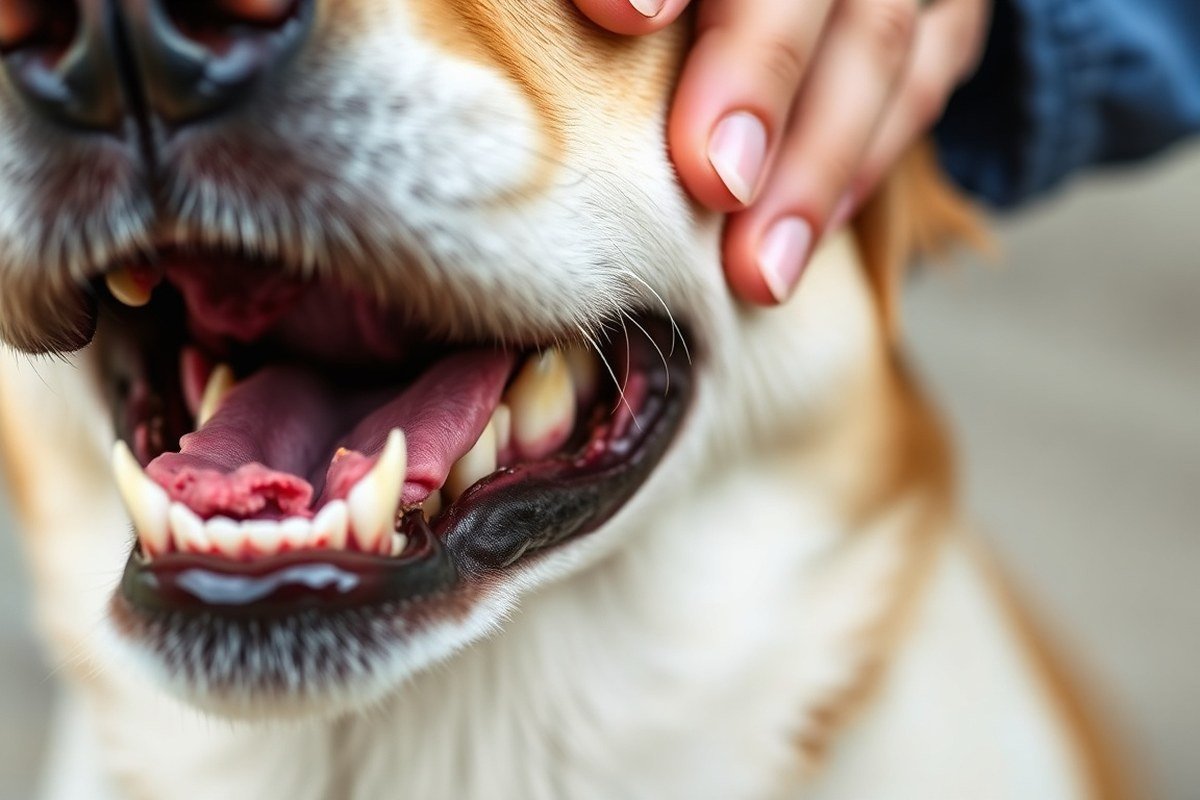
Dental disease is a common reason dogs might avoid their regular food while still eating treats. Chewing dry kibble or hard food can become painful if your dog has inflamed gums, broken teeth, or infections. Treats are often softer or smaller, making them easier to manage. Watch for signs like drooling, bad breath, reluctance to chew, or pawing at the mouth. These indicate your dog could be coping with oral pain during mealtime.
Gastrointestinal problems such as upset stomach, parasites, or swallowing something inappropriate can also reduce a dog’s appetite for regular food. These issues might cause nausea or discomfort, leading dogs to reject their usual meals but still accept appealing treats. Vomiting, diarrhea, lethargy, or abdominal pain are symptoms that suggest digestive distress.
Other medical factors, including infections, medication side effects, or recent vaccinations, can influence eating behavior. For example, some medications cause nausea or taste changes that make normal food less appealing. Vaccination reactions sometimes cause mild lethargy or loss of appetite lasting a day or two. Pay attention to whether your dog recently started new treatments or had vaccines. The table below compares Medical signs with behavioral signs of selective eating to help you decide on urgency:
| Medical Signs | Behavioral Signs |
|---|---|
| Sudden appetite loss, vomiting, diarrhea | Prefers treats but eagerly ignores food without other symptoms |
| Drooling, mouth pain, pawing at face | Selective interest in particular food texture or flavor |
| Lethargy, fever, weight loss | Begging for food but refusing meal portion |
| Reluctance to chew normal food | Eating treats only when offered, ignoring meals over days |
You should seek veterinary care immediately if your dog shows continuous vomiting, diarrhea lasting over 24 hours, signs of severe pain, difficulty breathing, or sudden weakness. Early diagnosis is critical for effective treatment and relief. Less urgent but still important signs include ongoing refusal to eat regular food for more than two days, noticeable weight loss, or visible dental issues. Your veterinarian will examine your dog to identify causes like dental disease or infections and recommend appropriate treatment. Early intervention can prevent complications and restore your dog’s normal eating habits.
How Treat Habits and Feeding Routines Can Affect Appetite
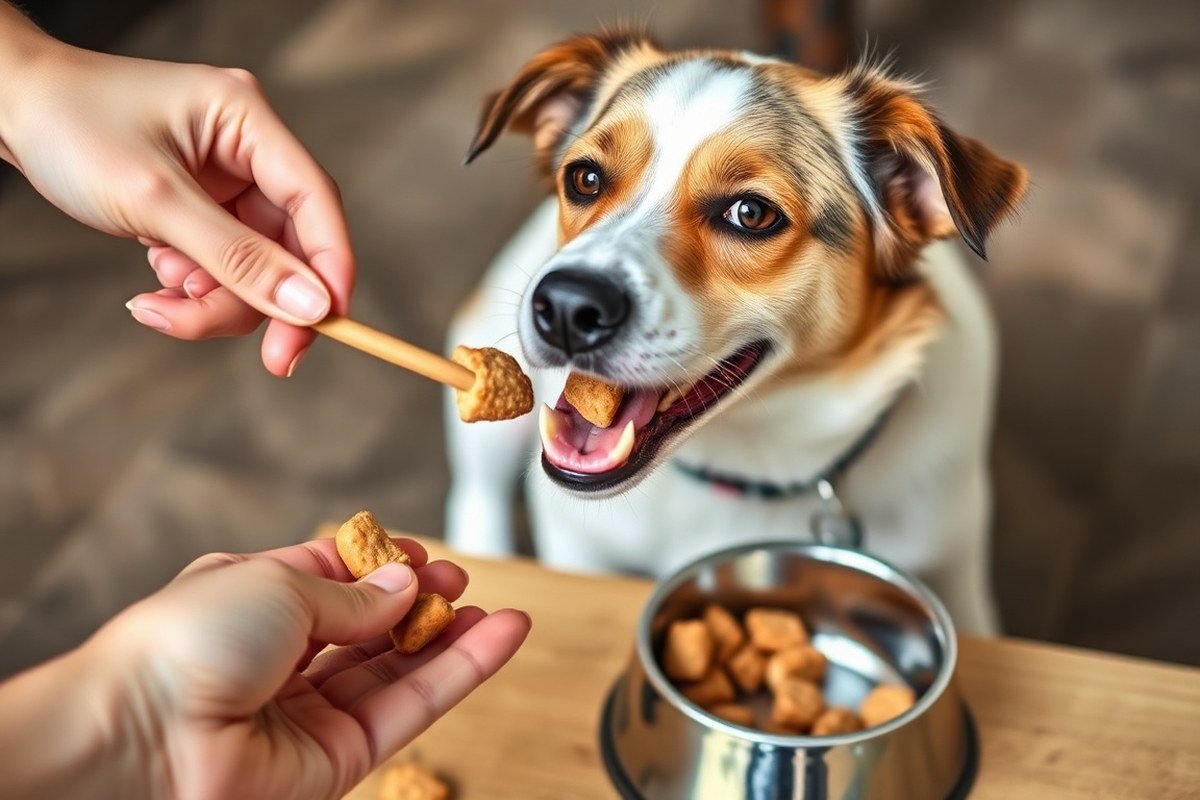
Excessive treats can easily reduce your dog’s interest in regular meals by giving them extra calories that fill them up before mealtime. Treats often taste better than kibble, which makes dogs less hungry for their balanced food. A good rule is to keep treats under 10% of your dog’s daily calorie intake. For example, if your dog needs about 600 calories a day, treats should provide no more than 60 calories. Checking treat labels for caloric content helps you control this.
Inconsistent feeding schedules also confuse your dog’s natural hunger cues. Feeding at random times or leaving food out all day can lead to your dog skipping meals but eagerly eating high-value treats offered between times. Timing treats too close to mealtime can spoil their appetite for the main meal. It’s best to give treats at least an hour before or after meals, not right before.
Reinforcing picky behavior can happen if you immediately replace a refused meal with treats or highly palatable snacks. Your dog may learn to wait for the tastier option and ignore regular food. You can change this by having a strict treat-to-meal routine and removing leftovers between meals to encourage eating at scheduled times.
- Measure and limit treats to less than 10% of daily calories
- Feed main meals at consistent times, ideally twice a day
- Offer treats at least one hour apart from meals
- Avoid giving treats as meal replacements
- Remove uneaten food after 20-30 minutes
- Use treats to train or reward after eating regular food
Adjusting the treat-to-meal balance may take a week or two of consistent effort before your dog’s appetite stabilizes. If using special treats like CBD dog treats, follow product guidelines and maintain the regular feeding schedule. Successful changes include your dog eating full meals on schedule and treats becoming occasional rewards, not the main food source. Overlooking this balance often prolongs picky eating and may lead to nutritional gaps. Monitoring and modifying both treat quantity and feeding routine is key.
Safe Techniques to Make Regular Meals More Appealing
Transitioning your dog to a new food or making their regular meals more appealing involves gradual changes and adding flavors that catch their interest without spoiling their appetite. Food temperature and texture matter because warming food slightly or mixing in moist ingredients can improve aroma and ease eating. Using homemade toppers like a spoonful of plain yogurt, a drizzle of low-sodium chicken broth, or a small amount of cooked pumpkin or sweet potato can encourage your dog to eat while providing additional nutrients.
Mixing crushed treats into regular food can work but use this technique carefully to avoid turning mealtime into a treat session. Presentation and environment also influence a dog’s willingness to eat, serve meals in a quiet, familiar spot and keep feeding dishes clean to help maintain interest. Here’s a step-by-step plan to switch your dog to new food or improve their meal over about a week:
- Start by mixing 25% of the new food with 75% of your dog’s regular food during the first two days.
- Increase the new food to 50% for the next two days while reducing the old food accordingly.
- Raise the new food portion to 75% for the following two days, keeping the rest as the old food.
- Serve 100% new food on day seven, monitoring how your dog reacts.
- Add flavor enhancers like a teaspoon of low-sodium chicken broth or a small spoon of plain yogurt to each meal to improve aroma and taste without adding excessive calories.
- Warm the food slightly to about body temperature (around 100°F or 38°C), which can boost scent and entice eating.
- Sprinkle crushed treats sparingly over the food, no more than 5-10% of the total meal, to maintain the balance between encouragement and training.
- Feed in a quiet spot with minimal distractions and use a clean bowl to keep the environment inviting.
Expect to see your dog gradually accept the new meal within a week. Watch for signs like eager tail wagging or finishing the bowl consistently. If your dog refuses the new food after seven to ten days, try a different flavor or consult your vet before making further changes.
When and How to Establish a Consistent Feeding Schedule
Establishing a consistent feeding schedule is essential to encourage your dog to eat regular meals instead of relying on treats. Offering food at set times helps your dog anticipate mealtime and builds a routine that supports a healthy appetite. Removing uneaten food after 15 to 30 minutes teaches your dog that meals are limited, reducing grazing and picky eating.
Leaving your dog’s food out for too long might make them less interested and more likely to wait for treats or human food. Keep treats to about 10% of your dog’s daily calorie intake and don’t offer snacks right before meals to keep their appetite strong for regular food. A quick walk or some playtime before eating can also boost their hunger.
- Feed meals twice a day at consistent times, e.g., 7AM and 6PM.
- Serve food in a clean, quiet area free from distractions.
- Remove any uneaten food after 15-30 minutes without replacing it.
- Keep treats and snacks limited to less than 10% of daily calories and give them at least an hour before meals.
- Incorporate 10-15 minutes of exercise before feeding to boost appetite.
- Observe your dog’s eating patterns for a week and adjust feeding times or portion sizes if food is consistently uneaten.
Consistency helps rebuild your dog’s regular eating habits and reduces dependency on treats. Your dog might need a different type of food or a vet checkup if they keep refusing meals despite sticking to a regular feeding schedule. Avoid offering extra snacks to tempt your dog, which can reinforce picky behavior. A calm environment during mealtime also supports better focus on eating.
When to Consult a Veterinarian About Eating Concerns
Reach out to your veterinarian if your dog refuses food for more than 24 hours or shows symptoms such as vomiting, tiredness, or losing weight. Missing one meal usually isn’t dangerous for most dogs, but skipping food for more than 24 hours can signal a problem needing care. Puppies and older dogs have weaker systems and could require faster veterinary help if they stop eating.
Immediate vet care is needed if your dog vomits repeatedly, has diarrhea, excessive drooling, unusual breath or pees more than usual. These symptoms could signal infection, organ problems, or dental issues that require prompt diagnosis and treatment. Monitor your dog’s energy level and look for visible changes like pale gums or difficulty standing, which are red flags.
Underlying health problems like infections, dental pain, kidney or liver issues, and gastrointestinal disorders are common causes of food refusal. The veterinarian will check for these by reviewing your dog’s history, doing a physical exam, and possibly recommending blood tests or x-rays. Sharing detailed information about your dog’s food intake, treat consumption, behavior changes, and any vomit or stool changes will help the vet form a clear picture. Keep notes on time and amount your dog ate or refused, plus all symptoms.
Prepare for your vet visit with a list of specific questions such as: “What could be causing my dog not to eat but still want treats?” or “Are there tests needed to find a hidden illness?” You can say, “My dog hasn’t eaten regular food for X hours/days, but still wants treats. They vomited once on [date], seem more tired than usual, and haven’t lost weight noticeably yet.” This helps the vet understand urgency and plan diagnostics or treatment. Veterinary costs vary but basic exams can range from $50 to $150, with tests adding extra.
Step-by-Step Action Plan to Encourage Eating Regular Food
Follow this plan to help your dog switch from treats back to regular meals safely and effectively.
- Day 1: Remove all treats for 12 hours to increase your dog’s hunger. Check if your dog shows interest in regular food during this fasting period.
- Day 2: Offer regular food in a quiet, low-distraction area for 15 minutes. Confirm your dog eats or at least sniffs the food eagerly.
- Day 3: Warm the regular food slightly to release aroma. Note if your dog’s appetite improves by eating more than the previous day.
- Week 1: Introduce a consistent feeding schedule, offering food twice daily at the same times. Watch for your dog’s willingness to approach meals on schedule.
- Week 2: Gradually reduce added toppers and mix-ins that mimic treats. Ensure your dog still eats regular food without strong flavors over several days.
- After 2 weeks: Reintroduce treats only as rewards after meals, not before or during feeding. Confirm your dog finishes regular meals without refusing due to treat anticipation.
- On-going: Monitor your dog’s dental health and overall wellbeing. Schedule a veterinary visit if refusal to eat regular food continues past three weeks or other symptoms appear.
Frequently Asked Questions
Can Stress Cause My Dog to Eat Treats but Not Regular Food?
Yes, stress can reduce your dog’s appetite for regular food while still prompting treat eating. Stressful changes in environment or routine might make treats seem more appealing or comforting to your dog.
Why Does My Dog Only Eat Treats When Hand-Fed?
Dogs may eat treats but refuse food when hand-fed due to seeking extra attention or reassurance. Hand-feeding can create a bond, making them wait for treats before eating regular meals independently.
Could Treat-Only Eating Lead to Nutrient Deficiencies in My Dog?
Yes, eating only treats lacks balanced nutrition and can cause deficiencies. Treats often have different ingredients and fewer nutrients than dog food, so relying on them risks poor health outcomes over time.
What Role Does Boredom Play in My Dog Preferring Treats over Food?
Boredom can lead dogs to prefer treats, which are usually tastier and more stimulating. Regular food might seem dull, so enriching feeding time and toys can encourage better eating habits.
Is It Normal for Some Dogs to Suddenly Prefer Treats over Their Usual Food?
Sudden preference for treats can signal health, dental, or behavioral issues needing attention. Monitoring your dog’s full eating habits and consulting a vet is wise to rule out underlying problems.
The Bottom Line
Your dog’s preference for treats over regular food often comes from habit, health issues, or feeding practices. Addressing these with patience and a clear plan helps restore good eating habits safely. Start by limiting treats and setting firm meal times to encourage your dog back to a balanced diet.