How to Treat Dog Ear Hematoma at Home: Safe Steps and What Works
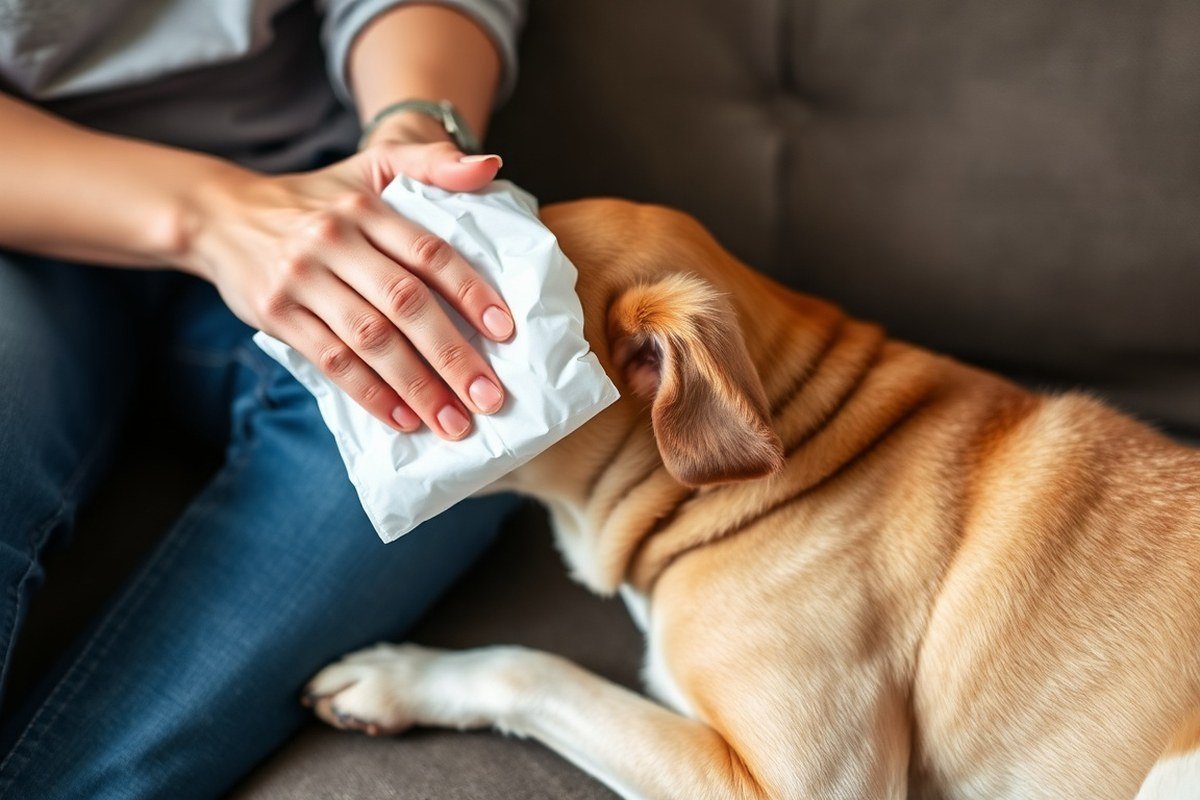
How to treat dog ear hematoma at home starts with controlling swelling and preventing infection using clean, cold compresses and keeping the ear clean. Gently apply a cold pack wrapped in cloth to your dog’s ear for about 10 to 15 minutes several times a day to reduce swelling. Monitor the ear daily to ensure it improves rather than worsens, as untreated hematomas can cause permanent ear deformity.
Key Takeaways
- Apply a cold compress to your dog’s ear 3-4 times daily for 10 to 15 minutes during the first two days to minimize swelling.
- Keep your dog’s ear clean by gently wiping the inside with a damp cloth before applying any medication.
- Monitor the ear daily for signs of increased swelling, redness, or discharge, and seek veterinary care if symptoms worsen.
- Do not attempt to drain the hematoma at home, as the fluid often refills quickly and can worsen the issue.
- Use a soft compression bandage only if advised by a veterinarian, changing it every 2 to 3 days to avoid skin irritation.
- Limit your dog’s head shaking and scratching by using an Elizabethan collar if necessary to prevent further damage.
How to Treat Dog Ear Hematoma at Home Safely
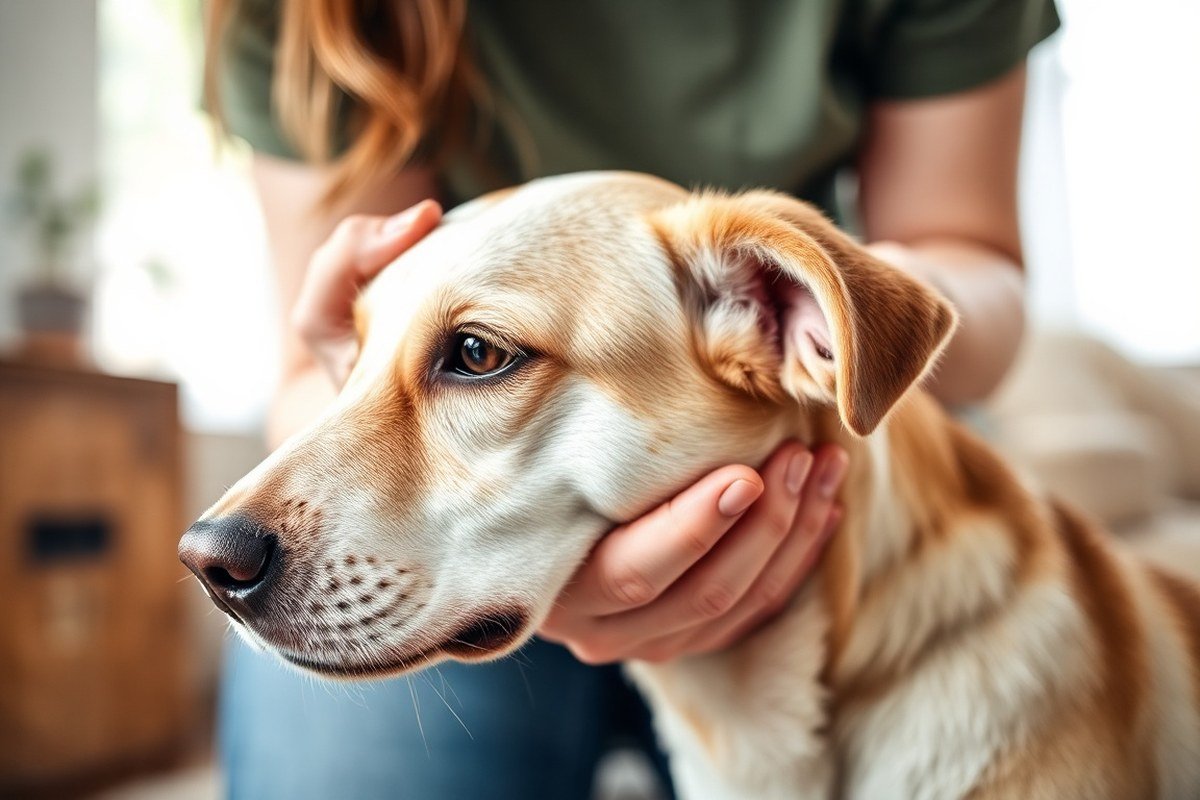
A dog ear hematoma is a painful swelling caused by blood collecting between the ear flap’s skin and cartilage. It usually happens after trauma like vigorous shaking or scratching due to an ear infection or irritation. Treating it promptly at home can help reduce your dog’s discomfort and swelling before you can get professional care. Starting care safely involves gentle steps that minimize pain and avoid further damage. Avoid attempting to drain the hematoma yourself, as this can cause infection or worsen the injury. Follow these steps to provide initial relief and control swelling:
- Keep your dog calm and still. Limit head shaking and scratching which can worsen the swelling. Gently comfort your pet and prevent access to the affected ear by using an Elizabethan collar if available.
- Clean the outer ear gently. Use a damp cloth with warm water to wipe away dirt or discharge. Avoid inserting anything deep into the ear canal to prevent irritation or injury.
- Apply a warm compress. Soak a clean cloth in warm water (about 100°F), wring it out, and place it on the swollen ear for 10 to 15 minutes, two to three times a day. Warmth improves circulation and helps reduce fluid buildup.
- Monitor for signs of pain or infection. Watch for excessive redness, foul odor, or your dog showing signs of severe discomfort. Swelling should begin to decrease within a few days; worsening symptoms require vet attention.
- Control itching or head shaking triggers. Address underlying causes like ear infections or allergies with medications prescribed by your vet. Untreated triggers prolong swelling and damage.
- Avoid home drainage or piercing. Never attempt to drain the hematoma at home with a needle or sharp object. This increases risks of infection and scarring.
These steps typically take minimal supplies, warm water, clean cloths, and possibly a collar, and no expensive equipment. Properly managed, initial swelling can reduce, but an untreated hematoma may lead to hardened tissue or “cauliflower ear,” visible deformities that affect your dog’s comfort and hearing. Always follow up with your veterinarian for long-term treatment options tailored to your dog’s condition.
When Is Home Care Enough and When to See a Vet

Home treatment for a dog ear hematoma can be enough when the swelling is minor, your dog is not in significant pain, and there are no signs of infection or obstruction. You should start by consulting your veterinarian to confirm the diagnosis and severity. If your vet advises home care, focus on preventing your dog from shaking or scratching the ear, as this both relieves discomfort and stops the hematoma from growing. Use gentle bandaging or an Elizabethan collar as recommended.
Daily inspection is important. Monitor the hematoma closely for improvement over 10 to 14 days, which is the typical healing timeframe with treatment. Worsening symptoms such as increased redness, warmth, bad odor, discharge from the ear, or the hematoma growing larger indicate infection or complications and require immediate veterinary attention. Also, if the swelling is blocking the ear canal or your dog’s behavior worsens, like increased pain or lethargy, visit a vet promptly. These signs suggest the problem is beyond what home care can handle safely.
Home care never replaces professional evaluation and treatment. Your vet may need to drain the hematoma or prescribe medications to address underlying causes such as infections or allergies. Avoid attempting any drainage at home, this is risky and can worsen the situation. Keep communication open with your vet about your dog’s progress and budget constraints, as treatment methods vary and your vet can tailor the plan to fit your situation. Follow your vet’s instructions exactly and use the daily checks as a decision guide: If swelling reduces, pain lessens, and no signs of infection appear, continue home care; but if any warning signs show up, consult your vet immediately to prevent further complications.
Causes, Risk Factors, and How to Prevent Recurrence

Dog ear hematomas develop when trauma damages the blood vessels inside the ear flap. This damage usually results from vigorous head shaking or frequent scratching caused by irritation. Underlying problems such as allergies, infections, or parasites like ear mites create the irritation. Repeated scratching and shaking break small blood vessels, causing blood to accumulate and the ear to swell.
Checking for and treating these underlying problems is essential to prevent recurrence. Managing your dog’s diet and environment helps lower itching caused by allergies. Ear infections often need medical treatment to clear bacteria or yeast. Parasites like ear mites require specific medicated drops or wipes to eliminate them effectively. Failing to address these causes keeps your dog at risk for repeated trauma and new hematomas.
Keeping your dog’s ears clean and dry plays a key role in prevention. After swimming or bathing, gently dry the ears to avoid moisture buildup, which encourages infections. Regular ear inspections can help you spot early signs of irritation or infection before scratching worsens. Avoid poking the ear canal or using cotton swabs that may cause damage or worsen problems.
In cases where a foreign object, like a tick or debris, lodges inside the ear, carefully removing it or seeking veterinary help reduces irritation risk. Food allergies can also cause itching indirectly, so monitoring what your dog eats and consulting with a vet about possible allergens may help reduce ear issues.
Ignoring the causes of ear hematoma not only risks recurrence but may lead to complications like ear flap deformation or tissue damage. Successful prevention depends on identifying and managing the triggers that lead your dog to scratch or shake their head too much.
Can You and Should You Drain a Dog Ear Hematoma at Home?
Draining a dog ear hematoma at home is generally not recommended due to several risks and the likelihood of the hematoma refilling quickly. A hematoma forms when blood collects between the ear flap’s skin and cartilage, often causing swelling and pain. While it may seem like draining the blood yourself could immediately relieve your dog’s discomfort, the trapped fluid usually reaccumulates without professional intervention to seal the space properly.
Attempting home drainage involves risks such as infection, improper technique, and worsening the hematoma. Using a needle or sharp object to puncture the ear flap can introduce bacteria, causing a severe infection. Also, the ear’s delicate tissues can be damaged if you don’t have veterinary experience. The ear hematoma may refill because the broken blood vessels and tissue layers are not stitched or treated correctly, which a veterinarian’s surgical repair addresses.
If you feel the need to try some relief at home, the best approach is to apply cold compresses for about 10-15 minutes several times a day during the first 48 hours. This can reduce swelling but won’t remove the blood. Later, warm compresses may encourage natural drainage and healing, but only after consulting your vet. Also, an E-collar helps prevent your dog from scratching and worsening the condition.
Cost-wise, veterinary treatment, including surgical repair or professional drainage, usually ranges from $300 to $800. While this is more expensive than home attempts, it prevents complications and reduces the chance of the hematoma recurring or scarring. You might avoid these costs temporarily by not draining it at home, but untreated hematomas often become chronic and painful.
For minor cases, monitoring with home care under a vet’s guidance can be safe. Otherwise, professional treatment prevents infections and promotes proper healing, sparing your dog more stress and discomfort from failed home drainage attempts.
Home Remedies and Products That Help Ear Hematoma Healing
Several home remedies and over-the-counter products can support healing of a dog ear hematoma by reducing swelling, preventing infection, and easing discomfort. Using these options correctly helps keep your dog’s ear stable and limits further irritation from scratching or shaking. Always choose products specifically labeled safe for pets and discuss natural remedies with your vet before application.
| Remedy/Product | Purpose | How to Use | Limitations |
|---|---|---|---|
| Compression Wraps | Maintain ear position, limit shaking | Wrap ear snugly against the head using vet-recommended bandage; replace daily to ensure cleanliness | Too tight wrapping may cause circulation issues; requires regular monitoring |
| Topical Arnica | Reduce bruising and swelling | Apply a pet-safe Arnica gel gently on the affected area twice daily | Not all products are pet-safe; may not relieve pain or itching |
| Vetericyn Triple-Action Ear Treatment | Relieve itching and prevent infection | Spray 3-4 times inside ear twice daily, wiping excess with clean cotton | Only addresses itching, not swelling; repeat use needed until symptoms improve |
These remedies focus on controlling symptoms and protecting the ear during healing. Compression wraps help by stabilizing the ear and reducing the chance of further trauma. Proper application means firm but not tight wrapping that you check often. Topical Arnica offers a natural way to reduce bruising but should only be used with vet guidance to avoid toxicity. Products like Vetericyn target itching, which can worsen the hematoma if left unchecked. Using each product as described supports gradual recovery while lowering discomfort for your dog.
How and Why to Bandage Your Dog’s Ear at Home
Bandaging your dog’s ear helps control the swelling and protects the damaged tissue from further injury. Applying a gentle compression reduces fluid buildup inside the hematoma, which can speed up healing and prevent the ear from becoming permanently deformed. You can bandage the ear yourself if your dog allows it and you follow the right steps carefully.
To stop your dog from worsening the hematoma, keep a secure Elizabethan collar (cone) on them. The collar prevents scratching and head shaking, which are the main causes of added trauma. Check the bandage regularly and replace it every 2 to 3 days, or sooner if it becomes dirty or loose.
- Calm your dog: Choose a quiet space and have treats ready. Gently hold your dog to reduce movement during bandaging.
- Clean the ear: Use a damp cloth or vet-recommended ear cleaner to gently wipe around the hematoma. Avoid excessive handling of the swollen area.
- Apply a soft, non-stick pad: Place a sterile gauze pad over the affected area to cushion the ear and absorb any discharge.
- Wrap with a bandage: Using a soft rolled gauze, wrap the ear from base to tip firmly but not so tight that it cuts off circulation. Leave the ear tip free if possible to allow some air flow.
- Secure the bandage: Use self-adhesive vet wrap to hold the gauze in place without sticking to fur.
- Put on an Elizabethan collar: Attach a cone to prevent your dog from scratching, biting, or shaking the ear.
- Monitor your dog: Check the bandage every day for looseness, cleanliness, or swelling. Look for signs of discomfort or infection.
- Change the bandage: Remove and reapply a fresh bandage every 2 to 3 days or as recommended by your vet to lower infection risk.
Bandaging costs mainly involve supplies: a roll of gauze and vet wrap typically cost $10 to $15 total, and an Elizabethan collar ranges from $10 to $30 depending on size and quality. Avoid wrapping too tightly to prevent pain, and never skip the collar if your dog tends to shake or chew the ear. Correct bandaging combined with preventing trauma helps reduce long-term ear damage and speeds up recovery.
Common Home Treatment Mistakes and How to Fix Them
Overcleaning or using harsh cleaners on your dog’s ear is a common mistake that can irritate the skin further and slow healing. Clean the ear gently with a vet-approved saline solution or a mild ear cleaner no more than twice a day. Avoid cotton swabs that can push debris deeper or cause damage. This gentle cleaning reduces infection risk without disrupting healing tissues.
Failing to inspect the ear regularly is another issue. Check your dog’s ear once or twice daily for increased swelling, redness, foul odor, or discharge. Noticing these signs early helps prevent complications that may require veterinary care. Use a soft cloth to lift the ear flap and look closely at the inner surfaces.
Improper bandaging can cause more harm than good if it’s wrapped too tight, too loose, or left on for extended periods. A poorly applied bandage may cut off circulation or allow the dog to rub and scratch the ear. Change the bandage daily and keep it snug but comfortable to support healing while preventing moisture buildup. Use breathable materials and secure them well to avoid slippage.
Attempting to drain the hematoma yourself without proper technique can introduce infection or cause excessive bleeding. Always avoid sharp instruments and do not squeeze the ear. Home treatment should focus on controlling swelling with cold compresses for 10 to 15 minutes a few times daily and keeping the ear clean and protected.
Overlooking your dog’s discomfort or signs of pain also delays effective treatment. Monitor your dog’s behavior and consider using an Elizabethan collar to prevent scratching or head shaking, which can worsen the hematoma. The key is to balance regular care with gentle handling to ensure good recovery without adding stress or injury.
Healing Timeline and What to Expect During Recovery
A dog ear hematoma typically takes several weeks to heal with proper home care, sometimes stretching to a few months if left untreated. Early on, within the first few days, you should notice reduced swelling and heat when you gently touch the ear. Applying a cold compress for 10 to 15 minutes, three to four times daily, helps manage inflammation during this stage. Keep the ear clean using a mild antiseptic to prevent infection but avoid harsh chemicals that could irritate sensitive skin.
By one to two weeks, swelling and discomfort usually decrease noticeably. At this point, preventing your dog from scratching or shaking its head is critical; an e-collar can help avoid further trauma to the ear. Daily monitoring should include checking for changes in size, warmth, or the appearance of new lumps, which could signal complications needing veterinary attention.
Over the following weeks, the hematoma should continue to shrink and feel less tender. During recovery, the formation of scar tissue can lead to permanent ear deformation if the ear is not supported or protected adequately. If your dog’s ear remains swollen or shows signs of increased pain or infection beyond two weeks, professional evaluation is necessary.
Recovery speed varies depending on the hematoma’s size and your dog’s overall health. Smaller hematomas managed promptly can resolve in about three to six weeks. Larger or untreated hematomas may take several months and often result in a misshapen, hardened ear due to cartilage damage and scarring. Staying consistent with the care steps, noting improvements or setbacks daily, and consulting a vet if symptoms worsen offers the best chance for a smooth recovery and minimal lasting damage.
Step-by-Step Action Plan for Treating Your Dog’s Ear Hematoma at Home
Follow these steps closely to safely manage your dog’s ear hematoma and support healing.
- Day 1: Gently clean the affected ear with a vet-approved saline solution to reduce infection risk. Your dog’s comfort and lack of redness are signs it’s working.
- Day 1 to 3: Apply a cold compress to the ear for 10 to 15 minutes, three times a day to reduce swelling. Notice a decrease in swelling within this time frame.
- Day 3 to 7: Start warm compresses for 10 minutes, twice daily to improve blood flow and aid healing. Softening of the swelling shows progress.
- After Cleaning: Carefully bandage the ear using a loose wrap to prevent further injury, ensuring your dog doesn’t scratch the ear. The bandage staying clean and in place means it’s done correctly.
- Daily: Check for signs of improving swelling, less pain, and no new bleeding. If swelling worsens or bleeding starts, seek veterinary care.
- Week 2: Reduce bandaging as swelling subsides but keep monitoring the ear. Healing ear tissue will feel softer and less puffy.
- Ongoing: Prevent your dog from shaking or scratching the ear by using an Elizabethan collar if needed. Maintaining calm behavior helps avoid recurrence.
- After Week 2: Continue gentle ear care and monitor for full healing. Contact your vet if the hematoma does not shrink or if infection signs appear.
Frequently Asked Questions
Can Ear Hematomas Heal on Their Own Without Treatment?
Small ear hematomas may sometimes reduce without intervention, but untreated cases often worsen and cause permanent ear damage. Monitoring your dog and consulting a vet ensure proper healing and reduce complications.
How Often Should You Clean Your Dog’s Ear During Hematoma Treatment?
Clean your dog’s ear gently once or twice a day with a vet-approved solution to prevent infection. Over-cleaning can irritate the ear and slow healing.
What Signs Show My Dog’s Ear Hematoma Is Getting Worse?
Increased swelling, redness, pain, or discharge from the ear suggest worsening hematoma. Persistent head shaking or scratching means it’s time to see a vet immediately.
Can Cold or Warm Compresses Help a Dog’s Ear Hematoma?
Applying a cold compress can reduce swelling early on, while warm compresses may aid healing later. Use compresses for 10-15 minutes, several times daily, to soothe your dog’s ear.
How Long After Treatment Should Swelling Subside in a Dog’s Ear Hematoma?
Swelling usually decreases within a few days of proper treatment, but complete healing may take weeks. Persistent swelling after two weeks requires reevaluation by a vet.
Wrapping Up
Treating a dog ear hematoma at home requires care and attention to avoid complications. Concentrate on cleaning, managing swelling, and protecting the ear from further damage. Start with gentle home care, but don’t hesitate to contact your veterinarian for guidance or if you see signs of infection or worsening symptoms. A prompt phone call can ensure your dog stays comfortable and recovers safely.