Can You Put Neosporin on a Dog? Safe Use and Better Wound Care Options
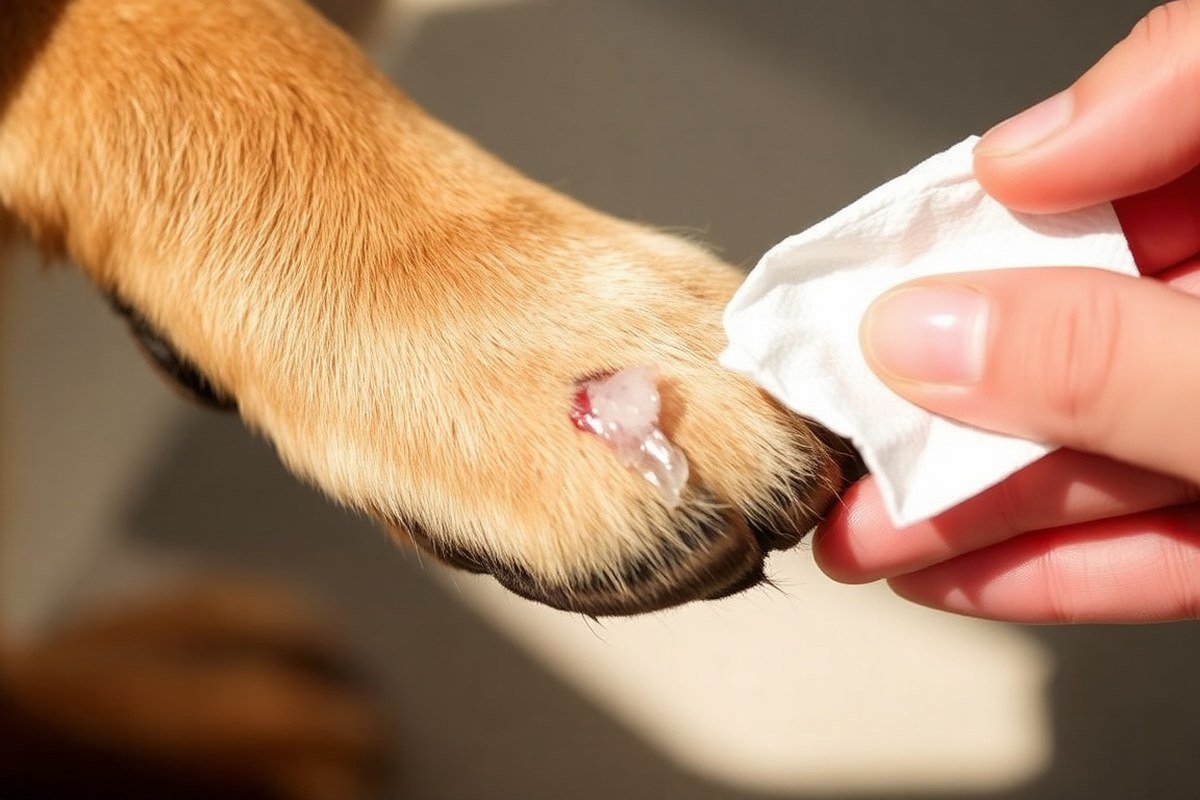
Can you put Neosporin on a dog? Yes, you can cautiously apply Neosporin to minor dog wounds, but only after consulting your veterinarian. Applying a thin layer on small, clean cuts or scrapes may help prevent infection, but avoid ingestion by your dog. Always clean the wound gently with sterile saline before using any topical antibiotic.
Key Takeaways
- Always check with your veterinarian before using Neosporin on your dog to ensure it’s suitable for the wound.
- Clean your dog’s wound with sterile saline before applying any ointment to reduce infection risk.
- Prevent your dog from licking the treated area by using an Elizabethan collar or wrapping the wound.
- Monitor your dog for signs of gastrointestinal upset within 6 to 12 hours after Neosporin use due to ingestion risk.
- Do not use products containing hydrocortisone on dog wounds without veterinary approval, as it may cause harm.
- Consider safer, veterinary-approved alternatives like 2% chlorhexidine solution for effective wound cleaning.
Is Neosporin Safe and Appropriate for Dog Wounds?
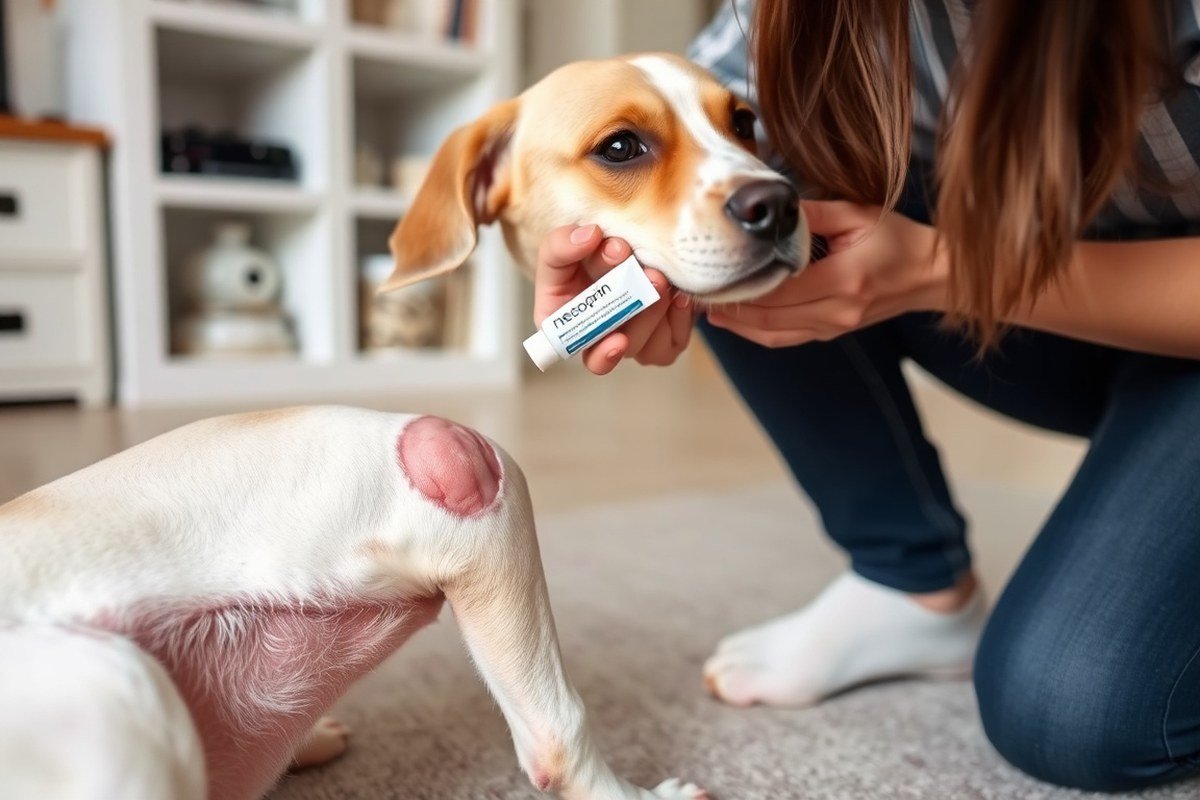
Neosporin is an over-the-counter antibiotic ointment designed to prevent bacterial infections in minor cuts, scrapes, and burns. For dogs, using Neosporin on a Superficial, minor wound can be safe when applied correctly and sparingly. Veterinarians generally agree it may help reduce the risk of infection for small, clean wounds, but it should not be the first response for anything more serious or deeper than a surface scratch.
Applying a thin layer of Neosporin to your dog’s wound once or twice a day is recommended. Use only the smallest amount necessary to cover the affected area to avoid irritation or ingestion risks. Prevent your dog from licking the ointment by wrapping the wound lightly or using an Elizabethan collar, as licking can lead to stomach upset or reduce the medication’s effectiveness.
Neosporin should be avoided on Deep wounds, puncture injuries, bite wounds, or any wounds showing signs of swelling, redness, or discharge. These conditions require professional veterinary assessment to prevent complications that a topical antibiotic alone cannot address. The ointment’s safety depends on the wound’s condition, how the medication is applied, and whether the dog can be prevented from licking it off.
If you’re unsure whether Neosporin is right for your dog’s wound, contacting your veterinarian is the best course of action. Lane Veterinary and many other clinics can assess the situation and recommend whether Neosporin or a veterinary-approved alternative is appropriate. Using Neosporin responsibly involves careful wound cleaning, proper application, and monitoring for signs that veterinary care is needed.
Risks of Neosporin for Dogs: Licking, Toxicity, and Allergies
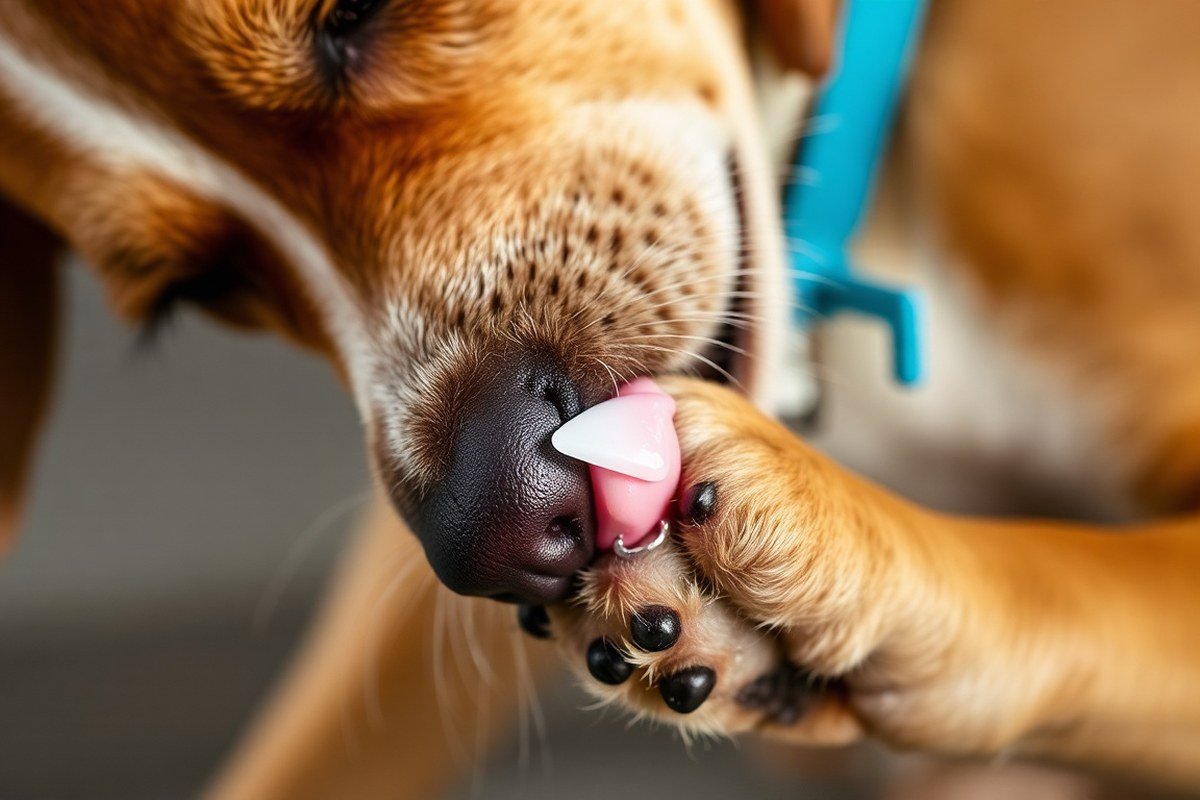
Neosporin can pose risks to dogs if it’s ingested or if they develop an allergic reaction. The main worry is that ingredients like neomycin and polymyxin B are toxic to dogs when swallowed in large amounts. Even small doses can upset your dog’s stomach and gut flora, causing symptoms such as vomiting or diarrhea, usually within 6 to 12 hours after ingestion. Although serious poisoning is rare, you should prevent your dog from licking the ointment and consuming it whenever possible.
When dogs lick Neosporin off a wound, the healing process can be disrupted. Licking not only removes the medication but also introduces bacteria from the mouth that may cause further infection or irritation. Applying Neosporin on a location your dog can easily reach increases the chance they will lick the area, so try to cover or bandage treated wounds if needed. Using an Elizabethan collar or other barriers can help reduce licking and improve wound healing.
Allergic reactions to Neosporin ingredients also occur in some dogs. Signs include redness, swelling, itching, or hives around the treated area. Dogs with sensitive skin or a history of allergies are more likely to react. Stick to the original Neosporin formula only, since additives like pramoxine can cause additional adverse effects. You should stop using Neosporin right away if you notice any irritation or swelling after applying it.
Watch for vomiting, diarrhea, lethargy, loss of appetite, or increased redness if your dog licks Neosporin or has an allergic reaction. Contact your veterinarian promptly if these symptoms appear. A simple checklist to follow after applying Neosporin includes checking the wound site for swelling or redness, monitoring your dog’s behavior over the next 12 hours, preventing licking through physical barriers, and calling your vet if your dog seems unwell or the wound worsens. Taking these steps helps keep your dog safe while managing minor wounds.
Better Alternatives and Veterinary-Approved Dog Wound Care Products
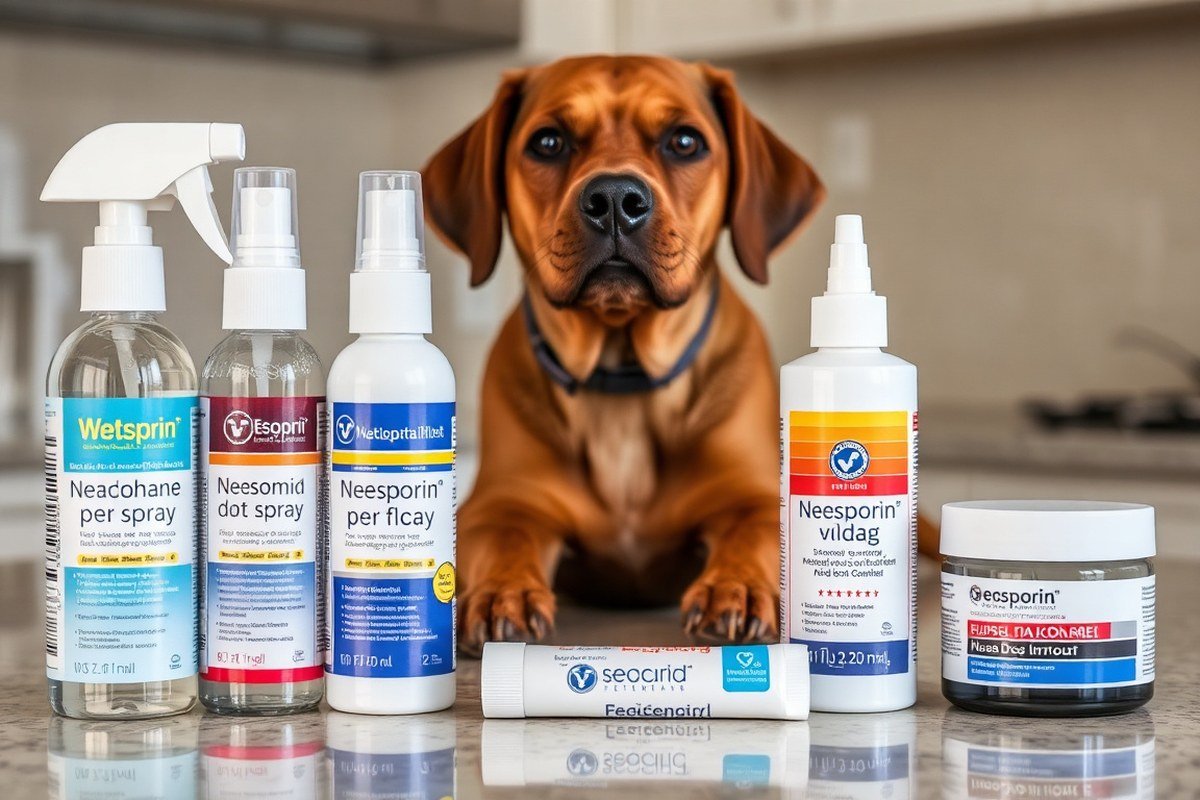
Dog-specific wound care products offer safer and often more effective options compared to Neosporin. Neosporin contains ingredients that may irritate a dog’s skin or cause allergic reactions. Dogs also tend to lick off ointments, which can increase the risk of ingesting potentially harmful substances. Vets typically prefer alternatives designed specifically for canine skin and wound healing needs.
Products like Chlorhexidine sprays or wipes serve as antimicrobial agents that clean wounds without the risk of toxicity found in some human ointments. They are easy to apply, usually costing between $10 and $20 for a spray bottle and can be used daily to manage minor cuts. Silver-based wound care products provide antibacterial action and support moist wound healing, which speeds recovery and reduces scarring. These may come in gels or dressings and are slightly more expensive, often around $20 to $40.
Sterile saline solution is an accessible and low-cost option for flushing wounds. A 500 ml bottle typically costs $3 to $5 and can be safely used multiple times a day to keep wounds clean. Hydrogel dressings are another option if your dog tolerates bandages; they relieve pain and protect the area while promoting moisture balance in the wound. These dressings cost $10 to $30 depending on size and brand.
| Product | Description | Typical Cost | Usage |
|---|---|---|---|
| Neosporin | Human antibiotic ointment; risk of irritation and ingestion | $5, $10 | Use only if vet recommends, with licking prevention |
| Chlorhexidine spray/wipes | Antimicrobial cleaning, safe for dogs | $10, $20 | Apply daily to clean wound |
| Silver-based wound products | Antibacterial, supports moist healing | $20, $40 | Apply as directed, often under bandage |
| Sterile saline solution | Wound flushing, gentle and safe | $3, $5 | Flush wound 1, 2 times daily |
| Hydrogel dressings | Moist wound care with pain relief | $10, $30 | Use under bandage if tolerated |
Many veterinarians avoid recommending Neosporin routinely because the risk of licking and ingestion can outweigh the benefits. They often suggest a dog-specific topical antibiotic or simple cleansing with chlorhexidine or saline. Proper application includes gently cleaning the wound first, then applying the chosen product according to label or veterinary directions. Preventing your dog from licking the wound with an Elizabethan collar or bandage increases effectiveness and reduces the chance of complications.
Step-by-Step Guide to Properly Clean and Care for Your Dog’s Minor Wounds
Start caring for your dog’s minor wound by gently cleaning the area with warm water and a mild, dog-safe soap to remove dirt and debris. Avoid harsh chemicals or alcohol, which can irritate the skin and delay healing. After rinsing thoroughly, pat the wound dry with a clean cloth or sterile gauze. Applying a thin layer of Neosporin can help prevent infection in small, superficial scrapes, but only if your veterinarian approves its use on your dog.
To apply Neosporin safely, use just a pea-sized amount and spread it lightly over the wound without rubbing it in aggressively. Covering the wound with a breathable, sterile bandage can protect the area from dirt and bacteria while helping keep the ointment in place. Change the bandage daily or if it becomes wet or dirty, making sure the skin stays dry and clean to promote faster healing.
Preventing your dog from licking the treated wound is important because licking can remove the ointment and introduce new bacteria, risking infection. An Elizabethan collar (E-collar) is usually the best approach to stop persistent licking. Depending on the wound’s location, a snug bandage or protective sleeve can also discourage your dog from reaching it. Monitor the wound daily, and if redness, swelling, or discharge develops, consult your veterinarian promptly.
Remember, this routine applies to minor wounds like small scrapes or shallow cuts that close naturally. Deep, puncture, or bite wounds require professional veterinary attention. Keeping your dog calm and preventing them from interfering with the treated site facilitates proper healing and reduces the chance of complications.
When to See a Veterinarian: Warning Signs and Special Considerations
Take your dog to a veterinarian immediately if the wound is deep, gaping open, or continues to bleed steadily. Other warning signs include visible fat or muscle, swelling that grows, pus or foul-smelling discharge, and redness spreading away from the injury. When the wound worsens or doesn’t improve within two to three days, or your dog becomes lethargic, loses appetite, or develops a fever, seek professional care right away. A vet can determine if stitches or prescription antibiotics are necessary.
Puppies and senior dogs are more vulnerable to infections and may react differently to topical treatments like Neosporin. The immune systems in puppies are still developing, while older dogs often have slower healing and underlying health issues. These groups need extra caution because an allergic reaction or toxicity from ingredients in Neosporin could happen more easily. Always discuss any wound care products with your veterinarian before use in these dogs.
A good decision rule is to use home treatment only for small, clean, surface wounds that stop bleeding quickly and don’t show signs of infection. Keep wounds in sensitive areas such as near the eyes, genitals, or large joints under veterinary supervision because these areas can have more complications or require special care. Follow a checklist: look for wound depth, continuous bleeding, spreading redness, discharge, and your dog’s overall behavior and health. When any box is checked, make sure to arrange for a veterinary evaluation. This approach helps avoid delays in care that could lead to more serious problems.
Understanding Healing Timelines and Cost Considerations for Dog Wounds
Minor wounds on dogs, such as small cuts or scrapes, usually heal within 7 to 10 days when properly cared for. Healing time varies depending on the wound’s size, location, cleanliness, and your dog’s overall health. For example, wounds on areas with more movement, like joints, typically take longer to heal. Younger, healthier dogs also recover faster than older or immunocompromised ones. During this period, keeping the wound clean and preventing your dog from licking it is essential to avoid infection or irritation.
Using Neosporin on dog wounds does not typically delay healing if applied correctly, but dogs tend to lick the area, potentially causing ingestion and stomach upset. Licking can also irritate the wound and slow recovery. Protecting the wound with a bandage or an e-collar helps prevent this behavior. Avoid using products like alcohol, witch hazel, or tea tree oil, which can harm the tissue and prolong healing.
When comparing costs, treating minor wounds at home with basic supplies such as saline solution, gauze, antiseptic wipes, and bandages often costs under $20 initially. This setup covers most small wounds effectively if you follow proper cleaning and monitoring steps. In contrast, a veterinary visit for minor wound care, including an exam, cleaning, and basic treatment, typically ranges from $75 to $150, according to industry averages. Emergency or complex wound care costs may rise considerably.
Good healing results show gradual reduction in redness and swelling, no discharge, and new hair growth over the wound. If the wound remains red, swollen, or oozing after a week, or your dog seems in pain or lethargic, consult a veterinarian promptly. This avoids complications and may require prescription medications or advanced care.
Step-by-Step Action Plan for Treating Your Dog’s Minor Wounds
Follow these steps to care safely and effectively for your dog’s minor wound, avoiding unnecessary risks from products like Neosporin.
- Before you start: Gather clean water, sterile gauze, a mild dog-friendly antiseptic, and a clean towel.
- Day 1: Gently rinse the wound with lukewarm water to remove dirt. Dry carefully without rubbing. The area should look visibly cleaner.
- Day 1: Apply a thin layer of a veterinarian-approved dog wound ointment. Avoid human Neosporin products, as they may cause allergies or toxicity.
- Day 2 to 5: Check the wound twice daily. Clean again if needed and reapply the ointment. Healing signs include reduced redness and swelling.
- Day 3 or if worsening: Prevent your dog from licking the area, using an Elizabethan collar if necessary. Persistent licking delays healing.
- After 5 days: Observe the wound closely. It should show new tissue growth or a scab forming without excessive discharge or odor.
- After 7 to 10 days: If the wound is not noticeably healed or looks infected, arrange a veterinary exam promptly.
Frequently Asked Questions
Can You Put Neosporin on a Dog’s Cut Safely?
You can apply a thin layer of Neosporin on minor dog cuts, but avoid letting your dog lick it due to ingestion risks like stomach upset. Always consult your vet first to ensure it’s appropriate for your dog’s specific wound.
Is It Harmful If My Dog Licks Neosporin Off Its Wound?
Yes, licking Neosporin can irritate your dog’s stomach and cause vomiting. Use a bandage or an Elizabethan collar to prevent licking while the ointment works.
How Much Neosporin Should I Apply to My Dog’s Wound?
Apply just a thin smear of Neosporin on the wound. Using too much can increase the risk of your dog licking off a harmful amount.
Can Neosporin Cause Allergic Reactions in Dogs?
Dogs can develop allergies to Neosporin, showing redness, swelling, or itching. Stop use and contact your vet if you see signs of irritation.
When Should I Avoid Using Neosporin on My Dog?
Avoid Neosporin on deep wounds, large areas, or if your dog has known allergies. Veterinary guidance is best in these cases.
Wrapping Up
Using Neosporin on your dog’s wounds is generally not recommended due to risks like toxicity from licking or allergic reactions. Instead, select dog-specific wound care products and follow careful cleaning routines. When you notice any signs of infection or poor healing, contact your veterinarian for advice tailored specifically to your dog’s needs. This approach keeps your pet safe and supported through recovery.