
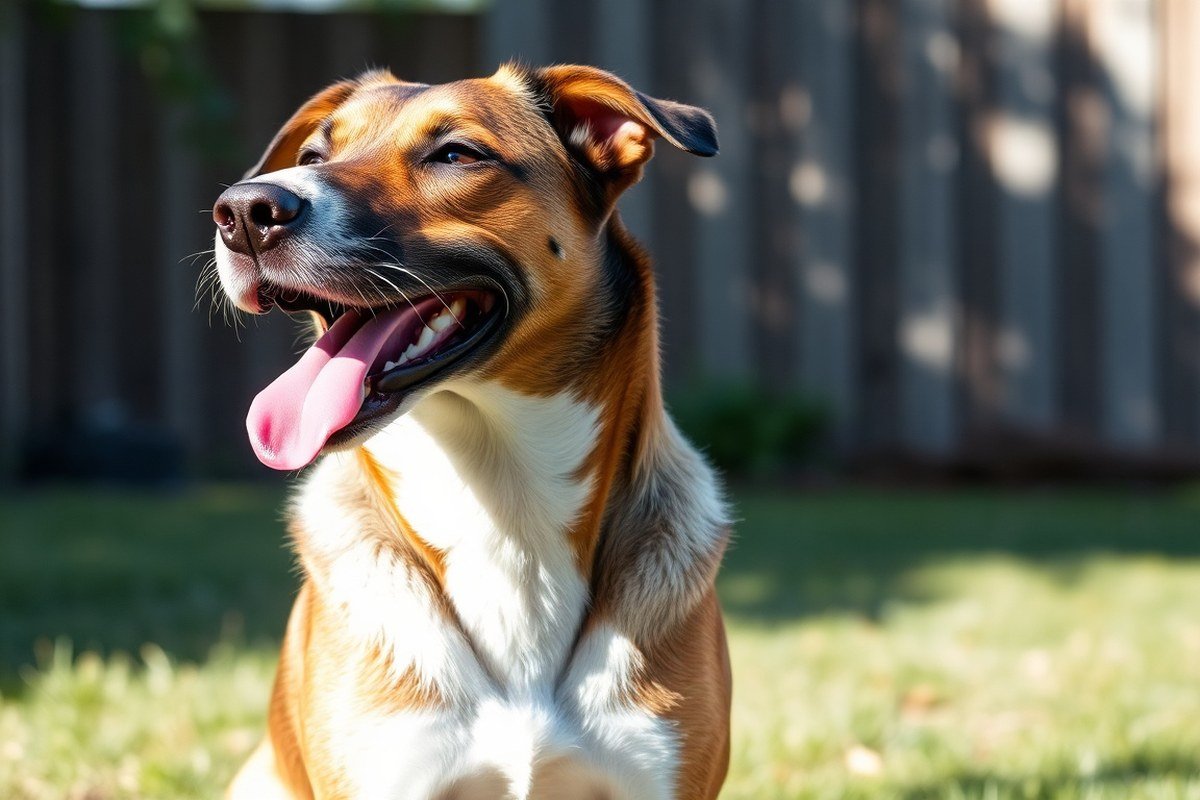
Why Is My Dog Breathing Heavy? Expert Causes, Signs & When to Act
Why is my dog breathing heavy? Heavy breathing in dogs often results from heat, excitement, or exercise and usually normalizes within 10 to 15 minutes of rest. If your dog’s resting breathing rate exceeds 30 breaths per minute, or you notice labored breathing or a bluish gum tint, seek veterinary care immediately.
Key Takeaways
- A healthy resting dog usually breathes between 12 and 24 times per minute.
- Heavy breathing that settles within 15 minutes of rest commonly indicates no serious problem.
- Keep dogs cool and avoid outdoor exposure when temperatures reach 90°F or higher.
- Monitor your dog’s gums; blue or pale gums signal urgent medical attention is needed.
- Rapid breathing over 30 breaths per minute while at rest warrants immediate vet consultation.
- Don’t leave dogs unattended in cars, even if outside temperatures seem mild.
Why Is My Dog Breathing Heavy? Understanding the Causes

Heavy breathing in dogs can happen for many reasons, some normal and others that need attention. Dogs often breathe heavily after exercise, play, or when it’s warm outside. This type of heavy breathing, called panting, helps them cool down and catch their breath. Usually, they return to a normal breathing rate within 10 to 15 minutes after resting.
At rest, heavy breathing may still occur due to stress or anxiety. Dogs can become anxious from loud noises, changes in their environment, or separation from their owners. This reaction raises their breathing rate temporarily but usually settles once the dog calms down.
Not all heavy breathing is harmless. Medical conditions like congestive heart failure, lung diseases, or thyroid issues can cause heavy breathing even when your dog is resting or calm. Older dogs are at higher risk for such problems. These conditions affect how well your dog can take in oxygen, leading to persistent heavy or labored breathing, which is a sign you should contact your veterinarian.
Heat is a common cause of heavy breathing too. Since dogs sweat primarily through panting, temperatures above 85°F (29°C) can trigger this response to cool off. Prolonged exposure to heat or exercise in hot weather can make breathing heavy and may lead to heatstroke if it continues. If your dog breathes heavily after heat exposure or stress but then recovers after 10 to 15 minutes of rest in a cool place, that is normal.
Heavy breathing without any clear reason, like no recent exercise, heat, or stress, may suggest a health problem. Monitoring your dog’s pattern and whether other symptoms like coughing, pale gums, or lethargy appear matters. Persistent heavy breathing while resting is often a signal to consult a vet to check for underlying illnesses.
How to Tell Normal vs Abnormal Breathing in Dogs

Your dog’s normal resting breathing rate generally falls between 12 and 24 breaths per minute, though most healthy adults average around 15 to 30. Smaller dogs naturally breathe faster, but their rates should stay near these limits. Breeds with flat faces, such as pugs and French bulldogs, may take shallower breaths but still keep within this range.
To measure your dog’s breathing rate accurately, first ensure your dog is calm and resting quietly, ideally sleeping or lying down. Count each full breath cycle, where the chest rises and falls once, for 15 seconds. Multiply the number of breaths counted by 4 to get the breaths per minute. For example, if you count 8 breaths in 15 seconds, your dog is breathing 32 times per minute.
Breathing rates above 35 to 40 breaths per minute at rest or during sleep are concerning, especially if persistent longer than 10 to 15 minutes after your dog has cooled off or calmed down. You should observe whether the heavy breathing resolves when your dog rests in a cooler, quiet spot. Rapid breathing during deep sleep can sometimes happen briefly, but if it continues or is combined with labored breathing, pale or blue gums, or open-mouth breathing while resting, you should seek veterinary care immediately.
Watch for breathing that does not slow after resting, or episodes that occur repeatedly without obvious triggers like exercise or heat. Improve respiratory rates during rest might indicate underlying problems such as respiratory disorders, heart issues, or other health concerns requiring a vet’s evaluation. Keeping track of your dog’s baseline breathing rate helps you notice changes promptly and protect your pet’s health.
Common Medical Conditions That Cause Heavy Breathing

Common medical conditions can cause heavy breathing in dogs, and recognizing the type helps you understand urgency and treatment. Respiratory diseases such as bronchitis, pneumonia, kennel cough, and lungworm infections usually cause rapid, labored breathing often accompanied by coughing, nasal discharge, or fever. Pneumonia, for example, often brings fluid build-up in the lungs, making your dog breathe harder and sometimes requiring oxygen therapy. These respiratory issues are often urgent but frequently treatable with antibiotics, antiparasitics, or supportive care.
Heart diseases result in a different breathing pattern. Dogs with cardiac problems often show heavy breathing even at rest or during sleep. This may be accompanied by coughing, weakness, or fainting. Conditions like congestive heart failure cause fluid to accumulate around the lungs, limiting oxygen exchange and causing distress. These situations demand quick veterinary attention since untreated heart disease can worsen rapidly.
Airway obstructions and collapsing trachea produce distinctive signs. Dogs struggling with airway blockage may gag, choke, or exhibit a honking cough, especially small breeds like Yorkshire Terriers or Pomeranians. You should suspect a collapsing trachea if your dog’s breathing worsens with excitement or exercise. This condition often causes noisy, heavy breathing but progresses slowly, though severe cases need medical or surgical intervention.
Age and breed influence the causes of heavy breathing. Older dogs are more prone to heart disease and degenerative conditions, while younger dogs may suffer more from infections or parasites. Medium to large breeds tend to develop dilated cardiomyopathy, whereas brachycephalic breeds like Bulldogs experienced airway obstruction more frequently. The respiratory rate exceeding 30 breaths per minute at rest typically signals an underlying problem regardless of breed or age.
| Condition | Common Signs | Urgency |
|---|---|---|
| Respiratory Infection (Pneumonia, Kennel Cough) | Coughing, nasal discharge, fever, rapid breathing | Moderate to high |
| Heart Disease (Congestive failure) | Heavy breathing at rest, coughing, weakness | High |
| Airway Obstruction/Collapsing Trachea | Honking cough, gagging, noisy breathing | Moderate to high |
| Parasitic Lung Infection (Lungworm) | Lethargy, difficult breathing | Moderate |
Recognizing Emergency Signs in Dogs Breathing Heavy
Recognizing emergency signs in dogs breathing heavy is essential to protect your pet’s health. Heavy breathing becomes an emergency when it’s persistent, labored, or comes with additional alarming symptoms. For example, watch for a resting respiratory rate above 40 breaths per minute, which may signal distress. Also, check your dog’s gums, the normal color is pale coral pink. Blue or pale gums indicate oxygen deprivation and require immediate care.
Some breathing noises signal urgent problems. Loud wheezing, high-pitched whistling, or coughing during heavy breathing may mean airway obstruction or inflammation. These signs need veterinary attention without delay. Changes in behavior such as weakness, collapse, or vomiting combined with heavy breathing demand an emergency veterinary visit.
- Look for labored breathing with exaggerated chest movements or flared nostrils
- Count your dog’s resting breaths; over 40 breaths per minute is concerning
- Check gum color; blue or white gums signal an emergency
- Listen for wheezing, continuous coughing, or choking sounds
- Note any collapse, severe weakness, or sudden behavior changes
- Assess for vomiting or abdominal swelling along with heavy breathing
- If heavy breathing occurs without exercise, heat, or obvious stress, seek help
Use this emergency checklist decision rule: monitor breathing rate, inspect gums, observe noises, and watch for behavior changes. Acting quickly can prevent your dog’s condition from worsening. Taking your dog to an emergency vet promptly when these signs appear can save their life and reduce complications. Keep a daily log of your dog’s normal breathing patterns to spot deviations early, making it easier to decide when immediate medical care is needed.
Home Care Tips to Help a Dog Breathing Heavy Safely
To help your dog breathing heavily at home, focus on reducing stress, lowering body temperature, and ensuring they stay hydrated. Start by moving your dog to a cool, well-ventilated area, out of direct sunlight. Use a fan or damp cloth to cool their paws and belly, but avoid ice-cold water which can cause shock. Offer fresh, cool water frequently to prevent dehydration, which can worsen breathing issues. These steps are especially important if heat or mild illness triggers your dog’s heavy breaths.
Obesity can make heavy breathing worse by putting extra strain on your dog’s heart and lungs. If your dog is overweight, working with your vet on a safe diet and exercise plan can improve their breathing over time. Avoid intense exercise or overheating, as these put added stress on their respiratory system.
Some techniques might seem helpful but could actually harm your dog. Never force water down their throat or let them overexert themselves. Don’t ignore worsening symptoms like blue gums, persistent coughing, or difficulty breathing, as these require immediate veterinary care. Also, avoid stressful situations or loud environments to prevent anxiety-induced heavy breathing.
- Move your dog to a cool, shaded space immediately
- Use a damp cloth on paws and belly to gently cool them
- Offer small amounts of fresh water frequently
- Limit physical activity until breathing normalizes
- Monitor breathing rate, normal is 10 to 30 breaths per minute at rest
- Avoid ice baths or extremely cold water
- Consult a vet if heavy breathing lasts more than 10 minutes or worsens
Maintain a calm environment and watch for recurring heavy breathing patterns linked to stress. Behavioral training may help dogs prone to anxiety-driven breathing changes, but professional guidance is best. Following these home care steps helps manage symptoms safely and supports recovery while you arrange for veterinary evaluation if needed.
What to Expect When You Take Your Dog to the Vet for Heavy Breathing
When you take your dog to the vet for heavy breathing, expect a thorough physical exam first, focusing on lung and heart sounds. The vet will likely ask about your dog’s recent activity, environment, and any additional symptoms like coughing or drooling. Diagnostics commonly include chest X-rays to check for fluid buildup or lung problems and blood tests to rule out infections or other illnesses. Oxygen saturation may also be monitored to assess how effectively your dog is breathing.
The diagnostic process usually takes a few hours at the clinic, depending on which tests are needed. Blood work results can take several hours to a day, so treatment might start based on initial findings and be adjusted later. In some cases, especially if fluid buildup around the heart or lungs is suspected, monitoring your dog’s sleeping respiratory rate becomes part of the ongoing evaluation since heavy breathing at night often points to cardiac issues.
Treatment options vary based on the diagnosis but frequently include medications like diuretics for fluid removal, antibiotics for infections, or bronchodilators for airway issues. Some dogs might need supplemental oxygen if their blood oxygen levels are low. Mechanical ventilation is usually reserved for severe cases where a dog cannot breathe on its own or maintain adequate oxygenation despite other treatments. This intervention requires specialized equipment and might only be available in emergency or specialty veterinary hospitals.
Following the initial treatment, your vet will advise a monitoring plan. This often involves checking your dog’s breathing rate at rest and during sleep and watching for any worsening symptoms. Monitoring at home combined with veterinary check-ups helps catch any changes early, improving your dog’s chance of recovery and lowering the risk of complications.
Step-by-Step Action Plan for Heavy Breathing in Dogs
Use this plan to quickly assess your dog’s breathing and take safe, effective steps to address the issue.
- Right Now: Observe your dog’s breathing rate and effort. Count breaths for 15 seconds and multiply by four; a rate above 40 breaths per minute or labored breathing signals a need for immediate vet care.
- Within 1 Hour: Check the environment for heat, stress, or possible allergens. Move your dog to a cool, calm area and see if breathing eases within 30 minutes.
- In 1 to 3 Hours: Provide fresh water and encourage rest. Heavy breathing that persists even at rest can indicate an underlying condition requiring a vet visit.
- By Day 1: Record any additional symptoms such as coughing, pale gums, or weakness. Share these details with your vet for an accurate diagnosis.
- Within 24 Hours: Schedule a veterinary exam if breathing remains heavy or worsens, especially if your dog shows signs of distress or lethargy.
- After Vet Visit: Follow prescribed treatment and monitor your dog closely. Improvement in breathing and energy levels means the plan is working.
- Ongoing: Keep track of your dog’s breathing patterns to catch future issues early. Contact your vet promptly if heavy breathing returns or new symptoms appear.
Frequently Asked Questions
Can Stress or Anxiety Cause My Dog to Breathe Heavy?
Yes, stress and anxiety can cause heavy breathing due to increased adrenaline. Watch for other signs like pacing or whining that indicate your dog is scared or stressed.
Does Heavy Breathing Always Mean My Dog Has a Fever?
No, heavy breathing doesn’t always mean your dog has a fever. Dogs may breathe heavily if they are excited, overheated, or have respiratory issues. Check your dog’s temperature to confirm a fever.
Can Heavy Breathing in Dogs Be a Sign of Pain?
Yes, heavy breathing can indicate pain, especially if your dog also shows restlessness or whimpering. Pain can affect breathing patterns, so consult your vet if pain is suspected.
Should I Limit Exercise If My Dog Breathes Heavy Afterward?
Yes, limit exercise if heavy breathing persists at rest after activity. Ensure your dog cools down properly and monitor for signs of labored breathing or fatigue.
Is Heavy Breathing Normal for Brachycephalic Dog Breeds?
Heavy breathing is common in brachycephalic breeds due to their short noses. However, labored or noisy breathing warrants veterinary checkups to rule out airway obstruction.
Key Points to Remember
Your dog’s heavy breathing can signal anything from simple overheating to serious health issues. Trust your observations and act quickly when signs suggest a problem. Calling your vet early helps ensure your dog gets the care needed for a healthier, more comfortable life.