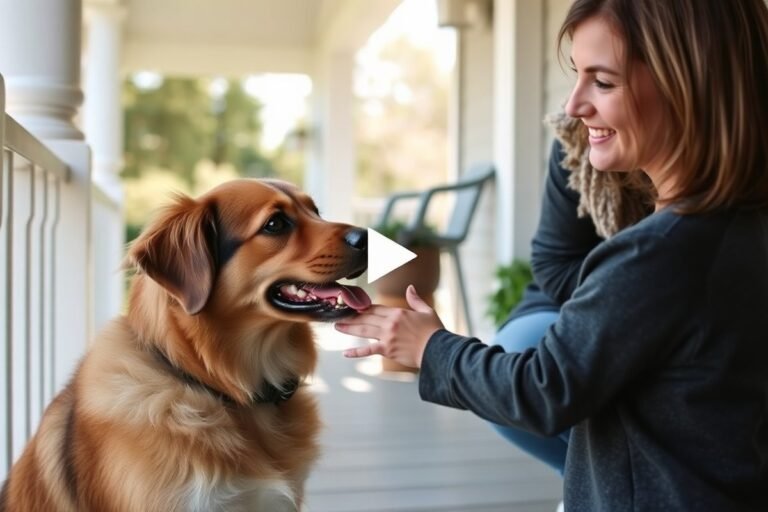

Why Shih Tzu Are the Worst Dog: Real Reasons and Care Tips
Why Shih Tzu are the worst dog can relate to their high maintenance and stubborn nature. Their grooming demands and health issues require significant time and money. Starting with daily brushing helps prevent tough matting and cuts down on costly professional grooming sessions.
Key Takeaways
- Brush your Shih Tzu’s coat daily to avoid painful mats and reduce grooming expenses.
- Plan for professional grooming every 4 to 6 weeks to maintain coat health.
- Expect training sessions to be challenging due to the breed’s stubborn temperament.
- Prepare for regular dental, eye, and ear care to address common health problems.
- Limit exercise to moderate daily walks and play, matching their low energy levels.
- Budget between $500 and $1,500 annually for food, grooming, vet visits, and occasional surgery.
Why Are Shih Tzus Often Called the Worst Dog?

Many owners find Shih Tzus challenging because of their stubborn and independent nature. This often makes training difficult, especially for first-time dog owners who expect quick obedience. Shih Tzus may ignore commands or become distracted easily, requiring patient, consistent, and gentle training techniques. Without this kind of approach, frustration can build quickly, making the breed seem unmanageable.
Behavioral issues like excessive barking and separation anxiety also contribute to their negative reputation. Shih Tzus are known to be alert and can bark at noises or strangers, which can become excessive if not addressed early. Their strong attachment to owners sometimes leads to destructive behaviors when left alone for extended periods, demanding significant time investment to provide companionship or proper mental stimulation.
Their grooming needs, while discussed elsewhere, indirectly add to the perception of difficulty, since unkempt coats can trigger discomfort and irritability in the dog, worsening behavioral problems. Many owners underestimate the daily brushing and monthly grooming costs, which can reach $50 to $90 per session depending on the groomer and dog’s condition. The high maintenance required can frustrate those unprepared for the commitment.
Housebreaking is another common hurdle. Shih Tzus are known to be slow learners in this area, often needing weeks to months of patient reinforcement, accidents, and vigilance. This slow progression can lead to negative judgments about their trainability, despite it being a characteristic seen in several small breeds rather than unique to Shih Tzus. Despite these challenges, many owners overlook the loyalty and adaptability these dogs possess. However, owners who lack time, patience, or experience might find the combination of stubbornness, vocal tendencies, and grooming demands overwhelming, leading to the breed’s unfair label as the “worst dog.”
Understanding the Grooming Demands of Shih Tzus

Shih Tzus need daily grooming to keep their thick, long coats healthy and free from painful mats and tangles. Skipping daily brushing often leads to matting, which can require costly and stressful professional grooming to shave the coat down and start over. Setting aside at least 10 to 15 minutes each day to brush your Shih Tzu helps avoid these problems and keeps the coat clean and shiny.
Daily grooming involves gently brushing the fur to remove loose hair and prevent tangles, checking and cleaning the eyes and ears, and wiping the face to avoid tear stains. Professional grooming typically happens every 4 to 6 weeks to trim the coat, cut nails, and clean the ears thoroughly. Those sessions generally take between one to two hours depending on the dog’s coat condition.
- Daily brush with a slicker brush and metal comb: 10, 15 minutes
- Weekly face, ear, and eye cleaning with pet-safe wipes
- Professional grooming every 4 to 6 weeks
- Professional grooming cost: $50 to $90 per session, varying by location
- At-home grooming tools: slicker brush ($10, $20), comb ($5, $15), nail clippers ($10, $20), pet shampoo ($10, $20)
| Grooming Option | Frequency | Approximate Cost | What It Includes |
|---|---|---|---|
| Daily Home Brushing | Daily | Low (price of tools) | Prevent mats, remove loose hair |
| Professional Grooming | Every 4-6 weeks | $50, $90 | Bath, trim coat, clean ears, nail trim |
| Shaving Matted Coat | As needed | $70, $100 | Remove severe mats, reset coat growth |
Consistent grooming keeps the Shih Tzu comfortable and prevents skin infections caused by matting. Owners who skip daily care often find themselves facing expensive salon visits or painful shaving of the coat. If you have limited time or budget, be ready for the potential costs and challenges of maintaining this high-maintenance breed’s signature look.
Why Shih Tzus Can Be Stubborn and Hard to Train

Shih Tzus are known for their stubborn streak, which can make training a lengthy and sometimes frustrating process compared to other small breeds. This trait means they might ignore commands or show less eagerness to please, requiring consistent and patient guidance. Housebreaking a Shih Tzu often takes longer, expect several weeks to a few months before they fully grasp where and when to relieve themselves.
Effective training focuses on positive reinforcement, gentle corrections, and clear routines. Using harsh or inconsistent methods can cause Shih Tzus to shut down or resist further training. Avoid common mistakes such as raising your voice or losing patience, as these only reinforce stubborn behavior. Setting a predictable schedule and rewarding good behavior helps your dog understand expectations over time. Here’s a step-by-step training approach to manage stubborn behavior and improve obedience:
- Establish a consistent routine for feeding, potty breaks, play, and training sessions. Shih Tzus respond well to predictability.
- Use positive reinforcement like treats, praise, or playtime immediately after your dog completes a desired behavior or obeys a command.
- Keep training sessions short but frequent, around 5 to 10 minutes multiple times a day, to hold their attention without frustration.
- Introduce a clear command for each action you want, such as “sit” or “come,” and reward compliance right away.
- Redirect unwanted behavior gently but firmly, avoiding harsh punishments. For example, if your Shih Tzu jumps up, calmly ask for “sit” instead.
- Supervise closely during housebreaking to catch accidents early. Take your dog outside every 2 hours and after meals or naps.
- Be patient and consistent for several weeks, understanding setbacks are normal with this breed’s personality.
This approach helps build trust and clear communication, important for overcoming the Shih Tzu’s stubborn side. Results vary depending on the dog’s individual temperament and your consistency but expect noticeable progress after a month of steady effort.
Health Issues That Make Caring for Shih Tzus Tough
Shih Tzus often face several hereditary health problems that complicate their care and can lead to high veterinary expenses. Common issues include respiratory problems caused by their short snouts, which can make breathing difficult especially during hot or humid weather. Regular monitoring for labored breathing or excessive snorting is important. Eye conditions like dry eye, corneal ulcers, and cataracts occur frequently in this breed due to their prominent eyes. These problems may cause redness, discharge, or squinting, requiring veterinary treatment ranging from medicated eye drops to surgery.
Dental problems also affect Shih Tzus significantly. Their small mouths often cause teeth crowding and plaque buildup, leading to gum disease and tooth loss. Daily teeth brushing, along with professional cleanings every 6 to 12 months, helps prevent severe issues. Skin conditions such as allergies or infections appear often due to their dense coat and skin folds, requiring regular inspection and possible medicated baths or antibiotics.
Joint issues like hip dysplasia and patellar luxation (slipped kneecap) can affect their mobility and cause pain. You should watch for signs like limping or difficulty standing up. Early diagnosis through x-rays and possibly surgery improves outcomes but can be costly.
Monitoring your Shih Tzu closely for warning signs and consulting a vet promptly is key. Consult a veterinarian if you notice symptoms such as persistent eye discharge, breathing difficulties, swollen gums, hesitation to move, or skin irritations lasting more than a few days. Costs for eye treatments can range from $200 to $1,000 depending on severity, dental cleanings average $300 to $700, and surgeries for joint problems often exceed $1,000.
Managing these health issues demands continuous attention, time, and financial resources, which is part of why caring for Shih Tzus can be challenging. Early detection and routine vet visits every 6 to 12 months improve quality of life and help avoid emergencies.
Managing Shih Tzu’s Excessive Barking and Anxiety
Shih Tzus bark excessively due to their natural alertness and social nature. This breed often responds vocally to boredom, anxiety, or any unfamiliar sounds as a way to alert their owners. Excessive barking can become a habit especially when the dog gets attention, even negative attention, like yelling “quiet!”, for barking. Separation anxiety stems from their strong attachment to owners and dislike of being alone, which triggers stress behaviors, including barking and destructive actions.
Preventing and managing these behaviors involves creating clear boundaries and building your Shih Tzu’s independence. Start by providing enough mental and physical stimulation to reduce boredom, such as interactive toys and short play sessions of 15 to 20 minutes multiple times daily. Avoid rewarding barking with attention. Instead, teach a “quiet” command with gentle praise and treats when the dog stops barking. Gradual alone time training is key to ease separation anxiety.
- Give consistent daily exercise and mental games to lower restlessness
- Ignore barking as much as possible to avoid reinforcing it
- Use a command like “quiet” paired with calm rewards to train controlled barking
- Practice leaving your dog alone for increasing periods, starting at 5 minutes
- Set up a comfortable, secure space with familiar items for alone time
- Consider puzzle feeders or long-lasting chew toys during absence
- Seek professional help if anxiety or barking worsens despite efforts
Improvement may take weeks and requires patience. Success looks like fewer barking episodes and your Shih Tzu staying calm when alone. Problems occur if you accidentally reward barking or rush separation training, which can increase anxiety. Consistency and gradual changes provide the best outcomes for managing barking and anxiety in this vocal breed.
Time and Cost Considerations for Shih Tzu Owners
Owning a Shih Tzu demands a considerable amount of both time and money annually. Grooming alone requires daily coat care to prevent mats and tangles, which can take 15 to 30 minutes each day. On top of that, a professional grooming session including a bath, trim, and nail clipping typically costs around $80 and is recommended every 4 to 6 weeks. Choosing less frequent grooming can reduce costs but may lead to discomfort or skin issues for the dog. Daily exercise and play should also be factored in, requiring about 30 minutes to 1 hour each day for walks and interactive activities. Breaking down major cost categories over one year clarifies the financial commitment:
| Expense | Frequency | Approximate Annual Cost |
|---|---|---|
| Professional Grooming | Every 4-6 weeks (9-12 times/year) | $720 – $960 |
| Dog Food | Continuous | $250 – $500 |
| Routine Vet Visits | 1-2 times/year | $200 – $400 |
| Unexpected Vet Care | Occasional | $200 – $800 |
| Toys and Supplies | Varies | $100 – $200 |
To manage time and expenses efficiently, consider a decision tree for grooming frequency and services. For example, if you can commit to daily brushing at home, extend professional grooming to every 6 weeks. Otherwise, maintain a 4-week schedule for grooming to keep the coat healthy. Skipping professional grooming can lower costs but raises risks of skin problems and may increase time spent untangling fur. Some owners learn to groom at home, which saves money but requires investing in grooming tools and time to master techniques safely.
Allocating daily time for training and social interaction also affects your schedule. Shih Tzus respond well to consistent attention, but their stubborn nature means training sessions must be patient and persistent. Efficient time management and budget planning help provide the proper care a Shih Tzu needs without unexpected strain.
Is a Shih Tzu Right for Your Family and Lifestyle?
Shih Tzus can be good with kids, especially if they grow up together. However, very young children who don’t yet understand how to handle dogs gently might stress a Shih Tzu or cause accidents. You should carefully supervise interactions between your Shih Tzu and small children to prevent unintentional harm on either side. Consider how patient your family members are and if they can learn or already know the right way to care for a small, delicate dog.
Shih Tzus do best in households where daily time is available for grooming, attention, and regular walks. Their need for constant companionship and sensitivity means a busy, highly active lifestyle with long work hours can make it hard to meet their emotional needs.
- Consider your daily schedule: Can you spend at least 30 minutes on grooming and quality time?
- Do family members know how to handle small dogs gently?
- Is someone home often, or can you arrange for dog-sitting or daycare?
- Do you have a plan for loud barking or anxiety signs when your dog is left alone?
- Think about space: Shih Tzus adapt to apartments but need safe indoor areas to play.
- Assess if you can afford potential health care costs typical for the breed.
- Be ready to commit to training to manage stubborn behaviour.
Having very young children, irregular hours, or a tight budget for care calls for a more independent or lower-maintenance breed. Integrate a Shih Tzu with children by teaching gentle touch and supervising playtimes. Plan short, consistent walks adjusted to their stamina and avoid busy public spaces to reduce stress. Proper preparation improves how well a Shih Tzu thrives in your household and reduces frustration for all involved.
Your First Steps to Managing a Shih Tzu’s Challenges
Managing a Shih Tzu’s unique needs takes time and consistency. Follow this plan to address common issues early and improve your experience with the breed.
- Before Bringing Your Shih Tzu Home: Research local veterinarians who specialize in small breeds to prepare for health concerns. You’ll feel confident when you have a vet lined up.
- Day 1: Set up a regular grooming schedule, including daily brushing to avoid matting. Pets that tolerate grooming well show less frustration during sessions.
- Week 1: Begin basic training with short, positive sessions using treats to counter stubbornness. Your Shih Tzu responding to commands means you’re building good habits.
- Week 2: Introduce socialization gradually to reduce excessive barking and anxiety around new people or pets. A calmer dog during walks or visits shows progress.
- Month 1: Monitor your dog’s health closely for any breathing or eye problems typical of the breed. Early vet visits with no surprises confirm good care.
- Month 2: Reassess time and budget commitments for grooming and medical care. Maintaining consistency without stress keeps your routine manageable.
- Ongoing: Keep training and socialization consistent and reward calm behavior. A less stubborn, well-behaved Shih Tzu means your efforts are paying off.
Frequently Asked Questions
Why Do Some Say Shih Tzus Are the Worst Dog Despite Their Loyalty?
Some claim Shih Tzus are stubborn, but they’re actually loyal and affectionate companions. Their stubbornness often comes from strong will, not a lack of intelligence.
Are Shih Tzus Really Harder to Train Than Other Small Breeds?
Shih Tzus can be stubborn, which might make training slower, but with patience, they learn well. Consistent and positive training helps overcome their stubborn streak.
Do Shih Tzus Have More Health Problems Than Other Dogs?
Shih Tzus do face specific health issues, but careful care and regular vet visits manage these risks well. Preventive care is key to a healthy Shih Tzu.
Is the Shih Tzu’s Grooming the Main Problem for Owners?
Grooming can be demanding due to their long coat, but regular maintenance keeps them healthy and happy. Many owners opt for professional grooming to manage this easily.
Does the Shih Tzu’s Barking Cause Neighbor Complaints Often?
Shih Tzus can bark more, but training and socialization reduce excessive noise. Teaching quiet commands helps maintain peace at home and beyond.
Final Thoughts
Shih Tzus can be difficult dogs for some owners because of their grooming needs, stubborn nature, and health issues. Recognizing these challenges helps you decide if this breed fits your lifestyle. Starting with small, consistent steps toward training and care will make living with a Shih Tzu more manageable and rewarding.