Why Is My Dog Throwing Up Yellow? Causes, Risks, and What to Do
Why is my dog throwing up yellow? This usually means your dog is vomiting bile, a digestive fluid that appears yellow. It often happens when the stomach is empty for too long or due to mild stomach irritation. To help your dog, try adjusting their feeding schedule to include smaller, more frequent meals and monitor their symptoms closely.
Key Takeaways
- Vomiting yellow bile often indicates an empty stomach or mild irritation, so avoid long fasting periods for your dog.
- Feed adult dogs smaller meals every 6 to 8 hours to prevent bile build-up and reduce vomiting.
- If your dog vomits yellow bile twice within 24 hours, schedule a veterinary consultation promptly.
- Watch for urgent symptoms like blood in vomit, repeated vomiting, lethargy, or signs of pain, these require emergency care.
- Keep a detailed log of your dog’s vomiting episodes, diet changes, and any new symptoms to share with your vet.
- Never fast puppies, tiny breeds, or diabetic dogs; they need consistent nutrition to avoid serious complications.
Why Is My Dog Throwing Up Yellow Bile?
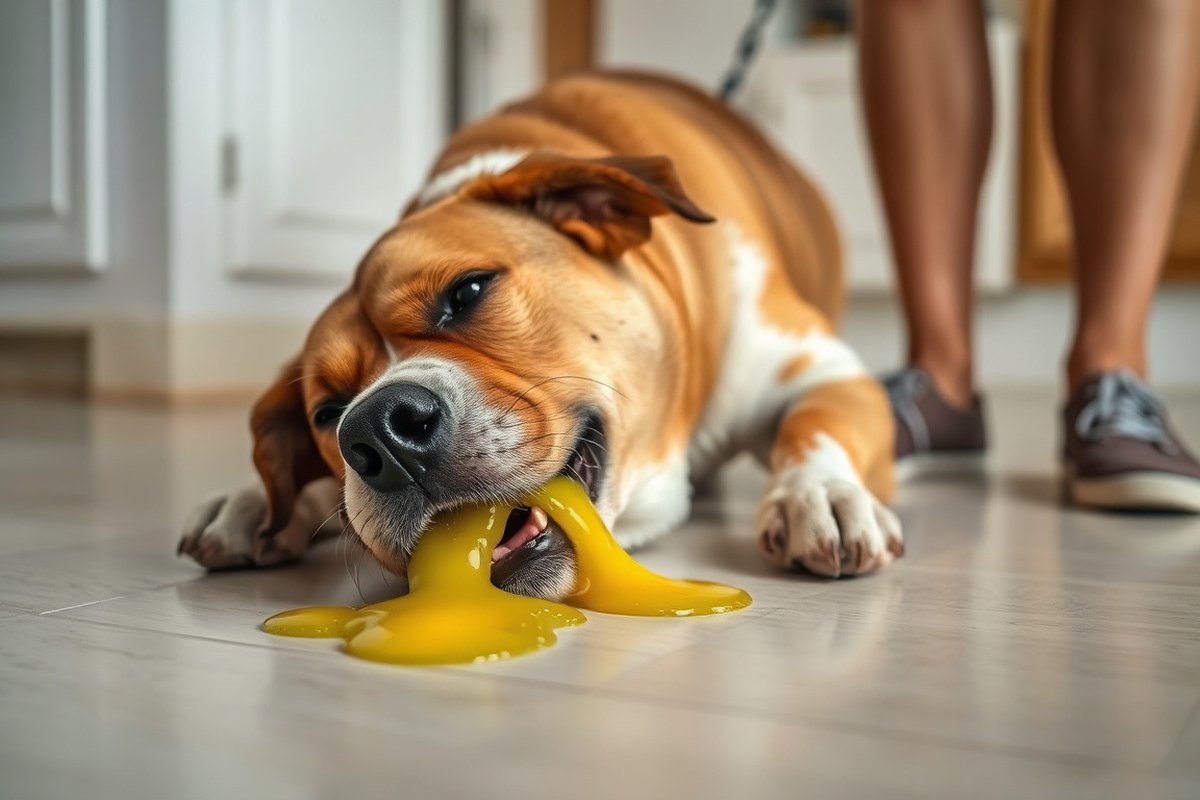
Yellow bile vomit in dogs mainly signals that bile, a digestive fluid produced by the liver, has moved back into the stomach and been vomited. Bile is naturally yellow because it contains bile pigments like bilirubin, which the body produces while breaking down red blood cells. This fluid usually sits in the small intestine, helping digest fats, but when the stomach is empty, bile can reflux into the stomach and irritate its lining. This irritation often leads to vomiting.
When your dog throws up yellow bile, it generally means their stomach was empty or nearly empty. This happens because without food to absorb or buffer stomach acids and bile, these substances can irritate the stomach lining more easily, causing your dog to vomit. Occasional vomiting of yellow bile is fairly common and can occur if your dog has missed a meal or hasn’t eaten for several hours, such as early in the morning.
This vomiting is known medically as Bilious vomiting syndrome. It’s usually not serious by itself, although repeated episodes might signal an issue like a food allergy, stomach inflammation, or another digestive problem. In many cases, adjusting your dog’s feeding schedule or providing smaller, more frequent meals can help reduce empty stomach time and prevent bile reflux. However, persistent vomiting of yellow bile means your dog’s condition should be monitored closely and discussed with a veterinarian to rule out more serious causes.
Medical Conditions That Cause Yellow Vomit in Dogs
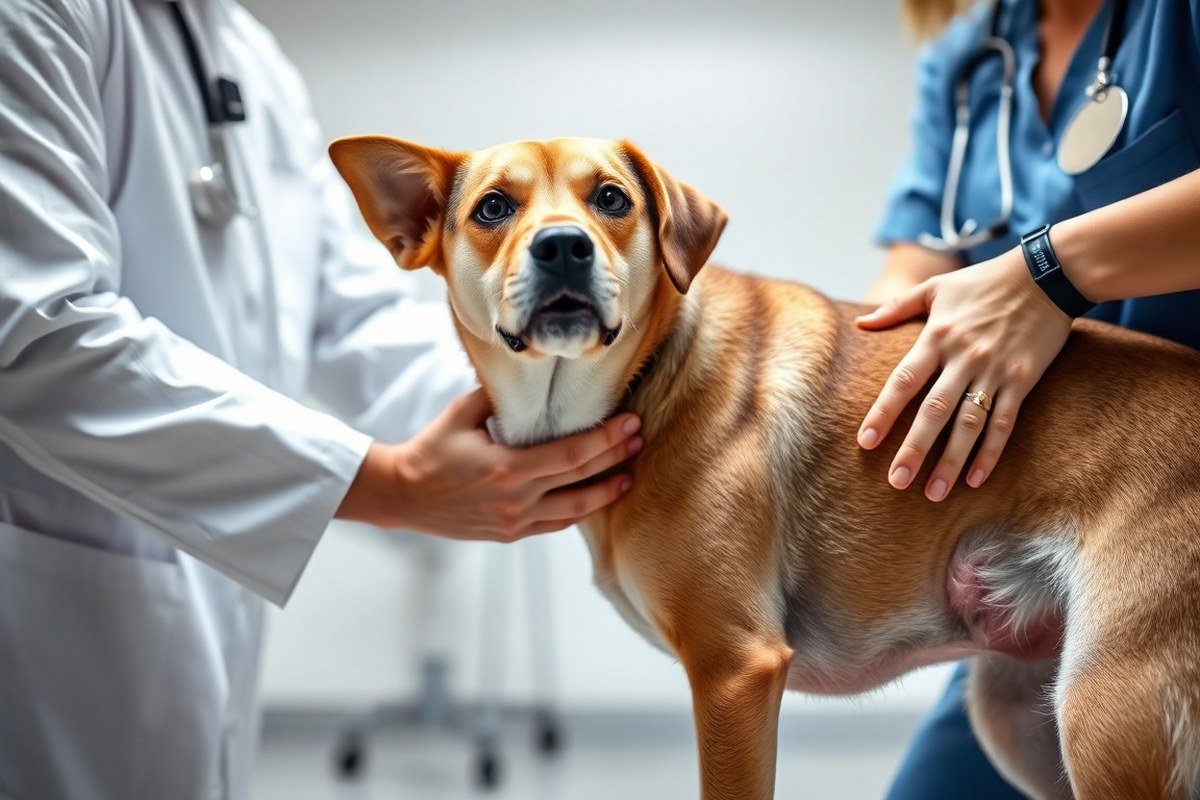
Several serious health problems can cause your dog to vomit yellow bile, including Pancreatitis, intestinal blockages, Addison’s disease, food allergies, and various gastrointestinal diseases. Pancreatitis occurs when the pancreas becomes inflamed, often causing vomiting, abdominal pain, lethargy, and loss of appetite. It needs urgent veterinary care and diagnosis often involves blood tests and abdominal ultrasound, which can cost several hundred dollars depending on the clinic.
Intestinal blockages happen if your dog swallows something they shouldn’t, like toys or fabric. This can cause persistent vomiting, signs of constipation, and refusal to drink fluids. Emergency veterinary intervention is required, often including X-rays or ultrasound to confirm the blockage, followed by surgery or endoscopic removal. This process is critical and can be costly, sometimes exceeding $1,000 depending on severity.
Addison’s disease, a hormonal disorder caused by underactive adrenal glands, may lead to yellow bile vomiting along with weakness, shaking, and dehydration. Diagnosing Addison’s involves blood tests that measure electrolyte imbalances. Treatment includes lifelong hormone replacement therapy managed by your veterinarian.
Food allergies or intolerances may cause dogs to vomit bile, especially after eating. Vomit may contain undigested kibble, and symptoms tend to occur soon after meals. Your vet might recommend an elimination diet, swapping to hypoallergenic food, which can cost $30 to $60 per bag, to identify and manage the allergy.
Gastrointestinal diseases like gastritis, infections, parasites, or ulcers can also cause yellow vomiting. Your vet will usually perform fecal exams, blood tests, or endoscopy to diagnose these. Treatment can include medication, dietary changes, and possibly hospitalization depending on severity.
| Cause | Major Symptoms | Urgency | Veterinary Action |
|---|---|---|---|
| Pancreatitis | Vomiting, abdominal pain, lethargy | High | Blood tests, ultrasound, hospitalization |
| Intestinal Blockage | Persistent vomiting, constipation, dehydration | Emergency | X-ray, surgery or endoscopy |
| Addison’s Disease | Vomiting, weakness, dehydration | Moderate | Blood tests, hormone therapy |
| Food Allergies | Vomiting after eating, undigested food | Low to Moderate | Elimination diet, hypoallergenic food |
| Gastrointestinal Diseases | Vomiting, diarrhea, weight loss | Variable | Fecal exam, meds, dietary change |
When to Be Concerned: Signs Yellow Vomiting Is an Emergency
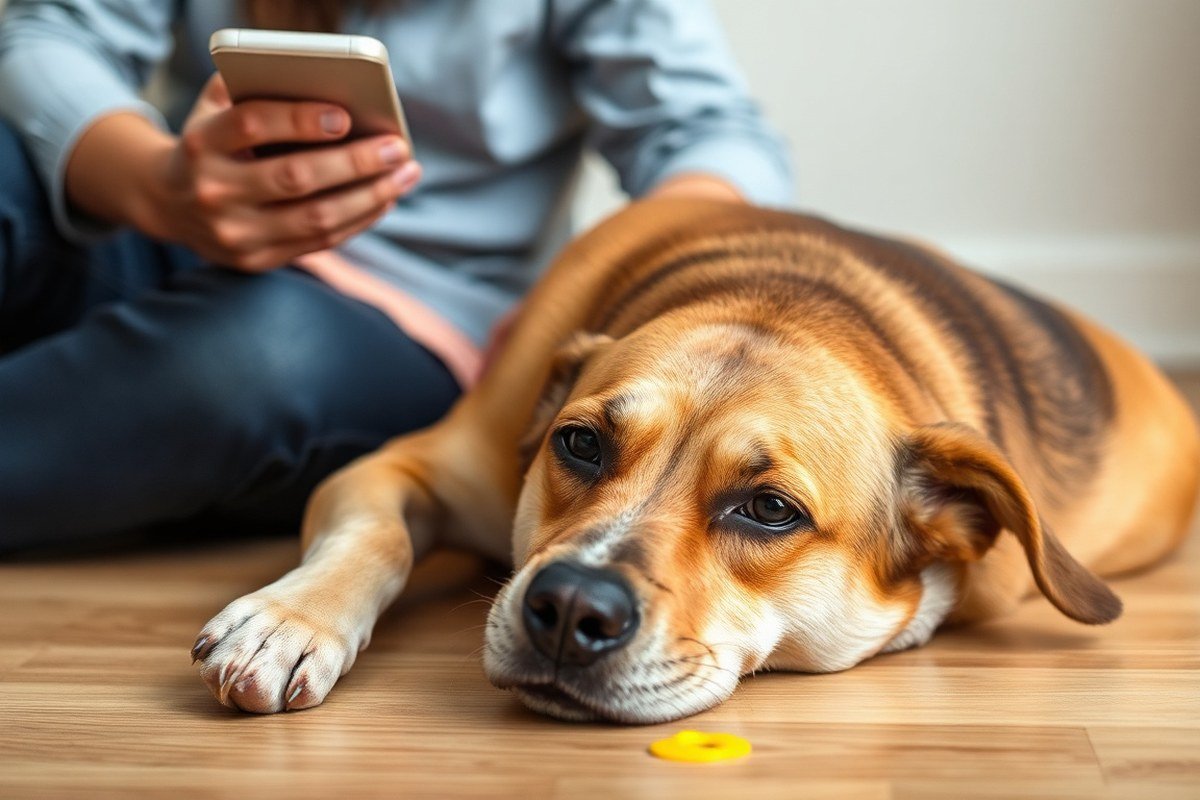
Repeated vomiting, especially of yellow bile, within 24 hours signals an emergency. If your dog vomits more than once over a few hours or shows persistent yellow bile vomiting weekly or every few days, see a vet immediately. This pattern, combined with symptoms like blood in the vomit, should never be ignored. Blood suggests possible internal injury or severe inflammation that requires urgent care.
Look for lethargy, loss of appetite, and visible abdominal pain. These signs indicate your dog is not just sick but potentially suffering from conditions like pancreatitis or blockage that need prompt attention. A tight or swollen belly and pale gums are additional red flags that may point to life-threatening issues such as bloat (gastric dilatation and volvulus).
Dehydration and behavioral changes matter a lot. Vomiting causes fluid loss quickly, so if your dog is unusually weak, shaking, or reluctant to move, dehydration could be severe. Check for dry mouth, sunken eyes, and skin that doesn’t snap back quickly when pinched. These need professional treatment to prevent organ damage.
Puppies under 6 months and senior dogs require immediate care when vomiting yellow bile or showing other symptoms. Puppies cannot safely fast more than 2-4 hours, making persistent vomiting extremely risky. Seniors often have underlying diseases making recovery harder. Any vomiting alongside medication use or suspected toxin ingestion should not wait.
Use this checklist to decide on emergency care: repeated vomiting within 24 hours, blood or bile present, lethargy or pain, signs of dehydration, vomiting combined with diarrhea or shaking, and vulnerable age groups including puppies and seniors. Taking your dog to the vet promptly in these situations can prevent severe complications and improve recovery chances.
How Feeding Schedules and Diet Affect Yellow Vomiting
Empty stomachs often cause yellow vomiting because bile flows back into the stomach and irritates its lining. This usually happens after a long gap without food, like early morning or late evening. Feeding your dog less fatty foods helps prevent inflammation of the pancreas, a common cause of bile vomiting. Also, sudden diet changes or food allergies can trigger digestive upset, leading to bile vomiting.
Adjusting your dog’s feeding schedule to smaller, more frequent meals helps keep their stomach from emptying too long. Careful fasting periods may reduce bile vomiting but require caution. Puppies, senior dogs, or those with health issues should never fast longer than 8-10 hours to avoid low blood sugar or other risks. Healthy adult dogs can handle up to 12 hours between meals, but always watch your dog’s response. Follow these steps to adjust feeding times and reduce yellow vomiting:
- Divide your dog’s daily food into three to four smaller meals instead of one or two large ones to prevent the stomach from emptying too long.
- Feed these meals at regular intervals, such as early morning, midday, late afternoon, and before bedtime.
- Avoid feeding fatty, spicy, or rich foods that can irritate the gastrointestinal tract and trigger vomiting.
- Introduce a bland diet like boiled chicken and rice after vomiting episodes to soothe the stomach.
- Monitor your dog’s symptoms closely for 48 to 72 hours to evaluate if the new schedule improves the vomiting frequency.
- Keep fasting periods under 10 hours for puppies, senior dogs, or dogs with health problems to avoid low blood sugar and stress.
- Record any diet changes and vomiting incidents to give your veterinarian clear information if symptoms persist or worsen.
What to Do Immediately If Your Dog Throws Up Yellow
When your dog throws up yellow bile, it usually signals an empty stomach or mild irritation. Immediate care helps reduce discomfort and prevents further upset. Focus first on assessing how your dog looks and acts, then manage food and water carefully to settle their stomach before considering a vet visit.
- Check your dog’s condition within the first 15 minutes. Look for alertness, energy, breathing, and if your dog is still vomiting or shows signs like weakness or severe distress. This quick assessment helps decide if urgent vet care is needed.
- Withhold food temporarily for 2 to 4 hours but continue to offer fresh water. Keeping your dog hydrated is important, especially after vomiting, but food can be reintroduced once vomiting stops to avoid further irritation.
- Offer small amounts of water frequently, encouraging sips rather than large gulps. This helps prevent dehydration and avoids overloading the stomach.
- Monitor continuously for new episodes of vomiting, changes in behavior, or signs like diarrhea, lethargy, or abdominal pain. Keep a close eye on your dog’s overall state during this time.
- Reintroduce food gradually after the fasting period ends if vomiting has ceased. Feed a small, low-fat, easily digestible meal, such as plain boiled chicken and rice, or a few kibble, to minimize stomach upset.
- Adjust your dog’s feeding schedule by dividing daily food into 3 to 4 smaller meals, including a light bedtime snack to reduce overnight bile buildup that can trigger vomiting.
- Prepare for a vet visit if vomiting continues beyond 24 hours, your dog is weak, dehydrated, or vomits repeatedly. Puppies, small breeds, and dogs with medical conditions should not fast and require prompt veterinary advice.
Tracking Symptoms and When to Consult a Veterinarian
To effectively track your dog’s vomiting episodes and other symptoms, keep a detailed log for at least one to two weeks. Note the exact date and time of each vomiting event, the appearance of the vomit (such as yellow bile or foam), and any other signs like changes in appetite, energy levels, or bathroom habits. Record feeding times, portion sizes, and the type of food given. Include environmental factors such as exposure to new surroundings or stresses. For example, your note might say: “April 10, 7:30 a.m., yellow bile vomit after 8-hour fast, alert and drinking water; breakfast at 8:00 a.m., small portion of dry kibble.”
Sharing this information with your veterinarian helps them identify patterns and possible triggers. Be clear about how often the vomiting occurs (daily, weekly, monthly), if it’s accompanied by diarrhea, lethargy, or shaking, and how your dog behaves between episodes. Mention any treatments tried or changes in diet. This kind of detailed record can improve diagnosis accuracy and reduce unnecessary tests.
Monitor your dog’s vomiting for about a week unless other concerning symptoms develop. Persistent vomiting that happens monthly or more often should prompt a vet visit. Immediate consultation is necessary if your dog refuses water for over 24 hours, shows signs of dehydration, or if vomiting comes with weakness or severe discomfort. Puppies and small breeds require quicker action; vomiting plus diarrhea in them demands same-day veterinary care. Your vet may then recommend tests or treatments based on your documented observations.
Step-by-Step Action Plan for Managing Yellow Vomit in Your Dog
Use this plan to address your dog’s yellow vomiting promptly and effectively, focusing on timing and key actions.
- Immediately: Stop feeding your dog for 6 to 12 hours to let the stomach settle. Monitor vomiting episodes; if they stop, this is a good sign.
- Within 24 hours: Offer small amounts of bland food like boiled chicken and rice. Watch for your dog keeping food down without vomiting again.
- Day 2 to 3: Gradually return to your dog’s regular diet if vomiting has ceased. Vomiting during this transition should prompt you to consult your vet promptly.
- Day 3 to 5: Adjust feeding schedule to multiple small meals throughout the day to prevent bile buildup. Notice if vomiting frequency decreases.
- Continued vomiting beyond 24 hours or worsening symptoms require an immediate call to your veterinarian, particularly if your dog is lethargic, dehydrated, or has blood in the vomit.
- During treatment: Keep a symptom diary including vomiting times, frequency, and any changes in behavior. Share this with your vet for better diagnosis.
- After recovery: Maintain consistent feeding times and monitor your dog for any return of symptoms, adjusting diet or schedule as advised by your vet.
Frequently Asked Questions
Why Does My Dog Throw Up Yellow Bile Mostly in the Morning?
Yellow bile vomit in the morning usually happens because your dog’s stomach is empty overnight, causing bile to irritate the stomach lining. Feeding smaller meals more frequently can help reduce this type of vomiting.
Can Stress Cause My Dog to Vomit Yellow Bile?
Stress can irritate your dog’s stomach and trigger bile vomiting, especially if they are already sensitive. Keeping a calm environment and maintaining a regular feeding schedule may help reduce stress-related vomiting.
Is Vomiting Yellow Bile a Sign My Dog Has an Allergy?
Vomiting yellow bile is not a typical allergy sign but could indicate stomach irritation possibly linked to food sensitivities. Discuss your dog’s diet and symptoms with a veterinarian for proper evaluation.
Can Giving My Dog Human Food Cause Yellow Vomiting?
Yes, feeding your dog certain human foods can upset their stomach and cause bile vomiting due to irritation or inflammation. Avoid giving table scraps and stick to a vet-recommended diet.
Why Does My Dog Vomit Yellow Bile After Exercise?
Vigorous exercise on an empty stomach can cause bile reflux in dogs, leading to yellow vomiting. Feeding before activity or adjusting feeding times might reduce this issue.
Key Points to Remember
Your dog’s yellow vomiting most often stems from simple stomach upset or hunger, but it can indicate more serious health issues. Taking quick action to rest the stomach and adjust feeding can help most dogs recover quickly. Watch closely for warning signs, and don’t hesitate to consult your vet if vomiting persists or worsens. Start by tracking your dog’s symptoms today to provide your vet with important information if needed.