How to Stop Dog Chewing: 7 Proven Strategies That Truly Work
How to stop dog chewing starts with consistent positive training and proper management. Redirect your dog to appropriate chew toys and reward calm behavior to build good habits. Managing their environment by removing tempting items prevents mistakes and keeps your dog focused on what’s allowed.
Key Takeaways
- Use positive reinforcement to reward your dog for chewing on approved toys only.
- Remove or secure items your dog might chew to reduce temptation and accidents.
- Offer a variety of safe chew toys suitable for your dog’s size and chewing style.
- Supervise your dog closely, especially during puppy teething stages to prevent unwanted chewing.
- Crate train your dog with treats to encourage quiet, calm behavior and reduce destructive chewing.
- Provide regular exercise to help release your dog’s energy and decrease boredom-driven chewing.
1. How to Stop Dog Chewing with Positive Training and Management

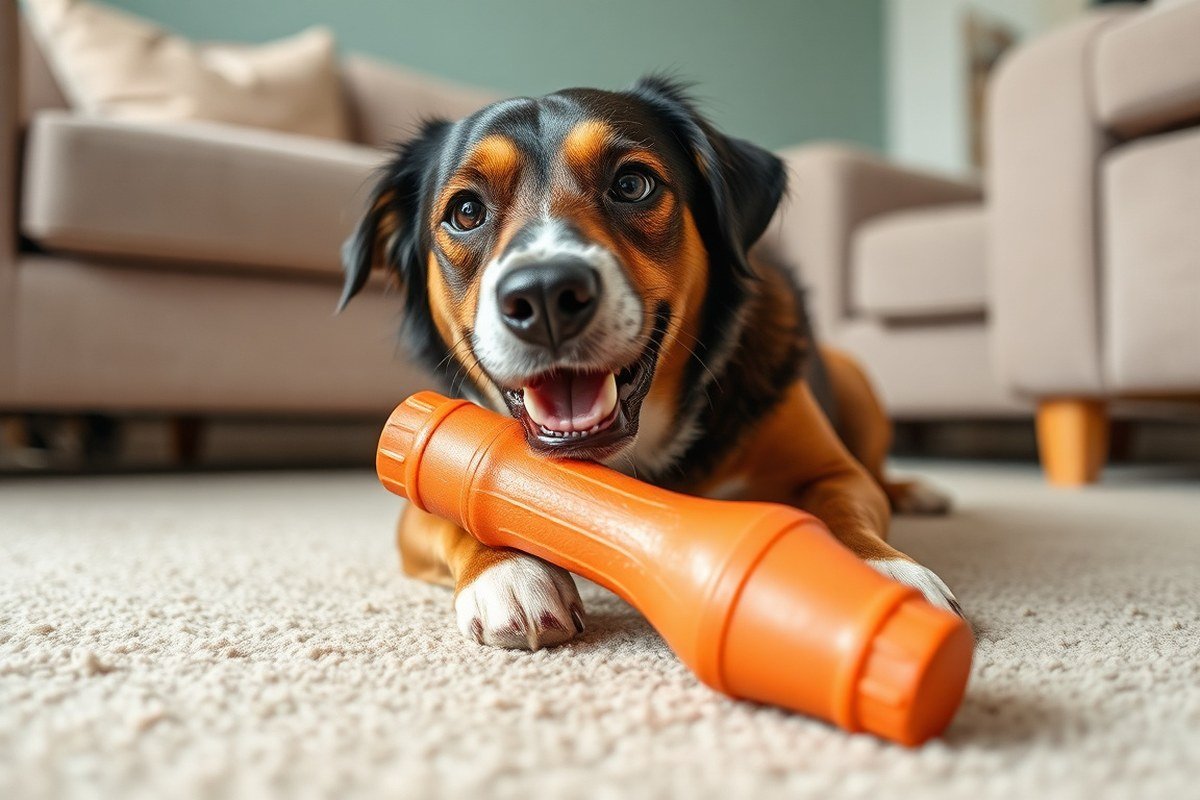
Stopping your dog from chewing on furniture or household items requires Consistent supervision, redirection, and positive reinforcement. Dogs naturally explore with their mouths, so teaching what is okay to chew takes patience and clear guidance. Give your dog plenty of safe chew toys that suit their chewing strength and interests. When you catch them chewing the wrong item, calmly redirect them to an approved toy. Reward them immediately when they switch so they associate the right choice with positive outcomes. The following step-by-step routine helps manage and modify your dog’s chewing habits:
- Remove tempting items: Keep shoes, cords, and other chewable household objects out of reach to prevent unwanted chewing.
- Provide varied chew toys: Offer several safe toys that differ in texture and durability to find what your dog prefers.
- Supervise closely: Watch your dog especially during high-energy times when chewing is more likely, and intervene early.
- Redirect immediately: When your dog starts chewing something inappropriate, say “No” or “Leave it” firmly but calmly, then give them a chew toy.
- Praise and reward: As soon as the dog chews the toy instead, give enthusiastic praise or a small treat to reinforce good behavior.
- Gradually increase freedom: Slowly allow your dog more access to rooms once they show they can avoid chewing furniture or other items there.
- Inspect toys regularly: Replace any damaged chew toys promptly to keep your dog safe and engaged.
This approach usually requires daily effort over weeks. Successful progress looks like your dog independently choosing toys over household items and fewer reminders from you. Avoid mixing household items as toys to prevent confusion, and don’t punish harshly, as that can increase anxiety or worsen chewing behavior.
2. Why Dogs Chew: Understanding Causes and Identifying Patterns

Dogs chew for various reasons, and understanding these can help you figure out why your dog might be targeting furniture or other household items. Puppies often chew because of Teething discomfort. This intense chewing usually lasts until their adult teeth come in, around 6 to 7 months old. You might notice your puppy chewing more on softer household objects or designated toys during this phase.
Natural exploration also explains some chewing behavior. Dogs, especially young ones, use their mouths to investigate unfamiliar things. They might chew items they don’t often see as a way to learn about their environment. This is an expected part of normal development and usually less destructive.
Boredom is a common reason adult dogs chew excessively. You can identify boredom-related chewing by observing when your dog chews, often during inactive periods when they don’t get enough mental or physical activity. Dogs left alone for long stretches may start chewing to entertain themselves.
Anxiety and frustration cause distinctive chewing patterns. Dogs showing separation distress might chew destructively when left alone, targeting doors, furniture, or other household barriers. Frustration from confinement, like being crated or restricted from certain areas, can lead a dog to chew on gates or doors they want to pass through.
To pinpoint what triggers your dog’s chewing, keep a simple checklist of patterns: Is your dog a puppy less than 7 months old chewing mostly soft items? Teething is likely the cause. Does the dog chew during your absence or periods of inactivity? Check for boredom or separation anxiety. Does chewing focus on barriers or doors? Frustration or stress might be involved. Noticing these patterns can help you tailor your response and choose the right tools to manage your dog’s chewing behavior effectively.
3. Safe and Appropriate Chew Toys: What to Use and What to Avoid
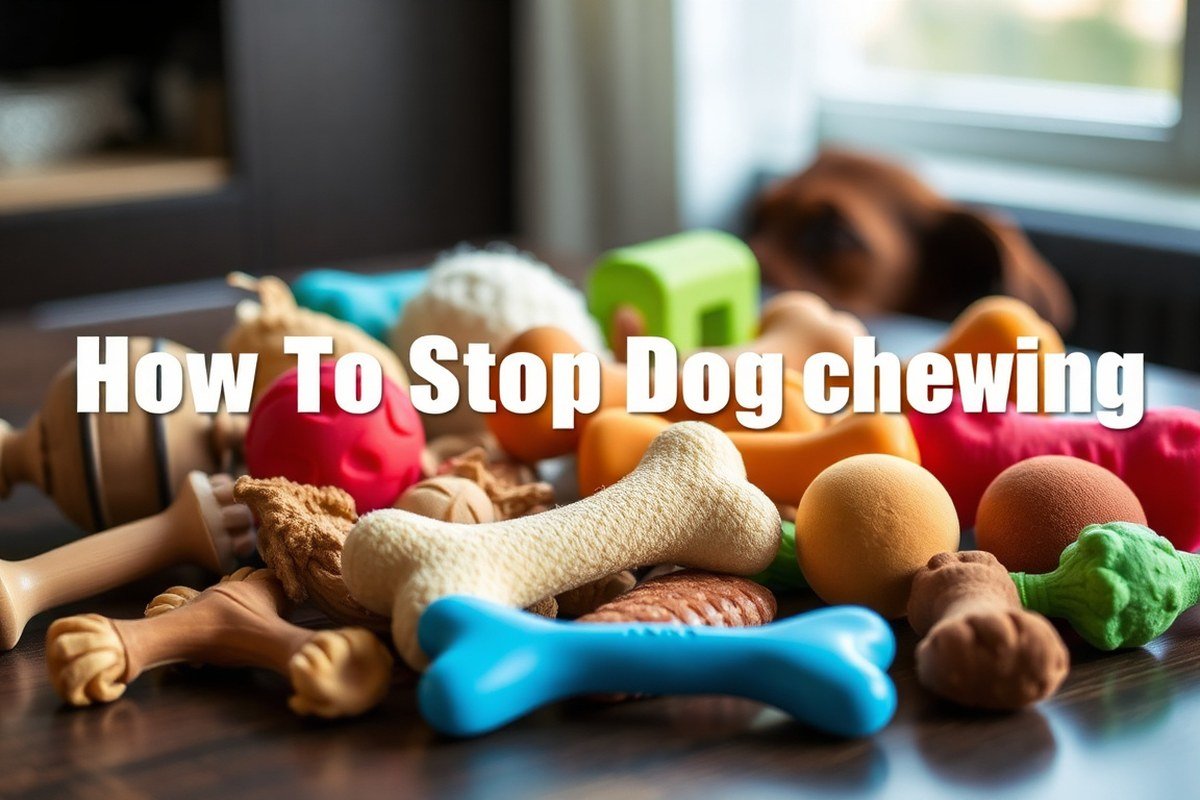
Choosing the right chew toys protects your dog’s teeth and keeps your home safe from damage. Dogs need Appropriate chew outlets that fit their chewing style, size, and strength. A variety of toy types can meet these needs, but safety should shape your choices to avoid choking, swallowing unsafe parts, or damaging teeth.
| Chew Type | Best For | Safety Considerations |
|---|---|---|
| Flexible Rubber Toys | Everyday chewing and interactive play | Choose the right size; replace damaged toys promptly to avoid ingestion risks |
| Food-Stuffable Toys | Mental stimulation and rewarding appropriate chewing | Supervise during initial use; check regularly for damage or pieces breaking off |
| Plush or Fabric Toys | Gentle chewers who prefer soft textures | Supervise closely; remove toys with loose stuffing or exposed squeakers to prevent choking |
| Edible Dental Chews | Chewing satisfaction and potential dental benefits | Use size-appropriate options; monitor chewing time to avoid digestive upset |
Try stocking several types of these safe toys. Observe which textures your dog prefers and rotate toys regularly to keep chewing options fresh and interesting. Avoid toys that break apart easily or have small detachable parts, as these can become choking hazards or cause internal blockages. Plush toys can work for mild chewers but never leave your dog unattended with them. Larger rubber toys withstand heavy chewing better and limit the risk of tooth damage compared to very hard items.
4. Managing Boredom, Anxiety, and Physical Needs to Reduce Chewing
Preventing chewing caused by boredom or anxiety involves ensuring your dog gets enough daily mental and physical exercise. Dogs left with pent-up energy or without mental challenges often turn to chewing as an outlet. A good starting point is setting a daily routine that includes at least 30 to 60 minutes of physical activity like walks, playtime, or training sessions, adjusted to your dog’s breed and energy level.
Mental stimulation helps reduce boredom-driven chewing by engaging your dog’s brain. Puzzle toys and slow feeder bowls provide challenges that keep your dog busy and reward problem-solving skills. You can rotate toys every few days to keep interest high without overwhelming your dog. These activities create a positive focus for natural chewing urges and reduce destructive habits.
Managing Separation anxiety needs careful handling. Dogs with mild separation frustration might improve by gradually increasing alone time and using a dog-proofed safe space like a crate or a designated room. This area should be comfortable and associated with positive experiences, using treats or calming diffusers to reduce stress. For severe cases, consulting a professional trainer or veterinarian is recommended to tailor a behavior plan.
To integrate exercise and enrichment, follow this simple checklist: daily walks or active play, offering interactive toys or puzzle feeders for 30 minutes, training sessions to reinforce obedience, and creating a quiet, secure zone for calm independence when you are away. Consistent timing helps your dog anticipate activity and rest periods, reducing anxiety and boredom.
Expect to see less destructive chewing within weeks if you keep routines consistent and adjust activities to your dog’s changing needs. Avoid overwhelming your dog with too much free time or unsupervised access to tempting items. Break time spent alone into manageable intervals and gradually increase duration. Setting up your dog for success involves patience and observing which activities most effectively keep your dog mentally and physically satisfied.
5. Recognizing Dental Problems Related to Chewing
Changes in your dog’s chewing habits can signal dental pain or illness rather than just misbehavior. Recognizing symptoms early helps you act before problems worsen, protecting your dog’s comfort and health. Pay close attention to signs like avoiding hard toys or favoring one side when chewing, as these often indicate oral pain or dental damage.
| Warning Sign | What It May Indicate |
|---|---|
| Avoiding Hard Toys | Tooth sensitivity or oral pain |
| Chewing on One Side | Discomfort affecting one side of the mouth |
| Dropping Food or Toys | Painful or damaged teeth |
| Bad Breath or Drooling | Possible dental disease or oral irritation |
| Bleeding or Swollen Gums | Gum inflammation, infection, or injury |
| Sudden Chewing Changes | Possible dental discomfort or another health issue |
If you see your dog suddenly changing how or what they chew, it’s wise to consult a veterinarian without delay. Prompt vet visits are especially urgent if your dog shows signs like broken teeth, oral bleeding, repeated vomiting, or loss of appetite. These symptoms could mean your dog swallowed something harmful or developed an infection requiring professional care.
Regularly watch for unexplained changes, particularly in adult dogs who develop new chewing issues. A quick phone call or online vet consultation can clarify whether a medical exam is necessary. Addressing dental problems early prevents suffering and helps you target the right strategies to stop destructive chewing effectively.
6. Common Mistakes That Make Dog Chewing Worse (and How to Fix Them)
Ignoring your dog’s chewing early on usually makes the problem worse. When you don’t interrupt unwanted chewing or redirect your dog to an appropriate toy, the behavior can become a habit hard to break. Another common mistake is inconsistency. Allowing chewing sometimes but scolding other times confuses your dog, slowing progress. Clear, steady rules prevent mixed messages that prolong chewing problems.
Owners often underestimate how much mental and physical exercise their dogs need. A tired dog chews less. When activity drops, especially as dogs grow older and left alone longer, chewing may increase. Leaving tempting items within reach or failing to provide enough suitable chew toys also encourages destructive chewing. Establishing routines with plenty of exercise and toys helps keep chewing focused in positive directions.
- Failing to supervise or confine your dog during early training, use gates or crates to limit unsupervised access.
- Not providing enough chew toys or rotating them to maintain interest.
- Giving attention (even negative) when your dog chews on forbidden items, calmly redirect instead.
- Inconsistent responses to chewing across family members, agree on commands and rules.
- Skipping regular exercise that burns energy and reduces boredom-driven chewing.
- Leaving valuables or electrical cords easily accessible, secure them out of reach.
Maintaining progress means repeating positive training and supervision over months, especially during changes like moving or schedule shifts. Keep rewarding your dog’s good chew choices and continue to offer variety in safe toys. When you can’t watch closely, confining your dog to a chew-friendly area prevents backsliding. Regularly review and adjust your methods as your dog matures or life changes to keep chewing in check long term.
7. When and How to Get Professional Help for Problem Chewing
Seek professional help if your dog’s chewing is persistent, destructive, or linked to aggressive behavior like growling or snapping when guarding items. Persistent chewing despite consistent training and management suggests an underlying issue that may need a veterinary behaviorist or an accredited dog trainer specializing in reward-based methods. Early intervention often leads to better outcomes and can prevent escalation.
Swallowing something dangerous requires quick action. Signs include choking, vomiting, excessive drooling, or difficulty breathing. If you suspect your dog swallowed a hazardous item, do not induce vomiting without veterinary advice. Instead, contact your vet or emergency clinic immediately, as prompt professional treatment can prevent serious complications. Use the following checklist to decide when to pursue professional support and how to react in emergencies:
- Observe your dog’s chewing behavior for signs of aggression, anxiety, or obsession, such as stiff body language, growling, or destroying multiple items daily despite your efforts.
- Track any health symptoms like pawing at the mouth, bad breath, or sudden changes in appetite that could point to medical issues requiring a vet’s evaluation.
- Stop training temporarily if your dog guards items aggressively to avoid worsening the behavior before getting expert guidance.
- Consult a veterinary behaviorist or an accredited, reward-based dog trainer if destructive chewing continues or worsens after consistent management at home.
- Prepare to provide detailed observations including frequency, triggers, and examples of chewing and any aggressive incidents when meeting the professional.
- Call your veterinarian or an emergency clinic immediately if your dog swallows something hazardous, describing the item, your dog’s size, and symptoms.
- Follow professional instructions carefully regarding first aid, monitoring, and possible diagnostic tests like X-rays, which can cost several hundred dollars depending on your region and clinic.
Step-by-Step Action Plan to Stop Dog Chewing
Follow these steps to start controlling your dog’s chewing behavior today and build good habits over time.
- Before you start: Remove access to valuable or dangerous items by dog-proofing your home. This prevents setbacks and keeps your dog safe.
- Day 1: Provide a variety of safe chew toys and watch which ones your dog prefers. Swap out toys that get ignored to encourage chewing on appropriate items.
- Week 1: Establish consistent training using positive reinforcement. Reward your dog for chewing toys and redirect gently when they target off-limits objects. Success means fewer mistakes each day.
- Week 2: Increase daily physical activity and mental stimulation. A tired dog chews less out of boredom or anxiety.
- After 3 weeks: Start shortening chew toy availability periods while continuing supervision to build good chewing habits without constant management.
- After 1 month: Evaluate your dog’s dental health with your vet if chewing problems persist, as pain may contribute to destructive chewing.
- After 6 weeks: Seek professional guidance from a trainer or behaviorist if chewing behavior is still uncontrollable despite your efforts.
Frequently Asked Questions
How Do I Use a Crate to Stop My Dog from Chewing?
Using a crate limits your dog’s access to items they might chew. Avoid leaving fabric items inside, as dogs often chew soft materials when confined. Supervise crate time and pair it with training for best results.
Can Changing My Dog’s Feeding Schedule Help Reduce Chewing?
Yes, feeding at consistent times can stabilize energy and reduce boredom-driven chewing. A well-fed dog is less likely to chew due to hunger or restlessness.
Are Certain Dog Breeds More Prone to Chewing?
Some breeds have higher energy or stronger chewing instincts. Understanding your dog’s breed tendencies helps tailor training and exercise to reduce destructive chewing.
How Does Exercise Level Impact My Dog’s Chewing Behavior?
Regular physical activity burns energy that might otherwise turn into chewing. Increasing walks or playtime can lower anxiety and help control chewing urges.
Can I Use Bitter Sprays Safely to Stop My Dog’s Chewing?
Bitter sprays can deter chewing on specific items but must be used cautiously. Some dogs dislike the taste, but others might ignore it or develop aversions to harmless objects.
Wrapping Up
Stopping your dog’s unwanted chewing takes consistent effort but can be done safely and effectively by combining management, training, and attention to your dog’s needs. Start today with a simple prevention step, like puppy-proofing your space, then build from there. The sooner you act, the faster you’ll enjoy a home free from unwanted chew marks and your dog will have healthier habits to last a lifetime.