Why Does My Dog Smell Like Fish? Causes and Practical Solutions
Why does my dog smell like fish? The most common cause is anal gland secretions, which produce a strong, fishy odor when they leak or become full. Addressing the issue often involves cleaning the anal glands or consulting your vet for treatment. Regular grooming and hygiene help keep this smell under control.
Key Takeaways
- Examine your dog’s rear area to see if the fishy odor originates from there; an issue with the anal glands often causes this specific smell.
- Small breeds are more prone to anal sac problems, so monitor them closely for signs of discomfort.
- A one-time fishy odor after a scare can be normal, but recurring smells usually signal a problem.
- Watch for additional symptoms like straining, blood, swelling, or lethargy, these require immediate vet care.
- Puppies may smell fishy if they eat stool or lick their hind end excessively.
- Periodontal disease can also cause bad breath that might smell fishy, so maintain your dog’s dental health.
What Causes a Dog to Smell Like Fish?
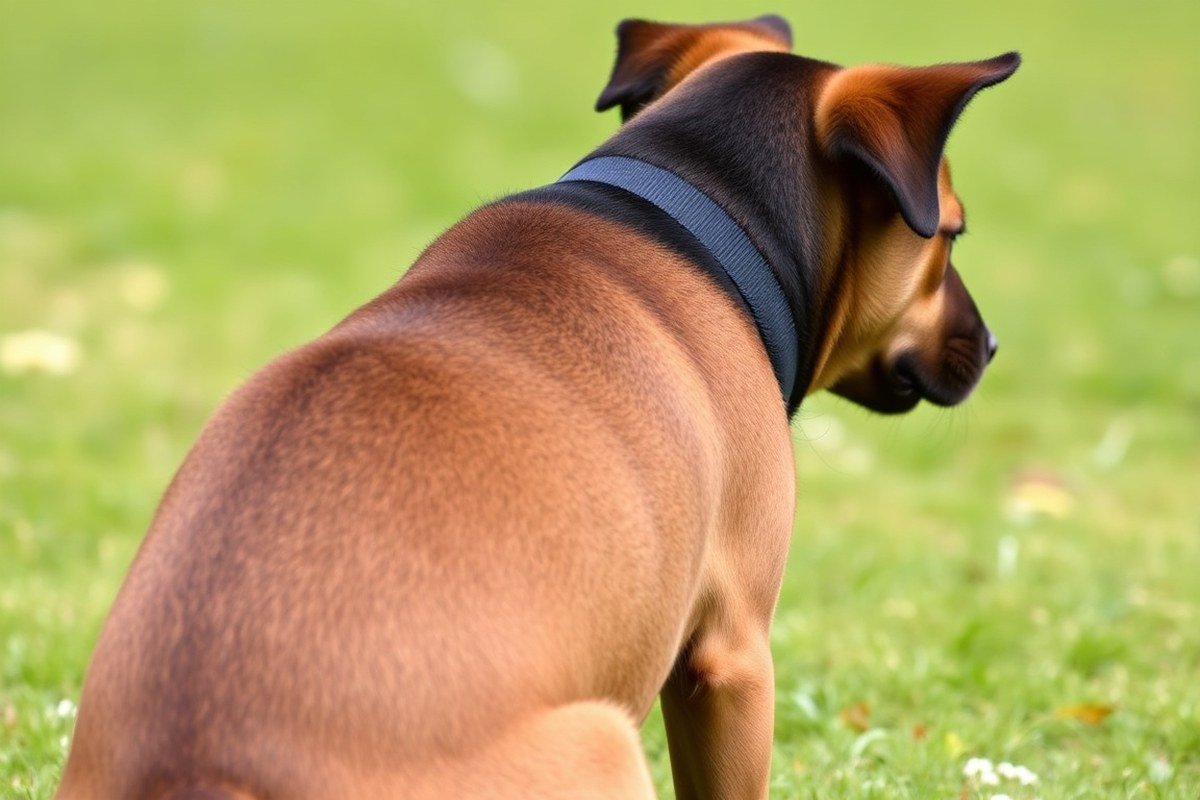
A fishy smell in your dog often originates from several key causes that require attention. One primary reason is the anal glands, small sacs near the dog’s rear end that can fill with fluid. When these sacs become full, blocked, or infected, they release a strong fishy odor. Dogs may scoot, lick their rear, or show discomfort when this happens. While any dog can have anal gland issues, smaller breeds tend to be more prone to these problems. Regular vet checks can help prevent persistent odor caused by anal gland problems.
Dental disease is another common cause. Periodontal disease or gum infections allow bacteria to build up in the mouth, producing a bad breath often described as fishy. This odor tends to be strongest near the dog’s mouth and face. Maintaining regular dental hygiene and veterinary dental exams can reduce this risk. When untreated, dental disease can worsen and cause more pronounced odors.
Urinary tract infections (UTIs) and related urinary issues also cause a fishy smell, particularly around the genital or urinary area. Female dogs are more susceptible to UTIs and vaginitis, which can create a noticeable fishy scent. Signs like frequent urination, straining, and accidents may indicate these infections. Prompt veterinary care is recommended to address underlying causes and eliminate the odor.
Skin infections and conditions, including bacterial and yeast overgrowth, can produce a fishy smell as well. These issues often result in redness, itching, and greasy or discolored fur. Regular grooming and prompt treatment of skin problems reduce unpleasant odors. In some cases, diet contributes to the smell, especially if your dog eats fish-based food or has digestive sensitivities. Adjusting the diet under veterinary guidance can improve odor issues related to nutrition.
How to Identify Where the Fishy Smell Is Coming From
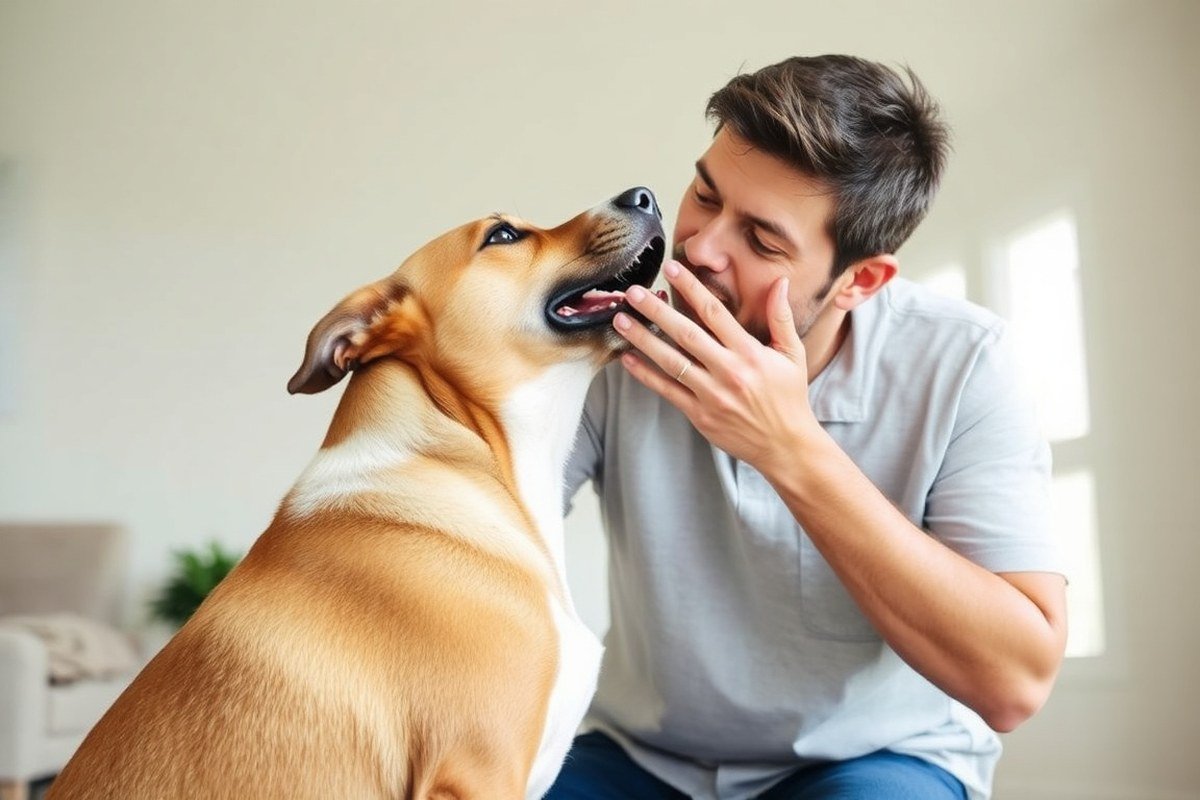
Start by pinpointing where the fishy smell originates on your dog. Check the mouth, rear end, urine, and skin carefully, as each area hints at different causes requiring specific care. For example, a fishy breath often signals dental disease or your dog licking a messy rear end. You can test this by gently smelling your dog’s breath and then comparing with a sniff near the anus. Fishy breath smells more like rotten fish or ammonia, while anal gland odors tend to be stronger, more pungent, and localized around the tail.
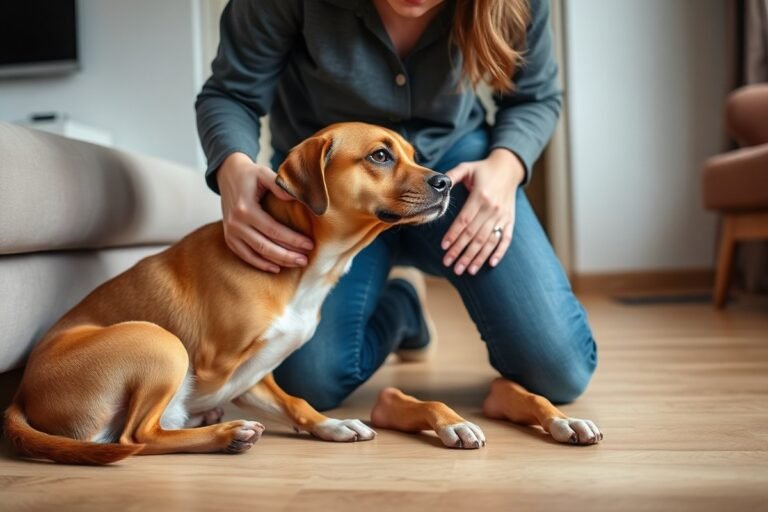
Watch your dog’s behavior for clues. Frequent scooting, licking under the tail, or discomfort sitting indicates anal gland issues, commonly releasing that sharp, fishy scent. Skin or ear infections can also create a fish-like odor, often accompanied by redness, swelling, or discharge. Inspect ears and skin folds for wax buildup, crustiness, or itchiness, and note the smell’s intensity during those checks.
Urine can carry a fishy odor too, especially if your dog has a urinary tract infection. Females may show this smell more prominently near the back end. Observe for straining or frequent urination and consider testing a urine sample if the smell is persistent. This helps your veterinarian confirm or rule out infection.
Use a simple checklist: first, smell the breath; second, check around the anus and tail area; third, sniff the skin and ears; finally, observe urine habits and smell. Cost-wise, this takes just a few minutes and no special tools. Good results come when you can clearly link the odor to an area and corresponding behavior. If odors randomly shift location or linger despite cleaning, professional evaluation is the next step to avoid missing infection or gland problems.
Anal Glands: Why They Smell and When They Cause Problems
Your dog has two small anal glands located just inside the anus. These glands produce a strong-smelling fluid with a fishy odor, which dogs naturally release when they defecate to mark territory. The smell is normal, but if the glands fail to empty properly, the fluid can build up, causing an unpleasant fishy odor. This happens most often when the anal glands become impacted or infected.
Signs that your dog’s anal glands may be infected include persistent scooting on the floor, licking or biting the area near the anus, swelling or redness, and a strong fishy smell that won’t go away even after a bath. If the glands become abscessed, immediate veterinary care is needed to avoid pain and more serious infection. Check your dog’s backside regularly for these symptoms, especially if you notice scooting or an unusual smell after grooming.
The frequency of anal gland expression varies by dog size, breed, and individual health. Some dogs may never need their glands manually expressed, while others, especially smaller breeds, may struggle to empty them naturally. Usually, you should not attempt to express the glands yourself unless instructed by a veterinarian, as improper handling can worsen the problem. Instead, work with your vet to monitor the situation and treat any underlying issues like stool consistency or allergies that affect gland health.
Female dogs sometimes give off a fishy smell around the genital area, which can also be caused by infections such as vaginitis rather than anal gland problems. This means the source of the odor differs and may need a different veterinary approach. A vet can examine your dog to determine whether the smell comes from the anal glands or another area and recommend appropriate treatment.
Effective Home Care to Eliminate Fishy Odors Safely
Start by giving your dog a thorough bath using a gentle dog shampoo suited for their skin type. Use lukewarm water around 85°F to 95°F to avoid drying out their coat. Pay close attention to areas that often trap odor, like around the ears, under the tail, and the paws. Rinse well to remove all shampoo residue, which can cause irritation and lingering smells. Dry your dog thoroughly to prevent moisture buildup that encourages bacteria.
Maintain regular dental hygiene by brushing your dog’s teeth at least two to three times per week using a dog-specific toothbrush and toothpaste. This helps reduce fishy breath caused by dental plaque buildup. In addition, offering dental chews such as Gnawtlers® elk or deer antler chews can assist in cleaning your dog’s teeth naturally while freshening their breath.
Fish oil supplements can cause a harmless fishy odor around your dog’s mouth or coat. If you notice persistent smells after starting supplements, try switching to a poultry- or beef-based diet of similar quality. Also, choose encapsulated fish oil given with food rather than liquids poured on kibble to reduce the fishy scent. This change often clears the odor within two weeks.
For home remedies, a diluted apple cider vinegar rinse (a tablespoon diluted in a cup of water) applied to the coat can reduce bacterial growth, but avoid this if your dog has open wounds or sensitive skin. Use a vet-approved ear cleaner to gently clean your dog’s ears once a week to prevent buildup that can cause odor. Never insert cotton swabs deeply into the ear canal, as that can cause injury.
Consistent hygiene, good dental care, and proper diet adjustments help prevent recurring fishy smells. Monitor your dog’s environment; if your dog frequently lies on items that retain odors, wash those regularly. Avoid using human shampoos or home cleaning products on your dog, as they can irritate and worsen smells. Following these steps supports your dog’s health and keeps unpleasant odors at bay.
When to See a Veterinarian for Fishy Smells
A persistent or strong fishy smell coming from your dog should prompt you to see a veterinarian, especially if it lasts more than a few days or returns quickly after bathing. Urgent veterinary intervention is necessary if you notice additional signs such as straining during urination or defecation, blood in urine or stool, lethargy, swelling near the rear, or a sudden increase in the fishy odor. These symptoms can indicate serious conditions like urinary tract infections, vaginitis, anal gland abscesses, or even pyometra, a potentially life-threatening uterine infection in female dogs.
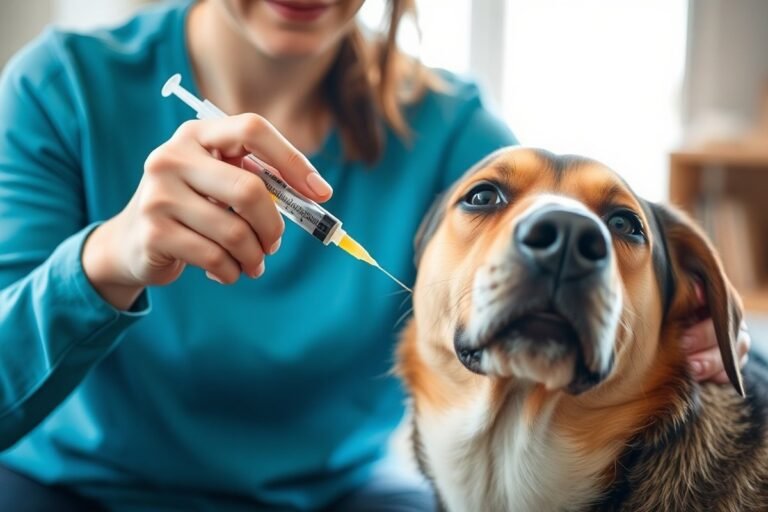
Ignoring these signs risks worsening infections, discomfort, and systemic illness for your dog. A veterinary exam typically includes a physical check of the anal glands, ears, skin, and genital area, combined with diagnostic tests such as urine analysis, skin scrapings, or cultures to identify the infection or other causes accurately. Treatment can range from antibiotics or antifungal medications to professional cleaning or draining of infected anal glands, depending on the diagnosis.
The cost of a veterinary visit for this issue generally falls between $50 and $150 for the exam, with additional charges if tests or treatments are needed. Prompt care often results in quicker recovery and less distress for your dog. If you notice a fishy smell coupled with any of these urgent symptoms, call your vet immediately or take your dog to an emergency clinic. In less urgent cases, schedule a veterinary checkup within a few days to avoid complications and tailor a treatment plan that eliminates the odor and restores your dog’s health.
Step-by-Step Action Plan to Stop Your Dog’s Fishy Smell
Follow these steps to quickly identify and treat the source of the fishy odor coming from your dog.
- Day 1: Check around your dog’s back end and mouth for noticeable fishy smells. Focus on anal glands and dental areas, which are common sources.
- Day 2: Bathe your dog using a gentle pet shampoo formulated to reduce odors. A fresh coat will help you tell if the smell returns afterward.
- Within 3 days: Gently express your dog’s anal glands if you feel comfortable, or schedule this with a groomer or vet. Notice if the fishy smell lessens after this.
- Week 1: Inspect your dog’s diet and treats for fishy ingredients or spoilage. Swap to a high-quality, fresh food option if needed to eliminate odor from poor digestion.
- Week 2: Brush your dog’s teeth daily using a canine-safe toothpaste. Watch for improvements in breath odor that may signal dental issues.
- After 2 weeks: Monitor whether the fishy smell persists. If it remains or worsens, make a vet appointment for a professional checkup and possible infection treatment.
Frequently Asked Questions
Why Does My Dog’s Breath Sometimes Smell Like Fish?
Fishy breath in dogs often points to dental disease such as periodontal issues. Regular brushing and dental checkups can help maintain fresh breath and prevent infections that cause odor.
Why Does My Female Dog Smell Like Fish When She’s in Heat?
A fishy smell in a female dog during heat may result from bacterial or yeast infections related to hormone changes. Keeping the area clean and consulting a vet for treatment is important.
Can Diet Cause My Dog to Have a Fishy Odor?
Certain diets, especially those with fish ingredients or rich in omega fatty acids, can contribute to a fishy smell. Changing food or reviewing ingredients with your vet might reduce the odor.
Why Does My Dog’s Ear Smell Like Fish?
A fishy smell from a dog’s ear usually indicates an ear infection, often caused by yeast or bacteria. Prompt cleaning and vet treatment can clear the infection and stop the odor.
Is It Normal for a Dog’s Urine to Smell Like Fish Sometimes?
Dog urine can occasionally smell like fish due to diet or dehydration, but persistent fishy urine may suggest a urinary tract infection. Monitor symptoms and get a vet check if it continues.
The Bottom Line
A fishy smell in your dog usually points to anal gland issues or dental health problems, both treatable with timely action. Start by cleaning and observing your dog, then adjust diet and hygiene to control the odor. Take the next step to keep your dog comfortable and smelling fresh by scheduling a vet visit if the smell doesn’t fade after home care.