Why Does My Dog Sit on Me? Clear Answers and Effective Solutions
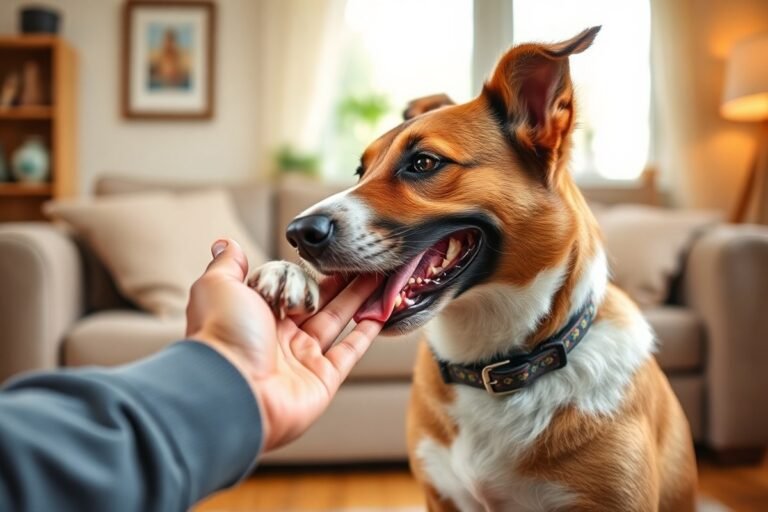
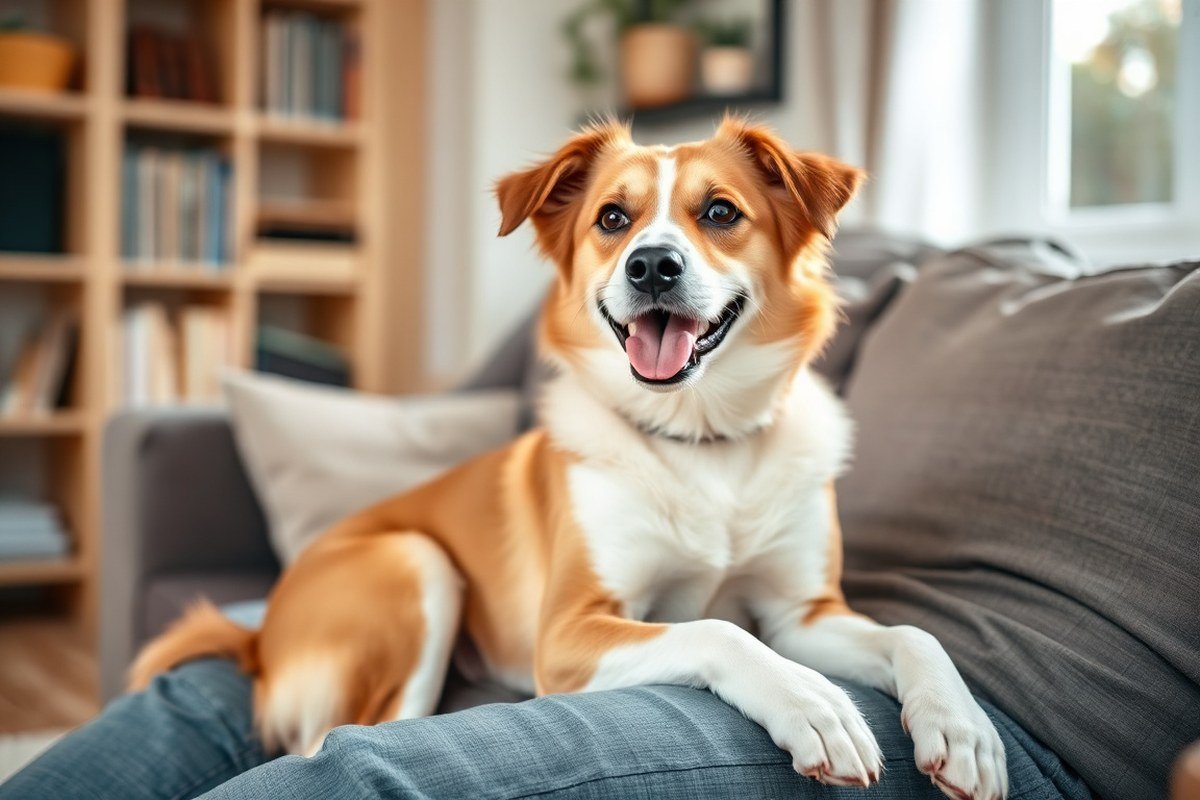
Why does my dog sit on me? Dogs choose to sit on you to feel secure and strengthen their emotional ties. This action indicates they trust you and enjoy the warmth and comfort you provide. Pay attention to your dog’s posture and expression when they sit on you to better understand their feelings.
Key Takeaways
- Dogs often sit on owners who provide emotional security and responsiveness.
- Gentle lap sitting usually means your dog wants affection and companionship.
- Heavy or large dogs sitting on you can cause discomfort and should be managed carefully.
- Sitting on your feet signals your dog feels safe but may want proximity without full weight.
- Your dog sitting only on you, not others in your family, highlights a special level of trust and connection unique to your relationship.
- Sitting on your chest or face can indicate high affection or mild dominance and might require gentle redirection.
Why Does My Dog Sit on Me? Understanding the Meaning
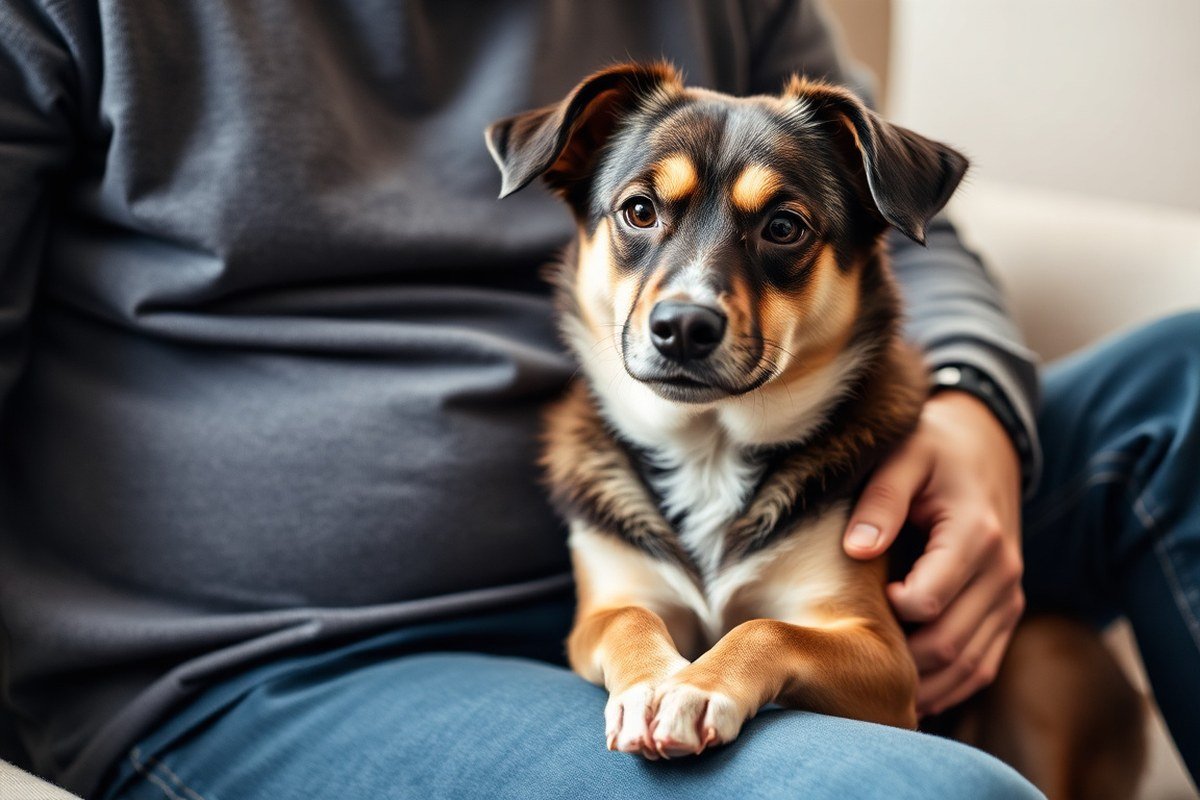
Your dog sitting on you often usually means they want affection, warmth, or reassurance. Dogs naturally seek comfort and security, so they may climb onto your lap or press close to share your body heat, especially when resting or feeling a bit anxious. Smaller breeds like Cavalier King Charles Spaniels and Maltese are bred to be lap dogs, so that behavior comes naturally to them. Larger breeds such as Labradors or Golden Retrievers, known as “velcro dogs,” often sit on their owners to feel close due to their strong bonding traits.
This behavior doesn’t necessarily mean your dog is trying to show dominance over you. While sitting on your chest or face might sometimes express mild dominance, most lap sitting is about companionship and trust. If your dog stares at you or licks you while sitting, they are usually adding affectionate signals. Licking can deepen the bond, showing their need for social interaction and connection.
Your dog’s breed, size, and personality all play roles. Independent breeds like Basenjis or Akitas may prefer to stay nearby instead of sitting on you. Observing how often and when your dog chooses to sit on you helps you understand their emotional needs better. Encourage calm, relaxed moments together to strengthen your relationship and provide the comfort your dog is seeking.
How Different Sitting Positions Communicate Your Dog’s Intentions
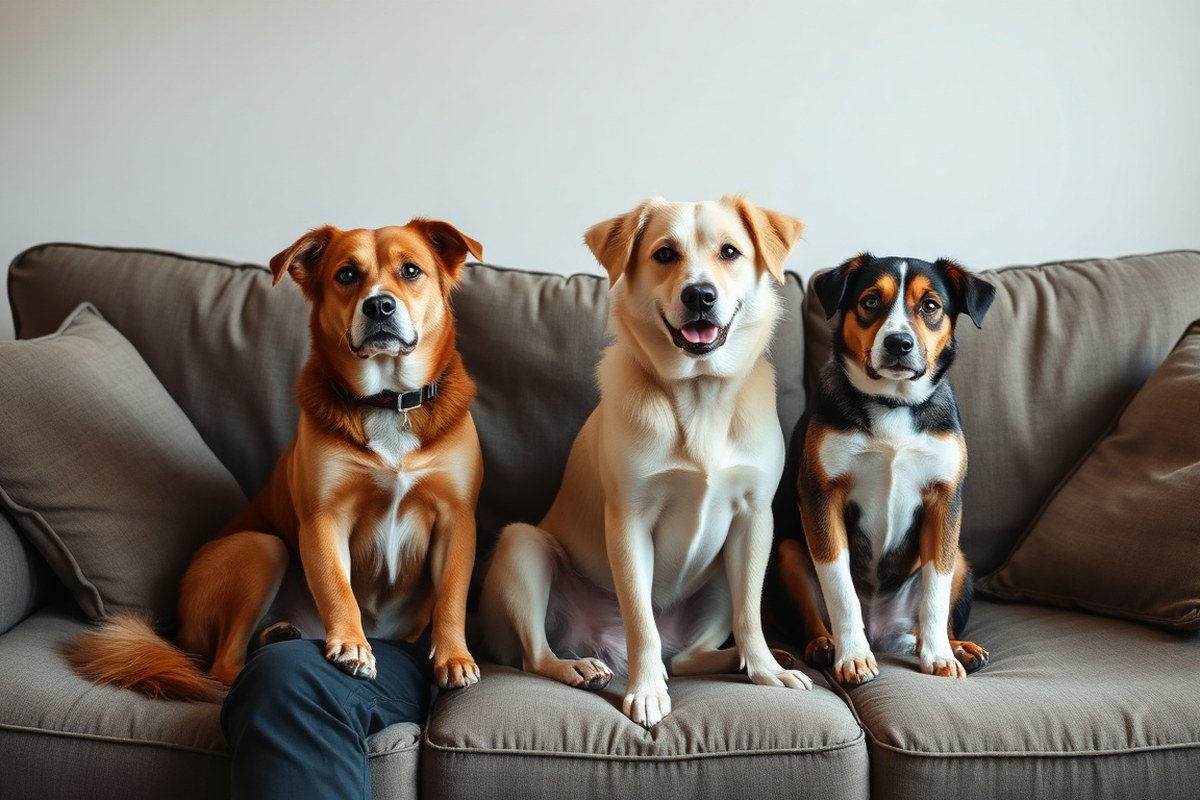
Your dog’s sitting position on you offers clues about its feelings and intentions. Sitting on your lap with a soft face, neutral ears, and easy breathing usually means your dog feels comfortable and enjoys the closeness and warmth. You should check if the dog can leave easily to make sure the closeness is voluntary, showing affection rather than anxiety.
When a dog rests across your feet with relaxed muscles and a calm gaze, it is finding a nearby resting place while maintaining social proximity. Notice which direction your dog faces, if it turns away but remains relaxed, it might be feeling secure enough to rest while keeping an eye on the environment. This position suggests trust but also a degree of vigilance.
Sitting on your chest is less common and tends to happen briefly with a loose body and soft movements. This often shows your dog’s trust and desire for close contact, especially if it happens during quiet moments together. Very brief or light contact can indicate comfort without demanding attention.
Your dog may sit with its back to you or between you and others to watch the surroundings or mark its spot. This behavior doesn’t always signal affection; sometimes it’s a way to guard or feel secure. Watch the body’s tension and facial expressions to distinguish between relaxed confidence and anxiety or territorial feelings.
Observing body language like ear position, muscle tension, and breathing pattern helps you interpret these different positions. For example, a dog staring intently while sitting on you might be seeking attention or feeling anxious. A dog with a soft gaze and blinking eyes is likely showing relaxation and affection.
Your next step depends on the situation: if the dog appears calm and happy, you can enjoy these moments and gently encourage or discourage lap sitting according to your preferences. Using a calm voice command like “off” followed by offering an alternative spot helps teach boundaries if needed.
Is It Safe and Healthy When My Dog Sits on Me?

Safety and comfort matter most when your dog chooses to sit on you, especially if your dog is large or heavy. While this behavior often shows affection or the need for security, it can create physical discomfort or even risk injury. Large dogs can put significant pressure on your joints, ribs, or abdomen, which may cause bruising or strain over time. Watch for signs like pain, numbness, difficulty breathing, or muscle soreness after your dog sits on you. These symptoms indicate that the weight is too much or not distributed well.
Dogs can also develop joint or muscle problems if they habitually jump up or stay seated awkwardly on owners. Encourage your dog to sit beside you instead if you see limping, stiffness, or reluctance to move afterward. For you, avoid letting a heavy dog sit on sensitive areas like your chest or stomach. Sitting on your thigh or lap can reduce pressure on vulnerable spots, especially if you can shift your posture to share some weight with a sturdy surface like a couch armrest or chair back. Implement a quick safety checklist: monitor your comfort level and your dog’s response; limit the duration of sitting sessions to under 10 minutes for large dogs; provide your dog with soft bedding nearby as an alternative resting spot; discourage jumping on until your dog is calm; observe your dog for signs of stress or pain such as whining or reluctance to move.
Keep in mind that some dogs may resist moving if they feel anxious. Redirect them gently by standing up and using calm commands before guiding them off. Consulting your veterinarian is a good idea if you notice any persistent discomfort for either of you. Following these steps keeps the loving habit safe without sacrificing either your or your dog’s health.
How to Manage and Train Your Dog’s Sitting Behavior
Train your dog to sit beside you by first creating a clear, rewarding routine. Start with your dog on a leash and ask them to sit on the floor next to your chair, using a cue like “sit beside me.” When they comply, immediately offer praise and a treat. Repeat this in short, consistent sessions lasting 5 to 10 minutes. This teaches your dog that sitting beside you earns rewards, distinguishing it from sitting on your lap or body.
Use a calm, firm “off” command by gently guiding your dog off your lap or body while saying “off.” For example, say “off” in a steady voice, hold a treat near their nose, and lure them to the floor. When all four paws are down, reward them. Avoid pushing or yelling as this may scare your dog. Practice this several times daily until your dog understands that “off” means moving away from you. Consistency and patience are key during this stage.
Offer attractive alternatives like a cozy dog bed or a designated “lap space” beside you. Place a favorite blanket or toy there and encourage your dog to use it by rewarding them when they settle there. This satisfies their need for closeness without the physical strain of sitting directly on you. For restless or attention-seeking dogs, increase exercise and interactive play to help reduce excessive sitting behaviors.
Expect gradual improvement over a few weeks of consistent training. Dogs learning to respect boundaries may first show some confusion or impatience, so keep sessions upbeat and end on a positive note. If your dog reacts with tantrums or stress to being moved off, slow the pace and reward any calm, alternative behaviour. For ongoing challenges or specific situations like meal times or phone calls, adapt your commands and rewards to the context to maintain clear communication.
When to Let Your Dog Sit on You and When to Set Boundaries
Allow your dog to sit on you when it’s calm and welcomed. This closeness often reflects your dog’s trust and affection. Enjoying your dog’s company by letting them sit on your lap or beside you during calm times is perfectly fine. Problems arise if the dog insists on sitting constantly, pushes onto you without permission, or shows signs of anxiety when stopped. That’s when you need to set clear limits.
Use a simple decision rule checklist: Let your dog sit on you if it’s gentle, does not interfere with your activities, and does not cause injury or discomfort. Redirect or discourage sitting if your dog displays restless or demanding behavior, there’s a risk of injury, or if someone else, such as a child, feels uneasy or unsafe. Gently guide your dog to a nearby bed or designated spot using treats and calm commands. Consistency helps your dog learn where it is appropriate to sit.
Consider the context and your dog’s emotional state. Sitting on you can be a sign of mild anxiety, especially during loud noises or moments of stress. It isn’t always separation anxiety but can be part of it. Severe cases, marked by destructive behavior or self-harm, require help from a veterinary behaviorist or certified trainer. Practice short separations to reduce anxiety gradually, and pay attention to behavior patterns before deciding if professional advice is necessary.
Watch for signs that the behavior is causing stress or injury. Dogs that are large or heavy may strain your joints or muscles over time. When the habit interrupts your routine, causes pain, or makes your dog aggressive, you should discourage it. Use positive reinforcement to teach alternative resting places without punishment. This balance protects both your comfort and your dog’s emotional health.
Quick-Start Action Plan for Managing Your Dog Sitting on You
Use these steps to understand and guide your dog’s sitting habits effectively. Each phase helps you see progress in comfort and control.
- Day 1: Observe where and how your dog sits on you. Note if it seems affectionate, anxious, or seeking attention.
- Week 1: Allow your dog to sit on you during calm moments only. Check if your dog settles quietly without demanding more attention.
- Week 2: Practice gently moving your dog off when you need space. See if your dog respects the boundary without fuss.
- Week 3: Reward your dog with treats or praise when they sit near you but not on you. Notice increased calmness and obedience.
- Week 4: Introduce a comfortable nearby spot like a dog bed. Encourage your dog to use it and watch for reduced on-top sitting.
- After 1 Month: Assess if your dog’s sitting habits align with your comfort and safety. Adjust boundary training if needed.
Frequently Asked Questions
Is It Normal for My Dog to Always Want to Sit on Me?
Yes, it’s normal for some dogs to want constant closeness. This can show trust and a need for comfort, especially in small breeds or those with attachment tendencies.
Why Does My Dog Only Sit on Me and Not Other Family Members?
Dogs often choose one person they feel closest to for sitting. This preference is based on bonding, interaction frequency, and comfort level with that person.
Is It Safe for My Dog to Sit on Me If They Are Large or Heavy?
Large or heavy dogs sitting on you can be unsafe, causing discomfort or injury. Encourage your dog to sit next to you instead to avoid strain on joints or breathing issues.
Why Does My Dog Sit on Me After I Come Home from Work?
Sitting on you after work is a way for your dog to reconnect and feel reassured. Dogs seek your attention and express happiness when you return.
Should I Allow My Dog to Sit on Me All the Time?
Allowing it depends on your comfort and space. It’s fine if you don’t mind, but setting limits helps maintain your personal space and the dog’s good manners.
Final Thoughts
Dogs sit on you mainly to show affection or feel secure. Encouraging good boundaries helps both of you enjoy close contact safely. Take a moment today to watch how your dog tries to sit on you, and use that insight to guide your next interaction.