How to Get Dog Pee Smell Out of Carpet: 5 Proven Steps That Work
Removing dog pee smell from carpet begins by quickly blotting the spot with paper towels to keep the urine from soaking in. Next, pour a mix of vinegar and water onto the area to neutralize odors. Let the carpet dry fully for the solution to work effectively.
Key Takeaways
- Blot fresh urine with paper towels to absorb liquid before it penetrates carpet fibers and padding.
- Mix 50% white vinegar with 50% water to create an effective natural deodorizer and stain remover.
- Saturate the affected carpet area fully with the vinegar solution and let it soak for 15 minutes to neutralize odors.
- Allow the carpet to air dry completely, preferably for 24 hours, to ensure deep odor removal.
- For mild odors, sprinkle baking soda on the dry carpet, wait 2 to 3 hours, then vacuum to absorb smells.
- Use enzymatic cleaners on old or stubborn urine spots to break down proteins that cause persistent odors.
1. Immediate Steps to Remove Dog Urine Odor from Carpet
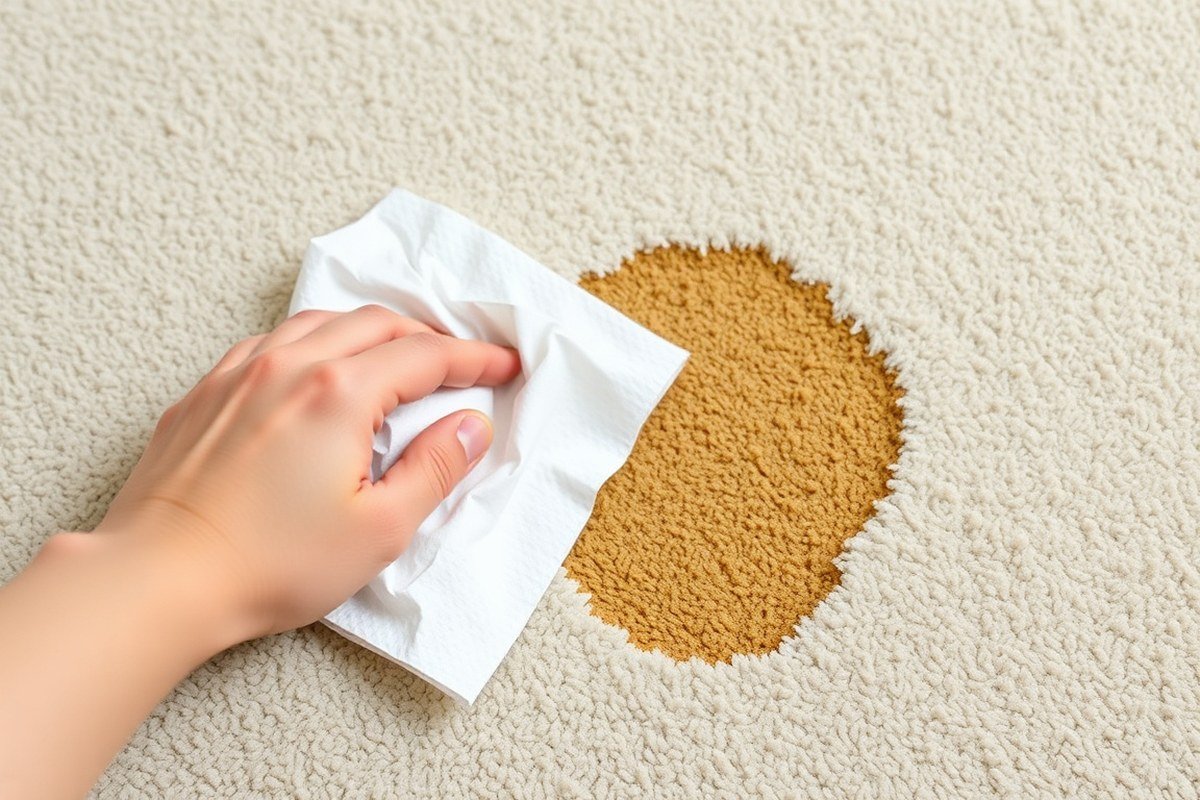
Clean up dog urine within 10 minutes to stop it from soaking deep into the carpet padding. The longer urine sits, the more firmly it sets, making odor removal much harder. Acting fast prevents the urine’s wet layer and uric acid crystals beneath from becoming permanent. Avoid rubbing the spot aggressively, which can push urine further into fibers and damage the carpet.
Start by blotting the area with paper towels or a clean cloth to absorb as much liquid as possible. Avoid using a colored towel that may stain or leaving wet cloths on the spot. Instead of wiping, gently press down repeatedly to soak up urine.
- Blot the urine spot immediately with paper towels or absorbent cloths
- Use cold or lukewarm water to avoid setting the stain, not hot water
- Apply a small amount of plain water to dilute urine if still wet, then blot again
- Do not scrub or rub the stain to prevent urine from reaching the padding
- Use a wet/dry vacuum to extract excess moisture, if available
- Have cleaning supplies ready: paper towels, spray bottle, mild detergent, wet/dry vacuum (optional)
- Open windows or turn on fans to speed drying of the carpet
Having these supplies on hand lets you respond quickly to accidents. Avoid harsh chemicals right after an accident as they can fix stains or leave residues that attract dirt. Once you’ve blotted and minimized wetness, follow up with deeper cleaning methods later to fully eliminate odors and stains. Quick action both limits immediate smell and reduces the chance of repeat accidents by your dog sensing lingering odor.
2. Home Remedies That Effectively Neutralize Dog Pee Smell
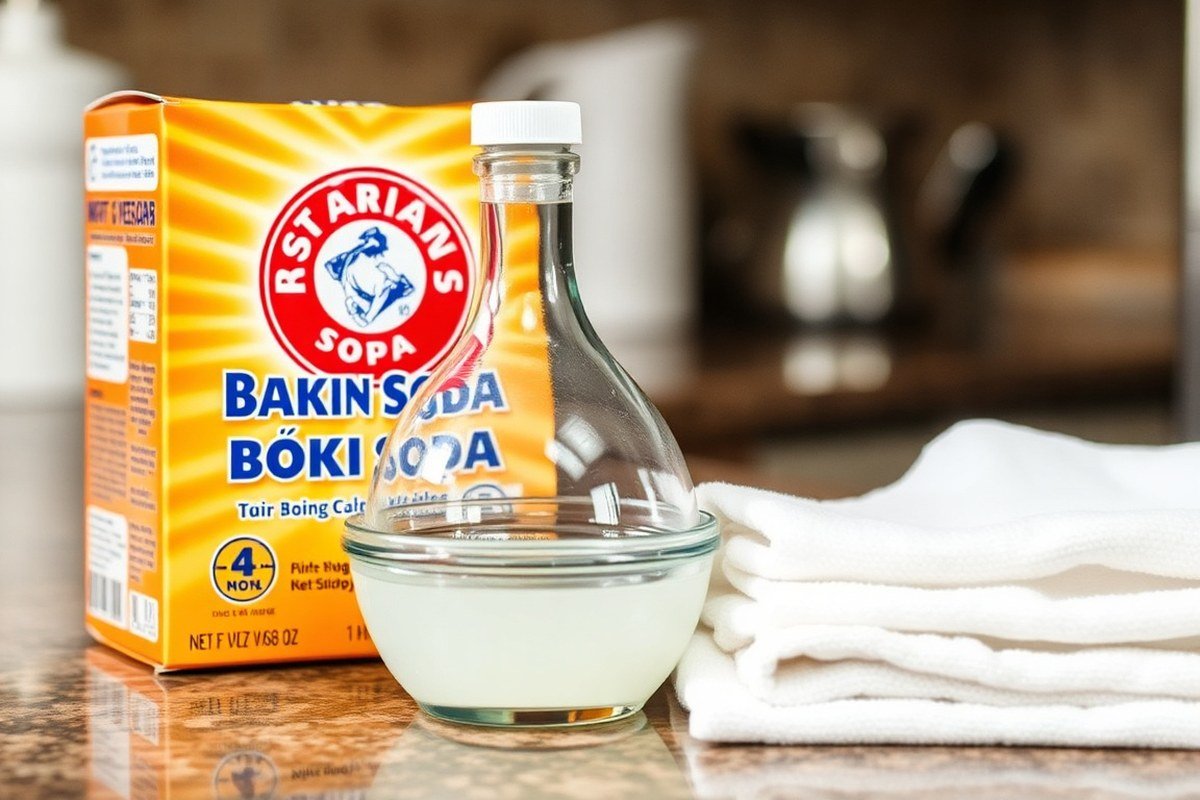
Using common household products like white vinegar, baking soda, and hydrogen peroxide offers a practical way to neutralize Dog pee smell from carpet. These ingredients work by neutralizing ammonia in urine, absorbing moisture, and breaking down stain molecules. Vinegar and baking soda suit both fresh and old urine but work best on light stains. Hydrogen peroxide combined with baking soda and a mild dish soap can lift stains on light-colored carpets. All are safe for most carpets when tested in an inconspicuous spot first and do not harm pets once fully dry. Follow these steps to apply these home remedies effectively:
- Mix a cleaning solution: Combine 1 cup of white vinegar with 1 cup of warm water in a spray bottle. For tougher stains on light carpets, mix 1/2 cup hydrogen peroxide, 1 teaspoon dish soap, and 1/4 cup baking soda in a bowl, stir gently to avoid fizzing over.
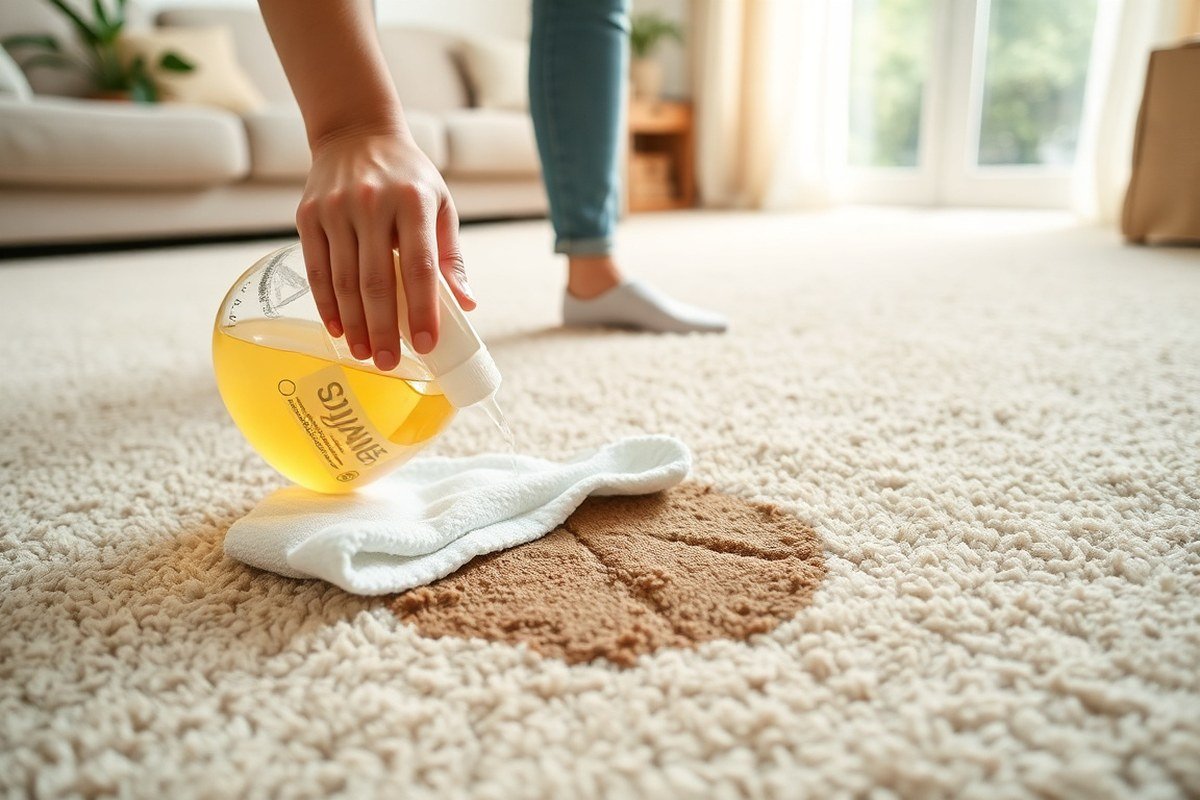
- Apply vinegar solution: Spray the vinegar and water mixture evenly over the urine stain until fully saturated. Let it sit for 15 minutes to neutralize odors.
- Sprinkle baking soda: After vinegar treatment, sprinkle a generous layer of baking soda over the damp carpet. Baking soda absorbs odors and dries out moisture.
- Use the peroxide mix (optional): For light-colored carpets with visible stains, apply the hydrogen peroxide mixture carefully. Avoid colored or delicate carpets to prevent discoloration.
- Let it sit: Allow the baking soda and cleaning agents to sit for 2-3 hours or until completely dry. This wait time maximizes odor absorption and stain breakdown.
- Vacuum thoroughly: Vacuum the treated area completely to remove all baking soda and residues, leaving the carpet clean and fresh.
- Test in advance: Always test each cleaning solution on a small carpet area to check for colorfastness and surface reaction before full application.
Costs are minimal, often under $5 for these ingredients, and the process removes odors without harsh chemicals. These home treatments may not fully break down old, deep-set urine crystals, which can cause lingering smells if left untreated. Safety precautions include ensuring carpets dry fully to prevent mold growth and keeping pets away until the treated area is dry. For persistent odors, enzymatic cleaners may be required to completely neutralize urine compounds.
3. Using Enzymatic Cleaners to Eliminate Deep-Set Urine Odors
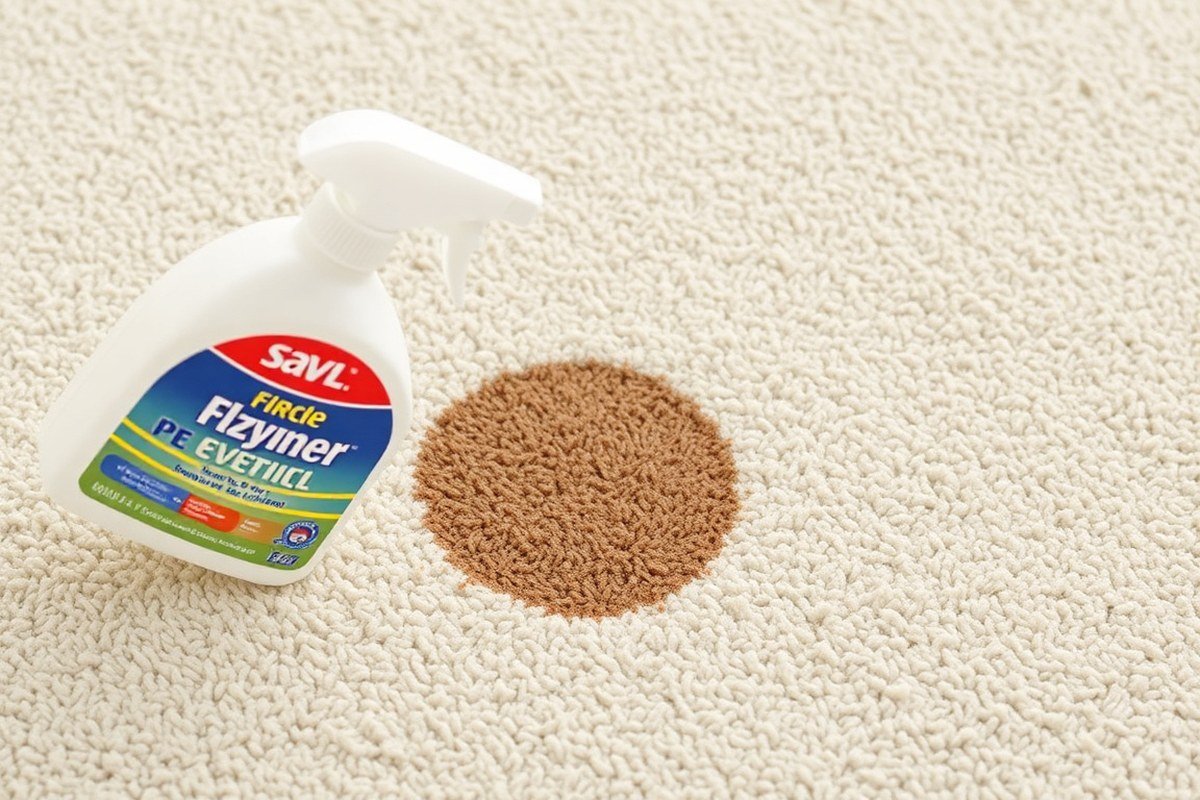
Enzymatic cleaners are specially formulated products designed to break down the organic compounds found in dog urine. They contain enzymes such as uricase that convert uric acid, a major source of urine odor, into harmless carbon dioxide and water. This process effectively eliminates the source of the smell rather than masking it like traditional cleaners.
For dog owners dealing with pee spots on carpet, enzymatic cleaners are highly recommended because urine can soak deep into the carpet fibers and padding. Look for pet-safe products labeled for dog urine and pet stains. Popular options include Woolite® Carpet Pet Urine Eliminator and other brands specifically formulated for pet odors.
To apply the cleaner, first blot up any fresh urine with paper towels. For light urine spots, spray the enzymatic cleaner generously over the area until the carpet is damp but not soaking. For heavy or older stains, apply enough to saturate through to the carpet padding. Let the cleaner sit without disturbance for at least 10 to 15 minutes, or longer if the stain is older or more severe. Some manufacturers recommend allowing the solution to air dry on the carpet for several hours or overnight to maximize enzyme activity.
After the waiting period, blot any excess moisture with a clean cloth or towel. If you still detect a urine smell, repeat the application once or twice. Persistent odors may require a stronger commercial enzymatic cleaner or professional treatment, especially if the urine soaked deep into carpet padding or subflooring.
For best results, treat the stained area as soon as possible after noticing the accident. Regular use of enzymatic cleaners can help prevent dogs from repeatedly urinating in the same spot by completely removing odor cues that attract them. Proper application and sufficient dwell time are key steps that maximize the cleaner’s effectiveness in Eliminating deep-set dog urine odors.
4. When to Use Professional Cleaning and Steam Treatments
Persistent pet urine odors often need professional cleaning and steam treatments. Urine can seep into carpet fibers, padding, and the subfloor, which regular cleaning may not reach. Steam cleaning uses hot water vapor near 200°F to break down and remove urine buildup. This process can remove stubborn stains and neutralize odors effectively.
Professionals often combine steam cleaning with enzymatic or chemical treatments to fully eliminate old or deep carpet urine stains. When odors remain after two deep cleanings, urine has likely penetrated down to the subfloor. In such cases, carpet pad replacement or additional specialized cleaning might be required. Professional dry-cleaning companies offer advanced stain treatment to address visible stains alongside odors.
| Method | Effectiveness on Deep Urine Odors | Typical Cost | Risks |
|---|---|---|---|
| Steam Cleaning | Good for deep fiber cleaning and odor removal | $100, $250 per room | Potential carpet shrinkage or damage if over-wet; generally safe for pets post-drying |
| Enzymatic Professional Treatment | Targets urine breakdown at molecular level, very effective | Included or $50, $100 extra | Usually safe; follow pet reentry time guidelines |
| Carpet Pad Replacement | Necessary if urine reached subfloor | $300, $700 depending on area | More invasive; temporary disruption during replacement |
Choose a professional service with experience in pet odor removal and positive reviews. Confirm if the service includes enzymatic cleaning combined with steam or hot water extraction since this combination improves odor removal. Verify the drying time and pet-safe practices, avoiding harsh chemicals that could harm pets or damage carpet fibers. Ask about follow-up treatments if odors return, as persistent smells often need repeated interventions to fully resolve. Request an estimate based on your carpet size and urine severity to plan your budget effectively.
5. Preventing Dog Urine Odors and Repeat Accidents on Carpet
Stopping dog pee smell from coming back starts with training your dog to avoid carpeted areas for bathroom breaks. Consistent house training helps, whether your dog is a puppy or older. When your dog makes a mistake, clean the spot promptly and thoroughly to prevent odor buildup. You can also discourage accidents by limiting your dog’s access to carpeted rooms when unsupervised. Grooming contributes as well; regular cleaning of your dog’s coat and paws reduces the amount of urine odor and bacteria brought indoors, which can lower the overall smell in your home.
Protecting carpets with specialized products gives an added layer of defense. Carpet sealants, washable rugs, and plastic carpet covers block urine from soaking deep into carpet fibers and padding. These products usually cost between $20 and $50 for small to medium areas and can save you the expense of professional cleaning later. To keep carpets fresh, vacuum at least 2 to 3 times a week. This routine removes urine residues and reduces odor-causing bacteria before smells take hold.
- Use positive reinforcement to reward dogs for going outside
- Limit carpet access during training or when dogs are restless
- Keep your dog well-groomed and dry, focusing on paws and fur
- Place washable mats near doors and beside dog beds
- Apply carpet protectors in high-traffic or accident-prone spots
- Vacuum carpets frequently to remove odor sources
- Use air purifiers to filter airborne odor particles
For dogs that repeatedly urinate indoors, evaluate possible medical or behavioral causes. Consult a veterinarian to rule out incontinence or urinary tract infections, especially in older dogs. Behavioral issues like anxiety may require training adjustments or professional help. Consistency and patience are key to preventing repeat accidents and the return of strong dog urine odors on carpeted surfaces.
Step-by-Step Action Plan to Remove Dog Pee Smell from Carpet
Follow this straightforward plan to tackle dog urine odor effectively and restore freshness to your carpet.
- Immediately after the accident: Blot the urine with paper towels or a clean cloth to absorb as much liquid as possible. The odor will lessen if you act before it soaks deep.
- Within a few hours: Apply a home remedy like a vinegar and water mixture to neutralize odor. You’ll know it worked when the strong smell fades significantly.
- 1 to 2 days later: Apply a pet urine enzymatic cleaner to the carpet. After the cleaner has dried, see if the odor is gone.
- After one week of persistent odor: Consider renting or purchasing a steam cleaner with pet stain removal solution. The odor should reduce noticeably after this treatment.
- Odor remains after two weeks: Reach out to a professional carpet cleaner for help. They’ll identify deep-set urine and use treatments that home methods can’t match.
- Ongoing: Restrict your dog’s access to cleaned areas until the carpet is fully dry to prevent repeat accidents and odors.
- Regularly: Wash your dog and keep nails trimmed to reduce chances of marking indoors and to maintain a fresh-smelling home.
Frequently Asked Questions
Can I Use Bleach to Remove Dog Pee Smell from Carpet?
Bleach is not recommended because it can damage carpet fibers and intensify odors. Instead, use enzymatic cleaners that break down urine molecules for safe and effective odor removal.
How Does Baking Soda Help with Dog Pee Smell on Carpet?
Baking soda absorbs odors and moisture, making it a helpful tool for freshening carpets. Sprinkle it on the affected area after cleaning, let it sit for several hours, then vacuum thoroughly.
How Often Should I Clean Carpet After a Dog Urine Accident?
Clean the spot immediately after the accident and follow up with a deep clean weekly if repeated accidents occur. Prompt action prevents odor setting and discourages repeat urination.
Is It Safe to Use Hydrogen Peroxide on All Carpet Types?
Hydrogen peroxide can lighten or damage some carpets, especially natural fibers. Test a small, hidden area first before applying broadly to avoid discoloration.
Can an Air Purifier Help Reduce Dog Urine Smell in Carpeted Rooms?
An air purifier helps reduce airborne odors but won’t remove urine odors embedded in carpet fibers or padding. Cleaning the source is essential for lasting odor control.
The Bottom Line
Removing dog pee smell from carpet takes a combination of quick action, proper cleaning products, and knowing when to get professional help. Start by treating fresh accidents promptly and monitor the odor as you apply home or enzymatic cleaners. When odors persist, professional cleaning offers a way to protect your carpet’s look and your home’s comfort. Try applying an enzymatic cleaner today to see a clear difference in odor control.