How to Get Skunk Smell Off Dog: Simple Steps for Fast, Safe Removal
To get rid of Skunk smell from your dog, act quickly with a specific homemade solution. Mix 1 quart of 3% hydrogen peroxide, 1/4 cup of baking soda, and 1 teaspoon of liquid dish soap. Thoroughly apply this mixture to your dog’s coat, let it sit for 5 to 10 minutes, then rinse off completely with warm water for effective odor removal.
Use fresh 3% hydrogen peroxide and avoid higher concentrations to protect your dog’s skin. Treat your dog within 15 to 30 minutes after the spray for the best results.
Key Takeaways
- Treat your dog promptly, ideally within 15-30 minutes after skunk contact, to maximize odor removal effectiveness.
- Use a homemade mixture of 1 quart 3% hydrogen peroxide, 1/4 cup baking soda, and 1 teaspoon liquid dish soap for safe odor removal.
- Avoid hydrogen peroxide stronger than 3% to prevent skin irritation or burns on your dog.
- Apply the solution carefully, avoiding your dog’s eyes, and let it soak for 5 to 10 minutes before rinsing.
- Rinse your dog thoroughly with warm water after treatment to wash away dissolved skunk oils and neutralize odor.
- Keep your dog dry before applying the peroxide solution, as wet fur reduces its effectiveness.
How to Safely Remove Skunk Smell from Your Dog at Home
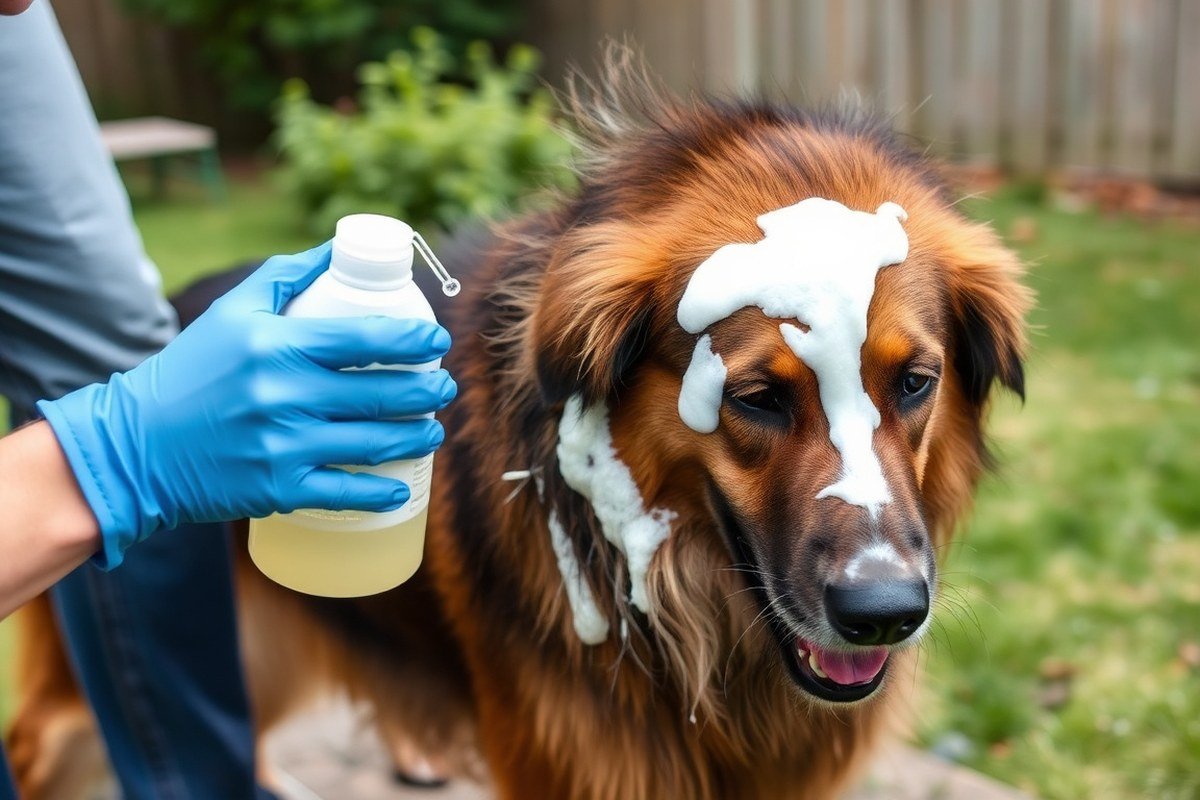
The best immediate method to remove skunk smell from your dog involves using a proven homemade mixture made from ingredients you likely have at home. This solution neutralizes the skunk’s oily spray by breaking down the sulfur compounds that cause the odor. Acting quickly is important, as skunk oils can soak deeply into fur and skin. Applying this mixture carefully, especially around your dog’s sensitive face area, helps avoid irritation while effectively reducing the strong smell.
Use a solution of 1 quart 3% hydrogen peroxide, 1/4 cup baking soda, and 1 teaspoon liquid dish soap right away after your dog gets sprayed by a skunk to reduce the smell. Avoid leaving it too long on dark fur to prevent slight color fading. Be sure to keep the mixture away from your dog’s eyes and nose for safety.
- Prepare the mixture by combining 1 quart of 3% hydrogen peroxide with 1/4 cup baking soda and 1 teaspoon liquid dish soap in a large bowl or bucket. Stir gently until the baking soda has fully dissolved.
- Contain your dog outside: Keep your dog in a safe, contained outdoor area to avoid spreading the smell inside your home while you clean them.
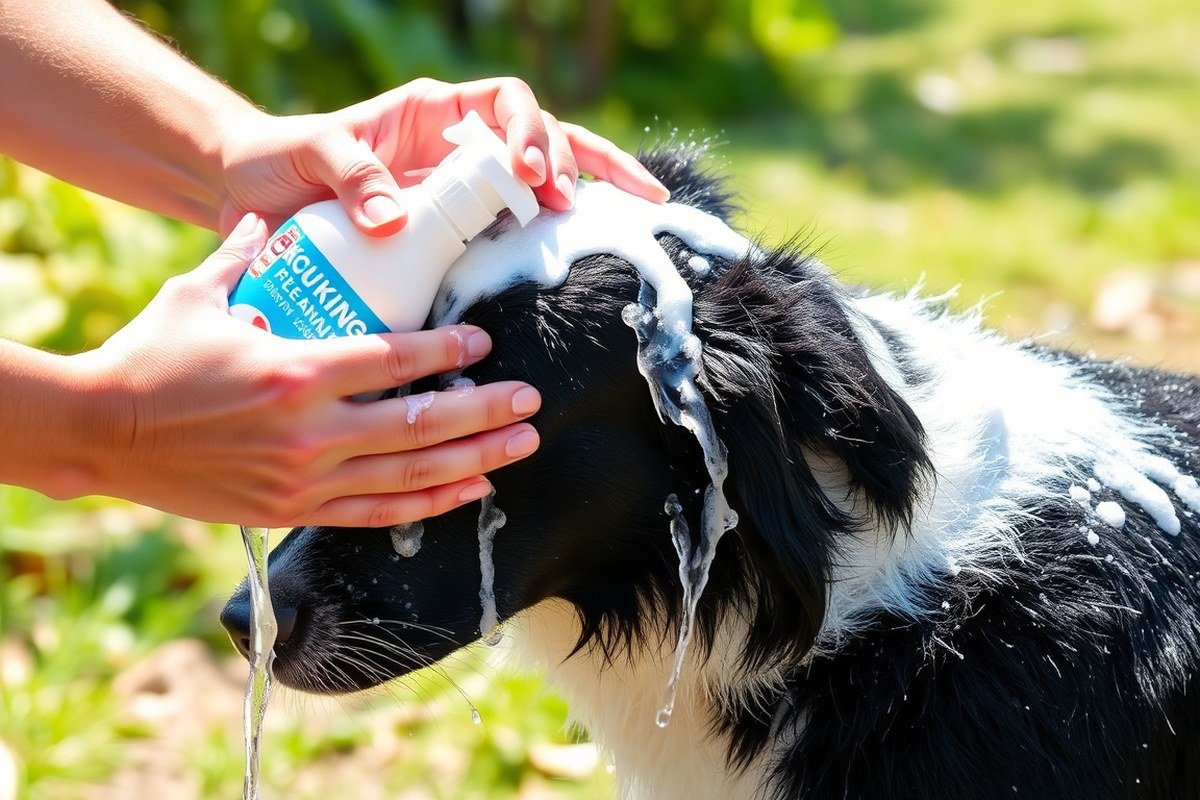
- Apply to the body: Wearing gloves, pour or sponge the mixture over your dog’s body, avoiding the eyes and nose. Work the solution gently into the fur.
- Treat the face carefully: Use a cloth or sponge soaked in the mixture to wipe the dog’s chin, cheeks, forehead, and ears. Keep the solution out of the eyes and nose.
- Let the solution sit: Allow the mixture to remain on your dog’s fur for 5 to 10 minutes, but not longer if the dog has dark fur to avoid color fading.
- Rinse thoroughly: Wash your dog with warm water to remove all traces of the solution and skunk spray.
- Dry your dog gently: Use a towel to dry your dog or let them air dry. Avoid using a blow dryer since heat can lock the odor into the fur.
Persistent odor after drying calls for allowing your dog’s coat to dry fully, then repeating the treatment one more time. This method usually reduces the smell significantly with just one or two treatments. Be aware that the skunk smell may linger for days especially if your dog gets wet again, since water can reactivate the oils causing the odor.
When and How Often Should You Treat Your Dog for Skunk Odor?
Start treatment within 15 to 30 minutes after your dog has been sprayed. Acting quickly helps prevent the skunk oils from sinking deep into the fur and skin, which makes odor removal much harder. First, take your dog to a safe, comfortable outdoor area. Avoid bringing the smell inside your home, and protect your own breathing by stepping away from your dog’s face.
You can safely bathe your dog more than once, but avoid bathing multiple times in a single day. Use a Specialized skunk odor remover or a homemade mixture that includes baking soda, dish soap, and 3% hydrogen peroxide. Allow your dog’s skin to recover between treatments by waiting at least 24 hours before another wash. Repeated bathing within hours can dry out skin and cause irritation, which will add to your dog’s discomfort.
Expect to repeat the washing process two or three times over several days if the odor persists. After thorough skunk-specific treatments, use a standard dog shampoo to finish cleaning your dog’s coat. Lingering skunk smell can last weeks or even months, especially in dogs with long or dense fur since the less volatile compounds remain trapped and reactivate when wet.
Signs that the treatment is working include a noticeable reduction in odor intensity and a lack of the pungent, oily smell when your dog is dry and after bathing. Persistent, strong skunk odor despite repeated treatments suggests the oils are deeply embedded, and trimming fur or seeking veterinary advice may be necessary. Keep observing your dog for signs of stress or skin irritation, and always follow product instructions closely to protect your pet’s health.
Comparing Homemade Solutions and Commercial Skunk Odor Removers
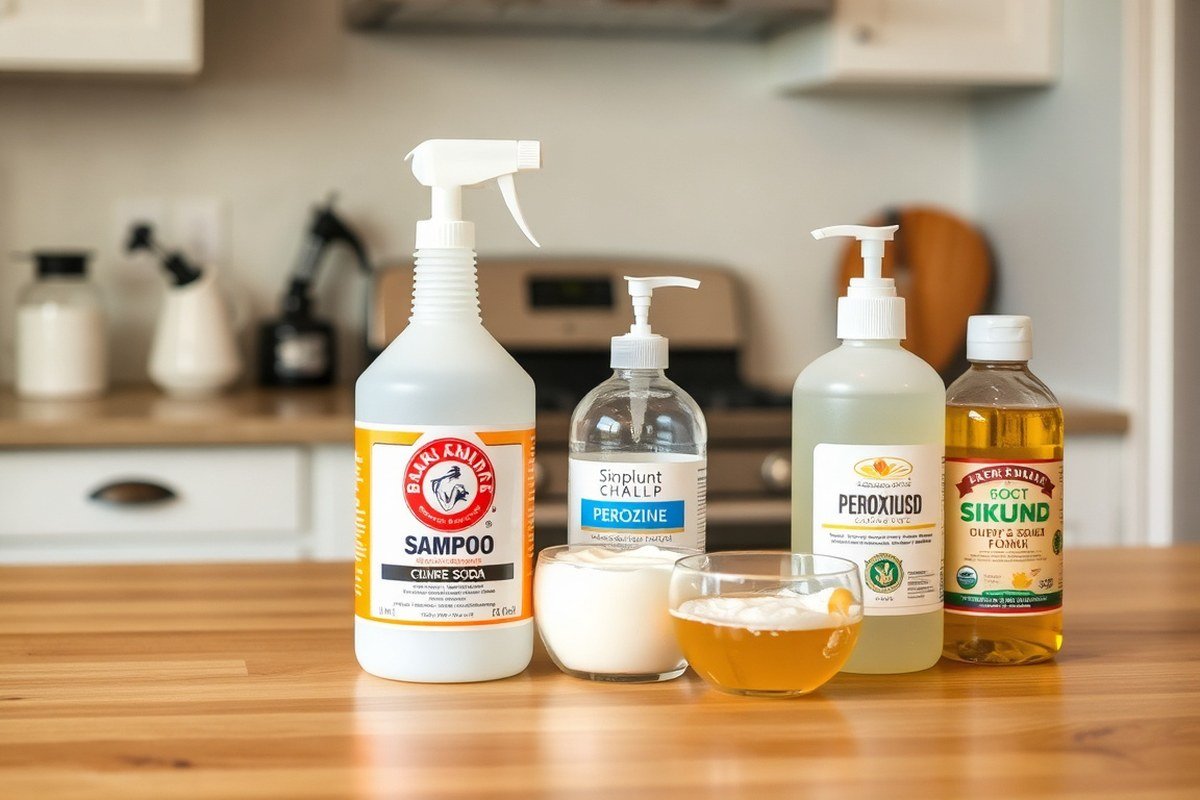
Many Home remedies for skunk smell on dogs, like tomato juice, are popular but typically ineffective. Tomato juice only masks the odor temporarily without breaking down the odor-causing compounds. A better homemade treatment uses 1 quart 3% hydrogen peroxide, 1/4 cup baking soda, and 1 teaspoon liquid dish soap, which neutralizes the thiols responsible for the smell. Use this solution promptly and avoid leaving it on too long to prevent skin irritation and maintain its effectiveness as oxygen escapes over time.
Commercial skunk odor removers are usually designed to neutralize and break down the skunk scent, rather than just covering it up. Prices typically range from $10 to $25 per product, depending on size and brand. Many contain enzymes that permanently remove odor molecules. They are formulated to be safe for dogs’ skin and generally easier to use: just apply, rinse after a few minutes, and repeat if necessary. These products are especially valuable if home remedies fail to eliminate the smell after one or two treatments.
Common mistakes include using tomato juice or plain water alone, which only mask or spread the smell further. Also, using over-concentrated hydrogen peroxide mixtures or letting the solution sit too long on your dog can cause skin irritation. Rushing the cleaning process or skipping a thorough rinse often leaves residual odors. It’s important to stay calm and keep your dog contained to prevent the smell from spreading indoors during treatment.
For example, if you want a quick, low-cost first attempt, try the homemade hydrogen peroxide mix but mix only what you will use immediately and rinse thoroughly within 5 minutes. In cases of severe or persistent odor, commercial skunk odor removers offer better safety and consistent results, justifying the extra cost and ease of use.
Safety Tips and Precautions When Removing Skunk Smell
Skunk spray contains hydrogen sulfide, a chemical that irritates both eyes and lungs, posing risks to your dog and you. Protect yourself by wearing gloves and working outdoors to keep the smell from spreading indoors. Avoid using harsh shampoos or household cleaners on your dog as they can worsen skin irritation.
Cleaning your dog’s face requires special care. Tilt the dog’s chin upward to prevent skunk oil from running into the eyes. Use a damp washcloth to gently wipe the face, moving away from the outer eye area. If the eyes are red or irritated, flush them gently with cool, clean water immediately. Persistent redness or frequent rubbing of the face warrants a veterinary visit.
Keep collars and clothing away from freshly sprayed fur until washing them separately. Skunk oil clings tightly and can easily transfer back onto your dog or household fabrics. Wash collars with a strong detergent and soak clothes in a mixture of water and baking soda before laundering.
- Wear gloves and avoid inhaling fumes directly
- Work outdoors or in a well-ventilated area
- Do not use vinegar or harsh chemicals on your dog’s skin
- Tilt the dog’s chin up when cleaning the face to avoid eye contact
- Flush eyes with cool water if irritated
- Wash collars and clothing separately with strong detergent
- Consult a veterinarian if spray got in eyes, mouth, or wounds
Spray close to the face can cause rare but serious conditions like Heinz body anemia, so professional advice is important if your pet shows signs of distress. Handling skunk odor promptly and carefully protects your dog’s skin and eyes while minimizing long-lasting odor and damage to household items.
When to Seek Professional Help for Skunk Odor and Related Issues
Seek a vet or professional groomer if the skunk smell on your dog persists beyond 48 hours despite home treatments. Persistent odor may indicate that the oils have deeply penetrated the fur or skin, requiring stronger or more specialized solutions. You should also contact a veterinarian immediately if your dog shows any signs of irritation, such as redness, swelling, excessive scratching, or if they are coughing, sneezing, or having difficulty breathing. Skunk spray can cause eye irritation or respiratory distress, which need prompt medical attention.
Professional groomers often recommend treatments like the Massengill brand douche to neutralize skunk odor effectively. These treatments typically involve soaking the dog thoroughly, as shorter soaking times have shown to leave residual odor. Groomers and vets have access to stronger deodorizing agents and can ensure these are applied safely without damaging your dog’s skin or coat. They may also advise on specialized shampoos or medicated baths tailored to your dog’s needs.
Professional treatment costs can range from $50 to $150 depending on the severity of the odor and location. Vet visits might add to this if medical treatments are necessary. In some cases, your vet could prescribe medications or supplements to reduce inflammation or allergic reactions caused by the skunk spray. Ongoing care may be required for dogs with sensitive skin or repeated exposures, which adds to long-term expenses but prevents complications.
A simple decision checklist to help you decide when to see a professional: if your dog’s skunk smell remains strong after two full days of home treatment, if your dog’s eyes or skin look irritated, or if your dog develops respiratory symptoms. Call your groomer or vet explaining these symptoms and ask about their approach to skunk odor removal. Expect thorough soaking treatments and possibly follow-up baths or medications. This approach ensures a thorough and safe resolution of the skunk problem for both you and your dog.
Step-by-Step Action Plan to Remove Skunk Smell from Your Dog
Follow these steps carefully to get rid of skunk odor safely and quickly. Each phase helps you reduce the smell while protecting your dog’s skin and health.
- Immediately after encounter: Keep your dog outside to prevent the smell spreading indoors. Use gloves and avoid touching your face or eyes.
- Within 15 minutes: Rinse your dog thoroughly with cool water to remove surface oils. You’ll know it’s working if the fur starts to feel less oily.
- Within 30 minutes: Apply a homemade or commercial skunk odor remover, working it gently into the fur. Leave it on for at least 5 minutes before rinsing.
- After first wash: Check the smell. Repeat the application once more when it persists. Avoid more than two treatments in one day to protect your dog’s skin.
- Next 24 hours: Keep your dog away from areas with strong odors and monitor for signs of irritation or distress. Use a mild dog shampoo for regular baths to help fade residual odor.
- Within 48 hours: If smell remains strong or your dog shows skin redness, swelling, or unusual behavior, contact your veterinarian.
- After odor is gone: Continue to brush your dog’s coat regularly and avoid reexposure to skunks to prevent recurrence.
Frequently Asked Questions
How Soon Should You Bathe Your Dog After a Skunk Spray?
Bathe your dog immediately after being sprayed to prevent the skunk oil from sinking deeper into the fur, which can make the smell last longer and harder to remove. Acting fast reduces the intensity of the odor.
Can Trimming Your Dog’s Fur Help Reduce Skunk Smell?
Yes, trimming the fur can reduce the amount of skunk oil trapped, particularly in long-haired dogs. Consider a groomer if you’re not comfortable trimming at home; this helps speed up odor removal.
Is It Safe to Use Human Shampoo to Remove Skunk Smell from Dogs?
Human shampoos are not recommended because they may irritate your dog’s skin and won’t effectively neutralize skunk odor. Use products formulated for pets or the recommended homemade solution instead.
How Can You Prevent Skunk Odor from Spreading Indoors?
Keep your dog outside or in a well-ventilated area until fully cleaned and dry. Cover furniture and bedding and wash anything that might have contacted the dog to avoid lingering smells.
What Household Items Should You Avoid While Cleaning Skunk Smell on Dogs?
Avoid using bleach or ammonia-based products on your dog as they can harm their skin and worsen the smell. Stick to recommended safe homemade remedies or pet shampoos.
Key Points to Remember
Removing skunk smell from your dog is a process that requires prompt action and careful choice of cleaning method. Use the right mixture or commercial product safely and repeat treatment only when needed. Notice any physical problems or lingering odor beyond two days requires professional help as the safest next step. Start the treatment as soon as possible to keep your dog comfortable and your home smelling fresh.