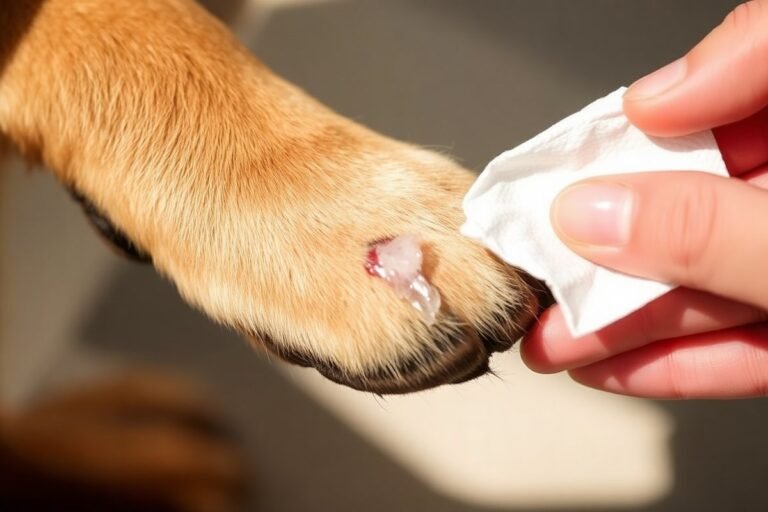

How Many Nipples Does a Dog Have? Complete Guide with Insights and Care Tips
How many nipples does a dog have? Most dogs have between 6 and 10 nipples, typically arranged in two symmetrical rows along the abdomen. Some dogs may have fewer or more, even an odd number like 9, and this variation is normal and not harmful. Start by gently checking your dog’s belly to count the nipples and note their placement for better health monitoring or vet visits.
Key Takeaways
- Most dogs have 6 to 10 nipples, usually evenly split on both sides of the abdomen.
- Dogs can have an odd number of nipples, like 9, without any health issues.
- Male and female dogs generally have the same number of nipples.
- It’s normal for a dog to have anywhere from 2 to over 10 nipples, depending on breed and genetics.
- Nipples are arranged in two rows along the belly, often with 3-5 on each side.
- Checking nipple count and condition can help detect early health changes or pregnancy.
How Many Nipples Does a Dog Usually Have?
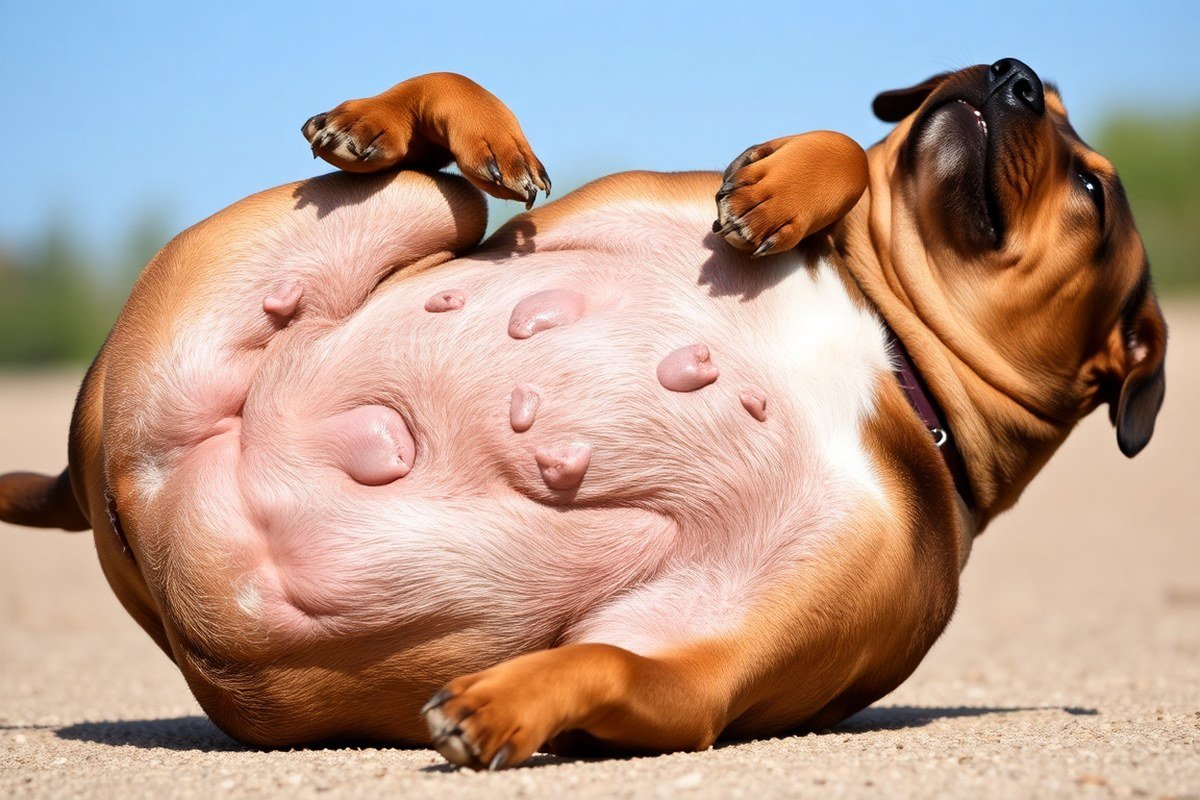
Most dogs typically have between six and ten nipples, with eight being the average count for both males and females. These nipples usually appear as pairs along the belly, though the exact number can vary depending on breed and genetics. It’s common to find dogs with as few as six or as many as twelve nipples, all within a normal range.
While nipples generally come in pairs, it’s not unusual for dogs to have an odd or uneven number. Some dogs might have nine nipples or even more, which is a harmless variation and doesn’t affect their health. Variations like this can occur naturally and even dogs within the same litter might have different nipple counts. The presence of an odd number is less common but still normal.
The number of nipples doesn’t differ significantly between genders; male dogs generally have the same range of nipples as females, between six and ten in most cases. Because nipples in dogs result from shared mammalian developmental patterns, both sexes develop them regardless of their reproductive role. The small size and sometimes hidden position of nipples beneath fur can make counting them challenging, but knowing that a count from six to twelve is typical helps you understand what to expect.
Do Male and Female Dogs Have Different Numbers of Nipples?
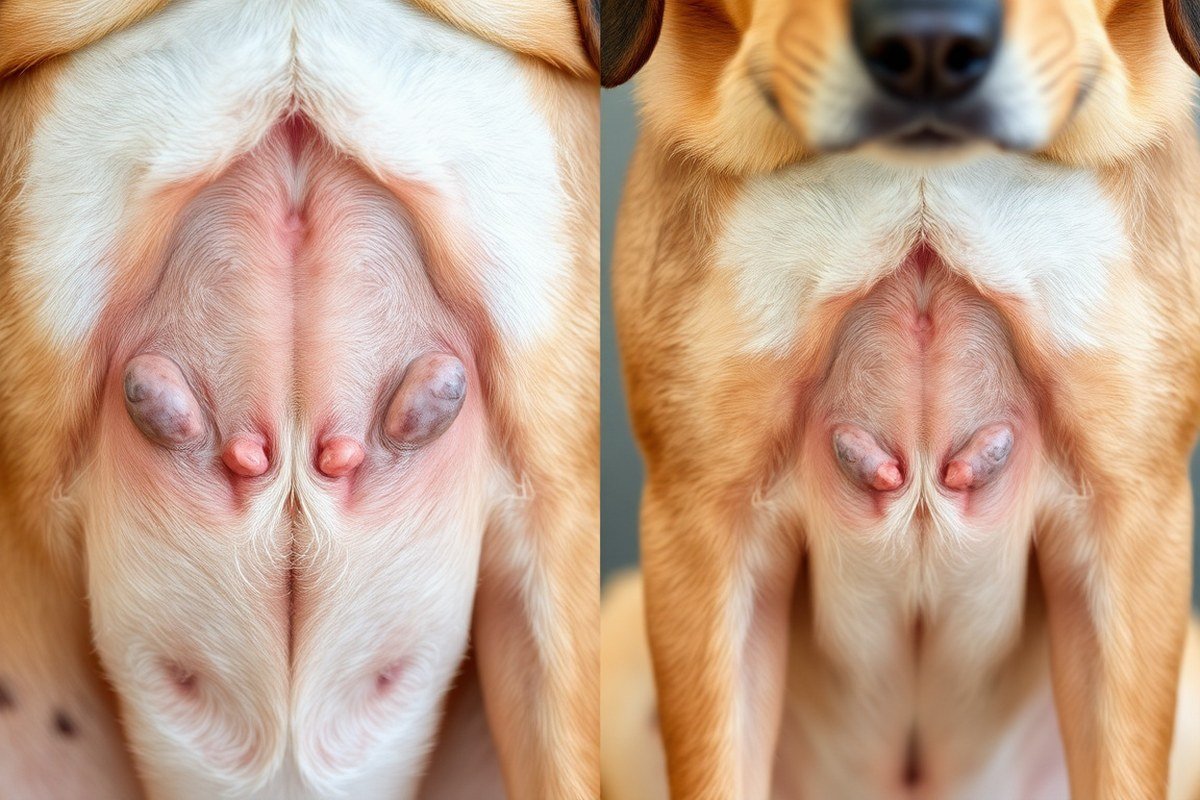
Dogs, regardless of gender, usually have six to ten nipples in two rows running down the belly. You can expect to see about three to five nipples on each side. These nipples look like small, rounded bumps along the abdomen and look quite similar in both males and females. Male dog nipples are often smaller and less pronounced, though their count is generally the same as in females.
The biological reason behind this is that puppies develop nipples before their sex organs form during embryonic growth. This means all puppies start with nipples, so Male dogs do have nipples just like female dogs do. The development of reproductive organs happens later, after the nipples have formed. This is why you can’t use nipple count or presence to determine a dog’s sex reliably.
Unlike female dogs, male dog nipples are Not functional because they do not produce milk. Female dogs’ nipples become active for nursing puppies after pregnancy, but male nipples remain dormant throughout their lives. Even so, male nipples can still sometimes be affected by medical issues, such as mammary gland tumors, though this is rare. Knowing this biology helps you understand why your male dog has nipples despite their obvious lack of nursing function.
Where Are Dog Nipples Located and How to Recognize Them
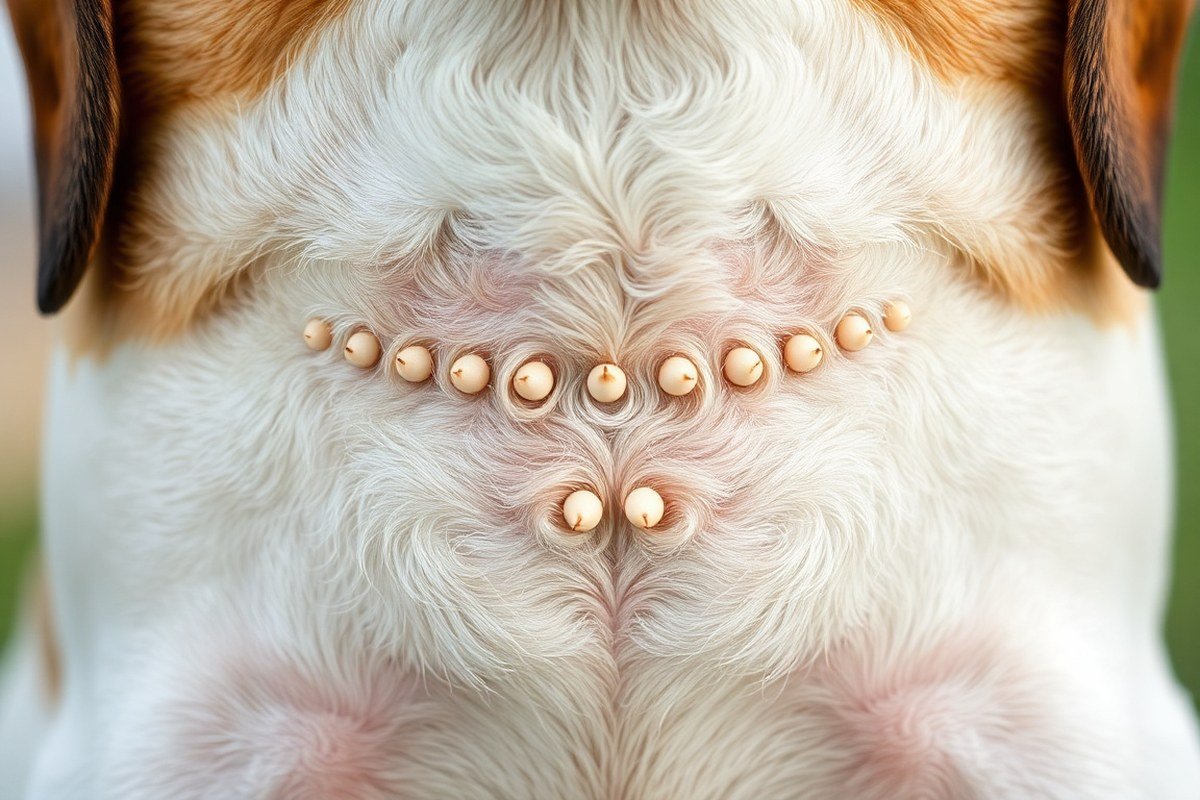
Dog nipples are typically arranged in symmetrical pairs along the underside of the body, stretching from the chest near the armpits down to the lower belly close to the groin. You can expect to find these evenly spaced in two parallel rows. Most often, they look like small, raised bumps that vary in color from the same tone as your dog’s skin to darker, pigmented shades. They are usually about the size of a pimple or bug bite, making them subtle but consistent features in these areas.
Distinguishing nipples from ticks, skin irregularities, or infections involves close observation and touch. Nipples are smooth, fixed bumps that feel like tiny pimples or cysts and do not move independently from the skin. They stay in the characteristic locations mentioned above and maintain a consistent shape and size unless swollen. Ticks, on the other hand, tend to be darker, irregularly shaped, and may have visible legs; you can detect them by gently running your fingers over your dog’s skin and feeling for movable bumps. A tick is not smooth connected to the skin and might move or detach under slight pressure, unlike a nipple.
Skin inflammation around the nipples might cause swelling or redness, mimicking enlarged nipples. Inflamed skin usually shows additional signs such as hair loss, redness, or irritation, often extending beyond the nipple itself. Because the skin around nipples has less hair, it is more susceptible to allergens, making this inflammation more noticeable.
Always inspect the location carefully. Nipples appear only along the ventral area, so any nipple-shaped bump found elsewhere on your dog should be checked by a veterinarian. Checking for color uniformity, texture, and whether the bump remains fixed during gentle touch helps you recognize nipples accurately versus pests or skin issues. Regular familiarity with your dog’s anatomy makes spotting anything unusual easier and helps your vet treat your pet swiftly if a problem arises.
Why Might a Dog’s Nipples Become Swollen or Show Other Changes?
Swollen or changed nipples in a dog can signal several health issues that need prompt attention. Most often, female dogs’ nipples enlarge and turn pink during pregnancy and nursing, which is normal. However, swelling, redness, tenderness, or discharge in a dog’s nipples can also indicate medical problems like infection or mastitis. Mastitis is a bacterial infection of the mammary gland and can be serious if untreated. It often causes swollen, hot, red nipples, sometimes with pus or foul-smelling discharge, and may make the dog lethargic or feverish.
In both male and female dogs, nipple discharge when not pregnant or nursing should raise concern. Infection is the usual cause, but other conditions like trauma from rough play or puppies can lead to swelling or lumps. If you notice your dog’s nipples have become enlarged or show redness, discharge, or lumps outside of pregnancy or lactation, a veterinary exam is needed quickly. Watch for signs that need immediate care: nipple swelling combined with fever, loss of appetite, unusual behavior like hiding or aggression, or discharge that looks yellow, green, or bloody. These symptoms suggest the infection might be spreading or the dog may be in pain.
Your vet will likely perform a physical exam, possibly recommend blood tests or cytology of any discharge, and provide antibiotics or pain relief if an infection like mastitis is diagnosed. Avoid waiting more than 24 to 48 hours after noticing swelling or discharge, as these infections can worsen rapidly. Early treatment reduces the risk of complications and speeds recovery. Good hygiene around the nipples, especially if there are puppies involved, helps prevent infections. In all cases of nipple changes outside normal pregnancy signs, veterinary consultation ensures proper diagnosis and care tailored to your dog’s specific condition.
How Pregnancy and Nursing Affect a Female Dog’s Nipples
Pregnancy triggers noticeable changes in a female dog’s nipples. Starting around the third or fourth week of pregnancy, the nipples begin to enlarge and become more prominent. This growth continues through the pregnancy, making nipple identification easier compared to when the dog is not pregnant. The nipples also often appear pinker or darker due to increased blood flow as the mammary glands prepare for milk production. These physical changes are essential because they signal the mammary tissue is developing to support nursing.
During the lactation period, which typically lasts 6 to 8 weeks after birth, the nipples stay enlarged and may look slightly swollen. This enlargement allows the production and delivery of colostrum initially, then milk, providing important nutrition to puppies. Nipples remain full and functional throughout nursing. Once the puppies start weaning and the demand for milk decreases, the nipples gradually shrink back, normally returning closer to their pre-pregnancy size within a few weeks.
The number of nipples usually does not limit how many puppies a mother can feed. Female dogs can have fewer nipples than the typical litter size because puppies often share nipples or nurse in turns. Each nipple connects to multiple mammary glands to supply enough milk for several pups. However, a sufficient number of functioning nipples ensures puppies receive adequate nourishment, which is important during their growth phase.
Hormonal fluctuations during the heat cycle or false pregnancy can also cause some nipple swelling without actual pregnancy. After spaying, nipples generally shrink if the dog no longer experiences these hormonal changes. Monitoring nipple size can be helpful to assess pregnancy progress or nursing health, but any unusual swelling, discharge, or persistent enlargement should prompt a veterinary check to rule out infections or other conditions.
How Breed, Size, and Genetics Influence Nipple Number and Placement
The number of nipples on a dog typically ranges from 8 to 10, but this count varies depending mainly on the dog’s size and genetics. Larger breeds often have more nipples, usually closer to 10, while smaller breeds might have fewer, sometimes as low as 6. This difference happens because of the physical space available on the dog’s abdomen and chest, where these teats are arranged in two parallel rows. For example, a small breed like a Chihuahua might have 6 to 8 nipples, whereas a large breed such as a Labrador Retriever generally has between 8 and 10. The spacing between the nipples also changes accordingly, accommodating the dog’s size.
Genetics plays a key role in this variation, even within the same breed or litter. You might find sibling puppies with different nipple counts, and that range is normal. The breed sets an average expectation, but individual dogs may differ due to hereditary factors passed down from their parents. This natural variation has no direct impact on a dog’s health or reproductive success; it only affects the physical arrangement of teats. Male dogs show a similar range in nipple count to females within the same breed categories.
Physical space determines not just the number but the Placement of nipples. Smaller dogs have less surface area, limiting how many nipples can fit comfortably. The nipples follow a symmetrical pattern from the chest to the groin area. Genetic factors influence how many develop and how far apart they are positioned. Some dogs might have nipples that appear closer together or slightly offset, shaped by their breed’s typical body conformation.
Understanding these factors can be helpful, especially for breeders or veterinary students tracking normal growth and anatomy. Though variations are common, any sudden changes like swelling, lumps, or discharge should be evaluated by a veterinarian to rule out health concerns.
Your Quick Guide to Understanding and Checking Your Dog’s Nipples
Keep an eye on your dog’s nipples for health and comfort. Follow these simple steps to monitor changes and understand what’s normal.
- Right now: Count your dog’s nipples to know the baseline number, usually between 8 and 12. This helps you spot unusual changes later.
- Weekly: Gently feel your dog’s belly and sides to check for swelling, redness, or lumps. Healthy nipples should be soft and flat.
- During heat cycle or pregnancy: Expect some swelling or color change in female dogs’ nipples. Notice this as a normal sign of hormone changes and prepare for nursing needs.
- After nursing starts: Monitor your dog’s nipples daily for signs of infection like soreness or discharge. Healthy nursing nipples should stay clean and pain-free.
- If you see abnormalities anytime: Contact your vet promptly if nipples become hard, very swollen, bleeding, or if your dog shows pain. Early care prevents complications.
- Seasonally or annually: Review your dog’s breed-related traits affecting nipple number and placement to understand if any unusual changes relate to breed variations.
Frequently Asked Questions
Can a Dog Have More Than 10 Nipples?
Yes, some dogs can have 11 or even 12 nipples, which is normal and not harmful. This variation is driven by genetics and doesn’t affect your dog’s health.
Is It Normal for a Dog to Have an Odd Number of Nipples?
Yes, it is normal for a dog to have an odd number, such as 9 nipples, with uneven distribution on each side. This unevenness does not cause any health issues.
Do Male Dogs Use Their Nipples Like Females During Nursing?
Male dogs have nipples, but they do not produce milk or nurse puppies. Their nipples serve no breastfeeding purpose but remain anatomically present.
Can Nipple Count Predict the Number of Puppies a Dog Will Have?
The quantity of a dog’s nipples doesn’t indicate how many puppies it will have; for instance, a dog with 10 nipples might give birth to 11 or more puppies. Puppy numbers rely on various reproductive conditions.
Are Swollen Nipples on a Dog Always a Sign of Pregnancy?
Not always; nipple swelling can also result from dermatitis or infection. Check for other symptoms and consult a vet if swelling persists.
Wrapping Up
Most dogs have between 8 and 12 nipples along their belly, regardless of sex or breed, but genetic differences can create some variation. Pregnancy and nursing change nipple size temporarily, so mild swelling often isn’t cause for concern. Check your dog’s nipples regularly for any sudden or lasting changes and call your vet if you notice persistent swelling, pain, or unusual discharge. Understanding these basics helps you care for your dog’s comfort and health, starting with a simple monthly checkup at home.