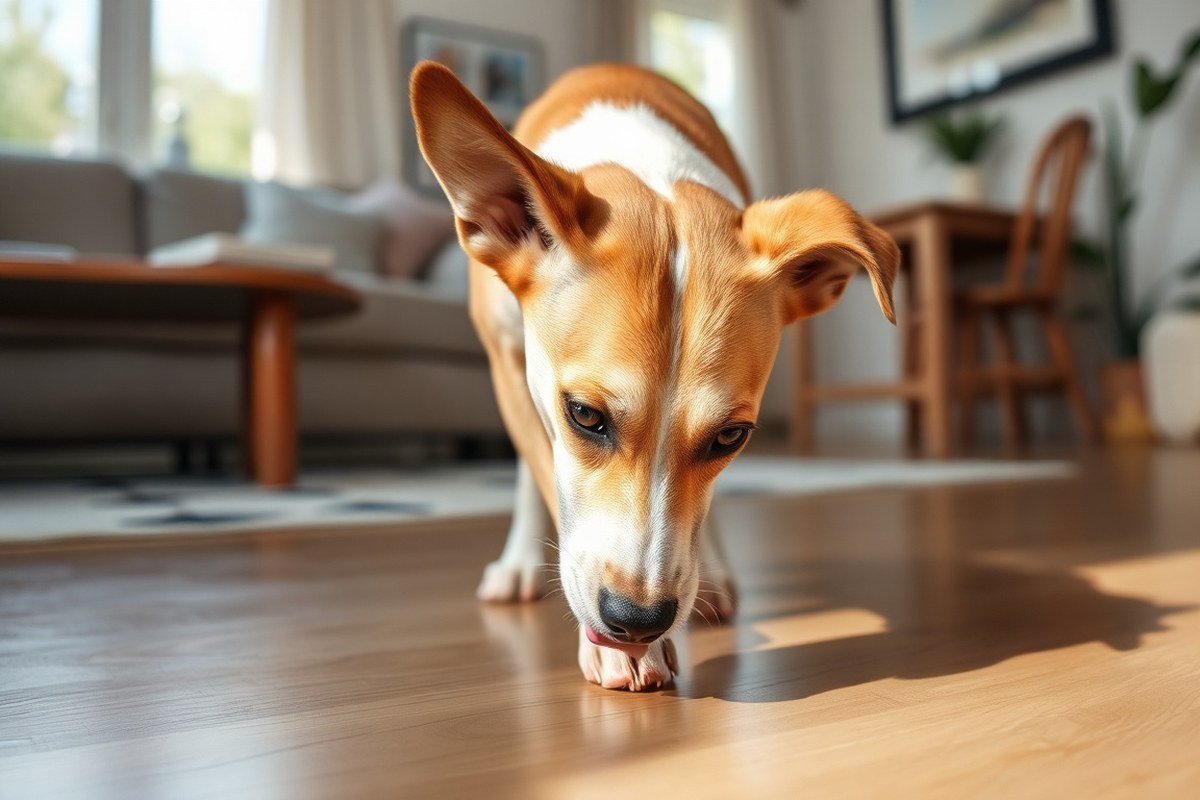
Why Is My Dog Licking Everything? A Complete Guide with Clear Answers
Why is my dog licking everything? This behavior usually signals a health issue or emotional need, such as allergies, gastrointestinal problems, or anxiety. Start by observing when and what your dog licks most to spot any patterns or triggers.
Key Takeaways
- Excessive licking crossing two object types in 24 hours often points to an underlying health or behavioral issue.
- Gastrointestinal disorders cause licking in up to 60% of dogs with excessive licking, according to veterinary studies.
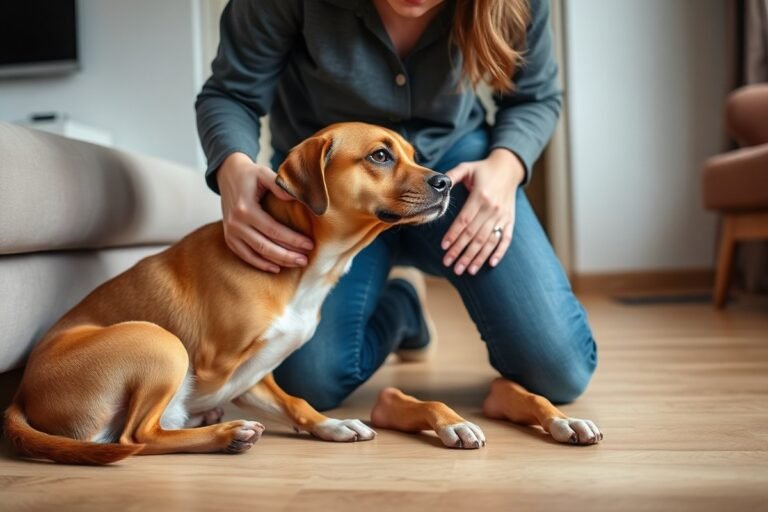
- Check your dog’s skin for irritation or redness, which might explain licking due to allergies or infections.
- Monitor your dog’s licking triggers by noting the time, objects, and context to identify patterns.
- Seek a veterinary evaluation early to diagnose possible causes, especially if licking worsens or spreads.
- Consider anxiety or stress as reasons since dogs sometimes lick to self-soothe or seek attention.
Why Is My Dog Licking Everything Around Me?
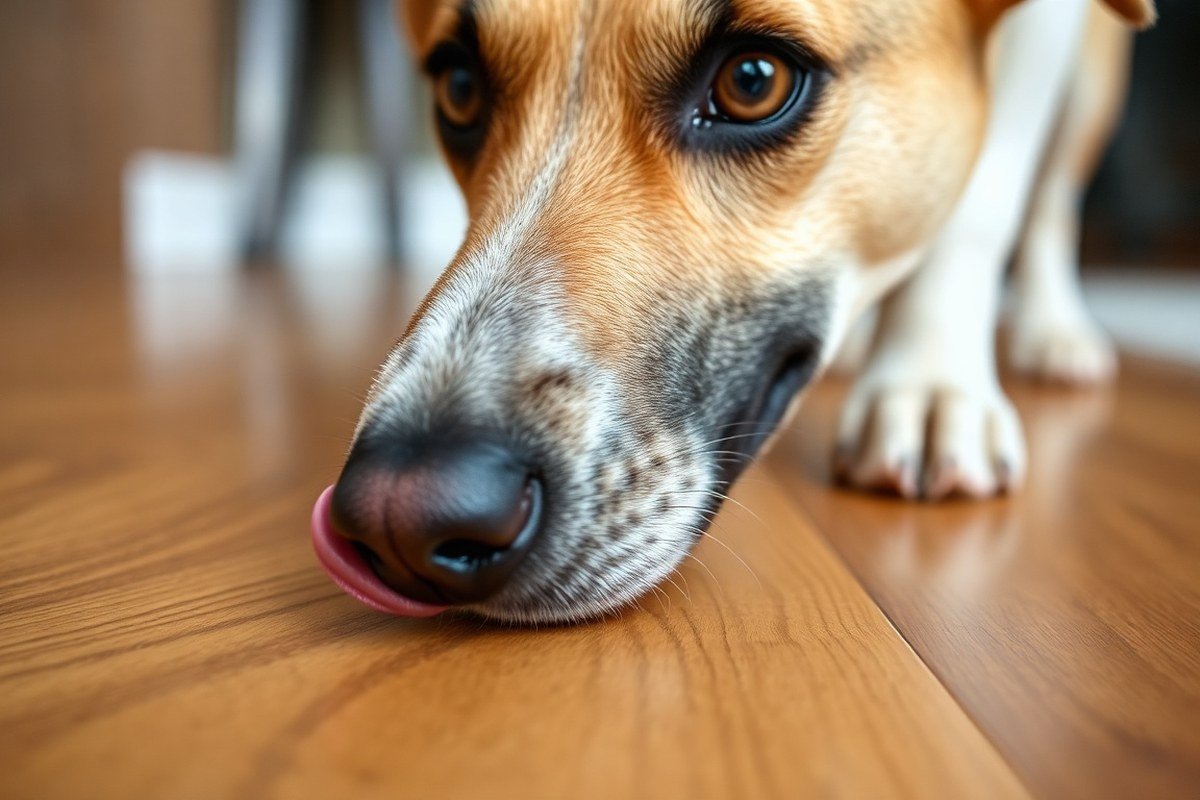
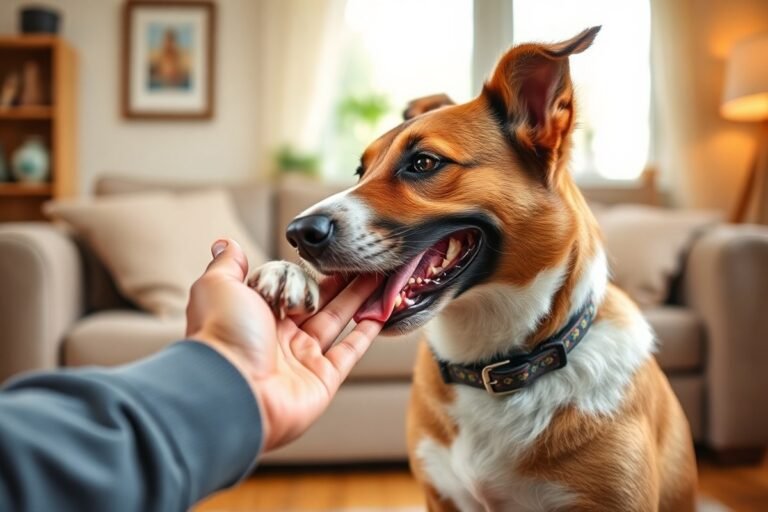
Dogs lick for many normal reasons, including exploring their environment, communicating, and grooming. Your dog’s tongue helps them taste and feel textures, so licking floors, furniture, or your skin lets them learn about the world around them. This behavior is often harmless and usual for dogs of all ages. It is Normal for dogs to lick people as a gentle form of social interaction or to show affection.
Licking serves as a form of communication for dogs, indicating feelings or needs. For example, your dog may lick you to seek attention, express submission, or soothe themselves when anxious. Interpreting this depends on the situation, calm licking when you pet them is friendly, but repetitive, focused licking might indicate stress.
How you respond to your dog’s licking depends on the setting. For instance, if your dog licks floors or objects, gently redirect them to toys or treats to keep them engaged. When they lick people, you can encourage other ways to show affection, like sitting or playing. Providing mental and physical stimulation reduces the chance of licking from boredom. Watch for changes in licking patterns, especially if it becomes constant or obsessive, as this might require professional advice.
| Situation | What to do | Notes |
|---|---|---|
| Dog licking furniture or floors | Offer chew toys or puzzle feeders Clean surfaces to remove attractive scents | Licking may be exploration or boredom |
| Dog licking people | Gently redirect to petting or play Reward calm behavior | Usually communication or affection |
| Dog licking self or same spot repeatedly | Observe for redness or sores Consult vet if persistent | Can be grooming or sign of irritation |
Health Issues That Cause Excessive Licking in Dogs
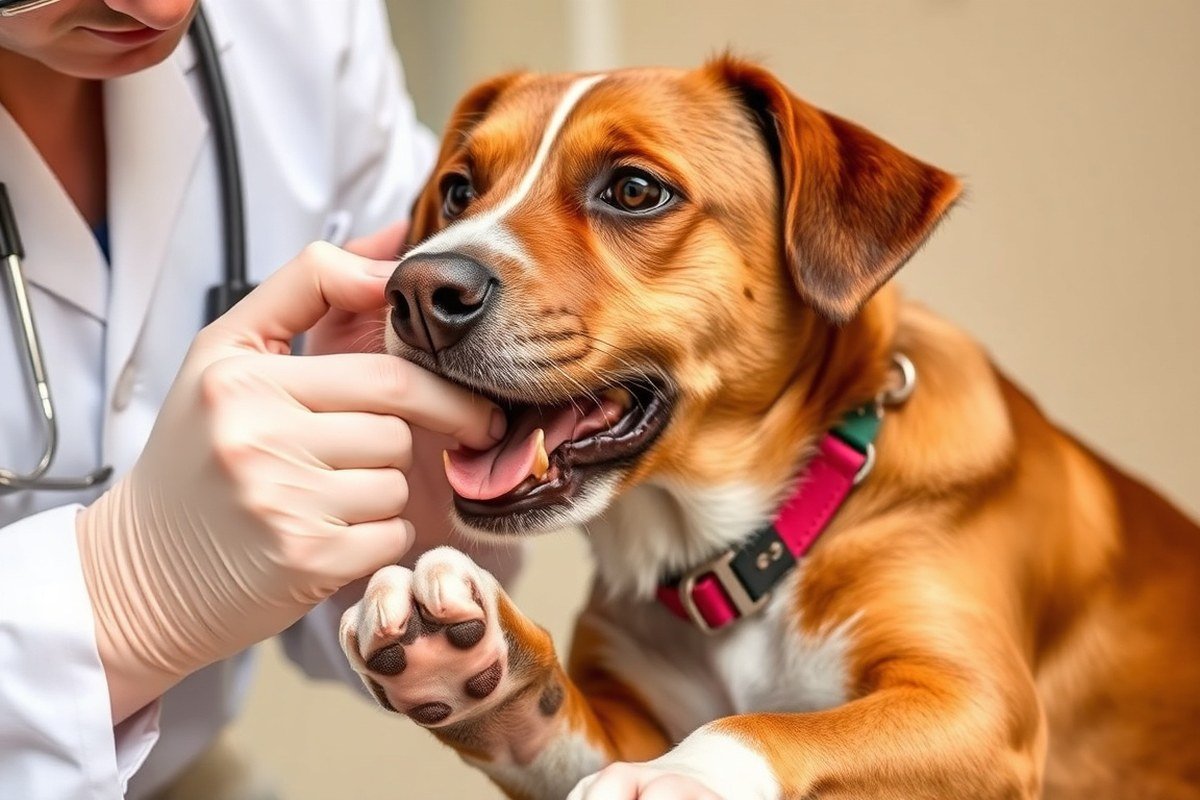
Excessive licking in dogs often signals underlying health problems that need attention. Allergies commonly cause skin irritation, making your dog lick to relieve itchiness or discomfort. This can result from environmental factors, food allergies, or flea bites, often leading to red, inflamed skin or hair loss where your dog licks most.
Gastrointestinal problems also contribute to frequent licking behaviors. Dogs with upset stomachs, acid reflux, or nausea might lick air or surfaces repeatedly. According to a study in the Journal of Veterinary Behavior, up to 60% of dogs with excessive licking have a digestive disorder. This type of licking is less about the skin and more about internal discomfort.
Pain plays a significant role in persistent licking as well. Dental issues such as periodontal disease, oral abscesses, or foreign objects between teeth cause oral pain, pushing dogs to lick their mouths or paws. Pain from joint problems or injuries may lead to focused licking on one body part. Often, these areas show swelling, soreness, or warmth to the touch.
Medications can cause side effects that include increased licking. Certain drugs, especially those affecting nervous system function, might trigger licking as a compulsive or nervous behavior. If your dog started licking more after beginning new medication, consult your vet about alternative options or dosage adjustments.
Age-related cognitive decline can lead to repetitive licking without clear triggers. Older dogs may develop anxiety or confusion, resulting in compulsive licking during the day or even at night. This differs from licking related to pain or allergies because physical examination may show no irritation but behavior changes manifest.
| Health Issue | Signs | How to Check | What to Do |
|---|---|---|---|
| Allergies | Red, itchy skin, paw licking | Inspect skin; note changes after new foods or environments | Consult vet for allergy testing and treatments |
| Gastrointestinal Problems | Air licking, gagging, vomiting | Observe digestion, appetite; report symptoms to vet | Diet changes, medication as prescribed |
| Pain/Dental Issues | Licking mouth, paw, or sore spot; bad breath | Vet dental exam; monitor limping or swelling | Pain management, dental cleaning or surgery |
| Medication Side Effects | Increased licking post-medication | Track licking after new drugs start | Discuss alternatives with vet |
| Cognitive Decline | Repetitive licking without skin irritation | Note age and cognitive signs; exclude pain/allergies | Behavioral support, possible medication for anxiety |
Use this checklist to observe your dog: look for skin changes, note if licking targets one area, watch for digestive upset like vomiting, check for signs of pain or discomfort, and remember when new medications started. Identifying these clues guides your vet’s diagnosis and treatment. Early action can prevent licking from causing further skin damage or infections.
Behavioral Reasons Behind a Dog Licking Everything
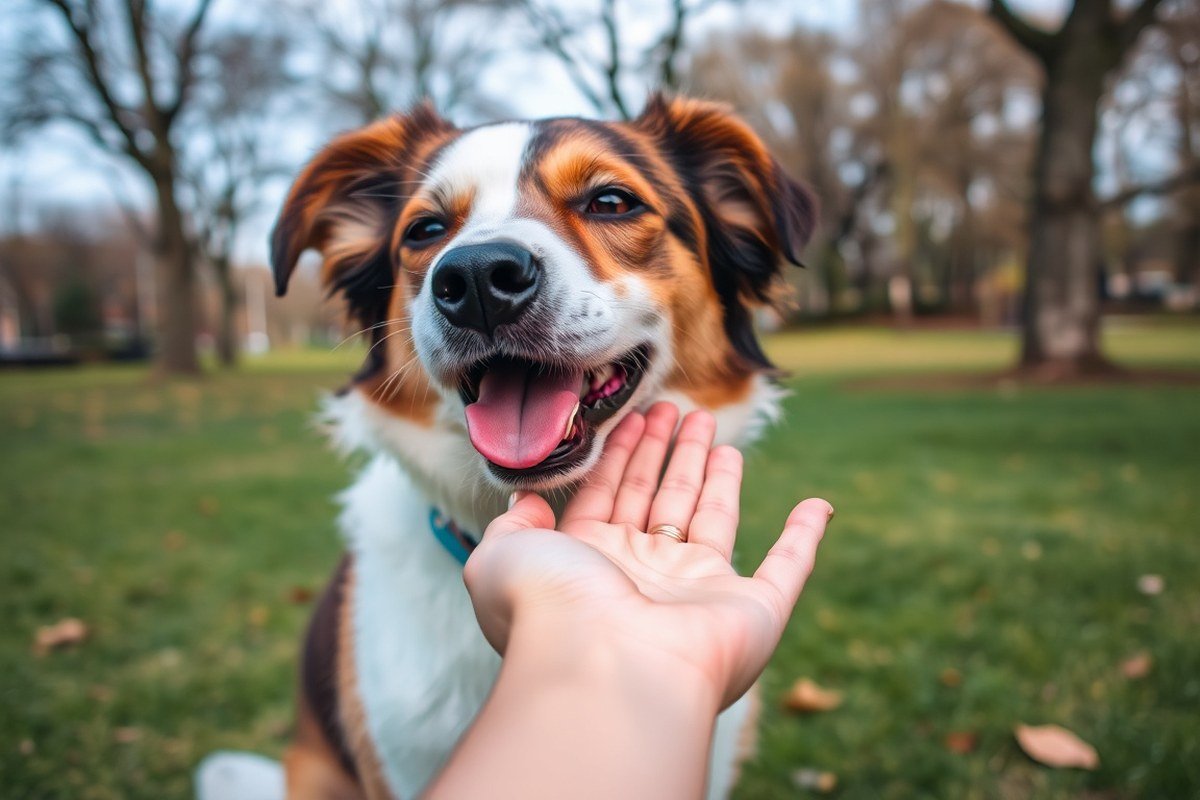
Excessive licking often signals your dog is coping with Behavioral and emotional triggers like anxiety or stress. Stress causes cortisol release, leading to pacing and yawning along with licking. Dogs may also lick repeatedly when bored, as a way to self-soothe or fill time without enough stimulation. This kind of licking usually looks repetitive and less focused on a single object. In contrast, licking that happens in short bursts might come from excitement or emotional overload.
Attention-seeking is a common behavioral reason behind licking. Your dog’s licking habit can strengthen when it leads to treats or your quick attention. To decide whether licking is for attention, try redirecting your dog’s focus with a toy or command. Quick stopping of licking after distraction suggests your dog licks mainly to get attention. Otherwise, stress or boredom may be deeper causes.
Obsessive or compulsive licking can be a sign of an underlying behavioral problem, often developing as a calming strategy during emotional distress. Constant licking of certain items or body parts, along with distress or inability to stop, can indicate compulsive behavior. You can check this by timing how long and how often licking episodes occur over several days; frequent, intense sessions suggest a compulsion.
When you notice increased licking, watch for accompanying behaviors like pacing, yawning, or restlessness. For boredom, increase exercise, mental stimulation, or introduce interactive toys to reduce licking. For anxiety, training methods like desensitization, along with providing a calm environment, help lower stress levels. Compulsive licking may require help from a trainer or veterinarian for behavioral therapy. These approaches usually require a few weeks to notice improvement, and consistency with routines is key.
How to Identify Triggers and Track Your Dog’s Licking Behavior
To determine whether your dog’s licking is caused by a medical condition or behavioral reasons, start by observing and documenting the behavior closely. Note when, where, and what your dog licks, and record any accompanying changes in mood, appetite, or energy. This information can help your vet identify patterns and potential triggers, guiding diagnosis or behavioral strategies. Licking specific objects repeatedly, such as furniture, paws, or your skin, might point to different underlying causes: medical issues often involve licking parts of the body, while licking random household items could be boredom or stress-related. At home, you can track your dog’s licking episodes by following these steps:
- Set aside a week to watch your dog without changing daily routines.
- Write down each licking incident’s time, duration, and what your dog licked.
- Note what was happening right before the licking started (noises, visitors, feeding).
- Record your dog’s overall behavior: restlessness, appetite changes, or withdrawal.
- Use a checklist to separate licking of body parts from licking other objects.
- Try increasing exercise or attention and note any changes in licking frequency.
- Share your observations with your veterinarian for better diagnosis and tailored advice.
Consistency in tracking your dog’s behavior over at least seven days makes the observations meaningful. Expect some trial and error in identifying triggers, especially if your dog’s licking is due to multiple habits or signals. A clear pattern, such as licking after meals or during quiet times at home, can direct practical solutions like more mental stimulation or veterinary tests for allergies or pain. Costs mainly include your time and perhaps a vet visit, which is necessary for pinpointing medical causes. Accurate tracking leads to better management and reduces unnecessary stress for both you and your dog.
When to Seek Veterinary Care and Manage Excessive Licking
Recognizing when your dog’s licking requires veterinary attention is important. Look for signs such as sudden or increased licking, gagging, excessive drooling, breathing difficulties, refusal to eat, or repeated attempts to vomit without success. Any occurrence of these signs means you should seek Veterinary care promptly. Otherwise, a gradual increase in licking, interference with play or sleep, or self-inflicted wounds from licking may also justify a vet visit.
At the vet, diagnosing the cause involves a physical exam, medical history review, and possibly skin scrapings, blood tests, or allergy testing. Be prepared to share details about your dog’s diet, medications, and how long the licking has been happening. This helps target treatments, which could range from allergy management, infection treatment, pain relief, or behavioral plans.
Costs for veterinary evaluation for licking issues vary widely but typically start between $50 and $200 for an examination. Diagnostic tests such as blood work or skin tests can add $100 to $300 or more, depending on the complexity. Treatment costs fluctuate based on the underlying cause, with medication or therapy visits adding further expenses.
To reduce excessive licking at home, provide more mental and physical stimulation through walks, playtime, and puzzle toys. Avoid inadvertently rewarding licking by not giving attention when it occurs. Positive reinforcement works well; praise or treat your dog when they stop licking on command. Use deterrents like bitter sprays recommended by your vet for specific surfaces, and keep healing areas clean and bandaged if needed to prevent self-trauma.
Regular monitoring and gentle interruption of the licking when safe can help. Calmly redirect your dog with a toy or command rather than punishment, which may increase stress and licking. The behavior persisting or getting worse means it’s time to return to your veterinarian for reassessment. Managing excessive licking requires a combination of veterinary care and consistent home strategies to support your dog’s comfort and well-being.
Step-by-Step Action Plan to Manage Your Dog’s Licking
Take control of your dog’s licking behavior with this clear action plan. Track progress and adjust as needed for the best results.
- Day 1: Start a licking diary. Note when, where, and what your dog licks to identify patterns or triggers. This helps you understand if licking is occasional or excessive.
- Week 1: Observe for signs of discomfort or injury such as redness, swelling, or sores. If you notice these, schedule a vet visit immediately.
- Week 2: Introduce regular exercise and mental stimulation to reduce boredom-related licking. Look for a decrease in licking episodes during active play or training.
- Week 3: Use distraction and redirection techniques when your dog starts licking excessively. Reward calm behavior with treats or affection to reinforce good habits.
- Week 4: Assess progress by comparing your licking diary entries. Consult your vet if licking continues to be excessive or if new symptoms appear.
- After 1 Month: Consider environmental changes, like offering chew toys or calming aids, if behavioral causes are confirmed. Notice if these reduce the licking further.
Frequently Asked Questions
Can Boredom Cause My Dog to Lick Everything Continuously?
Yes, boredom can lead to constant licking as your dog tries to keep busy and entertain itself. Providing toys and more physical activity can reduce this unwanted behavior.
Could Allergies Be Why My Dog Licks Objects Frequently?
Allergies can cause skin irritation, leading your dog to lick surfaces as a relief method. Identifying and treating allergies often reduces excessive licking.
Does My Dog Lick Everything Because of Anxiety During Storms or Loud Noises?
Dogs often lick more when anxious or stressed by loud noises or storms, using licking to self-soothe. Creating a safe, calm environment may help ease their anxiety.
Can a Change in My Home Environment Cause My Dog to Start Licking Everything?
Yes, new environments or changes can trigger stress and cause your dog to lick more. Monitoring behavior during transitions helps recognize stress triggers.
Is Cognitive Decline Responsible for My Senior Dog Licking Everything Nonstop?
Cognitive decline in senior dogs can cause repetitive licking as part of confusion or anxiety. Consulting your vet about aging-related behaviors is important for proper care.
Before You Go
Your dog’s licking is often a way to communicate or soothe themselves, but it can signal underlying issues too. Monitoring their behavior and responding thoughtfully can improve their comfort and your peace of mind. Start by paying close attention to when your dog licks most and take small steps to address it.