What Do Worms Look Like in Dog Poop? A Complete Visual and Treatment Guide
If you’re wondering What do worms look like in dog poop, common types include roundworms that appear like tan or off-white spaghetti strands, and tapeworms that look like flat, white rice-like segments. Sometimes, wriggling white “worms” are actually maggots from fly eggs if the stool has sat outside too long. Identifying the type is key to deciding the next step, such as collecting a fresh stool sample for your vet.
Key Takeaways
- Roundworms in dog poop resemble spaghetti, off-white or tan in color, often visible in puppies.
- Tapeworm segments look like small white rice grains and may wiggle when fresh.
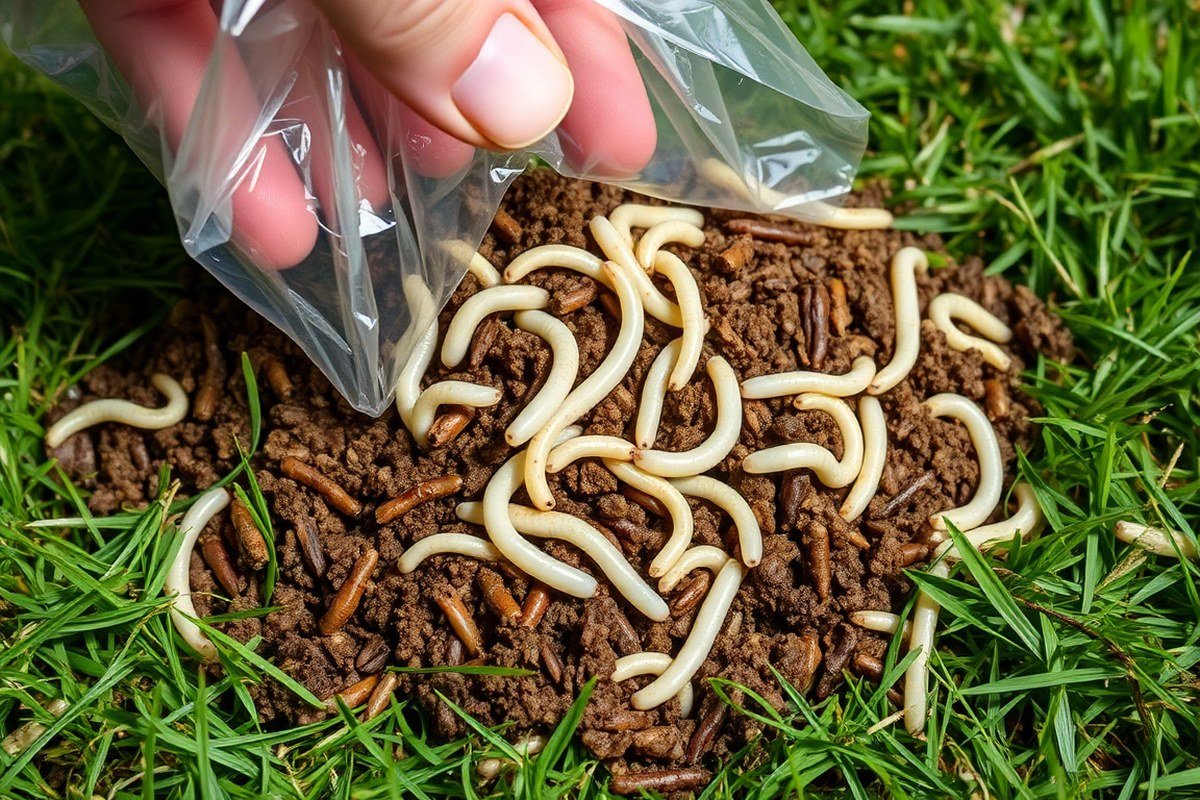
- Wriggling white worms in older dog poop may be fly maggots, not worms, especially if the feces sat overnight.
- Store stool samples below 86 °F and deliver to the vet promptly for accurate worm detection.
- Many dewormers target adult worms only, so treatments often repeat after 10 to 14 days.
- Keeping your dog away from warm, grassy environments with untended dogs helps prevent worm infection.
Identifying Worms in Dog Poop: What Do They Look Like?
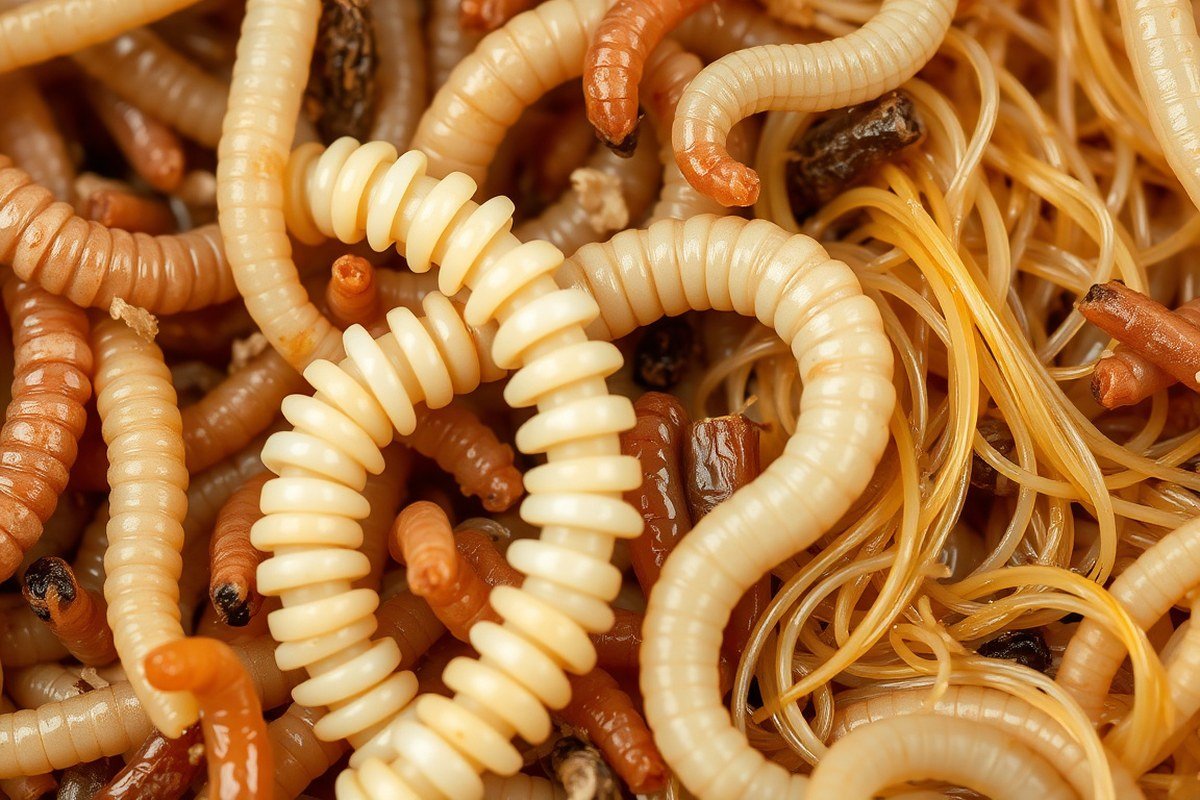
Worms in dog poop typically vary by type, and recognizing these differences helps you identify them accurately. Roundworms appear as off-white or tan strands, resembling spaghetti in length and shape. They can be several inches long and slightly curved. Tapeworms differ notably; they show up as flat, white segments about one-fourth to one-half inch long, lined up like small grains of rice. These segments might wriggle when fresh and are often seen not only in stool but also around your dog’s rear or fur.
Many dog owners confuse worm segments with maggots or other debris. Maggots are the larvae of flies attracted to feces left outside, hatching in as little as 8 to 20 hours in warm weather. Unlike worms, maggots are small, white, and wriggling but tend to appear only after poop has sat out for some time. To distinguish, check fresh stool: if you see white, wriggling bits in fresh poop, they’re more likely tapeworm segments than maggots.
Not every white speck in dog feces is a worm. Some might be mucus, undigested fat, or plant fibers. Whipworms and hookworms are generally not visible in stool without microscopic testing. Only roundworms and tapeworm segments are commonly spotted with the naked eye, so seeing tiny white bits doesn’t always mean a worm infestation.
| Type of Worm | Size | Color | Shape | Where Seen |
|---|---|---|---|---|
| Roundworms | Several inches long | Off-white/tan | Spaghetti-like, cylindrical | In stool, sometimes vomit |
| Tapeworms (segments) | 1/4 to 1/2 inch | Flat, white | Rice grain-shaped, segmented | In stool, around anus, bedding |
| Whipworms | Very small, microscopic | Not visible | Thin, whip-like (microscope needed) | Stool (laboratory diagnosis) |
| Maggots (fly larvae) | Small, up to 1/4 inch | White to cream | Writhing, legless larvae | Poop left outside for hours |
Look closely at fresh feces for subtle movement and shape. Tapeworm segments are flat and don’t move quickly like maggots. Roundworms appear more uniform in thickness and length without segmentation. Keeping stool samples fresh and inspecting promptly helps avoid confusion with fly larvae hatching after hours or days outside.
How Dogs Get Worms and Why They Appear in Stool
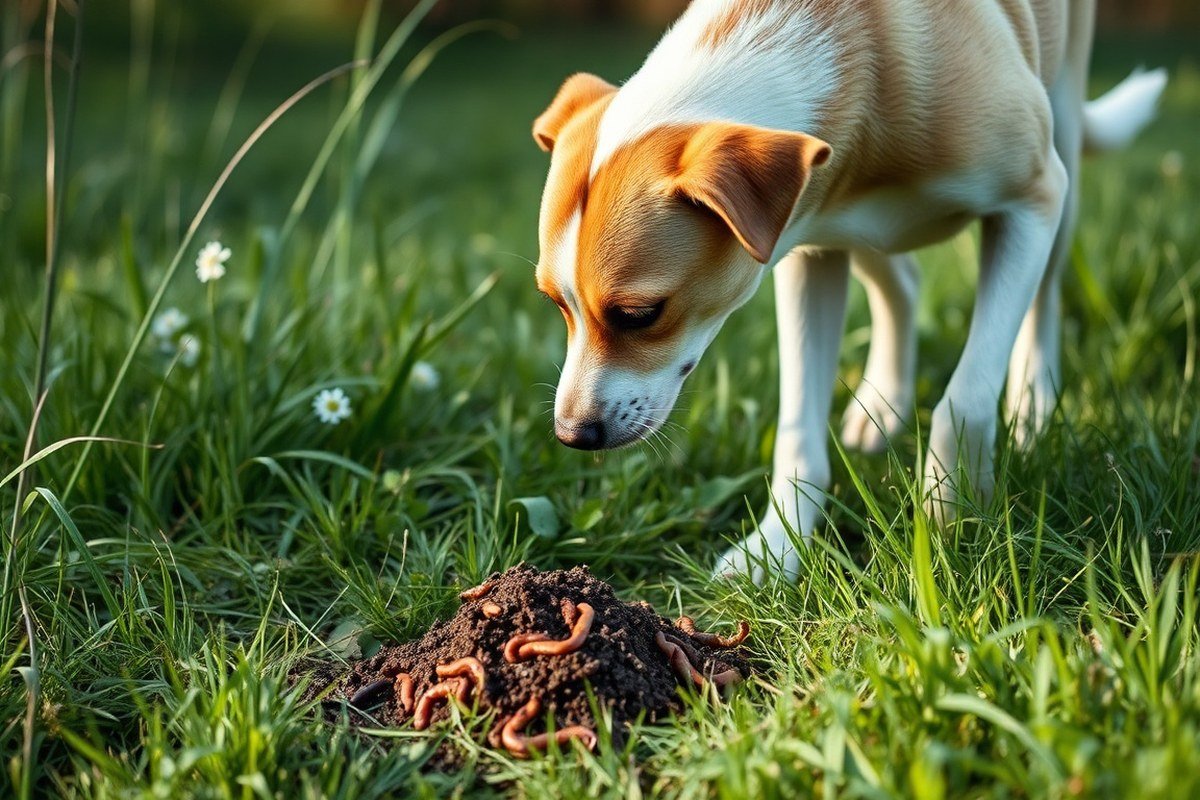
Dogs typically get worms by ingesting worm eggs or larvae found in contaminated environments. These eggs are often passed in the stool of infected animals and can become infective in soil or grass within 2 to 4 weeks. Your dog may pick up these eggs while sniffing, eating grass, or exploring outdoor areas shared with other dogs that have not been dewormed.
Fleas are another common way dogs get tapeworms. Dogs swallow infected fleas during grooming or scratching, which allows the tapeworms to establish in their intestines. Seeing worm segments in your dog’s feces often indicates a flea problem as well as a tapeworm infestation. Reducing flea exposure with regular flea treatments helps prevent this transmission route.
Worms or their segments appear in stool because the adult parasites live in your dog’s intestines and shed eggs or body parts when they reproduce. Most worm eggs are microscopic and won’t be visible to the naked eye, but tapeworm segments are often seen as white rice-like pieces in feces or around the dog’s rear. In some infestations, actual worms may be visible, which usually means the condition has advanced and your dog needs prompt veterinary care.
To reduce your dog’s exposure to worms, pick up feces promptly from your yard and walking areas. This lowers the chance that eggs become infective in the environment or that your dog re-ingests eggs from its own or other dogs’ feces. Avoid letting your dog eat other animals’ feces, discourage scavenging, and keep your dog away from warm, grassy places frequented by untreated dogs. Maintaining a routine of regular deworming and flea control helps keep your dog’s risk low.
Effective Treatment for Worms Found in Dog Poop
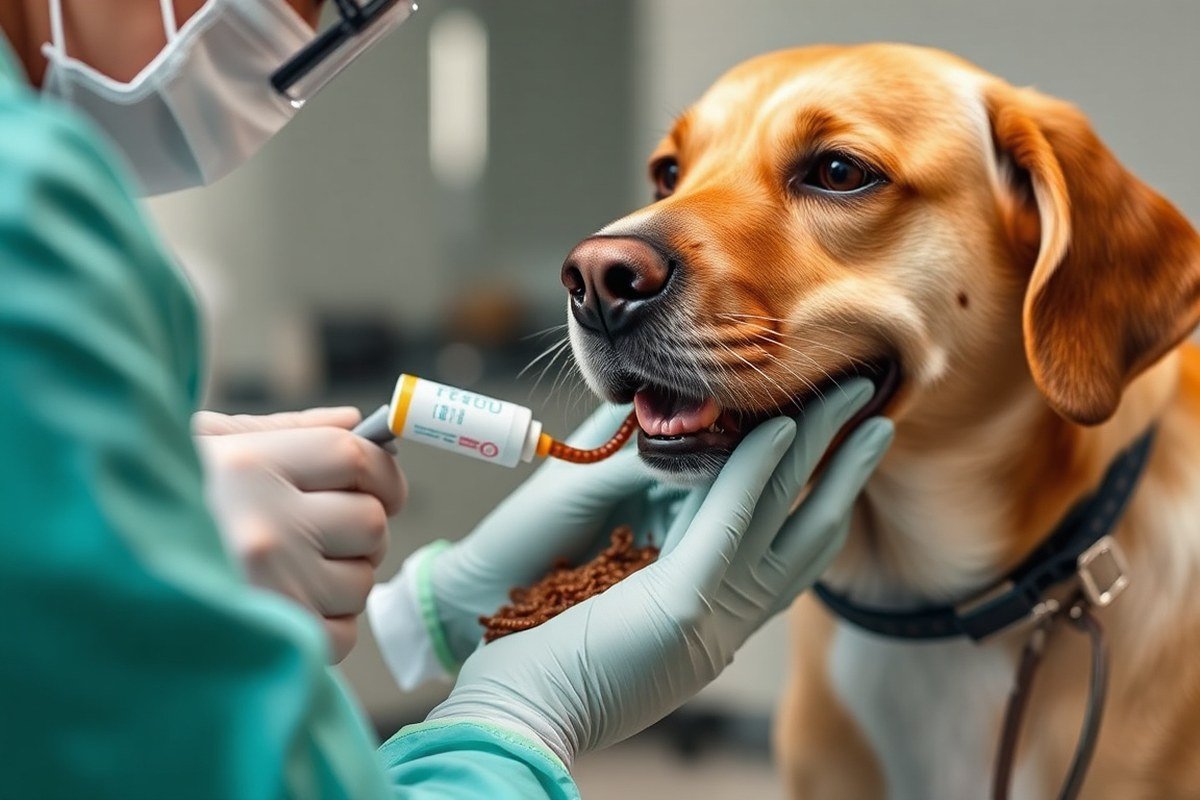
To get rid of worms in dogs, veterinarians recommend specific deworming medications based on the type of worm identified. These medications are usually given orally and may include drugs like praziquantel, fenbendazole, or pyrantel pamoate. Treatment duration typically ranges from a single dose up to several days, depending on the medication and worm species involved. Your vet will usually prescribe a treatment plan after confirming which parasites your dog is hosting.
Once treatment begins, the worms start dying and are either passed in the stool or digested. You might see worms in your dog’s poop for a few days after treatment, especially in cases of roundworms and tapeworms. This is normal and means the medication is working. However, worms should stop appearing after about a week. Follow-up visits typically involve another stool test 2 to 4 weeks later to confirm that the infestation is cleared.
Effective treatment requires coordinating closely with your veterinarian. Bring a stool sample for analysis so your vet can identify the worm type and recommend the proper dewormer. Administer the full course of prescribed medication even if symptoms improve quickly, as incomplete treatment can lead to reinfestation or resistance.
In some situations, repeat treatment is necessary because some worm eggs can survive the initial treatment and hatch later. Puppies and dogs with heavy infestations may also require multiple doses spaced out over several weeks. Preventative measures, including regular deworming schedules and hygiene practices, help reduce the risk of future worm infestations and keep your dog healthy.
Collecting and Preparing Dog Stool Samples for Vet Testing
Collecting a dog’s stool sample properly ensures accurate worm testing and helps your veterinarian choose the right treatment. Since some worms are hard to spot, and others only appear under a microscope, the stool sample must be fresh and handled correctly. Storing it below 86 °F (30 °C) slows down parasite egg development and reduces sample degradation. Using gloves and a clean container protects you from potential parasites, especially if your dog hunts or eats raw animal parts. Follow these steps to collect, store, and transport your dog’s stool sample:
- Gather materials: Use disposable gloves, a clean plastic bag or container with a tight lid, a disposable spoon or scoop, and a permanent marker for labeling.
- Collect fresh feces: Scoop about one teaspoon of fresh stool (within two hours of passage) that includes visible worms if possible. Your vet might ask for a pooled sample, so gather stool daily over three days in one container.
- Seal and label: Place the sample in the container, seal it tightly, and write your dog’s name, the date, and the time on the container with the marker.
- Store properly: Keep the sample below 86 °F (30 °C). Refrigerate if you cannot get to the vet within two hours. Avoid freezing the sample, which can destroy parasite eggs.
- Practice hygiene: Always clean your hands well with soap and water right after handling the sample.
- Transport quickly: Bring the sample to your veterinarian as soon as possible; fresh samples improve detection accuracy. Lab tests like fecal flotation generally cost $50-$90.
- Communicate with your vet: Mention any worm sightings, your dog’s symptoms, and recent exposure risks like hunting or raw diets.
When to Call a Vet About Worms in Dog Poop
Call your vet immediately if you spot live worms in your dog’s poop that persist more than a week after treatment. Worms can cause serious health issues, and some types like hookworms and roundworms pose greater risks to your dog and your family. Puppies under 6 weeks old and very small dogs need prompt veterinary attention because dosing for dewormers depends on weight, and incorrect treatment can be harmful.
Dangerous worms include roundworms, hookworms, and tapeworms. Roundworms and hookworms can cause anemia, vomiting, diarrhea, and weight loss in dogs. These types can also transmit to humans, especially children, through contact with contaminated soil or feces. Tapeworms often appear as rice-like segments in stool but can cause itchiness and discomfort for your dog.
Look for other signs that call for urgent veterinary care besides finding worms. A dog that has vomiting or diarrhea lasting more than 24 hours, shows a sudden drop in energy, or displays signs of illness like pale gums or loss of appetite should see a vet as soon as possible. Early treatment prevents complications and eases discomfort.
To manage risks at home, always wear disposable gloves when handling dog waste and wash your hands thoroughly afterward. Clean areas where your dog defecates regularly, and prevent young children from ingesting soil or playing in contaminated areas. Using a designated scooper and disposing of waste in sealed bags helps minimize exposure to parasites.
Step-by-Step Action Plan to Handle Worms in Your Dog’s Stool
Follow these steps to identify and manage worms in your dog’s feces safely and effectively.
- Day 1: Collect a fresh stool sample from your dog in a clean container. Look for any visible worms or segments and note their appearance.
- Within 24 hours: Take the stool sample to your veterinarian for testing. Accurate identification helps determine the proper treatment.
- After vet diagnosis: Administer the prescribed deworming medication exactly as directed. Monitor your dog for any side effects during treatment.
- During treatment (Days 2-7): Keep your dog’s environment clean by promptly removing feces to reduce reinfection risk.
- One week after treatment: Observe your dog’s stool for changes; fewer worms or worm segments suggest treatment effectiveness.
- Two to four weeks later: Schedule a follow-up vet visit for a repeat stool test to confirm the worms are gone.
- Ongoing: Use regular deworming and flea prevention recommended by your vet to protect your dog from future infestations.
Frequently Asked Questions
What Do Tapeworm Segments Look Like in Dog Poop?
Tapeworm segments appear as flat, white pieces resembling rice grains, about one-fourth to one-half inch long. They may be wriggling and are often found near the dog’s anus or in the stool.
How Can You Distinguish Roundworms in Dog Feces?
Roundworms look like off-white or tan spaghetti-like strands. They are usually longer than tapeworm segments and thicker, and they may be visible in fresh stool.
Are All Worms Visible in a Dog’s Stool?
No, many worms live inside without being easily seen in stool. Only certain types like tapeworms and roundworms show clear signs in feces.
Can Maggots Be Mistaken for Worms in Dog Poop?
Yes, white wriggling maggots may hatch from fly eggs if poop is left outside overnight, often confused with worms.
Do Worm Segments Break Off and Appear Separately in Dog Poop?
Yes, tapeworm segments commonly break off and pass through feces, often looking like small white grains of rice.
Wrapping Up
Identifying worms in your dog’s stool helps you take quick action to protect their health. Proper testing and following your vet’s treatment plan are key to clearing the infection. Start by collecting a stool sample and getting a professional diagnosis as soon as you notice any worms. Taking prompt steps can prevent discomfort and further health issues for your dog.