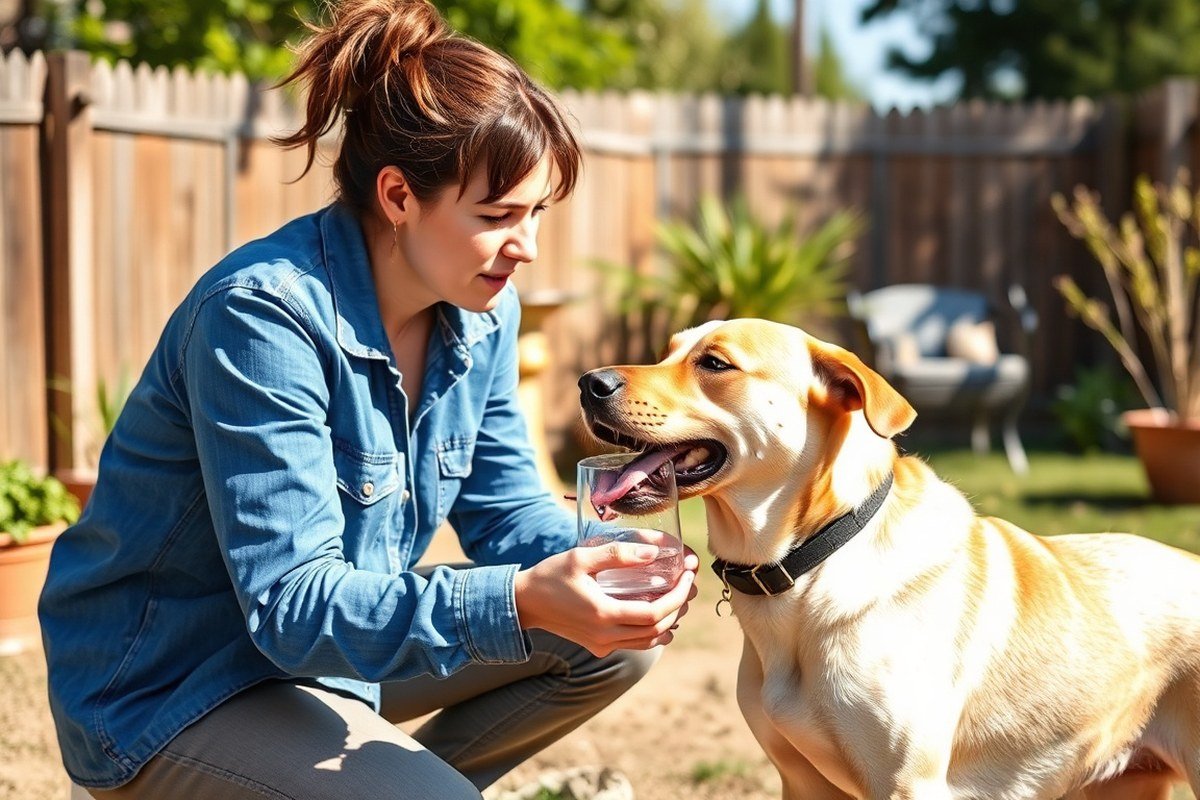
How Long Can a Dog Go Without Water? A Complete Survival and Care Guide
How long can a dog go without water? A healthy dog can generally survive about 2 to 3 days without drinking, but serious dehydration starts within 24 hours. Acting quickly to provide fresh water helps prevent irreversible damage and keeps your dog safe.
Key Takeaways
- Dogs typically begin showing dehydration symptoms, like dry gums and lethargy, after 24 hours without water.
- Never let your dog go more than 12 to 24 hours without access to fresh water to avoid early harm.
- Canned dog food contains up to 78% water, which can reduce your dog’s need to drink separately.
- Smaller dogs and puppies dehydrate faster and need more frequent water access than larger adults.
- After about 3 days without water, organ damage and life-threatening issues become likely for most dogs.
- Monitor your dog’s behavior and physical signs closely if they refuse water or show dehydration symptoms.
How Long Can a Dog Survive Without Water?
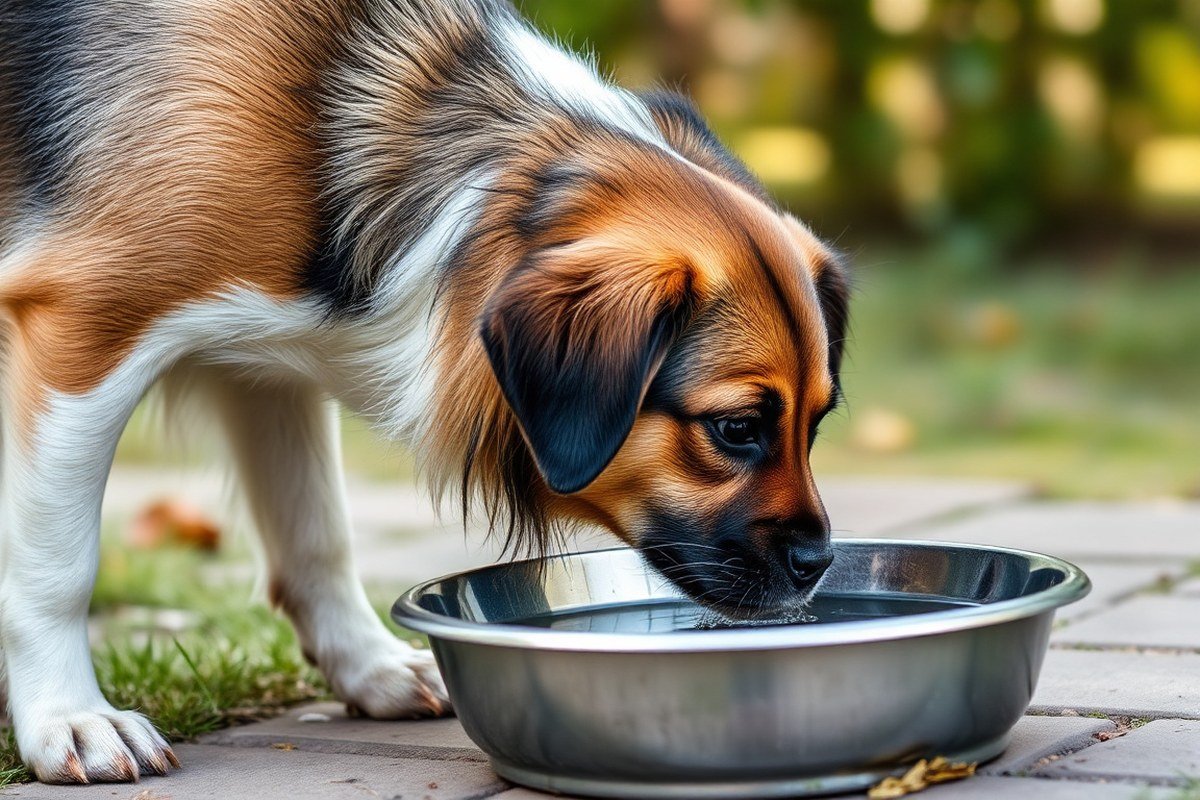
A dog can generally survive without water for about 2 to 3 days, but waiting this long before providing water can cause serious health issues much sooner. The risks start increasing rapidly after just 24 hours without water, with damage to organs potentially becoming permanent. This timeframe depends heavily on factors like your dog’s age, size, breed, health, activity level, and environmental temperature.
Water is essential because it keeps your dog’s body functioning correctly. It helps regulate body temperature, supports digestion, and maintains healthy blood flow. Without enough water, your dog’s organs begin to fail, blood thickens, and toxins build up quickly. Even a few hours without water on a hot day can cause rapid dehydration, making survival times shorter.
The often-cited 2 to 3 day survival rule is a general estimate, not a permission to withhold water. For example, a large, active adult dog in a warm environment will likely suffer or die faster than a small, sedentary dog in cooler conditions. Puppies and older dogs may also have different tolerance levels, generally needing access to water more frequently.
Always provide your dog with fresh water and encourage drinking throughout the day. Look out for symptoms such as lack of energy or dry gums to catch dehydration early. Ensure your dog never is without water for long stretches, as dehydration symptoms can develop in just a few hours and worsen rapidly without care.
Signs Your Dog Is Dehydrated and Needs Help
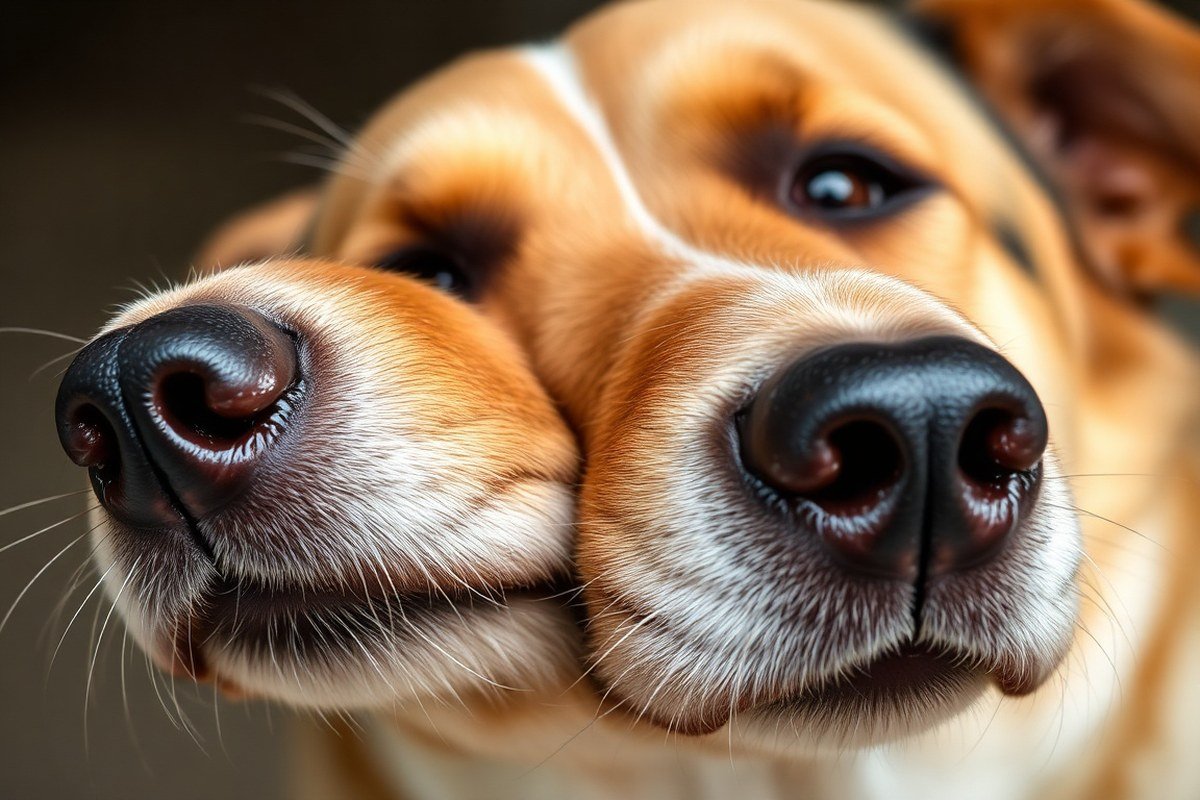
Dehydration in dogs shows up as both physical and behavioral changes. Early signs often include Dry gums, which feel tacky or sticky instead of moist. You might also notice your dog acting Lethargic or less active than usual. Another way to check hydration at home is by gently pinching the skin over the dog’s shoulder blade; if the skin doesn’t snap back quickly, that indicates decreased Skin elasticity, a common dehydration symptom.
As dehydration becomes more advanced, symptoms can worsen to include sunken eyes, excessive panting, weakness, and sometimes even vomiting or diarrhea. These signs mean your dog needs water immediately and possibly veterinary care.
- Check your dog’s gums for dryness or stickiness.
- Pinch the skin gently and watch how fast it returns to position (ideally less than 2 seconds).
- Observe for changes in energy levels or unusual tiredness.
- Look for sunken eyes or drooping eyelids.
- Note if your dog is panting heavily without exercise or heat.
- Pay attention to any vomiting or diarrhea that might increase dehydration.
Healthy dogs may not show signs of dehydration right away, but after 24 hours without water, symptoms like dry gums and lethargy usually appear. This matters because early detection allows you to Offer fresh water promptly and avoid serious health consequences. For puppies, older dogs, or those with illnesses, watch for these symptoms even more closely, as they can dehydrate faster and may need veterinary assistance sooner.
Factors That Affect How Quickly Dogs Become Dehydrated

Smaller dogs typically become dehydrated faster than larger ones because they have less body fluid reserve. For example, a 10-pound dog needs about 10 ounces of water daily, while a 50-pound dog needs around 50 ounces. Water intake should be about 1 ounce per pound of body weight, but this varies with activity and environment. Puppies and senior dogs are also at higher risk. Puppies have smaller reserves and lose fluids quickly, while seniors may have chronic illness reducing their ability to retain fluids.
Environmental conditions, especially heat, speed up dehydration. Dogs lose fluid through heavy panting and increased respiration in hot weather, which can make them dehydrated faster than usual. Flat-faced breeds like Bulldogs are more prone to overheating, increasing dehydration risk during warm weather or exercise. Illnesses that cause vomiting or diarrhea lead to rapid loss of fluids and electrolytes, compounding dehydration.
Diet influences how much water your dog needs to drink. Dogs on wet food consume additional water from their meals, with canned food containing 68-78% water compared to about 10% in dry food. This means they might drink less water from their bowl but still meet hydration needs. On hot days or if your dog isn’t drinking enough, supplementing with wet food or offering ice cubes can help increase fluid intake.
| Factor | Why It Matters |
|---|---|
| Dog Size | Smaller dogs have less fluid reserve and dehydrate faster |
| Age | Puppies lose fluids quickly; seniors may have health issues reducing hydration |
| Health Status | Vomiting and diarrhea cause rapid fluid and electrolyte loss |
| Environmental Heat | Increases panting and fluid loss, raising dehydration risk |
| Diet Type | Wet food supplies extra water; dry food requires more drinking |
Monitoring these factors helps you understand how quickly your dog could become dehydrated and why maintaining regular water access is important, especially under stressors like heat and illness. Adjusting their diet and providing fresh water according to these influences supports better hydration management.
The Stage-by-Stage Timeline of Dehydration in Dogs
A dog can begin showing signs of dehydration within the first 6 to 12 hours without water, especially in warmer conditions when panting further reduces fluid levels. Early symptoms include dry gums, mild lethargy, and less frequent urination. By the 12-hour mark, these signs often intensify as the dog’s body struggles to maintain normal functions. Vomiting or diarrhea during this phase can dramatically speed up dehydration, creating a serious risk long before the 24-hour point.
Between 12 and 24 hours without water, a dog’s condition can shift from mild dehydration to moderate or severe. The gums become very dry and tacky, skin elasticity lessens noticeably, and weakness or excessive panting sets in. At this stage, the risk of damage to important organs grows. Without intervention, symptoms such as sunken eyes, rapid heartbeat, and collapse can develop, signaling an urgent need for veterinary care.
Going beyond 24 hours without water places the dog at high risk for life-threatening complications. Most healthy dogs survive up to 48 to 72 hours without water, but damage to organs like kidneys begins as early as 36 hours. This phase may involve shock, seizures, and an inability to stand or respond. The time frame shortens significantly if the dog is exposed to heat or has underlying health problems.
Serious dehydration can develop within hours during heat exposure or illness, while an otherwise healthy dog might tolerate longer without immediate collapse. Watching for changes like refusal to drink, lethargy, and dry mouth is critical. Immediate rehydration, preferably under veterinary supervision if symptoms worsen past 24 hours, is essential to prevent lasting harm or death.
How Dog Type and Life Stage Change Water Survival Limits
Puppies and senior dogs have different hydration needs and vulnerabilities compared to adult dogs. Puppies have less body water reserves and immature kidneys, so they can become dehydrated faster. Seniors may suffer from health conditions affecting thirst perception or kidney function, raising their risk of rapid dehydration. Some dog breeds also vary in water survival time due to size and metabolism differences. Smaller breeds with faster metabolisms lose water quicker, while large breeds might tolerate longer, but still not safely beyond a day or two. The table below compares average water survival times and factors for puppies, adult dogs, seniors, and breed types:
| Dog Type | Body Water % | Typical Survival Time Without Water | Main Vulnerability |
|---|---|---|---|
| Puppies | ~65% | Less than 24 hours | Immature kidneys, smaller reserves |
| Adult Dogs | 60% | Approximately 2-3 days | Normal metabolic rate |
| Seniors | 55-60% | About 1-2 days | Weakened organ function |
| Small Breeds | ~60% | 1-2 days | Higher metabolism, faster water loss |
| Large Breeds | ~60% | 2-3 days | More body water, slower metabolism |
Knowing your dog’s type helps you respond appropriately. Younger dogs need water more frequently and in smaller amounts spread through the day. Seniors might require monitoring for signs of dehydration earlier because they can become ill faster. Breeds prone to heat sensitivity, such as short-nosed dogs, may also need extra water and shade to avoid quick dehydration. Regular access to clean water and careful observation are essential. If your dog fits a vulnerable category and stops drinking, seek professional advice promptly to prevent serious health consequences.
How to Safely Rehydrate Your Dog After Water Deprivation
Rehydrating a dog after water deprivation must be done carefully to avoid shock or vomiting, as sudden large amounts of water can overwhelm the stomach. To safely reintroduce fluids, offer small amounts frequently rather than letting your dog gulp down a lot at once. Begin by giving just a few teaspoons or milliliters of water every 10 to 15 minutes. This gradual approach helps your dog’s stomach adjust and increases the chance fluids will stay down.
Start with about 5 to 10 milliliters (around one teaspoon) of room-temperature water per offer. Watch your dog closely for signs of discomfort, coughing, or vomiting. Offer your dog small amounts of water during the first hour to help keep it down. Increase the amount slightly every hour if tolerated, moving to 25 to 50 milliliters (one to two tablespoons) every 20 to 30 minutes.
- Use a syringe or eyedropper if your dog is unwilling to drink from a bowl
- Offer water in a calm, quiet environment to encourage drinking
- Do not force water if your dog resists or vomits, as this may cause further distress
- Persistent vomiting means you should seek veterinary care right away.
- Avoid cold water; room temperature is less likely to upset the stomach
- After 4 to 6 hours of successful sipping, slowly transition to regular drinking
- Keep several small water dishes available to provide choice and encourage intake
The gradual rehydration process usually takes several hours, depending on your dog’s size and the duration of dehydration. Smaller dogs and puppies need smaller volumes more frequently, as their stomachs cannot hold much at once. Weakness, pale gums, or severe symptoms during rehydration require immediate veterinary evaluation. Properly pacing fluid intake reduces the risk of vomiting and supports recovery.
Common Reasons Dogs Stop Drinking Water
Dogs may stop drinking water for multiple reasons, even though they keep eating normally. This situation often signals issues like nausea, dental pain, or mouth injuries that cause discomfort when swallowing. For example, dental disease or ulcers can make the mouth too sore for liquids. You can check your dog’s mouth carefully for redness, swelling, or broken teeth. Spot anything unusual, and schedule a vet visit promptly. Avoid forcing your dog to drink, which might worsen mouth pain.
Illness and medical conditions frequently reduce water intake. Infections, fever, or kidney problems often lead to reduced thirst. Medications prescribed for these conditions might also alter your dog’s drinking behavior by causing nausea or drowsiness. For instance, dogs with pancreatitis typically avoid water during flare-ups, increasing dehydration risk. Monitor your dog for symptoms like vomiting, diarrhea, or lethargy alongside less drinking. Notice any of these signs, and arrange a veterinary assessment quickly to find the cause and begin treatment.
Changes in diet or environment can cause your dog to drink less. Feeding dry kibble instead of wet food lowers water intake because wet food contains about 70-80% moisture, while kibble has less than 10%. When switching foods, offer fresh water nearby and encourage drinking by refreshing the water bowl frequently. High temperatures and heat stress increase your dog’s need for water, but stress or discomfort from hot weather may temporarily reduce drinking. Provide shaded, cool areas and offer water often. When your dog refuses, wet their lips or offer ice cubes for licking.
Older dogs show reduced drinking more often due to factors like decreased thirst sensation, dental problems, or kidney disease. Encourage drinking by adding water or low-sodium broth to their meals multiple times daily. Keep water bowls in easily accessible places considering your dog’s mobility. Regular vet checkups can identify chronic issues causing lower water intake and prevent complications.
What to Do Immediately If Your Dog Won’t Drink
Encouraging your dog to drink water starts with making it appealing and easy to access. Offer fresh, cool water in multiple bowls around the house. You can add a little low-sodium chicken broth or ice cubes to the water to stimulate interest. Some dogs prefer running water, so a pet water fountain might help. Hand-feeding ice chips or wetting their food slightly can also boost fluid intake. Offer water frequently in small amounts to avoid overwhelming your dog.
Watching for warning signs is critical. Signs such as lethargy, dry gums, sunken eyes, excessive panting, or collapsing mean you should stop home care and seek veterinary attention immediately. Also, any vomiting or diarrhea with blood, or a refusal to drink for more than 12 hours, requires urgent care, regardless of the dog’s age or breed. Heat exposure or underlying illness increases risks rapidly.
- Place several bowls of fresh, cool water in accessible locations
- Add ice cubes or low-sodium broth to water for flavor
- Try a pet water fountain to attract your dog
- Offer wet food or moisten dry food to increase fluid intake
- Encourage small, frequent sips instead of large amounts at once
- Monitor for signs like dry gums, weakness, or lack of urination
- Contact your vet immediately if signs worsen or drinking stops over 12 hours
Prepare for vet care by noting how long your dog has refused water and any symptoms observed. Keep your dog cool and comfortable while arranging transport. Have your vet’s contact information handy and follow their guidance closely. Emergency care might involve IV fluids and diagnostics that are not possible at home. Acting early can prevent severe dehydration and complications.
When Dehydration Becomes an Emergency Requiring Vet Care
Emergency dehydration signs require fast veterinary intervention because organ damage can start within hours of severe dehydration. If your dog is lethargic, weak, disoriented, or collapses, you must act immediately. Other signs like repeated vomiting, excessive panting, overheating, or difficulty urinating also mean your dog needs urgent care. Severe dehydration disrupts blood flow and electrolyte balance, which can quickly harm the kidneys, brain, and heart.
The decision rule to seek veterinary care is simple: Any sign of severe dehydration means go to the vet right away. Moderate dehydration may warrant a same-day call and close monitoring, but signs like collapse or seizures demand emergency care. Keep this checklist on hand to recognize those critical symptoms:
- Collapse or extreme weakness
- Repeated vomiting or diarrhea
- Confusion or disorientation
- Rapid or labored breathing
- Tacky or dry gums
- Straining or lack of urination
- Overheating with difficulty cooling down
At the veterinary clinic, they will assess hydration levels by checking skin elasticity, gum moisture, and important signs such as heart rate and blood pressure. Blood tests may be run to identify electrolyte imbalances or kidney function problems. Treatment includes intravenous fluids to restore hydration and electrolytes quickly and any additional medications to control vomiting or fever. Intensive monitoring ensures the organs are recovering and complications do not develop. Treatment costs vary widely based on severity but typically start around $300 and can increase if hospitalization or advanced tests are needed.
Step-by-Step Action Plan to Help a Dog Who Won’t Drink Water
Follow these steps to quickly support your dog’s hydration and prevent dehydration from worsening.
- Immediately: Offer fresh, clean water in a quiet spot and observe if your dog drinks. A few sips show initial progress.
- Within 1 hour: Try adding low-sodium broth or ice cubes to encourage drinking. Check if your dog licks or consumes these alternatives.
- After 2 hours: Use a syringe or dropper to give small amounts of water carefully. Look for swallowing without coughing or choking.
- By 4 hours: Monitor signs of dehydration like dry gums or lethargy. Improvement means softer gums and more alertness.
- Next 6 to 12 hours: Continue offering water and food in small amounts. Note an increase in drinking and urination as a positive sign.
- If no improvement by 12 hours: Contact your veterinarian immediately for professional assessment and treatment.
- After vet care: Follow any rehydration or medication plans strictly and keep observing hydration cues daily.
Frequently Asked Questions
How Long Can a Dog Survive Without Water Before Serious Health Issues Develop?
A dog can only survive about 2 to 3 days without water; serious health effects from dehydration can start within 24 hours, including lethargy and dry gums. Immediate action is needed to prevent permanent damage.
Does a Dog’s Size Affect How Long It Can Go Without Water?
Yes, smaller dogs generally dehydrate faster than larger dogs because of their higher metabolism and surface area to volume ratio. Size influences how quickly dehydration symptoms appear and how long they can survive without water.
How Does Illness Change the Amount of Time a Dog Can Go Without Drinking Water?
Sick dogs become dehydrated more quickly and may only manage hours without water. Illness increases the body’s demand for fluids and reduces intake, making prompt hydration essential.
Are Puppies More Vulnerable to Water Deprivation Than Adult Dogs?
Puppies are more susceptible to dehydration and can suffer health issues within hours of not drinking. Their smaller size and growing bodies need consistent hydration to stay healthy.
What Immediate Steps Should I Take If My Dog Refuses to Drink Water?
Encourage your dog to drink by offering fresh water frequently and using syringes or broth if necessary. Consult your vet if hydration refusal lasts over 12 hours to prevent severe dehydration.
Final Thoughts
Your dog can only survive a few days without water, so quick action matters most. Recognize dehydration early and respond by encouraging drinking or providing care immediately. Taking your dog to the vet without delay ensures they get the treatment needed to prevent serious complications or worse. Start by offering water gently and watch for signs that your dog is improving right away.