
Why Does My Dog Smell Like Fritos? A Complete Guide with Effective Solutions
Why does my dog smell like Fritos? That distinct corn chip scent usually comes from bacteria or yeast living on your dog’s paws or ears. It’s often normal but can signal an infection if the smell is strong or persistent. Start by checking and cleaning your dog’s paws and ears regularly to keep bacteria under control.
Key Takeaways
- Most Frito-like smells originate from your dog’s sweaty paws due to natural bacteria presence.
- A light popcorn or corn chip smell on paws is typically harmless and normal.
- A strong or sour smell may indicate a bacterial or yeast infection needing veterinary attention.
- Frito smells coming from your dog’s ears can signal an ear infection requiring treatment.
- Regular cleaning with pet-safe antibacterial wipes helps reduce the Frito odor effectively.
- Diet changes and grooming affect your dog’s natural scent and can alter the Frito smell.
Why Does My Dog Smell Like Fritos? The Main Causes Explained
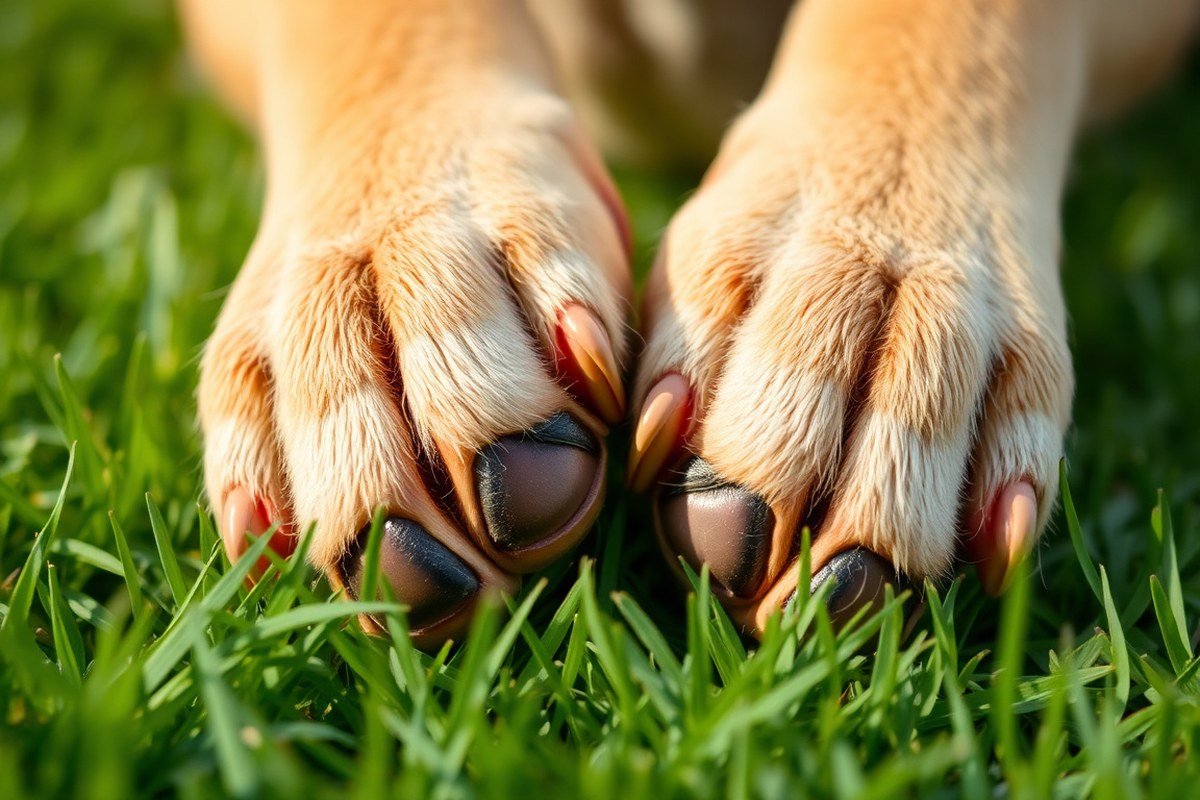
A Fritos or corn chip smell in dogs is mainly caused by the natural bacteria and yeast living on their skin, especially in warm, moist areas like the paws and ears. The yeast called Malassezia is one common source of this odor. These microorganisms emit a distinct scent that many owners recognize as similar to corn chips.
Dog paws often have this smell because the areas between their pads create a perfect spot for bacteria and yeast to grow. Sweat and licking add moisture that can boost the odor, but a mild Fritos-like scent on your dog’s paws is usually normal and healthy. Veterinarians see this smell as a natural result of your pet’s individual skin microbes.
A noticeable smell from your dog’s ears could also result from yeast or bacteria growing in that area. The ears, like the paws, offer a warm, protected space where these organisms grow. When overgrowth occurs, the Fritos scent may become stronger and accompanied by signs of irritation such as excessive scratching or licking.
The reason behind this odor is not something harmful in itself. It originates from how certain bacteria and yeast break down sweat and skin oils, producing compounds that smell like corn chips. However, if the scent intensifies or your dog starts chewing or licking paws excessively, this could signal an infection requiring veterinary attention.
How to Tell If the Frito Smell Signals an Infection or Is Harmless
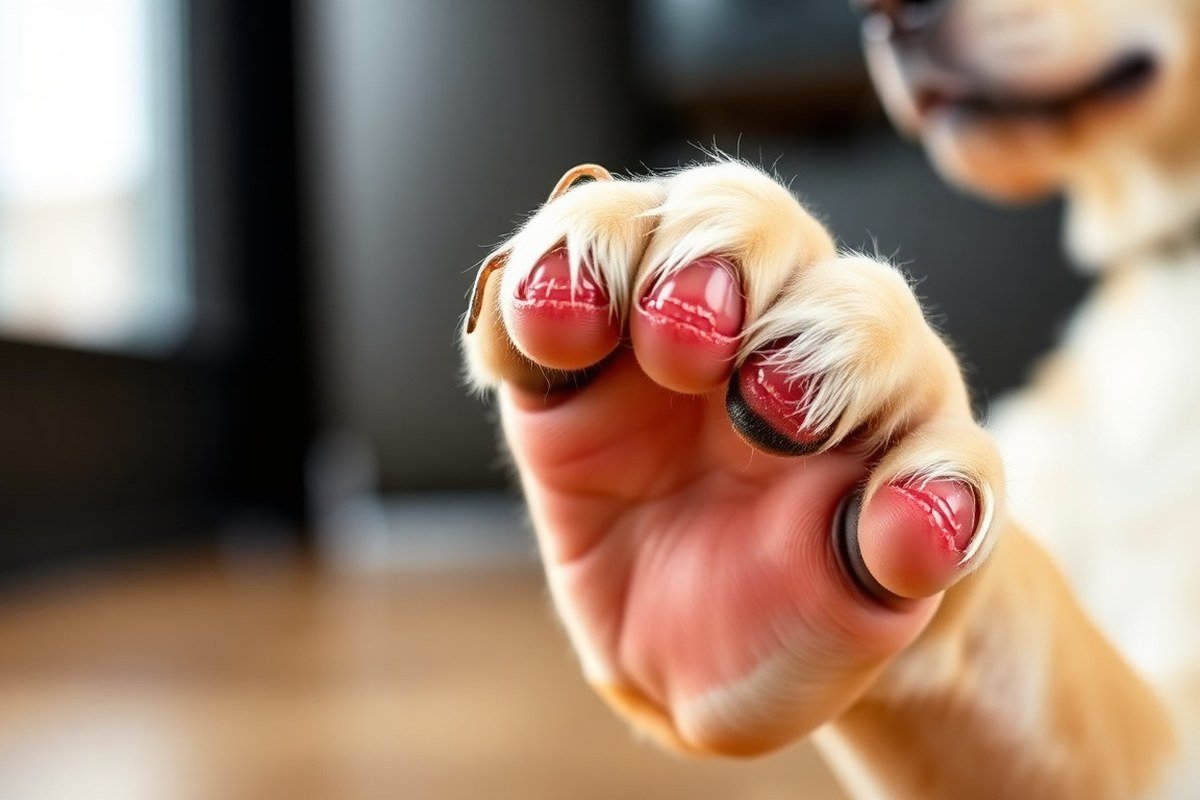
Smelling like Fritos can be harmless when it’s a natural scent from your dog’s paws due to normal skin bacteria. However, stronger intensity or additional symptoms often points to an infection. Check your dog’s behavior and inspect their skin for warning signs like redness, swelling, or itching. These can indicate yeast or bacterial infections that need attention.
Yeast infections tend to produce a smell similar to corn chips or bread and often make the skin greasy or dark. Bacterial infections usually cause a sharper, sour smell, with red, inflamed skin that may not improve with drying. Both can occur anywhere on your dog, but commonly beneath the fur, in wrinkles, on paws, or inside ears and mouth.
| Feature | Yeast Overgrowth | Bacterial Overgrowth |
|---|---|---|
| Smell | Corn chips, bread | Sharp, sour |
| Skin Appearance | Greasy, dark | Red, inflamed |
| Itch Level | Moderate to intense | Variable |
| Response to Drying | Improves | Often persists |
Check your dog’s coat, paws, ears, and mouth for any unusual odors combined with swelling or behavioral changes such as frequent licking or discomfort. The presence of a Frito-like odor on your dog’s breath or multiple body areas tends to suggest an infection, especially bacterial or yeast. Consider a vet visit if the smell suddenly intensifies or if you notice swelling, pain, or spreading irritation.
Ignoring persistent Frito smells along with other symptoms risks worsening infections that may require stronger treatments or cause discomfort for your pet. Your veterinarian can perform tests to identify the exact cause, whether bacterial or fungal, and can recommend targeted therapies like medicated shampoos or antibiotics. Regular paw cleaning and proper grooming can reduce the chance of infections developing.
Practical Home Care Steps to Manage and Reduce Dog’s Frito-Smelling Paws
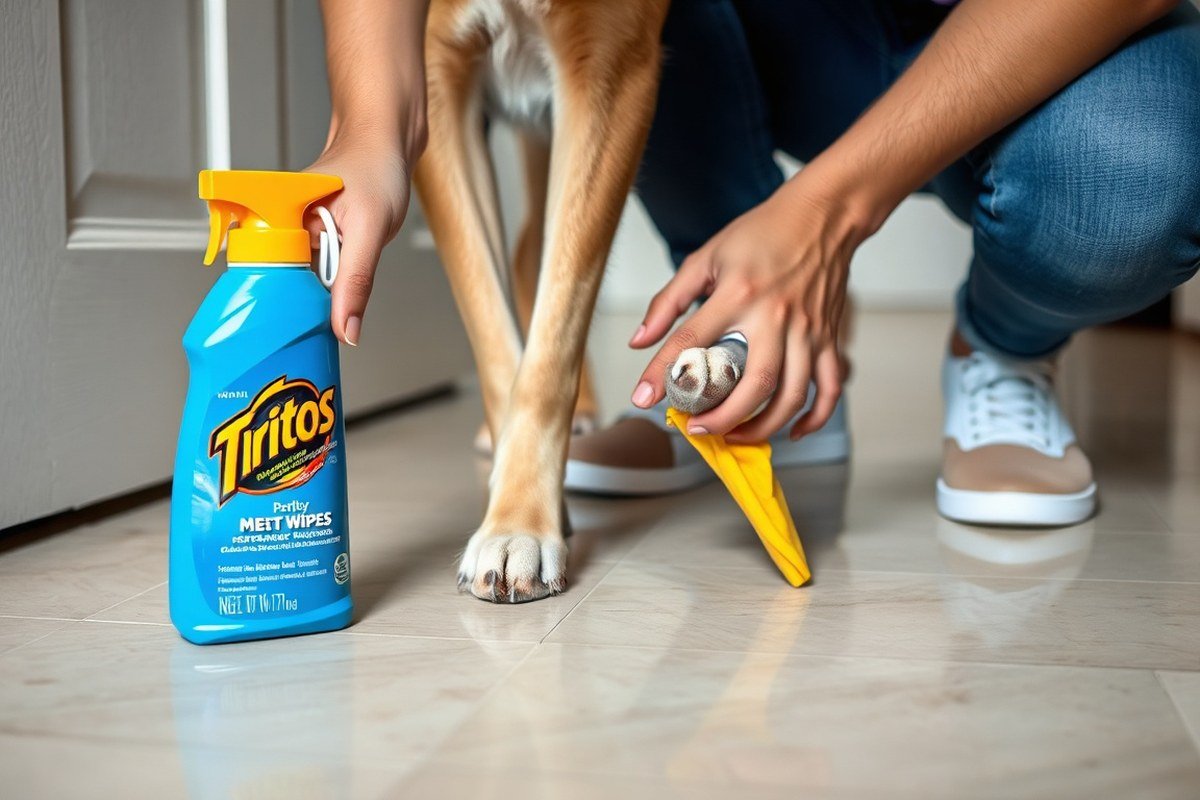
Controlling and lessening the Frito smell on your dog’s paws relies on regular cleaning and thorough drying. Bacteria and yeast prefer warm, damp spaces like the areas between paw pads, so keeping these areas dry and clean blocks the growth that leads to odor. Use a damp cloth or pet-safe wipes to gently clean your dog’s paws after each walk, removing dirt and bacteria. This routine helps stop odor before it starts and supports healthy skin.
After cleaning, you must dry the paws thoroughly. Use a soft towel to absorb moisture, especially after wet weather, swimming, or baths. Moisture trapped in the paws encourages yeast and bacteria to multiply quickly, which is why the smell often comes back despite cleaning. Your dog licking their paws can also worsen the situation, spreading bacteria or yeast and causing irritation that leads to more odor and licking, a cycle to avoid. Here is a straightforward home care routine that fits most situations:
- Wipe paws gently with a warm, damp cloth or pet-safe wipes after every walk or outing.
- Thoroughly dry paws with a soft towel immediately after wiping and after exposure to water.
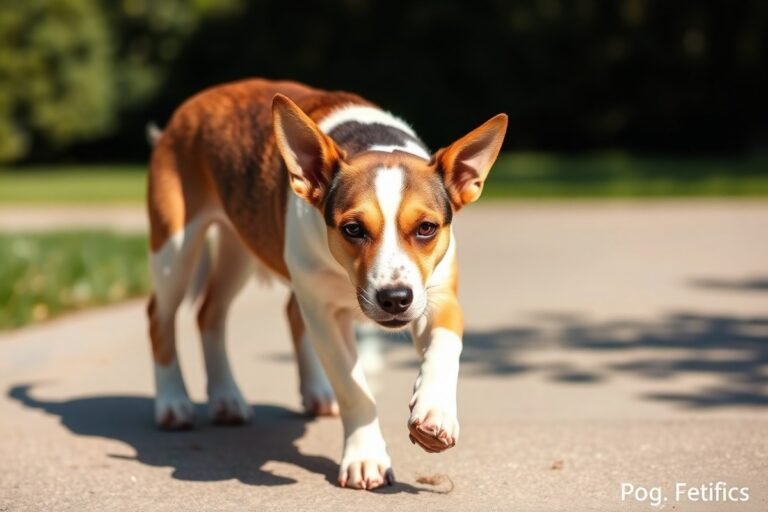
- Inspect paws regularly for redness, swelling, or sores and avoid forcing cleaning on irritated areas.
- Trim hair between paw pads to reduce moisture retention and dirt trapping.
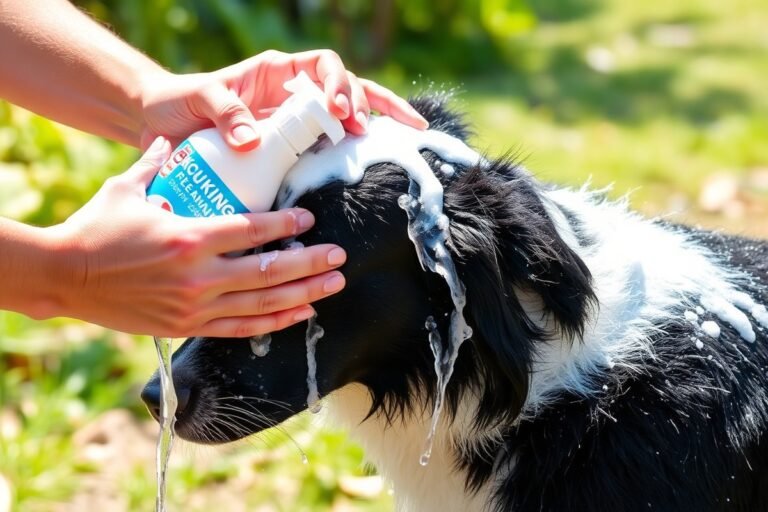
- Use an antifungal pet shampoo once or twice a week if your vet confirms a yeast issue.
Results include noticeably fresher-smelling paws within a few days and less scratching or licking. Avoid harsh chemicals or human products, as they can irritate your dog’s sensitive skin. For persistent odor or signs of infection, consult your veterinarian to ensure appropriate treatment and stop the cycle before it worsens.
Additional Factors Affecting the Frito Smell: Diet, Allergies, and Grooming
Diet plays a significant role in whether your dog smells like Fritos. Dogs that eat foods high in certain proteins or have recently sampled outdoor scraps may develop this scent. Changing your dog’s diet gradually over a week or two, switching to a high-quality, limited-ingredient formula, can often reduce or eliminate the odor. Keep track of any treats or human foods your dog gets, as some additives and spices may contribute to the smell.
Allergies are another common cause of the Frito-like scent, especially when allergies lead to skin irritation or infections. Chronic allergies may cause your dog to lick and scratch more, increasing moisture and bacterial growth on the paws and skin. Your dog frequently smelling this way and showing signs like redness or itching calls for a vet consultation about allergy tests or hypoallergenic diets, which usually cost around $30 to $60 per specialty food bag. Managing allergens can include wiping paws after walks or using vet-approved wipes to limit irritants.
Ear infections can also produce the Frito smell, particularly in floppy-eared dogs who cannot air-dry their ears easily. These breeds trap moisture, which supports yeast growth and the resulting odor. Routine ear cleaning, using a vet-recommended ear cleaner twice a week, helps prevent infections and controls the smell. Noticing your dog shaking their head or scratching their ears excessively means you should visit a vet, since untreated infections can cause pain and make the smell worse.
Age influences how often you might notice this smell. Puppies sometimes have this scent but tend to outgrow it as their skin and gut bacteria stabilize. Older dogs, however, may experience more frequent infections or allergies due to weakened immune systems or hormonal changes, which can lead to stronger or more persistent odors. Regular grooming and more frequent baths, generally every 3 to 4 weeks for older dogs, help keep the smell manageable. Using a mild dog shampoo when bathing prevents drying out the skin, which can trigger more licking and worsen odors.
When Home Treatments Aren’t Enough: Professional Care and What to Expect
Seek veterinary care if the Frito smell becomes persistent, stronger, or you notice other changes like redness, swelling, or your dog licking their paws excessively. This usually signals an infection, allergy, or other underlying issue that home treatments cannot address. A professional evaluation helps identify the root cause through a physical exam and diagnostic tests such as skin scrapings, bacterial cultures, or allergy screenings. Your vet will then recommend targeted treatments.
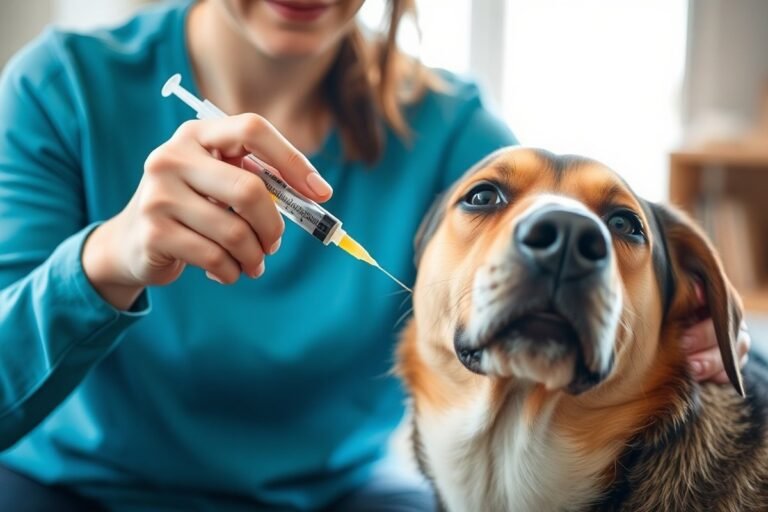
Treatment options might include medicated shampoos, antibiotics, antifungal medications, or allergy medications, depending on the diagnosis. In some cases, vets prescribe supplements or specialized paw care products to restore skin health and reduce odor long-term. Follow-up visits help monitor progress and adjust treatment as needed to prevent recurrence.
Costs vary based on the severity and cause. An initial vet visit typically runs from $50 to $150, while diagnostics like cultures or lab work may add $100 to $300. Medications can range from $20 for topical treatments to $100 or more for oral prescriptions. Chronic conditions requiring ongoing medication or special diets involve regular expenses. Budget $200 to $600 for a thorough workup and month of treatment, though prices fluctuate by region and clinic.
During your visit, your vet will carefully examine your dog’s paws, check for infection signs, and possibly run tests. They will discuss treatment options, timelines, and home care adjustments to complement professional care. Expect advice on keeping paws clean and dry, using vet-approved products, and scheduling follow-ups for lasting results.
Step-by-Step Action Plan to Manage Your Dog’s Frito Smell
Follow this plan to reduce or eliminate that corn chip smell and keep your dog’s paws healthy and fresh.
- Day 1: Inspect your dog’s paws for redness, swelling, or discharge to spot signs of infection.
- Day 2: Wash your dog’s paws gently with a mild, dog-safe cleanser and dry them thoroughly; check if the smell lessens after drying.
- Week 1: Begin wiping your dog’s paws daily after walks to remove dirt and sweat, noting any decrease in odor.
- Week 2: Review your dog’s diet to ensure it supports skin and paw health; discuss any concerns with your vet to adjust if needed.
- Week 3: Observe your dog for licking or chewing at their paws; persistent behavior could signal allergies or irritation needing professional advice.
- After 4 Weeks: If the Frito smell continues or worsens despite your efforts, schedule a vet visit for a thorough exam and possible treatment.
Frequently Asked Questions
Why Does My Dog’s Breath Sometimes Smell Like Fritos?
Dog breath smelling like Fritos could indicate bacteria buildup or dental issues. Regular brushing and dental checkups help reduce this odor.
Can a Dog’s Anal Glands Cause a Fritos-Like Smell?
Yes, infected or blocked anal glands can emit a smell similar to corn chips. Prompt veterinary care clears this problem.
Is It Normal for Puppies to Have a Frito-Like Smell?
Puppies often have a mild Fritos scent from natural skin bacteria, which is normal unless accompanied by infection signs.
Can Diet Changes Affect My Dog’s Fritos Smell?
Diet changes might influence skin or gut bacteria but rarely cause strong Fritos odors alone. Balanced nutrition supports skin health.
Does Grooming Frequency Impact My Dog’s Fritos Smell?
Regular grooming helps remove dirt and bacteria, reducing the Fritos odor on your dog’s coat and paws.
Key Points to Remember
The distinctive Frito smell originates from the natural bacteria and yeast on your dog’s paws, but persistent or strong odor might indicate infection or other issues. Maintaining clean, dry paws and monitoring any changes helps manage or prevent the smell. Start today by checking your dog’s paws closely, so you know when simple care is enough or it’s time to get professional guidance.