Why Does My Dog Keep Licking Me? 7 Clear Reasons and How to Handle It
Why does my dog keep licking me? Your dog licks you to communicate affection, attention, or stress. This natural behavior serves different emotional or physical needs. Start by observing when and how often the licking happens to understand its cause.
Key Takeaways
- Dog licking is often a request for attention that will increase if you reward it.
- Dogs lick to show affection or submission, especially after greeting or when calm.
- Stress or boredom can cause excessive licking, signaling a need for stimulation or exercise.
- Health problems might cause unusual licking, requiring a vet’s diagnosis and treatment.
- Redirect unwanted licking with toys or commands to set clear boundaries in your relationship.
- Ignoring excessive licking is ineffective; respond consistently to change behavior over time.
1. Why Does My Dog Keep Licking Me? Key Reasons Explained
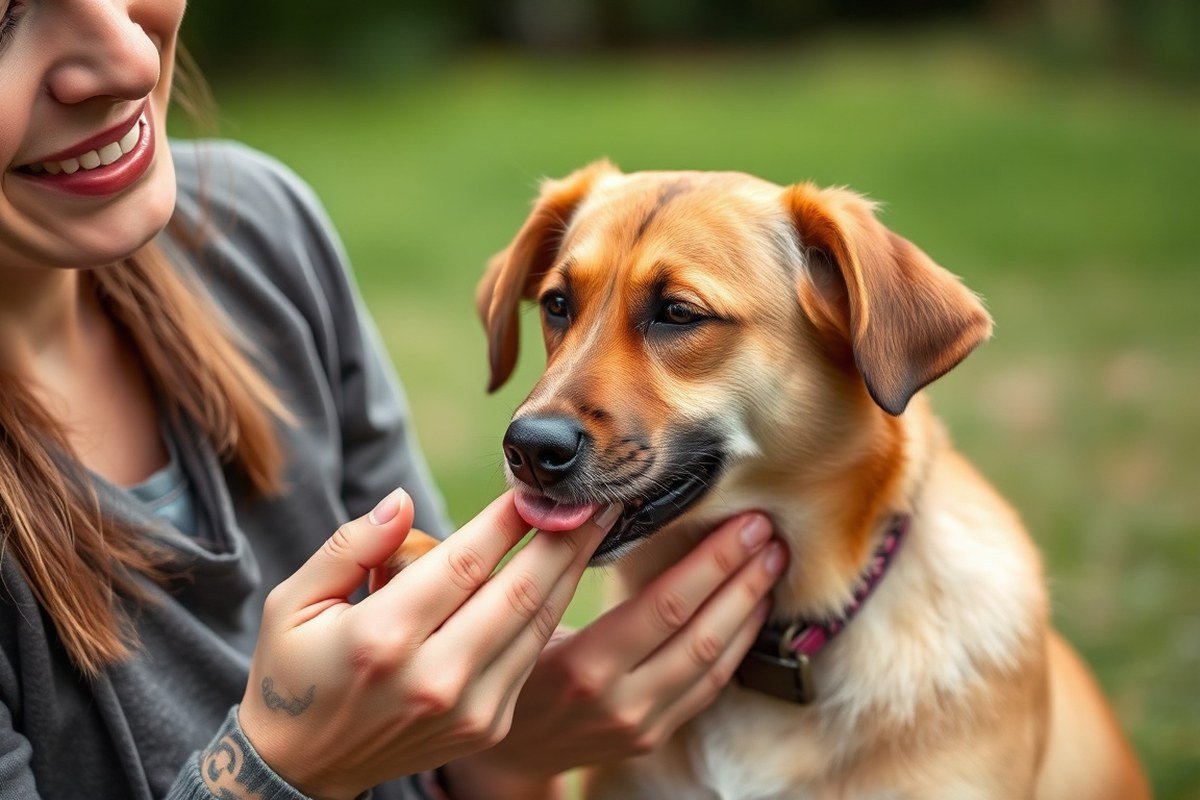
Dogs lick their owners for several main reasons that go beyond just affection. Licking often serves as a form of communication. When your dog licks you, they may be trying to tell you something, like they want attention or are seeking comfort. It also acts as a sensory exploration method, dogs use their tongues to investigate new tastes and smells. For example, your skin might taste salty from sweat, which can attract licking especially on your hands or feet. This exploration helps your dog understand its environment, including the people they trust.
While licking can be a strong sign of affection, that is not its only purpose. Dogs might lick you to show submission or to calm themselves in new or stressful situations. This behavior originates from their instincts; mother dogs lick their puppies to groom and bond. Similarly, when your dog licks you, they might be trying to groom or connect with you emotionally. However, frequent licking does not always mean love, it may indicate your dog is bored or wants something from you, like playtime or a treat.
| Reason | Context | What It Means | Example |
|---|---|---|---|
| Affection | During calm petting or after play | Shows love and bonding | Licking your face or hands softly |
| Communication | When seeking attention or food | Requests interaction or treats | Quick licking combined with barking or nudging |
| Sensory Exploration | When encountering new scents or tastes | Investigates environment through taste | Licking salty skin or sweaty feet |
| Grooming | Social bonding with other dogs or humans | Builds trust and care | Licking your ears or face gently |
The cost of this behavior to you might mean wiping away slobber or redirecting the licking if it becomes excessive. Good results come when you recognize why your dog licks and respond appropriately, such as giving affection back calmly or offering attention in other ways. Problems arise if licking becomes constant and demands your focus all the time, signaling boredom or anxiety instead of affection or curiosity. Knowing the difference helps you support your dog’s needs and keep your relationship enjoyable.
2. How Licking Can Show Affection or Submission in Dogs
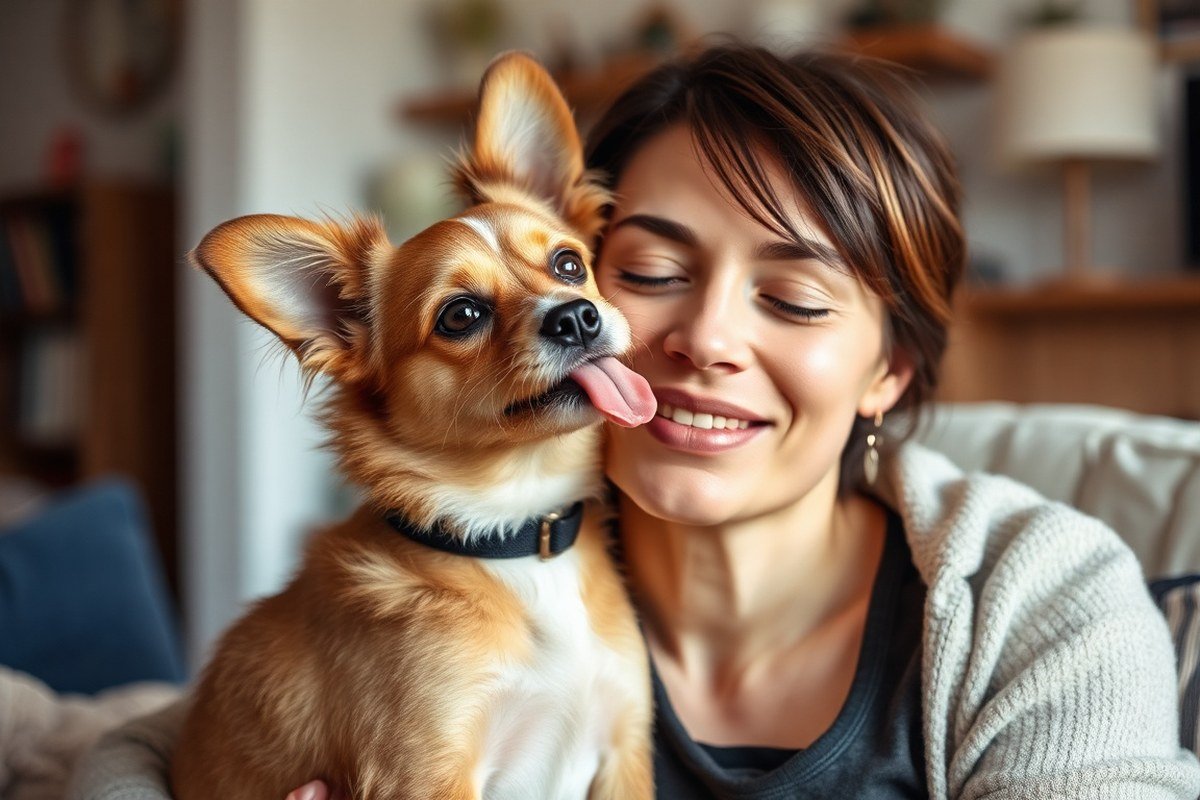
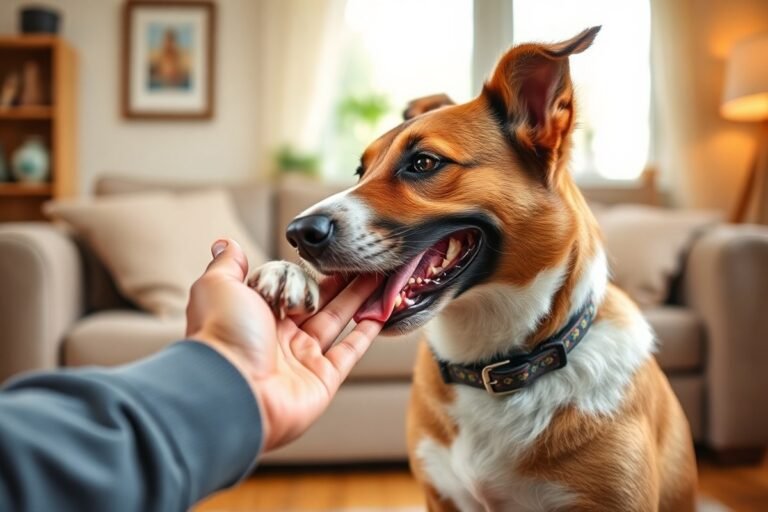
Licking is a natural way dogs show affection and submission. Your dog uses licking to express love much like a human might give a hug or kiss. From puppyhood, dogs learn that licking builds social bonds and communicates comfort or care within their pack, including with humans. When your dog licks you during cuddles or calm moments, they are likely showing affection and reinforcing your relationship.
In dog-to-dog communication, licking can signal respect or submission to a higher-ranking pack member. Your dog may lick you as a sign of respect if they see you as a leader or close family member. Affectionate licking tends to be gentle and relaxed, while submissive licking might come with lowered posture and avoidance of direct eye contact. Both types strengthen social bonds but have slightly different meanings.
You can tell affectionate or submissive licking by watching your dog’s body language: Check if their tail is wagging slowly and their eyes look soft, which signals affection. Submission ratings include lowered head and body, ears back, or a crouched stance. A dog licking your face or hands while looking away or lowering their gaze often shows submission more than simple love. Relaxed ears and a calm demeanor with licking usually mean affection. Noting these signs helps you understand your dog’s emotional message clearly.
Recognizing affection or submission in licking takes practice. Observe your dog’s entire posture, tail, and eye contact during licking episodes. Consistently gentle licking with playful or calm behavior means your dog is sharing love. If combined with signs of timidness or avoidance, your dog may be signaling submission or trying to prevent conflict. Knowing the difference helps you respond appropriately and maintain a strong bond with your pet.
3. When Licking Signals Stress, Anxiety, or Boredom
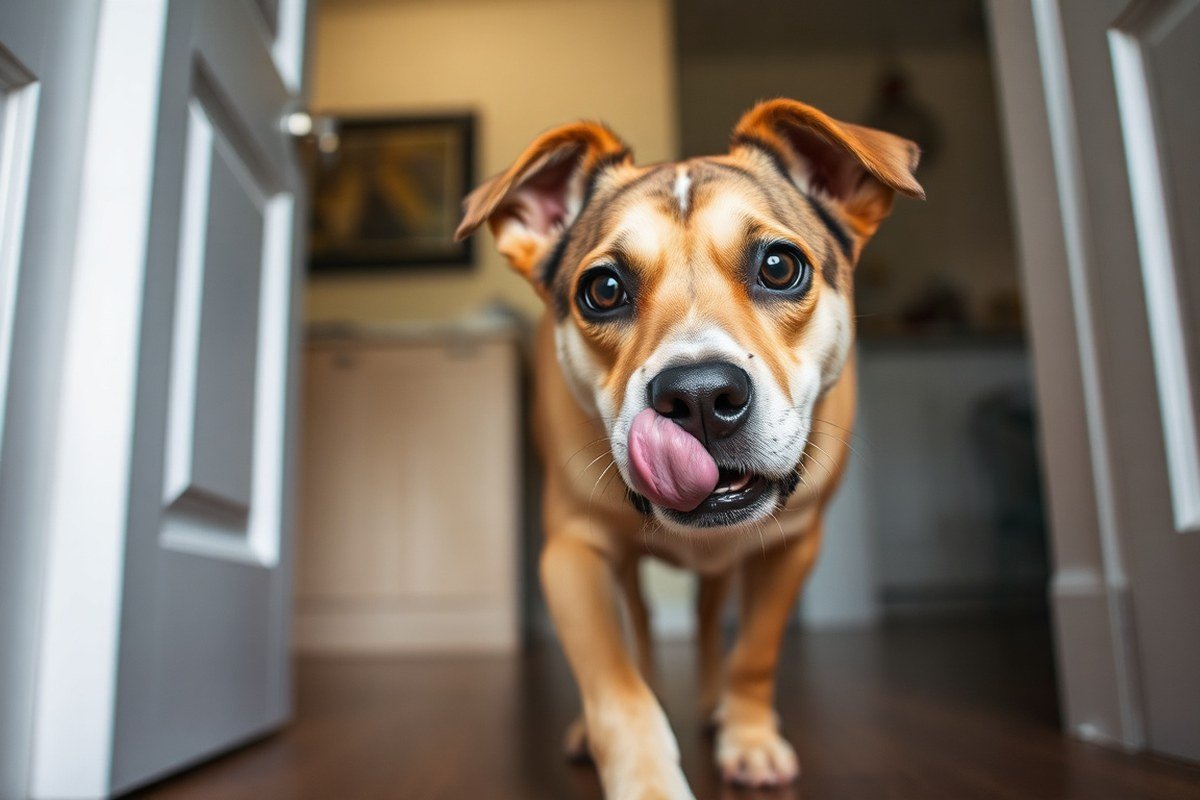
Licking can be a sign of anxiety, stress, or boredom in dogs. When your dog licks you repeatedly, they may be trying to cope with uncomfortable feelings or fill time when unstimulated. Dogs with separation anxiety or stress often lick compulsively as a soothing behavior. Watch for other signs like pacing, whining, or destructive chewing alongside licking to confirm anxiety. Your dog probably licks more during times alone or after a change in routine due to stress.
Boredom also triggers licking. Dogs need both physical exercise and mental engagement. A bored dog often licks for attention or simply to alleviate their restlessness. Chewing, scratching, or repetitive pawing may appear together with licking if your dog lacks stimulation. Increase playtime or introduce dog puzzle toys to redirect their focus. These toys cost between $10 and $30 and can occupy your dog for 15 to 30 minutes or longer, reducing licking linked to boredom.
To tell if licking relates to stress or boredom, note When and how often the licking occurs. Licking focused on your hands or face during calm times may be affection, but constant licking, especially when you are not paying attention, often signals an emotional need. Try giving your dog consistent daily exercise, 30 to 60 minutes of walking or running, and structured training sessions to lower anxiety. Provide stability with regular feeding and interaction times to decrease stress-related licking behaviors.
For stress or anxiety, you can gently interrupt licking by redirecting your dog’s attention with a command like “sit” or “come,” then reward calm behavior with treats or praise. Limit situations that trigger excessive licking, such as leaving your dog alone for long periods. Avoid punishing licking, as this can heighten stress and worsen the behavior. Persistent compulsive licking or other anxiety symptoms call for advice from a veterinarian experienced in behavioral issues for tailored guidance and possible treatment.
4. Health Issues That Might Cause Excessive Licking
Excessive licking can be a sign Your dog is experiencing health problems. Common medical issues include skin infections, allergies, and gastrointestinal troubles. Dogs often lick more when they feel itchy or uncomfortable from allergies or irritated skin. Digestive problems might also cause a dog to lick more as a way of self-soothing. If your dog’s licking suddenly increases or becomes persistent, it’s important to consider these possibilities.
Unlike normal licking, Licking caused by discomfort or pain tends to be repetitive and focused. Your dog might lick a specific spot on your skin or their own body where they feel pain or irritation. Watch for other signs like redness, swelling, hair loss, or changes in appetite or bathroom habits. Dogs in pain may also appear restless, withdrawn, or show aggression if touched. Deciding when to seek veterinary care is key. You should consult a vet if your dog’s licking:
- Interferes with daily activities or normal behavior
- Is obsessive and causes skin damage or wounds
- Comes with other symptoms like lethargy, vomiting, or diarrhea
- Is accompanied by sudden behavior changes such as aggression or withdrawal
Your vet will examine your dog to identify any underlying medical conditions. Diagnostics might include skin tests, allergy screenings, or blood work. Vet visits can cost from $50 to several hundred dollars depending on tests and treatment. Effective treatment can resolve licking caused by health issues, but ignoring symptoms risks worsening conditions.
Monitoring your dog’s licking patterns and other health signs helps distinguish normal behavior from health problems. Persistent, targeted licking signals the need for professional attention to ensure your dog’s comfort and well-being.
5. Preventing and Redirecting Unwanted Licking Behavior
Stopping your dog from licking excessively requires consistent training and clear boundaries. Start by ignoring your dog the moment licking begins; look away or gently move away without giving attention. Dogs lick to get a response, so withholding attention teaches them licking won’t get rewards. Use a calm but firm word such as “No” or “Enough” as a cue. Here’s a script to try: when your dog starts licking, say, “No licking,” then turn away briefly. Once your dog stops licking, immediately praise softly with “Good” or offer a treat to reinforce stopping.
Redirecting licking to positive activities helps channel their energy. Offer interactive toys like treat-dispensing balls or chew toys to keep your dog engaged. You can also teach them to perform a simple command in place of licking, such as “Sit” or “Place.” For example, if your dog starts licking, say “Sit,” and when they do, reward them warmly and give attention. Over time, they learn to trade licking for obeying commands and treats.
Distraction techniques are effective for immediate relief. When licking begins, use a favorite toy or a game like fetch to divert their focus. Regular exercise and mental stimulation throughout the day reduce boredom-driven licking. Ignore licking during play and only reward calm, non-licking behavior.
Consistency matters the most. Allowing your dog to lick sometimes but stopping it at other times can confuse them and encourage more licking. Always respond the same way to unwanted licking. Training sessions should be frequent but brief, about 5 to 10 minutes daily, to build good habits. Be patient, as behavior change takes weeks and occasional setbacks are normal.
When licking keeps up excessively despite your attempts to control it, it might signal stress, anxiety, or a health problem needing professional help. Most importantly, use positive reinforcement rather than punishment to encourage better behavior and strengthen your bond with your dog.
6. Common Mistakes to Avoid When Managing Licking
One common mistake owners make when trying to stop their dog’s licking is inconsistent reactions from different family members. One person allowing licking while another tries to stop it will confuse your dog. Make sure everyone reacts the same way every time your dog licks. This helps the dog learn clear boundaries faster and reduces the behavior more effectively.
Another error is giving attention when your dog licks you, even if it’s just a quick pet or verbal “no.” Stroking your dog’s head after they lick can teach them that licking gets them a positive response, encouraging more licking. To fix this, try ignoring the licking by turning away or gently moving the dog’s mouth away without any eye contact or touching. Only give attention when your dog stops licking on their own.
Many owners expect to completely eliminate licking, which can lead to frustration. Licking is a natural form of communication and comfort for dogs, so rather than trying to stop it entirely, aim to reduce excessive licking through positive reinforcement. Reward your dog with treats, praise, or playtime when they show calm, non-licking behavior. This shifts their focus to more acceptable ways of getting your attention.
Relying too much on punishment or scolding for unwanted licking usually backfires. Your dog might get stressed or confused, or they might lick even more to seek comfort. Instead, set clear limits. When your dog starts licking, redirect their attention to a chew toy or a training exercise. Consistent mental and physical activity reduces restlessness, which is a key cause of licking for attention or boredom.
Keeping track of when, how often, and the type of licking helps you figure out what your dog wants. Sudden, restless licking might signal your dog needs exercise or feels anxious. Matching your response to their needs rather than just trying to stop licking outright leads to better long-term results. For example, a 10-minute play session before you expect calm behavior can cut down on licking attempts.
7. When and How to Seek Professional Help for Excessive Licking
Seek veterinary advice when your dog’s licking becomes obsessive, targets one body part, or coincides with other changes like loss of appetite, altered behavior, or irregular bowel movements. These signs might point to underlying medical issues that require prompt attention. A visit to the vet can rule out illnesses such as allergies, infections, or pain-related causes. Prepare for this visit by tracking your dog’s licking patterns for at least a week, note the frequency, duration, and triggers. Also record any additional symptoms to share with your veterinarian. This information helps pinpoint whether licking stems from health problems or behavior.
For licking linked mainly to emotional or behavioral causes, consulting a certified animal behaviorist or a professional trainer may be more suitable. They assess whether anxiety, stress, or lack of stimulation drives the behavior. Expect the consultation to involve a detailed discussion about your dog’s daily routine, environment, social interactions, and history. The specialist may suggest modifications such as increasing mental and physical exercise or introducing structured playtime. Therapy sessions typically range between $100 and $250, varying by location and professional credentials.
Distinguishing between medical and behavioral causes often hinges on the presence of physical symptoms and whether the licking is a new or intensified pattern. If unsure, start with a vet visit since untreated medical issues can worsen. When behavioral therapy is advised, combine it with environmental enrichment like more walks or puzzle toys to reduce licking driven by boredom or anxiety. Keep a Behavior log during these interventions to monitor progress, sharing updates with your vet or behaviorist for ongoing adjustments. Professional help generally shows improvement in a few weeks; lack of change after one month might require reevaluation of the diagnosis or treatment plan.
Step-by-Step Action Plan to Manage Your Dog’s Licking
Follow these steps to understand and control your dog’s licking behavior effectively.
- Day 1: Observe when and why your dog licks to identify triggers like attention-seeking or stress. You’ll know it worked when you can list at least three common situations.
- Day 2-3: Redirect licking by giving a chew toy or engaging in play during known licking times. Success means your dog licks less and focuses on the alternative.
- Week 1: Reinforce calm behavior with treats when your dog stops licking on command. This shows your dog understands the cue for stopping licking.
- Week 2: Limit access to areas or clothes your dog tends to lick excessively. Notice a drop in licking incidents in those spaces.
- Week 3: Increase exercise to reduce boredom and anxiety-related licking. A more relaxed dog will lick less.
- Week 4: If licking persists or worsens, schedule a visit with your vet or a dog behaviorist. You’ll proceed knowing you’ve addressed basic steps first.
Frequently Asked Questions
Can Excessive Licking Spread Diseases Between My Dog and Me?
Yes, dog licking can transmit bacteria, so avoid letting them lick open wounds or your face to reduce infection risk. Keep good hygiene by washing the area after licking occurs.
Why Does My Dog Lick Me More When I’m Upset?
Dogs may lick to comfort or calm you when they sense your stress, offering reassurance. This behavior shows their empathy and desire to soothe your emotional state.
Does Licking Mean My Dog Is Hungry or Thirsty?
Licking can signal your dog wants something, such as food or water, especially if it increases around mealtime. Watch for other cues like pacing or whining to confirm their needs.
Can Licking Be a Sign My Dog Is Bored?
Yes, licking often increases when dogs lack mental stimulation or exercise, acting out boredom. Providing toys and regular walks helps reduce licking linked to boredom.
Should I Let My Dog Lick My Face?
It’s generally safe but not recommended, as saliva can carry germs and cause irritation. Limiting face licking helps maintain hygiene and reduces allergy or infection risks.
Before You Go
Your dog’s licking is a form of communication with various meanings, from affection to stress. Paying close attention to when and why your dog licks can help you respond appropriately and improve your bond. Start by noting patterns of licking today and set a manageable goal to redirect it during key moments.