What Does Ringworm Look Like on a Dog? A Complete Identification Guide
Ringworm on a dog often shows up as round areas where the fur has fallen out, revealing red, flaky skin in the middle. These spots might cause itching and can grow larger or multiply if you don’t treat them. Though they often take on a ring-like form, the shape might not be a clear circle every time.
Early detection and veterinary diagnosis are essential since ringworm is contagious and can mimic other skin problems. Check your dog’s skin regularly, especially in common ringworm spots, and seek professional advice for accurate diagnosis.
Key Takeaways
- Ringworm appears as round areas of hair loss with red, scaly skin and often spreads if untreated.
- Common ringworm fungi include Microsporum canis and Microsporum gypseum, causing about 90% of cases in dogs.
- Ringworm spores can remain dormant on surfaces for up to 18 months, increasing infection risk.
- Dogs with healthy immune systems may self-cure in 2-3 months, but treatment speeds recovery.
- Wood’s lamp test can identify about 50% of cases, but fungal culture is more accurate though slower.
- Ringworm can infect existing skin wounds or damaged areas, so monitor any skin trauma carefully.
What Does Ringworm Look Like on a Dog’s Skin and Fur?
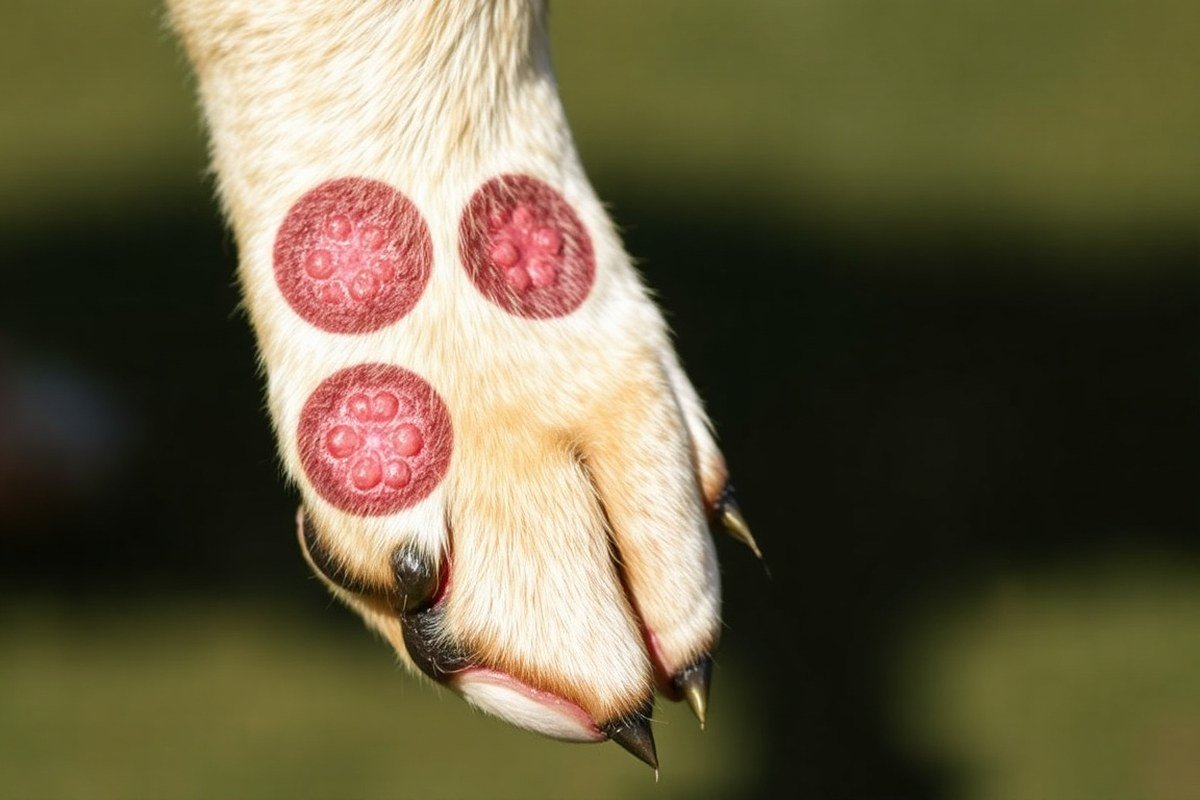
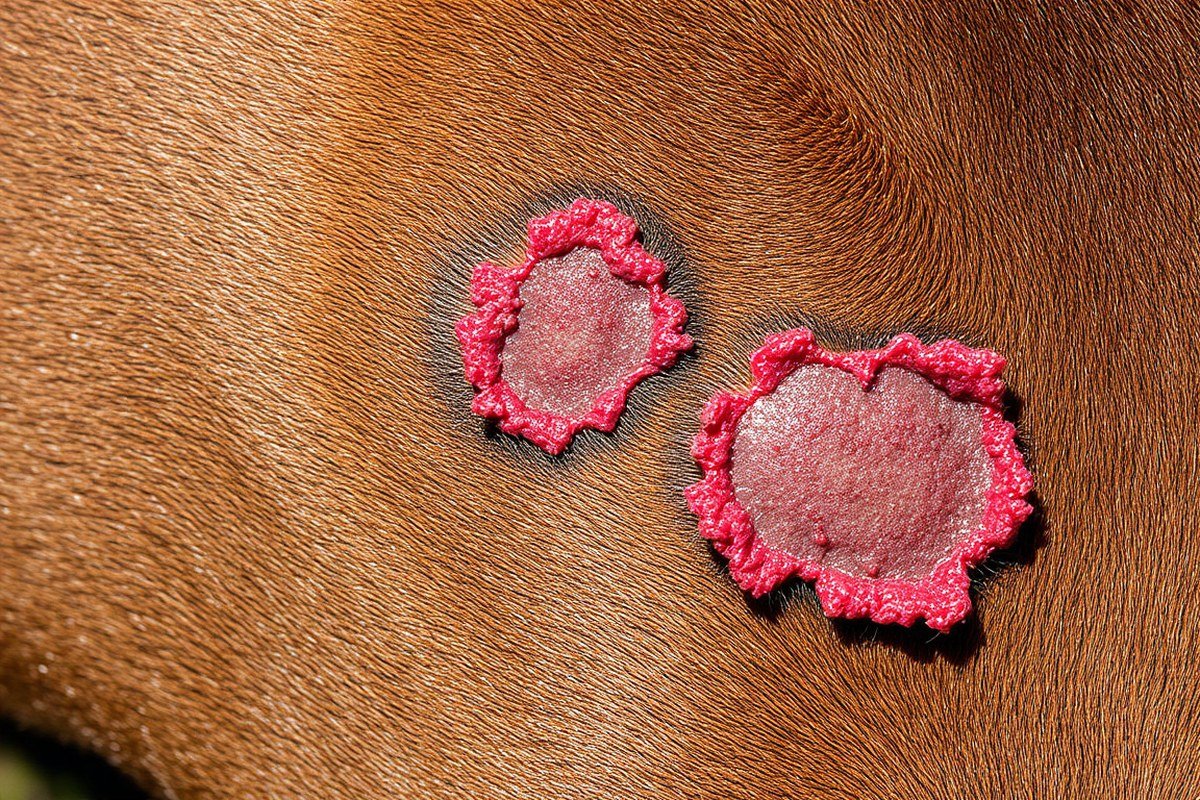
Ringworm on a dog’s skin typically appears as circular patches of hair loss. These spots often have edges that are red, scaly, or crusty, contrasting with the healthy skin. The bald areas may seem flaky or have a brittle texture, with flakes resembling dandruff. Although these lesions are commonly round, they can sometimes be irregular in shape, which might make it tricky to identify ringworm just by sight.
The color of the affected skin usually ranges from pink to bright red, especially around the borders of the patch. In some cases, the center of the lesion may look clearer or less inflamed, creating a ring-like appearance. The surrounding fur may be broken or thinned, and the skin texture can change from smooth to rough or crusty. Itchiness varies from mild to moderate, so your dog may scratch but usually not excessively.
You can find ringworm lesions on almost any part of your dog’s body. While they often develop on the paws, legs, head, and ears, areas like the belly, groin, and inner legs are also common sites because the skin there is thinner and makes the lesions more visible. On lighter-skinned dogs, the redness and scaling are easier to spot, which helps in early recognition.
To check for ringworm, gently part the fur and examine any suspicious patches for circular or irregular hairless areas with red, flaky skin. If you notice brittle fur or crusting, especially combined with localized hair loss, these are signs worth discussing with your veterinarian. Accurate diagnosis usually requires lab tests, since other conditions like allergies or mange can look similar but involve different treatment approaches. Early identification helps ensure proper care and limits the spread to other pets or humans in your home.
How Do Dogs Typically Contract Ringworm Fungal Infection?
Ringworm infects dogs through direct contact with the fungus, which is found on infected animals, people, and contaminated surfaces. When your dog touches a pet with active ringworm lesions, the fungal spores transfer easily to their skin or fur. The same risk applies if your dog comes into contact with contaminated objects like grooming tools, bedding, or food bowls. These spores are resilient and can cling to nearly any surface.
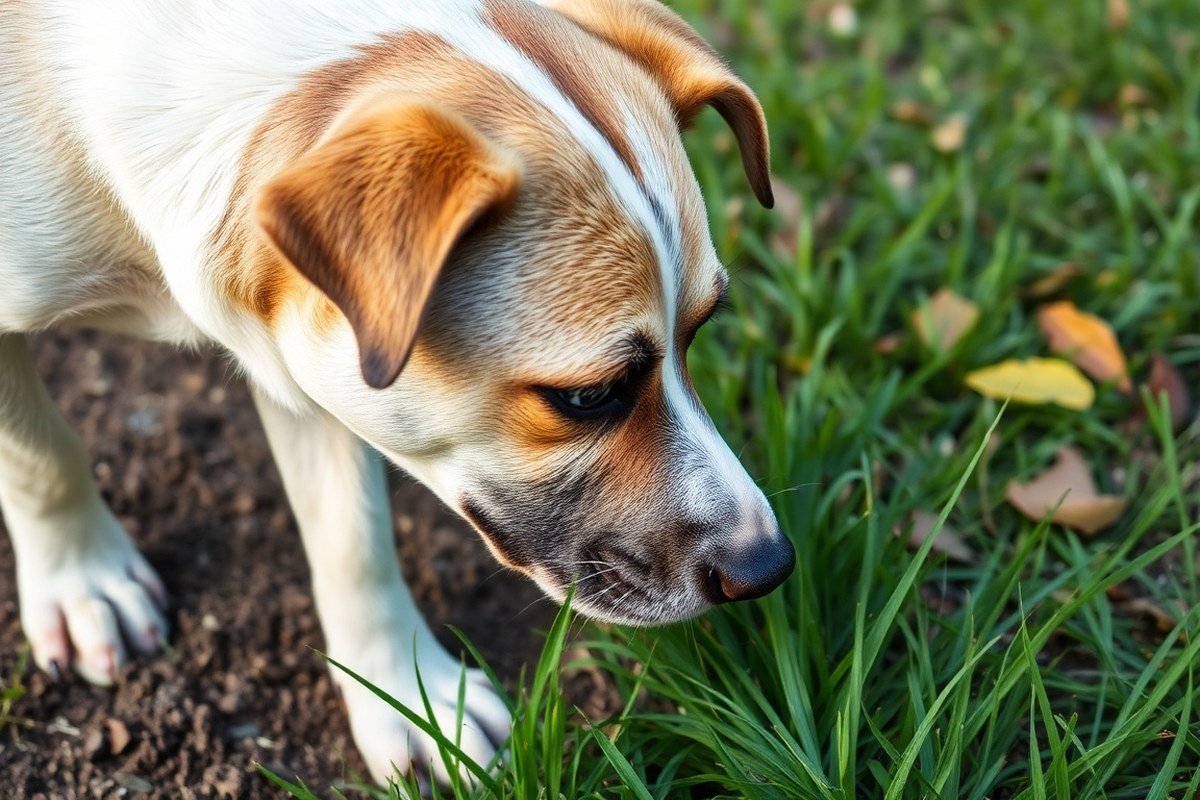
Environmental sources are another common way dogs pick up ringworm. Fungal spores can survive in soil that your dog digs or sniffs, especially in warm and humid conditions that favor fungal growth. Because spores remain dormant yet infectious for up to 18 months, your dog might contract ringworm from places where an infected animal was months or even over a year ago. This longevity means treating and isolating your dog is important to limit spread.
People and dogs can transmit ringworm back and forth, making it a zoonotic disease. Handling an infected pet or touching contaminated surfaces can pass spores to humans and vice versa. It’s particularly likely if your dog licks an active lesion then licks a person. To minimize risk, keep your infected dog confined to one room and regularly disinfect areas where the dog rests to prevent household contamination.
These transmission methods explain why your dog’s close contact with other infected dogs or contaminated environments increases the chance of ringworm. Preventing exposure to known cases and maintaining strict cleanliness reduces your dog’s risk and protects your household from infection.
Common Locations on Dogs Where Ringworm Usually Occurs

Ringworm lesions most often develop on a dog’s face, ears, paws, and tail. These areas have thinner fur or exposed skin, making it easier for the fungal spores to settle and infect. Ears and the snout are particularly vulnerable because their skin is often more delicate and less protected by dense hair. Lesions typically show as circular, hairless patches with dry or crusty skin, commonly appearing around the toenails and the tail base.
The face and ears serve as frequent entry points for the fungus since dogs sniff and explore environments with their nose and head first. The paws and nail beds also catch ringworm easily due to contact with contaminated surfaces like soil, other animals, or grooming tools. Because these spots are more likely to get injured or irritated, the fungus finds a favorable environment to grow.
Coat length influences both where lesions form and how visible they are. Dogs with shorter fur may show signs more clearly on areas like legs and belly, where the skin can be exposed. Longer-coated dogs might carry hidden infections in less obvious spots, requiring careful inspection by parting the fur. In both cases, lesions usually affect spots where the coat is naturally thinner or where grooming is more frequent, such as the ears and around the paws.
Checking these common locations thoroughly, including the snout, ears, tail, paws, and underbelly, can help catch ringworm early. Visual cues like hair loss in circular patterns combined with dry, scaly skin raise suspicion. Early detection in these spots supports timely treatment, reducing discomfort and spread to other pets or family members.
Skin Conditions That Can Be Mistaken for Ringworm in Dogs
Several skin conditions in dogs mimic Ringworm symptoms, making it hard to identify without veterinary assistance. Common lookalikes include mange, allergies, yeast infections, and bacterial skin infections like pyoderma. Mange caused by mites, particularly demodex or sarcoptic mange, often results in hair loss and redness that can resemble ringworm patches. Allergies or hot spots may cause itching and sores, similarly mistaken for fungal infections. These conditions share signs such as hair thinning, scaling, and itching, which complicates visual comparison.
To Tell ringworm apart, observe the circular shape of lesions with raised edges and a clearer centre, though this is not definitive. A key behavior difference is that mange typically involves intense itching, and affected dogs may have other signs such as crusty skin or secondary infections. Yeast infections often create a musty smell and occur in moist areas like the ears or paws. Allergic reactions usually cause widespread irritation rather than distinct round patches. Despite these clues, visual inspection alone rarely confirms the diagnosis.
Proper diagnosis requires a veterinary exam and diagnostic tests like fungal cultures or microscopic hair evaluation. This step matters because treatment differs greatly across these conditions. Ringworm needs antifungal therapy and strict hygiene to prevent spread. Mange treatments target mites with medicated dips or oral medications, while allergies may need steroids or hypoallergenic diets. Misdiagnosis could worsen skin health, delay healing, increase spread risk, or subject your dog to ineffective or unnecessary treatments.
Use this checklist for evaluating suspicious skin spots on your dog: check if the lesion is circular with raised, scaly edges; note how much your dog scratches the area; observe if the skin emits an unusual odor; watch for hair loss patterns; and see if multiple dogs or humans around have similar symptoms. A vet can then confirm with lab tests. Veterinary consultation typically costs $50 to $150, depending on tests required, but saves the risk and expense of improper care. Early and accurate identification helps secure your dog’s comfort and protects your household from contagious fungal infections.
How Veterinarians Diagnose Ringworm in Dogs Accurately
Veterinarians use several methods to diagnose ringworm accurately, starting with a physical examination and specialized tests. A Wood’s lamp examination involves shining an ultraviolet light on your dog’s fur. About 50% of ringworm species will fluoresce, showing a distinctive green glow. This test is quick and non-invasive but may miss cases since not all ringworm fungi fluoresce.
The Fungal culture test is considered the most reliable method. Vets collect hair and skin scrapings, placing them on a growth medium to see if ringworm fungi develop. This test requires patience, taking 2 to 4 weeks for results, but it identifies the specific fungal species and confirms infection. It costs more than a Wood’s lamp exam but provides more definitive answers and helps guide treatment.
Microscopic examination of hair and skin samples, called a trichogram, allows rapid detection of fungal elements. While useful, it cannot always distinguish ringworm from other similar infections.
PCR (polymerase chain reaction) testing detects fungal DNA from samples and usually returns results in 2 to 5 days. It offers a faster alternative to cultures but tends to be used alongside traditional tests rather than replacing them completely. PCR testing is useful when quicker diagnosis is critical, though it’s less widely available and may be more expensive.
Veterinarians often combine these methods to confirm the diagnosis, especially when symptoms overlap with other skin conditions. The Wood’s lamp serves as a quick screening tool, cultures confirm the diagnosis but take longer, and PCR testing offers a rapid complement to these techniques. This multi-step approach helps ensure accurate identification of ringworm so your dog can receive the proper care as soon as possible.
Effective Treatment Options for Ringworm in Dogs
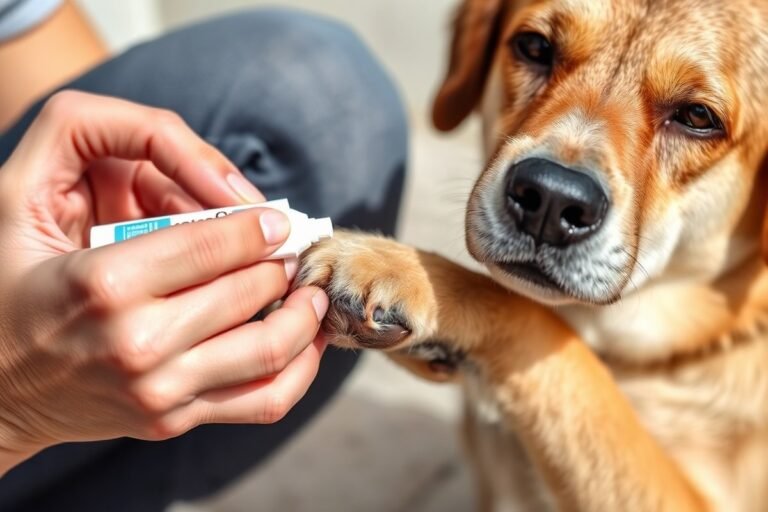
Treating ringworm in dogs usually involves a combination of topical and oral antifungal medications. For localized infections, your vet may recommend topical treatments like miconazole cream or lime sulfur dips applied directly to the affected areas. These topical options typically require daily application for about 6 to 8 weeks. In more widespread or severe cases, oral antifungal medications such as itraconazole or terbinafine are often prescribed, with treatment lasting from 6 to 12 weeks depending on the response. Medicated shampoos containing ketoconazole can also be used throughout the therapy to help reduce the fungal load on the dog’s skin.
Continuing treatment beyond the disappearance of symptoms is important because ringworm spores can persist and cause reinfection if the fungus is not fully eradicated. Stopping medications early can lead to treatment failure and longer recovery. Environmental decontamination with antifungal disinfectants throughout the treatment is equally necessary to prevent reinfection from contaminated surfaces and bedding.
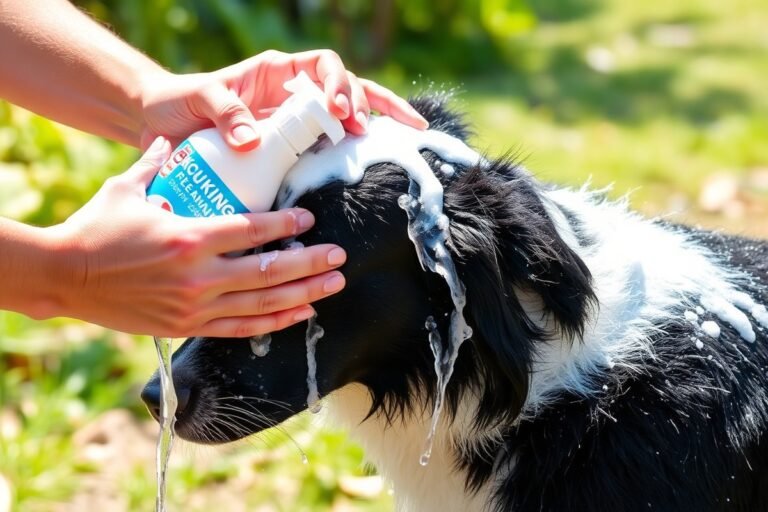
Long-haired dogs usually require more frequent grooming, typically every 4 to 6 weeks, to help remove fungal spores trapped in the fur. You should also bathe them regularly using the medicated shampoo and brush them daily to keep the coat clean and aid treatment. Short-haired dogs may go longer between grooms, around 8 to 12 weeks, but still benefit from the same bathing and brushing routine. Always follow your veterinarian’s instructions closely, as dosage and duration depend on the severity of your dog’s specific infection and overall health.
How to Prevent Ringworm Spread and Recurrence in Your Home
Effective environmental decontamination is key to preventing the spread and recurrence of ringworm in your home. Fungal spores can survive on objects for up to 18 months, so thorough cleaning matters. Wash all bedding, blankets, and soft toys in hot water at 140°F (60°C) and use a pet-safe disinfectant on floors, furniture, and hard surfaces. Disinfect grooming tools after each use to avoid reinfection. Items that cannot be washed can be vacuumed frequently and wiped with antifungal sprays designed for home use.
Isolating your infected dog helps control ringworm transmission. Keep your dog separated from other pets during active treatment and until the veterinarian confirms the infection has cleared. This usually means isolation for at least 3-4 weeks, but follow your vet’s advice. Limit your dog’s access to common areas and wash your hands thoroughly after interacting with the infected pet.
Grooming and bathing routines also play a role. Bath your dog with medicated antifungal shampoo as recommended by your vet, often 2 to 3 times per week during treatment. Regular grooming removes loose hair and spores from the coat, but use clean brushes each time. After treatment ends, maintain grooming once or twice weekly to catch any signs early and reduce spore build-up. Avoid skipping grooming since poor hygiene can encourage recurrence.
Managing ringworm requires consistent effort and vigilance at home. A good prevention checklist includes isolating infected pets, disinfecting their environment and belongings, washing hands after contact, and following a vet-approved grooming schedule. You’ll reduce reinfection risk and protect your family and other pets from this contagious fungal infection.
Is Ringworm Contagious to People and Other Pets?
Ringworm is highly contagious and can easily spread from dogs to humans as well as to other pets in your household. This fungal infection passes mainly through direct contact with the infected dog’s skin or fur. It also spreads indirectly via contaminated objects like grooming tools, bedding, or furniture. The contagiousness in dogs tends to be less aggressive than in cats, but the risk of transmission remains significant until treatment successfully clears the infection.
Because ringworm is zoonotic, it’s essential to separate the infected dog from family members, especially young children, elderly, or immunocompromised individuals, who have a higher risk of severe infection. Wearing disposable gloves when touching the affected areas on your dog can reduce transmission, as well as washing your hands thoroughly with soap and warm water immediately afterward. Avoid sharing personal pet items like brushes, collars, or blankets until the infection is fully resolved.
Treatment can take around three weeks, and during this time, the dog stays contagious. Protecting other pets by isolating the infected dog and having your vet test any household animals is also necessary. Keeping the dog indoors and well cleaned limits environmental spread. If any humans in the home develop unexplained skin rashes or lesions, see a healthcare provider promptly as ringworm requires medical diagnosis and treatment in people.
Good hygiene remains your best defense. This includes washing hands after pet contact, cleaning and disinfecting common surfaces and tools regularly, and laundering the dog’s bedding and toys in hot water above 130°F to kill fungal spores. Preventing spread demands consistent care and vigilance, especially during the full course of treatment and a few weeks after to ensure the fungus is gone.
When Should You Consult a Veterinarian About Ringworm?
Consult a veterinarian as soon as you suspect your dog has ringworm. Even if the spots don’t form a perfect ring or if a Wood’s lamp test is negative, the infection could still be present. Your vet can confirm the diagnosis by examining the affected skin and may take hair or skin samples for lab testing. Starting treatment early helps prevent spread and complications.
Watch for worsening signs such as enlarged, spreading lesions, crusty or scabby areas, intense itching, or hair loss covering larger spots. If your dog seems lethargic, develops secondary skin infections, or if the lesions do not improve within a few weeks of treatment, you need to contact your vet for further evaluation. They might suggest additional testing, like blood work, to check for underlying health problems that could affect healing.
Mild cases may sometimes clear up on their own, but leaving ringworm untreated increases the risk of spreading to other pets and people in your household, and the infection can become more severe. Treatment typically involves antifungal medications that can take 4 to 8 weeks or more to fully clear the infection. During this time, your dog remains contagious for at least three weeks even with proper care, so following your veterinarian’s instructions on medication and hygiene is essential. Avoid using home remedies without veterinary approval, as incorrect treatment can delay recovery and cause recurrence.
Step-by-Step Action Plan for Managing Ringworm on Your Dog
Follow these clear steps to treat and contain ringworm on your dog while protecting your household.
- Day 1: Schedule a veterinary appointment for a proper diagnosis. Confirming ringworm with tests like a fungal culture ensures the right treatment.
- Days 2, 3: Begin prescribed antifungal medication or topical treatment immediately after diagnosis. Visible improvement includes reduced redness and hair regrowth.
- Week 1: Clean your home thoroughly, focusing on areas where your dog frequents. Use a disinfectant recommended for fungal spores; this lowers the risk of spread.
- Week 2: Check your dog’s skin daily for new lesions or worsening spots. Early detection of changes helps with prompt treatment adjustments.
- Week 3, 4: Continue medication for the full prescribed period even if symptoms improve. This prevents recurrence and ensures complete fungal elimination.
- After treatment ends: Revisit the veterinarian for a follow-up fungal culture or skin exam to confirm ringworm is resolved.
- Ongoing: Practice regular grooming hygiene and avoid contact with unknown animals showing skin problems to prevent future infections.
Frequently Asked Questions
What Can I Give My Dog to Get Rid of Ringworm?
Your veterinarian may prescribe oral antifungal tablets along with medicated shampoos or topical treatments to stop the ringworm fungus from reproducing. Always use products recommended by your vet, as inappropriate treatments can prolong the infection.
What Can Be Mistaken for Ringworm in Dogs?
Many skin conditions like allergies, bacterial infections, or other fungal infections can look like ringworm, making visual diagnosis unreliable. A vet can perform tests to identify the exact cause of your dog’s skin issues.
How Do I Tell If My Dog Has a Ringworm?
Look for a bald, crusty patch with scaling and broken hairs, but diagnosis should be confirmed by a vet through examination and lab tests since other conditions mimic ringworm’s appearance.
Can Dogs Pass Ringworm to Humans?
Yes, ringworm is highly contagious to humans and other pets, so keep infected dogs separated and wash hands thoroughly after contact to reduce the risk of spreading the fungus.
Does My Pet Have Ringworm If the Patch Is New and No Hair Is Missing Yet?
Early ringworm may appear as small, red, circular areas before hair loss begins. Monitor the spot closely and consult your vet for accurate diagnosis and prompt treatment.
Final Thoughts
Recognizing what ringworm looks like on your dog and acting quickly supports effective treatment and reduces spread. Seek veterinary diagnosis promptly, begin treatment as directed, and maintain home cleanliness. Taking these steps protects your pet, your family, and other animals around you.