How Fast Can a Dog Run? A Complete Guide to Speeds, Breeds, and Safety
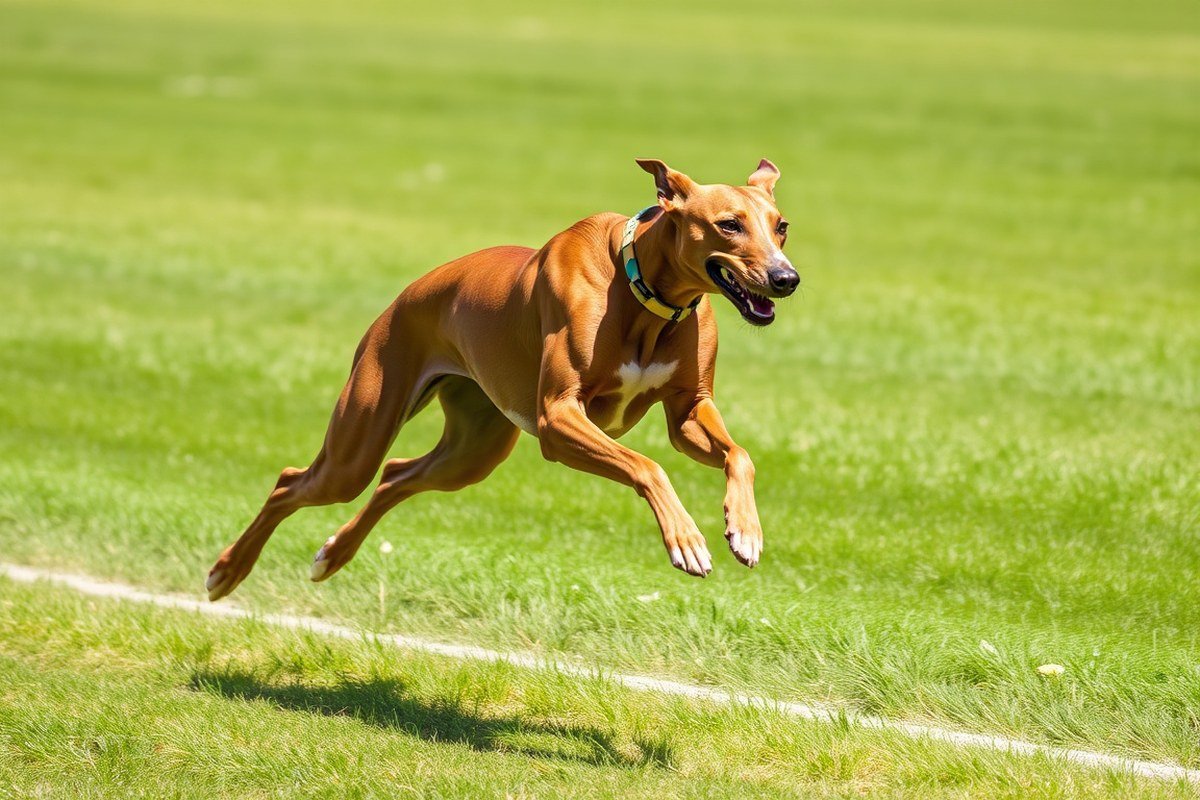
How fast can a dog run depends on the breed, size, and health of the dog, but the fastest dogs can reach impressive speeds. The Greyhound tops the chart, reaching speeds up to 45 miles per hour. Average dogs run much slower, often between 5 to 15 miles per hour, depending on their build and fitness.
Understanding your dog’s capabilities helps with safe exercise planning. Start by observing your dog’s stamina and gradually increase running sessions to avoid injury.
Key Takeaways
- The Greyhound is the fastest dog, capable of speeds up to 45 miles per hour, with some Australian Greyhounds reaching 50.5 mph.
- Endurance running breeds usually maintain speeds between 13 and 15 miles per hour over longer distances.
- Leggy hounds like Salukis and Vizslas run around 40 miles per hour, combining speed with endurance.
- An average dog runs a mile in about 8 to 10 minutes, while elite runners do it in 4 to 6 minutes.
- Breed size influences speed, but smaller dogs can still run 5 to 10 miles per hour, matching many human joggers.
- Dogs are usually ready for running training after 12 months old, with gradual stamina building over weeks.
How Fast Can Dogs Actually Run?
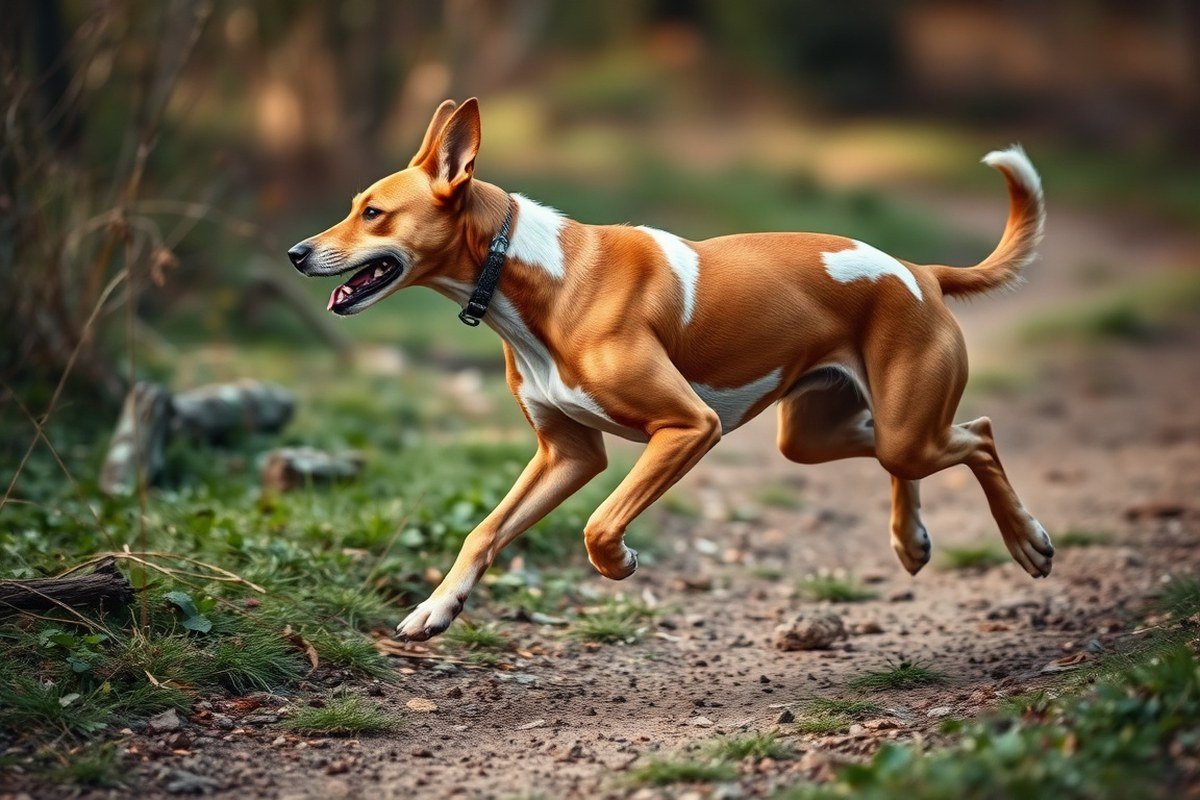
Most dogs can sprint at speeds between 15 and 20 miles per hour for short bursts. This range reflects typical pet dogs, who rely on bursts of speed during play or quick chases. Healthy adult dogs usually reach these speeds over distances lasting just a few seconds. These sprints are powerful but brief, as most dogs tire quickly when pushed to their maximum pace.
Some dog breeds, especially those bred for racing or hunting by sight, can achieve peak speeds significantly faster than average. Greyhounds top the list, capable of sprinting nearly 45 miles per hour. Their physical build and muscle type support these quick bursts for roughly a minute, suiting short race lengths. Athletic dogs like Boxers and Dalmatians also reach speeds from 37 to 45 miles per hour, though they can’t maintain it as long.
Typical pet dogs, especially smaller breeds, often run slower, sometimes at 5 to 10 miles per hour during casual jogging or play. Even so, this speed can outpace many recreational human runners, since the average 18-to-34-year-old runs about 8.5 miles per hour. Sprint speeds differ from sustained running speeds; most dogs cannot maintain top sprint speeds for long. They excel at quick bursts rather than long-distance speed.
Measuring your dog’s speed can be as simple as timing a 100-yard dash during play. Many dogs cover this distance in 11 to 15 seconds, depending on breed fitness. While sprinting is a short-term effort, sustained running speeds are lower and last minutes to hours depending on dog type and fitness. This distinction between typical short sprints and peak speeds explains why some dogs excel in quick play, while others are built for endurance.
Which Dog Breeds Are the Fastest Sprinters?
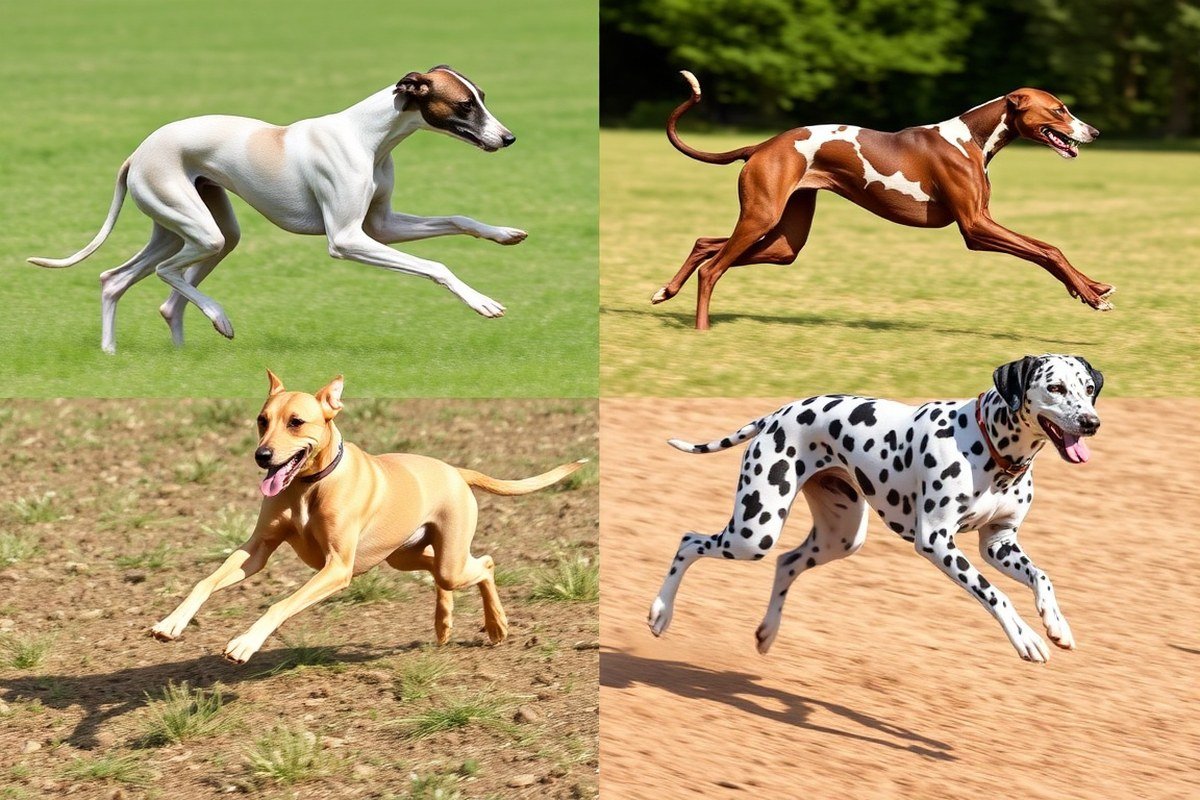
Among dog breeds, the Greyhound stands out as the fastest sprinter, capable of reaching speeds up to 45 miles per hour. This breed is specifically built for racing, with a streamlined body and powerful legs that deliver rapid acceleration and high top-end speed. If you want a dog that excels at short-distance sprints, this breed is an ideal choice.
Other Leggy hounds, including the Saluki and the Vizsla, also show remarkable speed. Salukis can run close to 42 miles per hour and are known for their endurance and ability to maintain high speeds over longer distances. Vizslas clock in at about 40 miles per hour and are excellent sporting dogs with strong galloping abilities. Their slender frame and long legs assist with both speed and stamina.
Whippets offer Explosive acceleration and can sprint at nearly 35 miles per hour. These smaller sighthounds excel in short bursts, making them great for quick races but not sustained running. Meanwhile, breeds like the Border Collie and German Shepherd reach speeds around 30 to 40 miles per hour but prioritize agility and directional changes over raw speed.
| Breed | Approx. Top Speed (mph) | Notes |
|---|---|---|
| Greyhound | 45 | Fastest breed; racing and sprinting |
| Saluki | 42 | Desert sighthound; sustained speed |
| Vizsla | 40 | Sporting dog; strong gallop |
| Whippet | 35 | Small sighthound; short-distance sprint |
| Border Collie | 30-40 | Agility over raw speed |
High speeds like these matter if you want a dog built for running, racing, or vigorous exercise. Dogs bred for endurance, such as Huskies, trade top speed for stamina, making them better for long runs than sprinting. Choosing a fast breed requires understanding both their speed limits and how long they can maintain those speeds safely.
What Physical Traits Make Dogs Good Runners?
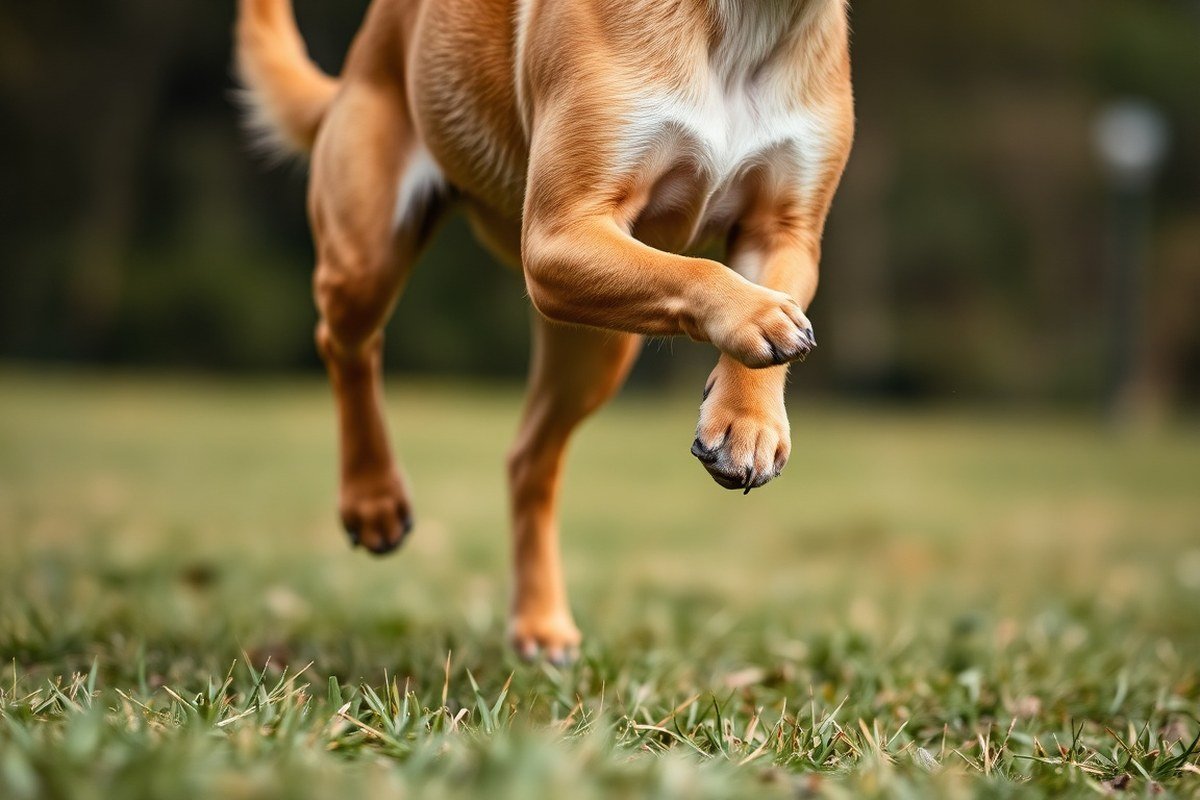
Physical traits like leg length, spine flexibility, and muscular build all shape how fast a dog can run. Dogs with long legs take longer strides, giving them a strong advantage in sprinting. Longer limbs increase the ground covered with each step, allowing for quicker acceleration. For instance, breeds such as Greyhounds have elongated legs that work together with their lean muscles to generate powerful push-offs, enabling rapid bursts of speed.
The spine also plays a key role. A flexible spine acts like a spring, allowing the dog to stretch out and contract its body during a gallop, which increases stride length even more. Greyhounds and similar breeds have a double-suspension gallop where all four legs leave the ground briefly, boosting speed by maximizing forward thrust and minimizing ground contact time. This spring-like spine flexibility helps them reach speeds up to 45 mph or more.
Body shape influences Sprinting ability through aerodynamics and muscle distribution. Dogs built with a streamlined, narrow chest and a deep rib cage optimize oxygen intake and support stronger heart and lung function needed for endurance. Muscle mass along the hind legs contributes to explosive power, while a lean body reduces drag. Combining these traits lets dogs accelerate quickly and sustain fast runs without wasting energy.
Smaller dogs with compact, muscular builds, like Jack Russell Terriers or Italian Greyhounds, can also sprint between 25 and 30 mph because their muscles contract rapidly and their lightweight bodies face less air resistance. However, bulkier breeds with shorter legs, such as Basset Hounds, tend to run slower despite their strength. Understanding your dog’s body type helps you recognize its natural running potential and how to support it effectively during exercise.
How Do Age, Size, and Health Affect Dog Speed?
Puppies can run with bursts of Explosive but immature speed, which means they might look quick in short sprints during play. However, their muscles and joints are still developing, so they don’t sustain fast speeds like adult dogs. Running hard or too often before 12 months of age can lead to growth problems, especially in larger breeds prone to speed, such as Greyhounds or German Shepherds. It’s best to let puppies play naturally and avoid structured running until their bones and joints mature around 12 months.
Adult dogs typically reach their peak running ability between 2 and 5 years old. During this stage, their cardiovascular fitness, muscle strength, and coordination are at their best. Dogs with good endurance, even if not the fastest sprinters, can maintain a strong pace for longer distances, making them excellent running partners. Factors like breed also influence adult speed, some dogs are naturally faster, while others excel in stamina.
As dogs age into their senior years, usually after 7 years depending on size and breed, their speed and endurance tend to decline. Older dogs often lose up to 15% of their hip mobility, which directly impacts their ability to run briskly or sustain speed. You might notice seniors preferring slower walks or shorter bursts of activity. Monitoring their comfort during movement and adjusting exercise accordingly helps maintain their health without overstraining.
Health issues can significantly limit any dog’s running ability at any age. Joint problems like arthritis, heart conditions, or respiratory issues affect how fast and how far a dog can safely run. Brachycephalic breeds (those with flat faces) often struggle in hot weather or intense runs due to breathing difficulties. It’s important to avoid timed sprints, long runs, or vigorous exercise for puppies, seniors, dogs with known health problems, or during hot temperatures. Regular vet checks help identify any underlying conditions that may restrict your dog’s running, ensuring you adjust activity levels to keep them safe and comfortable.
How Does Dog Speed Compare to Human Running Speeds?
Dogs generally outrun humans by a significant margin. On average, dogs can reach speeds 7 to 12 mph higher than people. Healthy adult dogs typically sprint at speeds ranging from 15 to 20 mph, which exceeds most human capability. For comparison, Usain Bolt, the fastest human sprinter, tops out around 27 to 28 mph, while Greyhounds, known as the swiftest dog breed, can hit 43 to 45 mph. This highlights that dogs usually have a higher top speed than humans, especially over short bursts.
The Difference in acceleration between dogs and human sprinters is also notable. Dogs are built for quick bursts, with powerful muscles and flexible spines allowing for rapid acceleration. While Usain Bolt accelerates quickly too, dogs can often reach their top speeds faster, particularly agile breeds like whippets or small hunting dogs capable of quick changes in direction combined with speed.
Endurance running is another area where differences appear. Some dog breeds specialize in sustained speeds of around 10 to 15 mph, maintaining a steady pace without tiring. Humans are capable of endurance running at much slower speeds, often around 6 to 8 mph for long distances. That makes dogs better sprinters and more capable runners over moderate distances, but humans can sometimes outlast dogs in ultra-long runs by managing pacing and conserving energy strategically.
Not all dogs run at the same speeds, and factors like health, weight, and breed determine how fast a particular dog can run. Overweight or sickly dogs run slower, sometimes closer to average human speeds. To see your dog’s maximum speed, keep them healthy and maintain a proper weight. In short races or sprint play, your dog will almost always outpace you, but for long runs, you might keep pace depending on your fitness and your dog’s endurance type.
How Far and How Long Can Dogs Sustain Running?
Dogs cannot maintain their top running speed for extended distances. Most dogs sprint in bursts lasting only 20 to 30 seconds before they need to slow down or rest. This is because high speeds require a lot of energy and put stress on their muscles, limiting how long they can sustain that pace. For example, a Greyhound can reach speeds up to 45 miles per hour but can only keep this speed in short bursts during a race.
Endurance running is different from sprinting and varies by breed. Some dog breeds like the German Shepherd, Boxer, and Border Collie have decent top speeds around 30 miles per hour but excel at maintaining a slower pace of 10 to 15 miles per hour over longer distances. These breeds were bred for stamina and work, so they can keep a steady running speed for miles during activities like herding or search and rescue.
Consider the example of a Border Collie running at 12 miles per hour for a sustained jog. Running at this pace for one hour means the dog can cover 12 miles. In contrast, a sighthound like the Irish Wolfhound may reach a top speed of 35 miles per hour but only hold it for 20 to 30 seconds. Over an hour, slowing to a 5-mile-per-hour trot results in covering just 5 miles.
Distance impacts running ability significantly. Dogs built for speed will fatigue quickly, while endurance breeds keep a moderate pace much longer. Training, age, health, and weather conditions also influence how far and how fast a dog can sustain running. Avoid pushing your dog to maintain sprint speeds beyond their capability to prevent injury or exhaustion.
When and How Should You Start Running with Your Dog?
Begin running with your dog by first ensuring strong recall and good leash manners in a controlled environment. This foundation prevents pulling or sprinting ahead, which can lead to injury or frustration. Before starting, check with your veterinarian, especially for older dogs, to rule out joint issues like arthritis that might be aggravated by running. Healthy young dogs generally handle running better, but each dog’s readiness varies.
Start your sessions with a gentle warm-up walk lasting 10 to 15 minutes at an easy pace. This warms your dog’s muscles and prepares joints for more activity. Gradually introduce short running intervals during these walks, keeping the pace comfortable, usually around 3 to 5 mph for beginners. A safe beginner’s running checklist includes a well-fitted harness, a leash that gives you control without pulling, fresh water for runs longer than 20 minutes, and attention to your dog’s breathing and energy.
Plan a training timeline of about six weeks to build your dog’s running endurance safely. Begin by alternating walking and running for one to two miles, then slowly increase the running portions until your dog can comfortably run a full 3.1 miles (5K) with you. Each week, add a little more running time, watching carefully for signs of fatigue or soreness. If your dog shows reluctance, lagging, or limping, stop and allow rest to avoid injury.
Keep sessions frequent but moderate, running two to three times a week with rest days in between to allow recovery. Younger dogs can handle a bit more intensity, but older dogs or breeds prone to joint issues need shorter, slower runs. Maintaining these practices promotes your dog’s enjoyment and long-term health while building the stamina needed for regular runs at a safe, steady pace.
What Health and Safety Tips Are Essential for Running Dogs?
Hydration is essential for dogs during runs to prevent dehydration and heatstroke. Offer your dog water before, during, and after running sessions. Carry a portable water bottle and a collapsible bowl for convenience. Avoid running during the hottest parts of the day, typically between 10 a.m. And 4 p.m., when temperatures climb above 70°F. Early mornings or late evenings provide cooler conditions that reduce the risk of overheating.
Heatstroke can develop quickly in dogs, especially in breeds with short noses like bulldogs or pugs, or in dogs with thick coats. Signs include heavy panting, drooling, weakness, and collapse. Stop running immediately if you notice these symptoms. Move your dog to a shaded or cool area, offer water, and use cool (not ice cold) water on their paws and belly.
Some dogs should avoid intense running altogether. Older dogs, those with arthritis or hip dysplasia, and breeds not built for endurance require gentler activity. Consult your veterinarian before starting a running routine to check for any heart, joint, or respiratory conditions that could worsen with exercise.
Using a well-fitted running harness can make 2 to 5-mile runs safer and more comfortable by distributing pulling force and preventing neck strain. Monitor your dog’s behavior closely; refusal to run, limping, or excessive panting are signs to stop and rest. Gradually increase running distance and speed over weeks, allowing your dog to build fitness safely.
How Do Breeds and Conditions Affect Dog Running Speed?
Smaller dog breeds generally run slower because of their shorter legs and lighter bone structure, which limits their stride length and power. These size-related traits affect both sprinting and endurance. For example, a Greyhound can sprint up to 45 mph thanks to long legs and a lean body built for speed, while many small breeds top out at much lower speeds. Also, smaller breeds may fatigue faster during longer runs, showing less stamina compared to larger, well-conditioned dogs. Sprint speed and endurance rarely peak together; breeds bred for short bursts, like Greyhounds, differ from those built for sustained activity, such as Huskies.
Environmental and health factors also play a significant role in how fast your dog can run and how long they can maintain their speed. Obesity weighs a dog down, reducing both speed and stamina, while breathing difficulties caused by brachycephalic breeds (those with short noses, like Bulldogs) limit oxygen intake, making fast or long runs risky. Temperature matters too, dogs run slower and tire quicker in hot weather due to overheating risks. You should never push a dog to run at top speed or long distances if it has health issues like heart or lung disease.
To decide if your dog is fit for sprinting or longer runs, start with a simple test: measure their recovery time after a short burst of running. Time how long it takes your dog’s breathing and heart rate to return to normal after running 50-100 yards. Dogs with quick recovery times can gradually increase the distance or intensity, while those who take longer need lighter exercise and focused health checks. Observe for signs such as excessive panting, stumbling, or reluctance to run. Exercise adjustments based on breed, size, and health help prevent injury and ensure your dog can enjoy running safely without undue stress or exhaustion.
Step-by-Step Action Plan to Start Running with Your Dog
Use this plan to safely build up your dog’s running fitness and enjoy your time together outdoors.
- Before you start: Check your dog’s health with a vet to ensure they can handle running, especially if they’re older or have health issues.
- Week 1: Begin with short walks of 10 to 15 minutes at a brisk pace to build endurance; your dog should still be able to trot comfortably without getting overly tired.
- Week 2: Add brief running intervals of 30 seconds to 1 minute, alternating with walking; watch for signs of fatigue like heavy panting or lagging behind.
- Week 3: Increase running intervals to 2 minutes while walking recovery stays constant; your dog should look eager and maintain a steady pace.
- Week 4 and beyond: Gradually increase total running time up to 20 to 30 minutes, adjusting speed to match your dog’s breed and fitness level.
- During all phases: Run in cooler parts of the day, provide water breaks, and avoid hard surfaces to protect your dog’s joints and paws.
- After each run: Cool down with a slow walk and gentle stretches if your dog tolerates it; check paws for cuts or irritation.
Frequently Asked Questions
What Is the Average Top Speed for Most Dogs?
Most dogs can sprint between 15 to 20 mph for short distances, depending on breed, health, and age. Speed varies widely, so observe your dog’s unique ability.
Can Small Dogs Run Fast Compared to Bigger Breeds?
Small dogs generally run slower than large breeds because of their shorter legs and smaller stride. However, some small breeds with agile builds can be surprisingly quick over short distances.
Do Female Dogs Run as Fast as Male Dogs?
Female dogs often run at similar speeds as males, but hormonal and physical differences can cause minor variations. Training and fitness play a larger role than gender in speed.
How Quickly Can a Greyhound Accelerate?
Greyhounds have rapid acceleration, reaching top speeds up to 45 mph very fast. This explosive burst makes them excellent sprinters over short distances.
What Is the Fastest Dog Breed Recorded?
The fastest recorded speed is approximately 50.5 mph by an Australian Greyhound, noted for its exceptional running ability beyond even typical Greyhound speeds.
Final Thoughts
Strong physical traits, breed differences, and proper training all influence how fast and far your dog can run. Making sure you build up their running ability gradually and safely helps prevent injuries and keeps your dog happy. Start by seeing how your dog responds to light jogging and go from there.