
Can Dog Eat Shrimp Safely? Complete Guide with Feeding Sizes & Risks
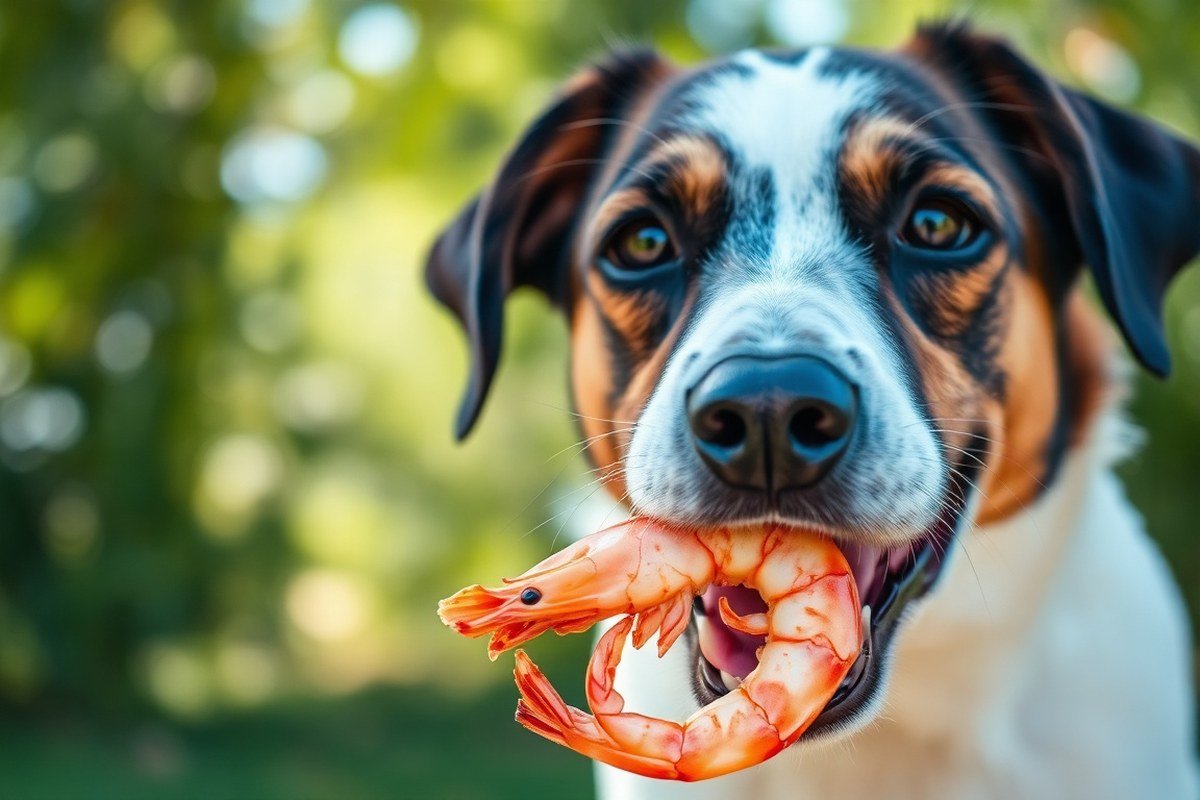
Can dog eat shrimp safely? Yes, dogs can eat shrimp in moderation as a healthy treat. Cooked plain shrimp without shells is best to avoid choking or digestive issues. Start with a small amount to check for allergies or sensitivity.
Key Takeaways
- Feed shrimp plain and fully cooked to reduce health risks.
- Remove shells, tails, and veins before offering shrimp to your dog.
- Small dogs (under 20 lbs) should get no more than 1-2 small shrimp per serving.
- Medium-sized dogs weighing between 21 and 50 pounds can be given 2 to 4 small shrimp or 1 to 2 large shrimp during each feeding.
- Large dogs (over 50 lbs) may have 3-4 small shrimp or 2-3 large shrimp in one treat.
- Limit all treats, including shrimp, to under 10% of your dog’s daily calories.
Can Dogs Eat Shrimp Safely?

Shrimp is safe and healthy for dogs to eat when prepared properly. Plain cooked shrimp, boiled, steamed, grilled, or baked without seasoning, oil, or butter, makes a nutritious treat. It is high in protein and low in fat, providing amino acids and essential nutrients that support muscle and overall health in dogs. Buying wild-caught shrimp and freezing it for at least a week before cooking can help kill parasites that might be present in raw seafood.
Serve shrimp peeled and cooled to avoid choking hazards. The shells and tails can become sharp after cooking, so it is best to remove them before sharing with your dog. A peeled piece of shrimp offers a safe bite-sized snack that many dogs enjoy. Avoid any shrimp cooked with harmful ingredients like onion or garlic, which can be toxic to dogs. Also, fried shrimp with breading or rich seasonings should be avoided or peeled if given occasionally.
Dogs with existing medical conditions may require special consideration from a veterinarian before introducing shrimp. For most healthy dogs, a small portion of plain cooked shrimp occasionally can be a healthy addition to their diet. Watch your dog’s reaction when first offering shrimp to monitor tolerance and ensure no adverse effects. If your dog eagerly accepts a plain boiled piece of shrimp, you know you are sharing a seafood treat safely and nutritiously.
How Much Shrimp Can Dogs Eat Based on Size?
How much shrimp you can safely feed your dog depends primarily on their weight. Shrimp should be treated as an occasional snack, not a regular meal, making up no more than about 10% of their daily calorie intake. Tiny dogs need just a small taste, while larger dogs can handle a few whole shrimp. Always remove shells, tails, and veins and serve cooked, plain shrimp to avoid health risks.
| Dog Size (Weight) | Recommended Serving Size (per treat) | Breed Examples |
|---|---|---|
| Extra-small (2, 15 lbs) | ½ to 1 small shrimp (finely chopped if necessary) | Shih Tzu, Yorkies, Chihuahuas, Maltese |
| Small (16, 25 lbs) | 1, 2 small shrimp (cut into small pieces) | Boston Terriers, Beagles, Dachshund |
| Medium (26, 60 lbs) | 2, 3 shrimp (chopped or whole depending on size) | Bulldogs, Basset Hounds, Border Collies |
| Large (61, 90 lbs) | 3, 4 shrimp (whole, deveined, and tail removed) | Golden Retrievers, Pit Bulls |
Giving shrimp in these suggested amounts can prevent excessive calorie intake and reduce the chance of digestive upset. For very small breeds, chopping the shrimp into tiny pieces makes it easier to chew and digest. Avoid feeding more than one shrimp treat daily unless your vet advises otherwise. Keep in mind, frequent treats or larger portions can lead to weight gain and other health issues over time.
How to Prepare Shrimp for Dogs to Avoid Health Risks
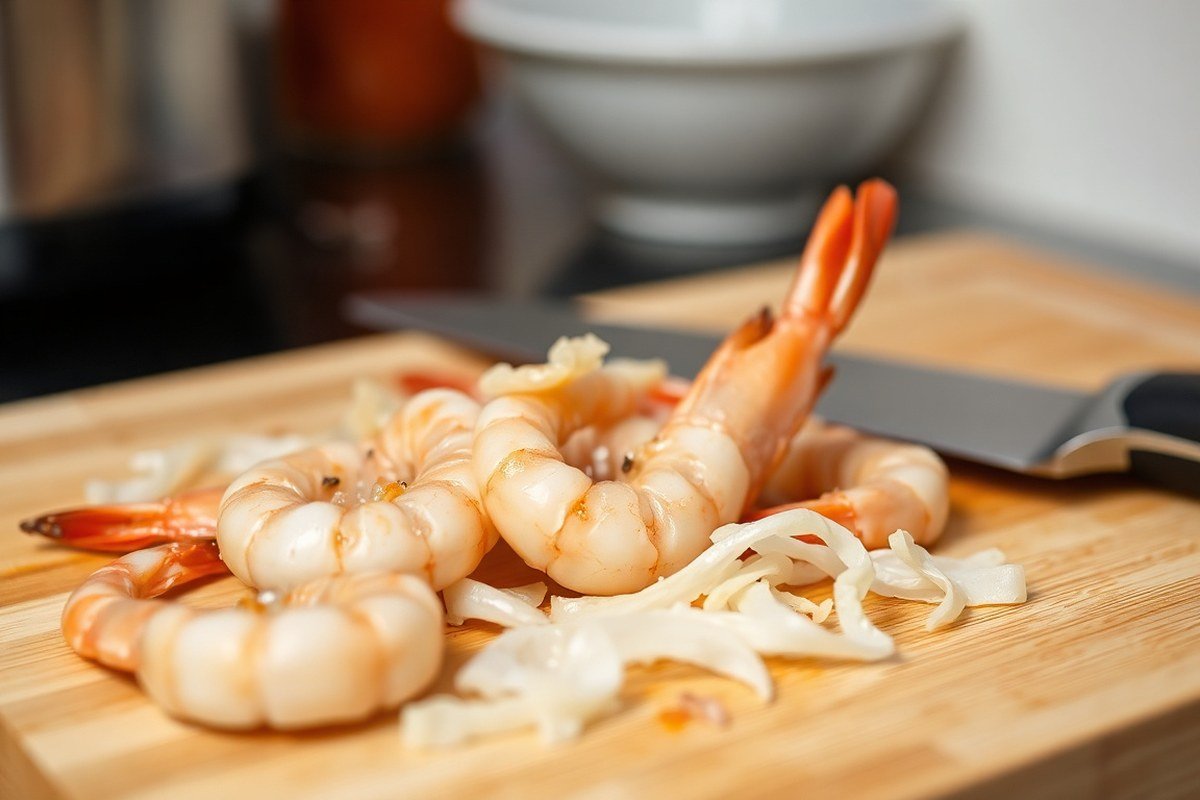
Shrimp should always be cooked thoroughly before feeding it to your dog. Raw shrimp poses a risk of harmful bacteria like salmonella and listeria, which can cause serious food poisoning in dogs. Boiling or steaming shrimp until it turns pink and opaque ensures it is safe to eat. Avoid frying or grilling with oils or butter, as these add unnecessary fats that can upset your dog’s stomach.
Removing all shells and tails is critical. These parts are Choking hazards and can cause severe intestinal blockages. Although shrimp shells contain glucosamine, the risk they present, especially for smaller dogs or dogs that eat quickly, far outweighs any nutritional benefit. Never feed your dog shrimp with shells or tails intact.
- Rinse raw shrimp under cold water before cooking to remove any surface debris.
- Cook shrimp by boiling or steaming for 2 to 3 minutes until fully pink and no longer translucent.
- Peel off shells and remove tails completely before offering shrimp to your dog.
- Do not add any seasonings, spices, garlic, onions, salt, or sauces, as these can be toxic or cause irritation.
- Cut shrimp into small, bite-sized pieces to prevent choking, especially for small breeds.
- Serve shrimp plain and in moderation as a treat rather than a meal replacement.
Feeding your dog shrimp without seasoning is essential, since even mild spices can lead to digestive issues or toxic reactions. Ensure your hands and all preparation surfaces are clean to avoid cross-contamination. Store cooked shrimp in the fridge and use it within a day or two to keep it fresh and safe for your dog to eat.
Risks and Side Effects of Feeding Shrimp to Dogs
Offering shrimp to your dog involves certain risks and possible side effects that you need to recognize to keep your dog safe. Bacterial contamination is a major danger. Shrimp served raw or only partially cooked may contain bacteria that upset a dog’s digestion severely, and these bacteria can also infect people handling the shrimp. To lower this hazard, cook shrimp completely and steer clear of feeding your dog raw or fried shrimp, as those types often have bacteria or spices that can irritate your dog’s stomach or cause other issues.
Choking hazards pose a serious risk, especially from shrimp tails. These hard parts should always be removed before feeding shrimp to your dog. Dogs that gulp their food without chewing thoroughly are particularly vulnerable. Cutting shrimp into small, bite-sized pieces reduces the chances of choking or digestive blockages. Vigilance is essential if your dog has a tendency to swallow food whole.
Allergies and digestive upset are additional concerns. Some dogs may have allergic reactions or sensitive stomachs that make shrimp unsafe for them. Feeding too much shrimp at once can also lead to upset stomach, vomiting, or diarrhea, especially in puppies or dogs with sensitive digestion. Dogs with existing food allergies or illnesses such as pancreatitis should not eat shrimp without talking to a veterinarian first.
High cholesterol content in shrimp affects some dogs. While shrimp can be a healthy treat, it contains significant cholesterol, which might worsen heart conditions in susceptible dogs. Moderation is critical here, so do not feed large amounts of shrimp regularly. Monitoring your dog for any adverse reactions after shrimp consumption helps catch problems early and protect your dog’s wellbeing.
How to Spot and Respond to Shrimp Allergies in Dogs
Dogs can be allergic to shrimp, just like people. Some dogs may develop allergic reactions shortly after eating shrimp, so it’s important to watch closely when introducing it into their diet. Signs can appear within minutes to a few hours and typically include skin and respiratory issues. Noticing these symptoms early helps you act quickly to protect your dog’s health. Common signs of shrimp allergy in dogs include:
- Itching or scratching, especially around the face and paws
- Hives or red, raised bumps on the skin
- Swelling around the face, eyes, or muzzle
- Difficulty breathing or wheezing
- Vomiting or diarrhea, indicating digestive upset
- Excessive licking or chewing at the skin
These symptoms usually show up within 30 minutes to a few hours after your dog eats shrimp. Stop feeding shrimp immediately and call your vet right away if your dog shows any of these reactions. Early intervention can prevent potentially serious issues like airway swelling or severe digestive distress.
Introducing shrimp slowly helps you detect sensitivities early. Start with a very small amount, about a teaspoon for small dogs or a tablespoon for larger dogs, and watch them for 4 to 6 hours afterward. No signs appearing means you can consider increasing the portion gradually. For dogs with a history of food allergies, or if you want extra caution, an at-home allergy test like the 5Strands can offer more insight before feeding shrimp regularly.
Feeding Shrimp to Puppies and Sensitive Dogs
Puppies can eat shrimp, but only in very small amounts and with close observation. Their digestive systems are still developing, so introducing shrimp should be done cautiously. Give just a tiny piece, no larger than a pea, and watch for any signs of digestive upset like vomiting or diarrhea over the next 24 hours. Avoid adding shrimp regularly to a puppy’s diet until they’re older and their stomachs are more stable.
Dogs with sensitive stomachs or health conditions like pancreatitis or allergies should generally avoid shrimp. These dogs are more likely to react negatively to new foods. If your dog falls into this category and you want to try shrimp, start with a tiny bite as a test only after consulting your veterinarian. A gradual introduction paired with professional advice helps prevent serious digestive issues.
Instead of shrimp, dogs with sensitive stomachs benefit more from diets focused on easily digestible proteins. Foods containing salmon or specially formulated options for sensitive digestion may provide similar nutritional benefits without triggering upset. Checking your dog’s allergy history can also help you decide if shrimp is a safe treat or not.
Feeding shrimp to puppies or sensitive dogs requires careful portion control, proper preparation like cooking without seasoning, and veterinary guidance. Paying close attention to your dog’s reaction during and after feeding is essential. The few dollars it might cost for shrimp treats could save you veterinary bills if adverse reactions occur. Consistent monitoring ensures shrimp adds health benefits rather than risk.
Emergency Steps If Your Dog Chokes on Shrimp Shells or Tails
Choking on shrimp shells or tails can be dangerous for your dog because these parts are hard and brittle, potentially lodging in the throat or windpipe. Recognizing early signs like gagging, drooling, coughing, or refusal to eat is critical. Acting quickly and calmly can prevent serious harm.
When you notice your dog having trouble breathing or making choking sounds, carefully try to remove the obstruction. Open your dog’s mouth gently and look inside. Spotting shrimp shells or tails means you should use your fingers or blunt tweezers to remove them, taking care not to push the object further down. Your dog resisting or not allowing you to reach the blockage means you should avoid forcing the procedure.
- Keep your dog calm and avoid panicking to prevent further distress.
- Open the dog’s mouth gently and look for the shrimp shell or tail.
- Use your fingers or blunt tweezers to carefully remove visible objects.
- When you can’t see or reach the object, avoid trying to retrieve it deeply.
- Encourage your dog to cough to help expel small pieces.
- Trouble breathing or an unremovable blockage means you need to get veterinary care right away.
In case you cannot remove the shell or your dog is still showing choking symptoms after removal, transport your dog to an emergency vet immediately. Delays can lead to airway swelling or damage to internal tissues. Keep shrimp shells and tails stored safely away to avoid repeat incidents. Quick, calm action combined with professional care when needed will help your dog recover safely.
How Often and When to Include Shrimp as a Treat in Your Dog’s Diet
Shrimp works best as an occasional treat for your dog, not as a daily food source. Treats like shrimp should stay under 10% of your pet’s daily calories. Keeping treats limited ensures your dog gets most nutrients from their regular food, which covers about 90% of their energy needs. Offering shrimp too frequently can cause digestive issues or an unbalanced nutrient intake.
When integrating shrimp as a treat, keep portions small, typically one or two pieces for small dogs, slightly more for larger dogs, and limit frequency to once or twice a week at most. This helps prevent digestive upset and ensures shrimp remains a special addition, not a staple. Shrimp treats without fillers or added ingredients are best, as they deliver protein and nutrients without unnecessary calories or additives.
Consult your veterinarian if your dog has any health conditions requiring dietary monitoring or if you want to feed shrimp regularly as part of their diet. Professional advice is important because some dogs may have allergies or sensitivities, and your vet can help determine the safe quantity and frequency based on your dog’s health and nutritional needs.
For straightforward feeding, choose high-quality shrimp-based treats designed for dogs, such as the Icelandic+ Cod & Shrimp Combo Bites Dog Treat, which provide controlled portions and balanced nutrition. Alternatively, plain cooked shrimp prepared at home without seasoning is safe when given in moderation.
Step-by-Step Action Plan to Feed Shrimp Safely to Your Dog
Follow these steps to introduce shrimp into your dog’s diet safely while monitoring for any issues.
- Before You Start: Remove all shells, tails, and veins from the shrimp to avoid choking hazards and digestive problems.
- Day 1: Offer a very small piece of cooked, plain shrimp, no seasoning or additives, and watch your dog for any allergic reactions like itching or vomiting.
- Day 2 to Day 3: If no reaction occurred, increase the portion slightly to match your dog’s weight-based guideline (about 1 to 3 small pieces), continuing to observe for any side effects.
- Week 1: Limit shrimp treats to once or twice a week to prevent digestive upset and nutritional imbalance.
- After 2 Weeks: Consider shrimp a regular occasional treat if your dog tolerates it well and enjoys it, still keeping portions moderate and preparation safe.
- Anytime You Notice Symptoms: Stop feeding shrimp immediately and consult your veterinarian if your dog shows signs of allergy or digestive distress.
Frequently Asked Questions
Can Dogs Eat Shrimp Raw Safely?
Dogs can eat raw shrimp only if it’s wild-caught and frozen for a week to kill parasites; avoid raw shrimp from unknown sources to reduce health risks.
Is It Okay to Feed Dogs Shrimp with Seasoning?
No, seasoned shrimp often contain harmful spices like onion; always serve plain, cooked shrimp to dogs.
Can Shrimp Cause Allergic Reactions in Dogs?
Yes, some dogs may develop allergies; watch for itching, swelling, or vomiting after eating shrimp.
Are Shrimp Tails Safe for Small Breed Dogs to Eat?
Shrimp tails can be a choking hazard for small dogs; always remove tails and shells before feeding.
Can Shrimp Be a Regular Part of a Dog’s Diet?
Shrimp should only be an occasional treat, not a regular food, to avoid digestive issues and allergies.
Wrapping Up
Feeding shrimp to your dog can be safe if you prepare it correctly and serve it in the right amounts. Carefully watch for allergies or choking risks, especially with puppies or sensitive dogs. Start with small, plain portions and keep shrimp as an occasional treat to add variety without risking health problems. Your next step is to prepare a shell-free, plain shrimp snack and observe your dog’s response during the first feeding.