

How to Induce Vomiting in a Dog Safely: Reliable Steps and Critical Dosage Guide
Knowing how to induce vomiting in a dog can be critical if they swallow something harmful. The safest way at home is to use 3% hydrogen peroxide within two hours of ingestion, following the right dosage. Always confirm with a vet or poison control before trying to make your dog vomit.
Key Takeaways
- Use 3% hydrogen peroxide to induce vomiting safely, giving 1 teaspoon per 5 pounds of your dog’s weight.
- Only attempt vomiting within two hours of ingestion, when the toxin is still in the stomach.
- Contact a vet or poison control before inducing vomiting to confirm it’s safe for your dog’s situation.
- Expect vomiting to start within 10-15 minutes after administering hydrogen peroxide.
- If vomiting doesn’t occur after 10 minutes of the first dose, do not repeat; take your dog to the vet immediately.
- Watch your dog closely for side effects like prolonged vomiting, lethargy, or abdominal swelling after treatment.
How to Safely Induce Vomiting in Dogs at Home
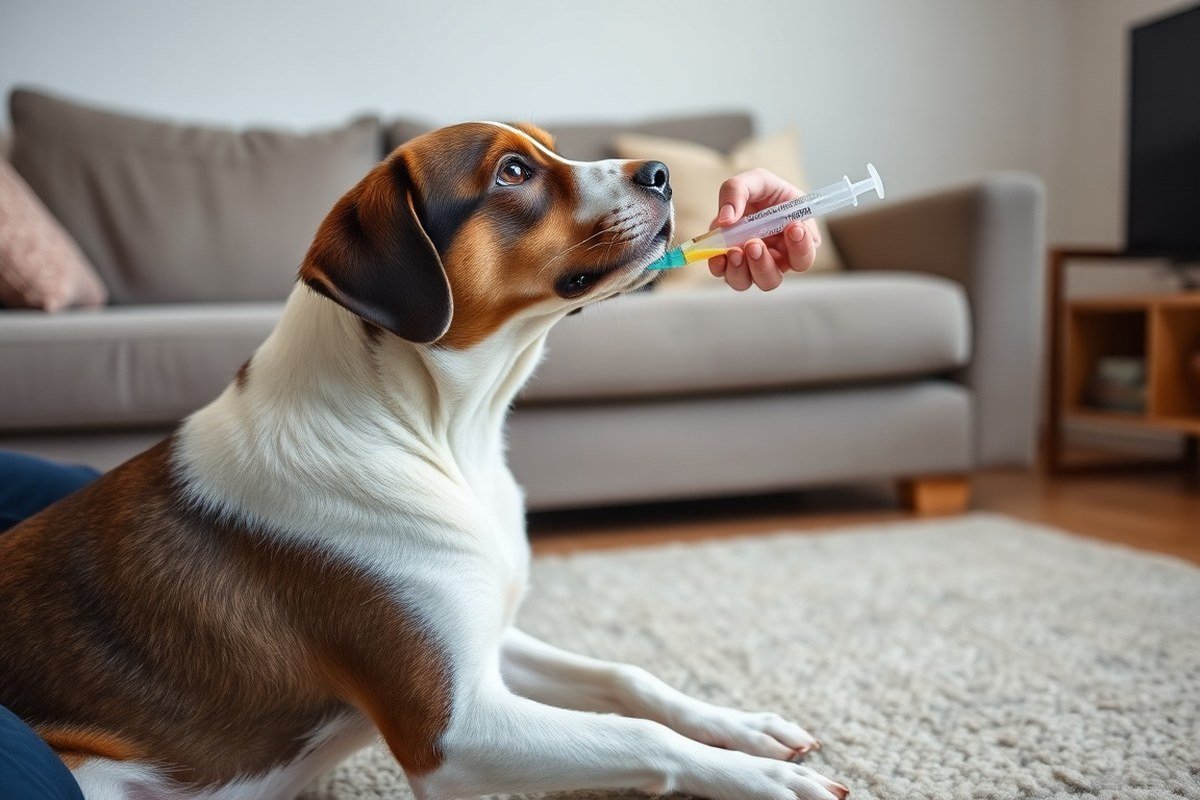
The safest way to induce vomiting in your dog at home is by using 3% hydrogen peroxide, but only if your veterinarian or poison control has given you permission. Hydrogen peroxide works by irritating the stomach lining, which triggers your dog to vomit. It is important to use the correct dosage based on your dog’s weight to avoid complications. You will need a feeding syringe or a turkey baster to administer the liquid safely and effectively.
Use the dosage of 1 teaspoon (5 ml) of 3% hydrogen peroxide per 5 pounds of your dog’s body weight. Do not exceed 3 tablespoons (45 ml) even if your dog weighs more than 45 pounds. After giving the dose, your dog should start vomiting within 10 to 15 minutes. Give one more dose after 15 minutes if your dog does not vomit, but limit it to two doses total.
- Measure the dose of 3% hydrogen peroxide based on your dog’s weight. For example, a 20-pound dog needs 4 teaspoons (20 ml).
- Fill a feeding syringe or turkey baster with the measured dose of hydrogen peroxide.
- Gently open your dog’s mouth and position the syringe or baster toward the back of the throat on the side, avoiding the windpipe.
- Squeeze the hydrogen peroxide slowly into your dog’s mouth to help them swallow without choking.
- Keep your dog calm and watch closely for vomiting. This usually starts within 10 to 15 minutes and can last up to 45 minutes.
- Give a second dose exactly like the first if your dog hasn’t vomited after 15 minutes. Do not give more than two doses.
When Is It Safe and Appropriate to Induce Vomiting?

Inducing vomiting in a dog is only safe and potentially effective within 2 hours of swallowing a harmful substance. After this period, the toxin often moves past the stomach into the intestines, where vomiting no longer removes it. Prompt action matters because removing the substance before absorption can prevent serious illness.
Inducing vomiting is not suitable in every case. Avoid doing so when your dog has swallowed sharp materials like glass or plastic, or corrosive substances such as bleach or batteries, as this could harm the esophagus or stomach. Never attempt to make your dog vomit when they are unconscious, already vomiting, lethargic, or recovering from a recent seizure as it might make their condition worse. Use this checklist before attempting to induce vomiting at home:
- The ingested substance is a toxin like antifreeze, chocolate, grapes, or certain medications, and it has been less than 2 hours since ingestion.
- The dog is alert, responsive, and not experiencing a seizure or lethargy.
- The dog has not ingested sharp objects, caustic materials, or batteries.
- You have consulted a veterinarian or emergency poison control for guidance specific to your dog’s situation.
- Your dog has not already vomited spontaneously.
- Your dog is not pregnant or has an underlying health issue that complicates vomiting.
Attempting to induce vomiting beyond the 2-hour window usually won’t work and could stress your dog unnecessarily. Instead, bring your pet to a veterinarian immediately with information about what and when they swallowed it. Vomiting should take place within 10 minutes after giving an emetic; if it does not, seek professional help immediately. This approach helps ensure safety and better treatment outcomes.
What to Expect After Administering Hydrogen Peroxide

After giving your dog hydrogen peroxide to induce vomiting, expect the dog to vomit within 10 to 15 minutes. Your dog may repeat the dose once, but no more than twice, with the veterinarian’s guidance when vomiting does not occur during this time. Vomiting that lasts longer than 45 minutes can be dangerous and may signal complications such as stomach ulceration or aspiration pneumonia.
Normal reactions include retching and vomiting of stomach contents shortly after the dose. Vomiting that lasts longer than 45 minutes or signs like lethargy, stomach bloating, or bulging require immediate emergency veterinary care. Do not induce vomiting if your dog is weak, has seizures, is collapsing, or has uncontrolled diarrhea, as these signs indicate a serious problem.
Avoid giving additional doses of hydrogen peroxide if your dog does not vomit after the second dose. Contact your veterinarian or a pet poison control hotline for further advice. Inducing vomiting without veterinary supervision can lead to risks such as stomach irritation or inhalation of vomit, which may cause pneumonia.
Following instructions carefully and administering the right dosage, generally 1 tablespoon of 3% hydrogen peroxide per 10 pounds of body weight, helps ensure vomiting occurs safely. Always keep your dog in an upright position during and after administration, and monitor closely for any adverse reactions. Prompt response to any troubling symptoms improves safety during this emergency procedure.
Common Mistakes and How to Avoid Them When Inducing Vomiting
Use only 3% hydrogen peroxide at the recommended dose of 1 teaspoon per 10 pounds of your dog’s weight, with a maximum of 3 tablespoons. Giving more can cause irritation, dehydration, and even damage the stomach lining. Avoid household items like salt or mustard, these are unsafe and may worsen your dog’s condition.
| Safe Substance | Unsafe Substance |
|---|---|
| 3% Hydrogen Peroxide | Salt |
| N/A (Only peroxide safe) | Bleach |
| N/A | Household Cleaner |
| N/A | Mustard |
Delaying vomiting increases the risk toxins absorb and cause harm. Administer hydrogen peroxide as soon as possible, ideally within two hours of ingestion. Giving more than two doses is risky and should be avoided. For any questions or uncertainty, contact your vet or poison control for instructions and stay on the phone during the process.
- Do not use household items like salt or mustard
- Measure peroxide dose accurately by weight
- Give only up to two doses of peroxide, 10-15 minutes apart
- Administer peroxide quickly to prevent inhaling
- Do not induce vomiting if dog ingested caustic substances or is unconscious
- Contact vet or poison control before inducing vomiting
- Observe dog carefully after vomiting for abnormal signs
Incorrect attempts to induce vomiting can lead to aspiration pneumonia or worsen injuries if corrosive substances were ingested. Do not try to induce vomiting if your dog has seizures, difficulty breathing, or swallowed sharp objects. Following the steps above reduces risks and helps protect your dog’s health during this emergency.
How to Monitor Your Dog After Vomiting and When to Seek Veterinary Help
After your dog has vomited, carefully monitor them for at least 24 hours because complications can develop even after the initial vomiting stops. Keep your dog in a quiet, comfortable space with easy access to fresh water but avoid feeding solid food for 6 to 12 hours to let their stomach settle. Watch for Signs of distress such as repeated vomiting, weakness, difficulty breathing, excessive drooling, or bloody vomit, which all indicate a need for urgent veterinary care.
Some dogs may seem fine initially but then develop symptoms like lethargy, seizures, or abdominal pain, reflecting toxin absorption or injury from the ingested substance. These signs require immediate attention because certain poisons work quickly, and supportive treatments like intravenous fluids may be necessary.
- Check your dog’s gums; pale or blue gums signal poor oxygenation.
- Note any changes in behavior, such as confusion or staggering.
- Look for signs of abdominal discomfort, like whining or reluctance to move.
- Measure your dog’s temperature; a fever or hypothermia is a warning sign.
- Observe breathing rate and effort for irregularities or distress.
- Record any new vomiting episodes or refusal to drink water.
If your dog vomits more than twice in a 12-hour period or displays any of these warning signs, contact your veterinarian immediately. Prompt veterinary evaluation is critical after inducing vomiting because some toxins absorb quickly, and additional treatments might be needed to prevent serious harm. Having a pet first aid kit and your vet’s contact info ready can make quick care easier. Always follow your vet’s directions during the observation period and do not try additional home treatments without veterinary advice.
Why You Should Always Consult a Vet or Poison Control First
Consulting a veterinarian or poison control center before inducing vomiting is critical because not all substances are safe to expel this way. Some materials can cause more harm if vomited, or the dog might have health conditions that make vomiting dangerous. A professional can assess your dog’s situation based on its breed, size, and the substance ingested.
When you call, have essential details ready: your dog’s weight, breed, age, what it consumed, how much, and when it happened. Here’s a simple script you can follow: “Hello, my dog is a [breed], weighing around [weight] pounds. It ingested [substance] about [time frame] ago. Can you advise if I should induce vomiting and the safest method to use?” This information helps the advisor provide tailored advice quickly.
Veterinarians or poison specialists can suggest alternatives if inducing vomiting isn’t safe or effective. For example, they might recommend immediate veterinary care or other treatments like activated charcoal. They also guide you on when to stop any home treatment, such as if vomiting causes distress or your dog shows signs of choking or difficulty breathing.
Professional guidance improves outcomes by reducing risks and ensuring you act promptly and correctly. Inducing vomiting without expert input can lead to complications like aspiration pneumonia or corrosive injury. The ASPCA Animal Poison Control Center, reachable at (888) 426-4435, charges a consultation fee but can provide lifesaving instructions. Using their expertise avoids guesswork and helps you respond confidently in an emergency.
Step-by-Step Action Plan for Inducing Vomiting in Your Dog
Use this plan to act quickly and safely if your dog ingests something harmful. Follow each step carefully and watch for signs of effectiveness.
- Immediately after ingestion: Contact your veterinarian or poison control to confirm that inducing vomiting is appropriate for your dog and the specific toxin involved.
- Prepare hydrogen peroxide: Measure 1 teaspoon per 10 pounds of your dog’s weight, up to a maximum of 3 tablespoons, to use as the vomiting agent if approved by the vet.
- Administer the peroxide: Use a syringe or turkey baster to give the hydrogen peroxide orally; successful vomiting typically occurs within 10 to 15 minutes.
- Monitor closely: Watch your dog for vomiting, repeated attempts, and signs of distress like choking or weakness.
- Repeat once if needed: If no vomiting occurs within 15 minutes and your vet agrees, give a second dose, but do not exceed two doses total.
- Keep your dog calm and hydrated: Offer small amounts of water after vomiting to prevent dehydration, but avoid feeding until directed by a vet.
- Seek veterinary care: Regardless of vomiting success, bring your dog to a vet immediately for evaluation and further treatment.
Frequently Asked Questions
What Are the Risks of Inducing Vomiting in a Dog at Home?
Inducing vomiting carries risks such as aspiration pneumonia or worsening injury if done improperly. You should only attempt it under vet guidance when safe and necessary, especially within two hours of toxin ingestion.
Can Certain Dog Breeds React Differently to Vomiting Induction?
Some breeds with flat faces or respiratory issues may have higher risks of complications when vomiting is induced. Consult your vet about breed-specific concerns before attempting it.
How Soon After Poisoning Should I Call a Vet Before Inducing Vomiting?
You should call a vet or poison control immediately to confirm if inducing vomiting is safe, ideally within two hours of ingestion. Prompt advice can prevent harmful mistakes.
What Signs Indicate My Dog Shouldn’t Have Vomiting Induced at Home?
Avoid inducing vomiting if your dog is lethargic, unconscious, having seizures, or already vomiting. These signs require urgent veterinary care instead.
Can I Use Other Household Items Besides Hydrogen Peroxide to Make My Dog Vomit?
No, 3% hydrogen peroxide is the only safe at-home substance recommended for inducing vomiting in dogs. Other products can be harmful or ineffective.
Wrapping Up
Inducing vomiting in your dog can be a critical step in preventing serious poisoning, but it must be done with care and only when advised by professionals. Your prompt action combined with veterinary support gives your pet the best chance for a safe recovery. Keep your veterinarian’s contact information handy and be ready to act swiftly if accidental ingestion happens.