

Why Is My Dog Throwing Up White Foam? A Complete Guide with Vet Decision Help
Why is my dog throwing up white foam? Vomiting white foam usually means your dog’s stomach is irritated, often from indigestion, empty stomach, or mild illness. Most times, it’s not an emergency but monitor your dog closely and withhold food for 6 to 8 hours to calm the stomach.
Key Takeaways
- Check for other symptoms like diarrhea, fever, or abdominal pain before assuming mild indigestion.
- Never ignore white foam vomiting in puppies under 6 months; see a vet quickly as a precaution.
- Keep your dog hydrated by offering small sips of water even when withholding food.
- If vomiting continues beyond 24 hours or foam returns frequently, contact your vet promptly.
- Remove food for 12, 24 hours during episodes to help reduce stomach irritation safely.
- Repeated dry heaving or a swollen belly warrants an immediate veterinary visit.
What Causes Dogs to Vomit White Foam?
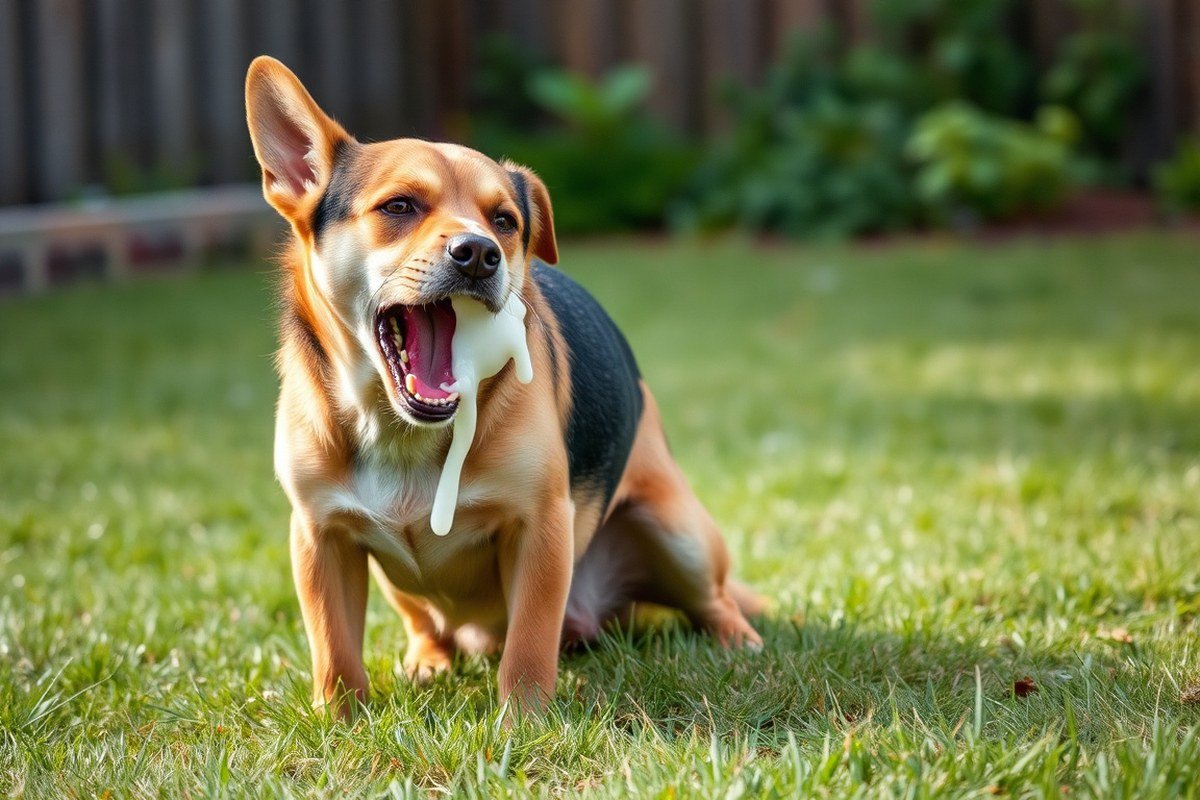
White foam vomit in dogs mainly comes from stomach acid mixed with saliva and sometimes bile. This mixture creates frothy foam, which your dog may throw up when its stomach is irritated or empty. The foam itself is not harmful, but it signals that something is upsetting your dog’s stomach or digestive system.
The causes of white foam can be mild or severe. The most frequent reason is indigestion, also called dyspepsia, where your dog’s stomach becomes upset due to eating something unusual or too quickly. Another common cause is bilious vomiting syndrome, seen when a dog’s stomach is empty for too long, leading to bile irritating the stomach lining. Drinking too much water too fast can also trigger vomiting white foam.
More serious causes include pancreatitis, an inflammation of the pancreas, and bloat, a dangerous stomach expansion with gas or food. Both conditions require urgent veterinary care. Respiratory issues like kennel cough might also produce white foam from coughing, which can be confused with vomiting.
| Cause | Symptoms | Urgency |
|---|---|---|
| Indigestion (Dyspepsia) | Occasional vomiting, mild discomfort | Low; monitor at home |
| Bilious Vomiting Syndrome | Vomiting on empty stomach, licking lips | Low to moderate; try feeding smaller meals |
| Pancreatitis | Vomiting, lethargy, abdominal pain | High; see vet immediately |
| Bloat (Gastric Dilatation) | Distended abdomen, retching, distress | Emergency; contact vet |
| Respiratory Illness (Kennel Cough) | Harsh coughing, white frothy saliva | Moderate; vet check recommended |
Young puppies, senior dogs, or pets with existing health issues have a higher risk of complications. If they vomit white foam repeatedly, immediate veterinary evaluation is recommended. For healthy adult dogs experiencing a rare single incident, observation for a few hours often suffices, provided they stay active and hydrated.
How to Know If White Foam Vomiting Is Serious

White foam vomiting in dogs can range from a mild issue to a serious emergency. You should take immediate action if vomiting occurs multiple times within 24 hours or if your dog shows additional symptoms like dry heaving, a swollen or hard abdomen, or refusal to eat. These signs could indicate dangerous conditions such as bloat (gastric dilatation-volvulus) or pancreatitis, both requiring urgent veterinary care.
Monitoring your dog closely after a single episode of white foam vomiting is important. Your dog is probably fine and the issue mild if they stay bright, want to eat, and show no other signs. Simple home care often helps. However, persistent vomiting beyond 24 to 48 hours, lethargy, diarrhea, or loss of appetite means you should contact your vet promptly.
Puppies need special attention since they can deteriorate faster than adult dogs. Any vomiting in puppies, especially if combined with weakness, dehydration, or refusal to nurse, calls for immediate veterinary evaluation. The risk of dehydration and serious infection is higher in young dogs.
Use this decision checklist to assess urgency: multiple vomiting episodes within a day, presence of dry heaving, swollen belly, pale gums, collapse, refusal to eat or drink, lethargy, diarrhea, or any signs of pain mean head to the vet without delay. Keep an eye on your dog for up to two days and head to the vet if you notice any red flags. Costs vary widely with emergency visits typically ranging from $200 to $500 or more, but timely treatment can prevent life-threatening complications.
Ignoring warning signs can allow serious problems like bloat or pancreatitis to worsen quickly. White foam vomiting alone may not be serious, but alongside these risk factors and symptoms, it is a clear signal to get veterinary help immediately.
Safe Home Care Steps for Dogs Vomiting White Foam
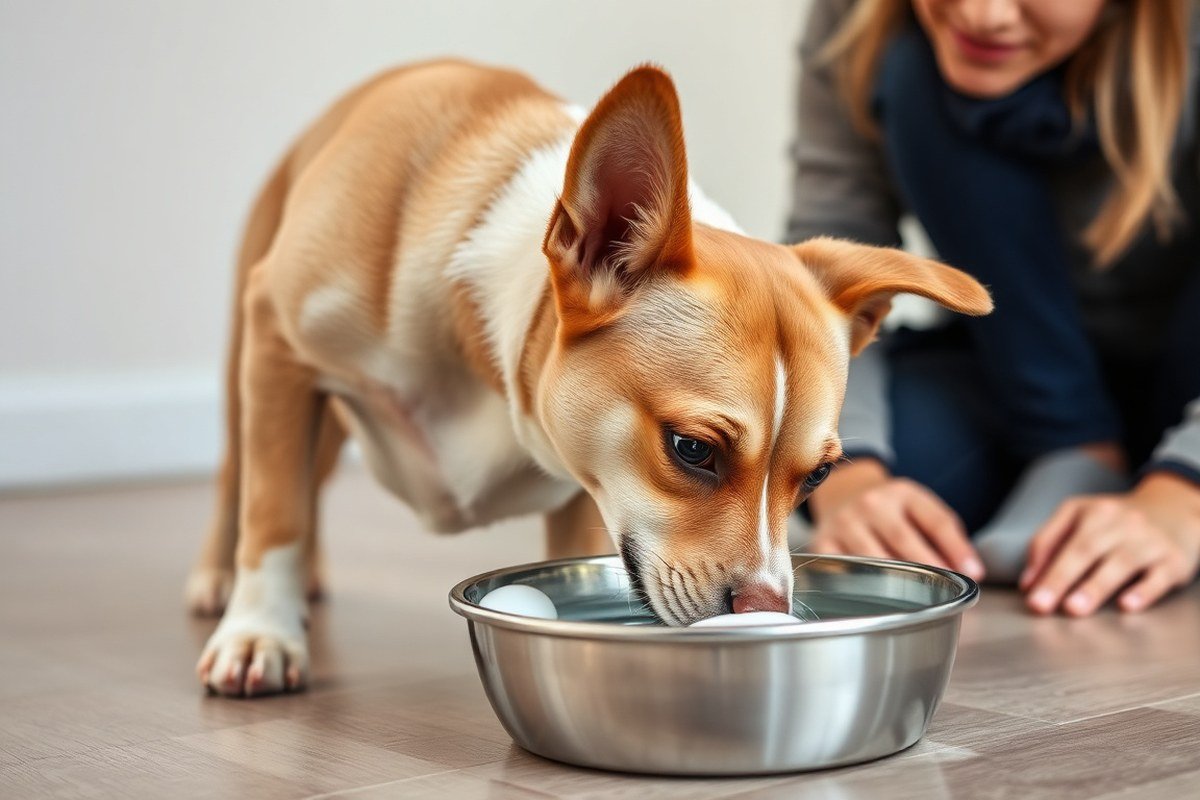
It’s often possible to treat your dog vomiting white foam at home, especially if it happens once or twice and your dog is otherwise acting normal. The key is to give their stomach a break, monitor their condition closely, and avoid feeding for a short period. Water should still be available to keep them hydrated. Follow these steps to care for your dog safely at home when they vomit white foam:
- Withhold food for 12 to 24 hours to allow your dog’s stomach to settle. Avoid giving any treats or table scraps during this time.
- Offer small amounts of water frequently, but don’t force your dog if they refuse to drink. Keep fresh water available at all times.
- Observe your dog’s behavior carefully for signs like lethargy, repeated vomiting, refusal to drink, or diarrhea. Contact your vet immediately when symptoms worsen.
- After the fasting period, reintroduce food slowly by offering a bland diet such as boiled chicken and rice in small portions.
- Divide your dog’s daily meals into three smaller portions rather than two. Include a small portion before bedtime to prevent empty-stomach vomiting.
- Keep your dog away from garbage, toxins, or new foods that might cause upset and vomiting again.
- Continue monitoring for 24 to 48 hours. Seek veterinary care promptly when vomiting returns, worsens, or your dog can’t keep water down during this time.
This plan usually helps most dogs recover quickly from minor causes of vomiting white foam, such as indigestion or empty stomach. For dogs vomiting frequently or with other symptoms, professional evaluation is necessary.
Common Illnesses Linked to White Foam Vomiting
Several illnesses can cause Dogs to vomit white foam, each requiring different responses. Kennel cough, a respiratory infection common in dogs in close contact with others, often produces white foamy discharge from coughing fits rather than true vomiting. If your dog is coughing and bringing up white foam but remains active and eating well, this might be the cause. Treatment typically involves rest, supportive care, and sometimes antibiotics prescribed by a vet.
Pancreatitis, inflammation of the pancreas, leads to frequent vomiting of white foam alongside symptoms like lethargy, abdominal pain, and loss of appetite. This condition needs prompt veterinary care, usually requiring hospitalization for fluids, pain control, and specialized diets. Costs vary but expect several hundred dollars for diagnosis and treatment. Bloat, or gastric dilatation-volvulus (GDV), is a dangerous emergency marked by a swollen abdomen, repeated white foam vomiting, pale gums, and inability to defecate. This condition demands immediate surgery to save your dog’s life.
Older dogs with kidney disease can also vomit white foam, often alongside difficulty urinating, disorientation, and extreme tiredness. Managing kidney problems involves veterinary diagnosis through blood and urine tests, followed by life-long treatments like special diets and medications. Kidney disease management aims to extend quality of life but relapse of symptoms including foam vomiting is common without consistent care.
While kennel cough mainly causes respiratory symptoms with white foam, pancreatitis and bloat directly affect the stomach and digestive tract, explaining the vomiting. Kidney disease signals systemic organ dysfunction often seen in older dogs. Recognizing accompanying signs such as coughing for kennel cough, abdominal swelling for bloat, or lethargy and urination issues for kidney problems helps guide you to appropriate veterinary care. Early treatment improves outcomes, so watch closely for these symptoms and seek professional advice promptly.
Understanding Empty-Stomach Vomiting and Its Impact
Empty-stomach vomiting produces white foam because the stomach lacks solid food and instead expels a mix of saliva, stomach acids, bile, and mucus. This foamy substance forms when the digestive juices combine with air during retching. Unlike vomiting caused by a specific toxin or illness, empty-stomach vomiting often results from excess bile irritant or acid building up during long periods without eating, typically in the morning before breakfast or late at night.
You can reduce your dog’s chance of vomiting white foam by adjusting feeding habits. Offering smaller, more frequent meals throughout the day helps keep the stomach from staying empty too long. For instance, feeding your dog three to four times daily instead of once or twice can prevent harmful acid buildup. Some owners find success giving a small snack an hour or two before bedtime to avoid overnight stomach irritation. Avoid sudden diet changes, as these can worsen stomach upset and increase foam vomiting episodes.
When your dog vomits white foam due to an empty stomach, make sure to watch the timing and pattern closely. If vomiting happens regularly around mealtime or early morning, try altering meal times or adding a light treat before those periods. Maintain fresh water availability, but limit water intake immediately after vomiting to avoid further stomach upset. Cleaning vomit promptly prevents damage to floors and furniture, as the foam contains acids that can cause staining.
In cases where empty-stomach vomiting persists despite these changes, visit your veterinarian for further evaluation. Persistent white foam vomiting may indicate bilious vomiting syndrome or another underlying condition that requires treatment beyond diet management. Early adjustments in feeding can often ease symptoms and improve your dog’s comfort and digestion.
Preventing and Managing White Foam Vomiting in Dogs
Preventing white foam vomiting in dogs starts with managing their diet and feeding habits carefully. Feeding your dog smaller, more frequent meals helps avoid an empty stomach, which often triggers foam vomiting. Aim for two to three meals a day rather than one large meal. Avoid giving high-fat or spicy human foods, as these can irritate your dog’s stomach and increase the risk of vomiting.
Make sure your dog has access to fresh water at all times. Dehydration can worsen stomach irritation and contribute to vomiting. Limit access to garbage, plants, or chemicals that your dog might ingest accidentally, since ingestion of toxins can cause vomiting of white foam and require immediate vet attention.
Environmental factors also play a role. Stress and anxiety can upset a dog’s stomach. Creating a calm feeding routine and avoiding sudden changes in diet can help reduce these episodes. Regular exercise supports healthy digestion but avoid vigorous activity immediately after meals.
One common myth is that white foam vomit always means a stomach infection or serious illness. Often, it indicates an empty stomach or mild irritation, which can usually be managed with routine changes. On the other hand, assuming every case is harmless and delaying veterinary advice may overlook a serious condition like pancreatitis or even rabies in rare cases, especially if your dog isn’t fully vaccinated.
Preventing repeated white foam vomiting requires consistent care. Watch your dog for any changes in appetite, behaviour, or vomiting frequency. If vomiting occurs more than once a week or is accompanied by other symptoms like lethargy, seek veterinary advice promptly. Making these lifestyle adjustments usually costs little beyond time and effort, but it could save you from costly vet visits and discomfort for your dog.
Step-by-Step Action Plan for Managing Your Dog’s White Foam Vomiting
Follow these steps carefully to help your dog recover safely and know when to seek professional care.
- Immediately: Remove your dog’s food and water for 1 hour to rest their stomach. Observe if the vomiting stops during this time.
- After 1 hour: Offer small amounts of water every 10 minutes to keep your dog hydrated. When your dog keeps water down without vomiting, move on to the next step.
- After 2 to 4 hours without vomiting: Introduce a bland diet such as boiled chicken and rice in small portions. Watch for any return of vomiting or signs of distress.
- Within the first 24 hours: Monitor your dog’s behavior closely for lethargy, repeated vomiting, or worsening symptoms. Note any changes for the vet.
- When vomiting lasts more than 24 hours or gets worse: Book a visit with your veterinarian right away. Persistent vomiting could indicate an underlying illness that needs treatment.
- After vet visit: Follow treatment recommendations and keep a log of your dog’s symptoms and appetite to report back at follow-ups.
- Ongoing: Prevent recurrence by feeding smaller, frequent meals and avoiding dietary indiscretions or toxin exposure.
Frequently Asked Questions
Why Does My Puppy Throw Up White Foam More Often?
Puppies under 6 months may vomit white foam due to sensitivity or infections, so see a vet promptly. Early care can prevent serious issues.
Can Dehydration Happen from Repeated White Foam Vomiting?
Yes, repeated vomiting can cause dehydration in dogs. Offer small amounts of water frequently and consult a vet if vomiting continues.
Could My Dog’s White Foam Vomiting Indicate a Blockage?
White foam vomiting might signal a blockage if it occurs with lethargy or pain. Seek immediate veterinary care for diagnosis and treatment.
Is White Foam Vomiting Linked to Dietary Allergies?
White foam vomiting can result from food allergies causing stomach irritation. Try an elimination diet after consulting your vet.
Can Stress Cause My Dog to Vomit White Foam?
Stress may upset your dog’s stomach and cause white foam vomiting. Keep routines stable and reduce stressful triggers when possible.
Wrapping Up
White foam vomiting typically signals your dog’s stomach is empty or irritated but can indicate a deeper problem if persistent. Keeping your dog hydrated and rested while observing for worrisome signs helps you decide if veterinary care is necessary. Start by controlling food and water intake as described, then closely watch for any worsening symptoms or behavioral changes that require professional attention.