

Why Is My Dog Whining? Causes and Proven Ways to Stop It
Why is my dog whining? Dogs whine to communicate needs like hunger, pain, or anxiety. Identifying the cause helps you respond effectively and reduce whining. Start by checking their basic needs such as food, water, and bathroom breaks before addressing behavior issues.
Key Takeaways
- Persistent whining with other changes in behavior signals a need for a veterinary checkup.
- Whining due to pain often comes with restlessness or difficulty lying down.
- Separation anxiety-related whining improves with gradual crate training or increased room access.
- Use a white noise machine to reduce noise-reactive whining during unpredictable sounds.
- Provide a comfortable orthopedic bed to ease whining caused by discomfort or arthritis.
- Consistent exercise like 20 minutes of daily cardio can lessen anxiety-driven whining.
Why Is My Dog Whining? Common Causes Explained

Whining in dogs usually signals a need or an emotion that requires your attention. It often points to physical needs like hunger, thirst, or needing to go outside. For example, whining just before mealtime or when your dog is near the door likely means they want food or a bathroom break. This type of whining is their way of communicating a basic need that should be promptly addressed.
Emotional states such as anxiety, excitement, or seeking attention also cause whining. Dogs might whine when feeling isolated or stressed by loud noises, which can happen especially at night. Older dogs with cognitive dysfunction may seem confused and whine more often. Recognizing these feelings helps you respond in a way that comforts them and reduces stress.
Health factors like pain or discomfort are common triggers of whining. Signs include restlessness, difficulty lying down, or cry-like whining when touched or moving. Pain-related whining demands attention to prevent worsening the problem, so scheduling a vet visit is important when you notice these cues.
Match your dog’s whining cues to likely causes and appropriate actions: If your dog whines while pacing or moving toward the door, they likely need a bathroom break; let them out promptly. Whining when alone and settling only with your presence points to isolation distress; gradual crate training or allowing room access can help. If whining occurs irregularly due to noises, a white noise machine might reduce reactivity. Confused or disoriented whining in elderly dogs suggests cognitive dysfunction; consult your vet. Persistent whining with difficulty lying down indicates pain or discomfort, and an orthopedic bed plus veterinary care may be necessary. Hunger-driven whining happens before mealtimes and can be resolved by feeding on schedule.
Whining is not always a sign of distress or pain. It can indicate excitement or be an attention-seeking behavior that may escalate if ignored. Avoid assuming every whine signals a physical problem. Meet your dog’s ordinary needs calmly and observe their body language closely. Stop repeating any action that triggers whining used to manipulate attention.
How to Identify Medical and Pain-Related Whining

Whining caused by pain or illness often comes with specific physical signs that help differentiate it from other types like attention-seeking. Watch for reluctance to jump, climb stairs, or be touched, which suggests discomfort or injury. Noticeable limping, stiffness, or changes in how your dog moves are also red flags. Pacing or an inability to settle, especially if paired with drooling or vomiting, points toward distress requiring prompt veterinary evaluation.
Sudden onset of whining alongside behavior changes such as lethargy, loss of appetite, or unusual bathroom habits warrants veterinary attention. A previously house-trained dog that whines to go outside more often needs a vet visit to rule out urinary or gastrointestinal issues. Ongoing or frequent whining without obvious triggers may signal chronic conditions like arthritis or neurological problems affecting your dog’s well-being.
Neurological or cognitive issues may cause whining accompanied by confusion, disorientation, or altered responsiveness. Dogs showing such signs may pace aimlessly, appear unable to focus, or act differently when interacting with you. These symptoms require professional assessment to determine if a neurological disorder is causing the vocalization.
To track your dog’s condition, create a checklist: note any Changes in movement (limping, stiffness), physical reactions (whining when touched), behavior shifts (lethargy, pacing), appetite and elimination changes, and presence of vomiting or drooling. Time how long the whining lasts and record the context to share with your vet. Emergency care is needed if your dog suddenly becomes unresponsive, has difficulty breathing, collapses, or shows severe pain signs such as constant yelping or guarding a body area.
Your veterinarian will help diagnose the underlying cause through physical exams, possibly blood tests or imaging, and recommend treatment. Early recognition and prompt veterinary consultation improve outcomes, prevent worsening pain, and reduce unnecessary stress for both your dog and yourself.
Understanding Whining from Anxiety and Separation Stress
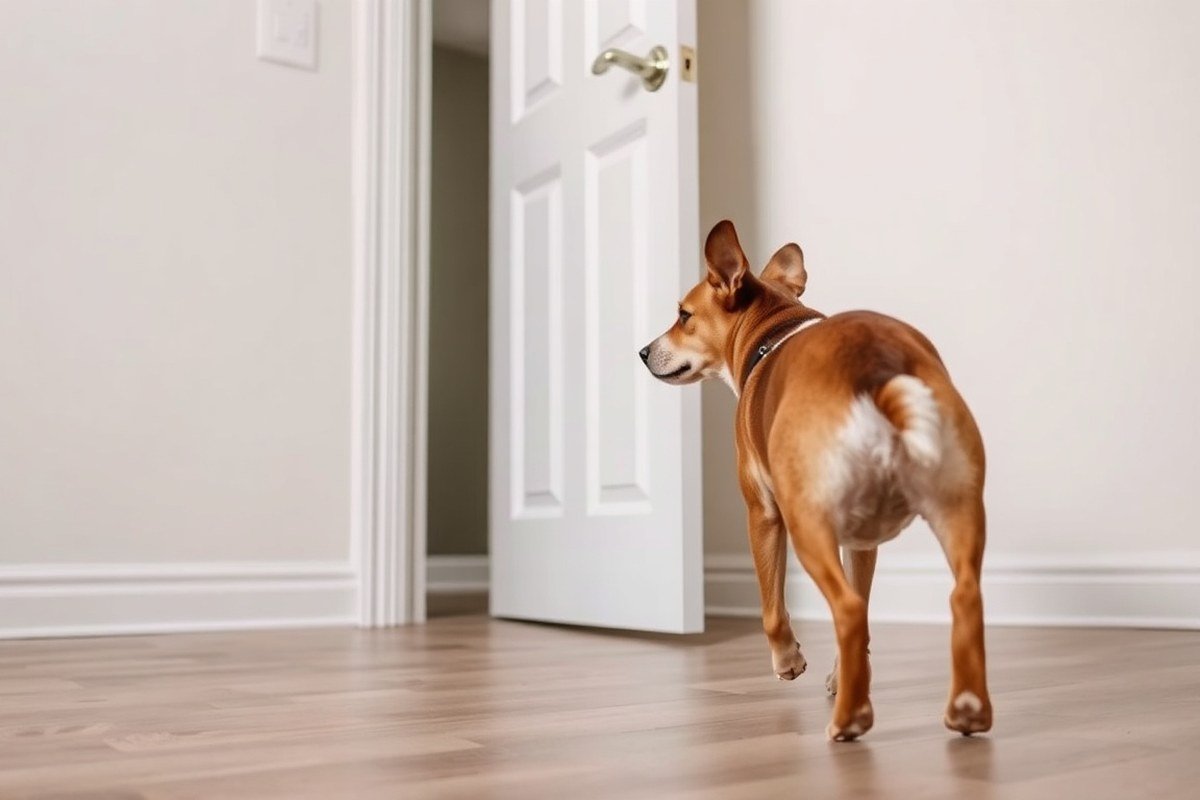
Separation anxiety often triggers whining when your dog senses you are about to leave or once you have gone. This anxiety stems from fear of being alone, causing your dog to vocalize distress through whining. You might notice pacing, drooling, or attempts to follow you before departure, which signals rising stress. Environmental factors such as loud noises, changes in routine, or being left in unfamiliar spaces can increase anxiety-related whining.
You can distinguish anxiety whining by its timing and persistence. Unlike whining for attention, which usually stops when you respond, anxiety whining tends to continue or worsen without your presence and sometimes escalates over time. Whining linked to medical issues might come with other symptoms like limping or lethargy. If your dog whines specifically during departures or absence, anxiety is a likely cause.
| Calming Tool or Strategy | How to Use It | Cost or Effort | Expected Results |
|---|---|---|---|
| Counterconditioning and Desensitization | Gradually expose your dog to leaving cues paired with positive outcomes, starting with very short absences and increasing time. | Time-intensive; requires 10, 15 minutes daily over weeks | Reduces anxiety and whining over 4, 8 weeks when done consistently |
| Interactive Toys or Food Puzzles | Provide distracting activities that engage your dog’s mind before departures. | Low to moderate; around $10, $30 | Can decrease boredom-related whining but less effective for severe anxiety alone |
| Adaptil (Pheromone Diffuser) | Plug in near where the dog rests to release calming pheromones. | Moderate; roughly $25 per month | Helps reduce mild anxiety and whining for some dogs; results vary |
| Professional Training or Behaviorist | Work with experts who tailor interventions for your dog’s specific anxiety. | Higher; $50, $150 per session | Effective for persistent or severe separation anxiety symptoms |
Yelling or punishment increases anxiety and can worsen whining behavior without solving the problem. Patience and consistent, calm approaches work best. Avoid scolding your dog during or after whining episodes, since it may undermine trust and escalate stress signals. Tracking when whining occurs will help you adjust strategies effectively as you observe progress or setbacks.
When Is My Dog Whining Just for Attention?
Attention-seeking whining often shows up as your dog whining while staring directly at you or staying close by. This behaviour can happen during moments like when you’re on the phone, working from home, or doing chores. Dogs quickly learn that whining gets your response if you regularly look at, talk to, or touch them while they whine. This unintended reinforcement makes the whining more frequent and persistent.
To test if your dog is whining just for attention, try this word-for-word script: When your dog starts whining, look away, fold your arms, and say calmly, “I will pay attention when you are quiet.” Then, completely ignore the whining, do not look, speak, or touch your dog for at least 30 seconds. When your dog stops whining, pause briefly and then calmly say, “Good quiet,” while giving a gentle pet or treat. Repeat this consistently.
Ignoring whining at first may be challenging because your dog might increase the volume or length of whining. It’s important not to give in even once. Responding on the tenth whine after ignoring nine teaches your dog that persistence is effective, which can make the problem worse.
Over time, rewarding your dog for quiet behavior proves more effective than responding to whining. You might notice your dog begins to whine less for attention, showing patience and calmness instead. For dogs who whine during greetings, try redirecting their focus to a favorite toy before they start whining to break the pattern. Using clear body language, like turning away or folding your arms, helps signal that whining won’t bring rewards.
Practical Steps to Manage and Reduce Your Dog’s Whining
Start by assessing your dog’s immediate needs. If it’s been several hours since their last potty break and whining begins, take them outside promptly. For mealtimes, teach your dog to wait patiently in a designated spot away from the kitchen before feeding. This reduces whining related to anticipation. When your dog whines during walks, reinforce calm waiting with treats before putting on the leash.
Daily exercise and mental stimulation tailored to your dog’s age, breed, and health is essential. A well-exercised dog is less likely to whine out of boredom or frustration. Activities like puzzle toys, sniff walks, and short training sessions engage their minds and reduce whining caused by lack of stimulation.
- Ignore whining by avoiding eye contact and turning away, so you don’t reward attention-seeking behavior.
- Reinforce calm behavior with praise and treats to encourage quiet waiting and patience.
- Use interactive toys or treats to redirect excitement-induced whining.
- Create a calming bedtime routine with a cozy sleeping area to reduce nighttime whining.
- Revisit and adjust routines if your dog’s environment or health changes.
Avoid punishing your dog physically or verbally, as this can increase stress and worsen whining. Instead, greet your dog calmly and consistently to promote a relaxed attitude. Over time, rewarding quiet behavior helps build confidence and decreases whining related to anxiety or attention seeking. Patience and consistency in applying these steps are key to seeing good results within a few weeks.
Knowing When to Consult a Veterinarian or Trainer
Whining that signals a need for veterinary consultation includes sudden changes in volume or frequency combined with symptoms like limping, vomiting, loss of appetite, or signs of pain such as trembling or restlessness. Schedule a vet visit if your dog’s whining coincides with physical symptoms or lasts more than 24 hours without improvement. Immediate attention is important when whines accompany behavior changes like aggression or confusion. The vet’s role is to first rule out medical issues, which may include infections, injuries, or neurological problems.
Choosing a behaviorist or trainer is best when your dog’s health has been cleared and whining relates to anxiety, fear, or learned attention-seeking behavior. Seek help if whining occurs mainly when your dog is separated from you, during specific triggers like loud noises, or if it’s a consistent habit despite good physical health. A qualified reward-based trainer can help with simple obedience and basic anxiety. For complex issues like severe phobias or aggressive fear reactions, a veterinary behaviorist with medical expertise may be necessary. Trainers typically charge $50 to $150 per session, while veterinary behaviorists may cost more due to their medical background.
To decide whether to see a vet or trainer, start with a basic flow: First, check for physical symptoms (injury, appetite, vomiting). Consult the vet when there are signs of concern. When no vet visit is needed, watch if whining happens during alone time or with certain triggers. When whining relates to those triggers, reach out to a behaviorist or trainer. Before your appointment, write down when whining happens, its duration, any possible triggers, and your dog’s overall health and activity level to provide a clear history. Bring any video of the behavior to help professionals assess the situation directly.
Step-by-Step Action Plan to Address Your Dog’s Whining
Start with simple checks and gradually move to targeted solutions to see real changes in your dog’s behavior.
- Day 1: Observe when your dog whines most to identify patterns. Note the context to decide if it’s pain, anxiety, or attention-seeking.
- Day 2-3: Check for physical signs of injury or illness. If your dog shows any unusual symptoms, schedule a vet visit immediately.
- Week 1: Create a calm environment to reduce anxiety. Use soothing tones and provide a safe space. Watch if whining decreases during these times.
- Week 2: Begin a consistent routine including exercise, play, and training sessions. See if regular activities reduce whining linked to boredom or energy build-up.
- Week 3: Practice ignoring whining that seeks attention, rewarding quiet behavior instead. Improvements in quieter periods indicate success.
- After 1 month: Evaluate changes and consult a professional trainer or vet for persistent or worsening whining. A professional can help tailor solutions to your dog’s needs.
Frequently Asked Questions
Can My Dog Whine Because It’s Bored?
Yes, boredom can lead to whining as dogs seek stimulation or interaction. Provide toys or engage in play to reduce whining due to boredom.
Is Whining in Puppies Different from Adult Dogs?
Puppies often whine more as they adjust to new environments and communicate needs. Consistent training helps puppies learn when whining is not appropriate.
Can a Change in My Dog’s Routine Cause Whining?
Sudden changes can confuse dogs and trigger whining as they try to adapt. Maintain a stable schedule to minimize stress-related whining.
Does Whining Mean My Dog Is Always Anxious?
Not necessarily, whining can indicate many emotions or needs beyond anxiety like frustration or excitement. Observe context and body language for accurate interpretation.
Why Does My Dog Whine More at Night?
Night whining can stem from loneliness or needing to relieve themselves. Ensure your dog has comfort and bathroom breaks before bedtime.
Final Thoughts
Whining in dogs signals unmet needs that deserve your attention, whether they stem from health, emotions, or communication. Taking timely, specific action helps your dog feel understood and supported. Begin by closely watching your dog today and reaching out to a vet if you spot signs of pain or illness.