Can I Put Neosporin on My Dog? Safe Use and Vet-Recommended Alternatives
Can I put Neosporin on my dog? While Neosporin is a common antibiotic ointment for humans, its use on dogs is not generally recommended without a vet’s approval. The ointment may cause irritation or allergic reactions, and your dog might lick it off, leading to ingestion risks. Start by cleaning the wound gently with a safe solution like dilute chlorhexidine before considering any topical treatment.
Key Takeaways
- Neosporin is not officially recommended for dogs and can cause skin irritation or allergies.
- Always clean your dog’s wound first with sterile saline or a vet-approved antiseptic like 2% chlorhexidine.
- Prevent your dog from licking the wound by using an Elizabethan collar or bandaging properly.
- Monitor your dog for any signs of GI upset within 6-12 hours if Neosporin is accidentally ingested.
- Visit the vet if the wound shows redness, swelling, pus, odor, or worsens after 2-3 days.
- Dog-specific wound care products are safer alternatives and often more effective than human ointments.
Is It Safe to Put Neosporin on Your Dog’s Wound?
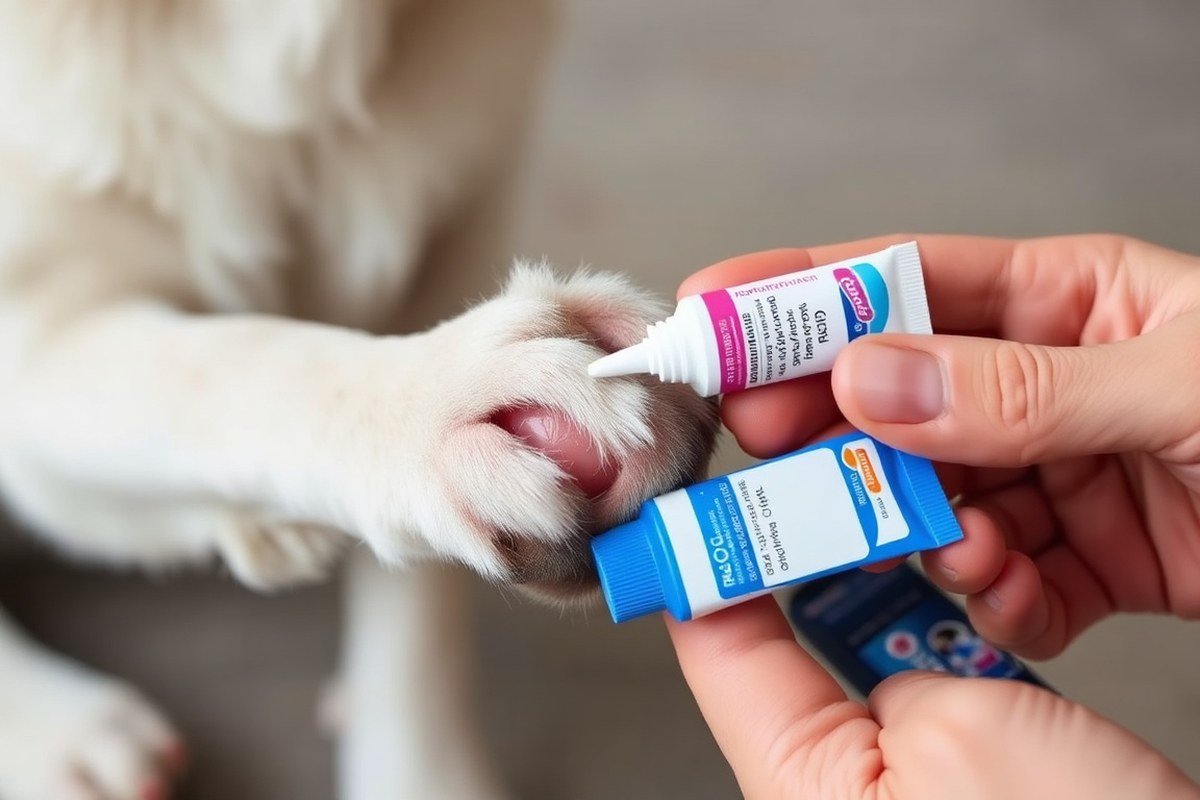
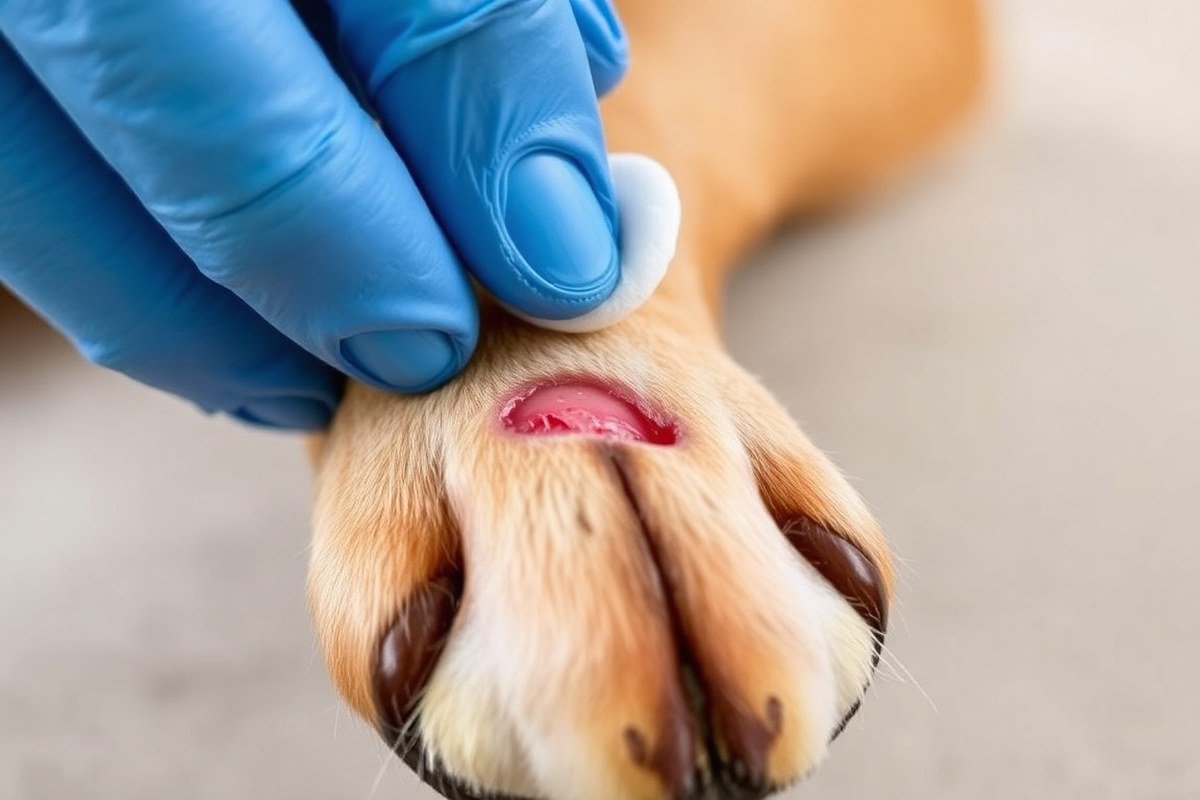
Neosporin can be used on your dog’s minor superficial wounds, such as small cuts or scrapes, but only with caution. It is generally safe when applied in a thin layer to clean, shallow wounds. The ointment helps reduce the risk of infection by killing bacteria. Avoid using it on deep, serious wounds, infected areas, or large cuts, where veterinary care is necessary.
Neosporin is not highly toxic if your dog licks a small amount, but ingestion may cause stomach upset, vomiting, diarrhea, or loss of appetite. Because dogs naturally lick their wounds, it is important to prevent them from ingesting the ointment by using a bandage or an Elizabethan collar (cone). Applying a very small amount and watching your dog carefully will help reduce these risks.
Only use plain Neosporin without added pain relief ingredients. Some Neosporin products include ingredients like painkillers that can be harmful to dogs if absorbed or eaten. Stick to the basic triple antibiotic ointment formula and avoid using anything meant exclusively for humans that includes corticosteroids or other additives.
Before applying Neosporin, gently clean the wound to remove debris and bacteria, then apply a thin layer of ointment once or twice daily as needed. This helps promote healing and lowers the chance of infection. If the wound worsens, shows signs of serious infection, or does not improve in a few days, contact your veterinarian promptly.
How to Properly Clean and Prepare Your Dog’s Wound Before Treatment
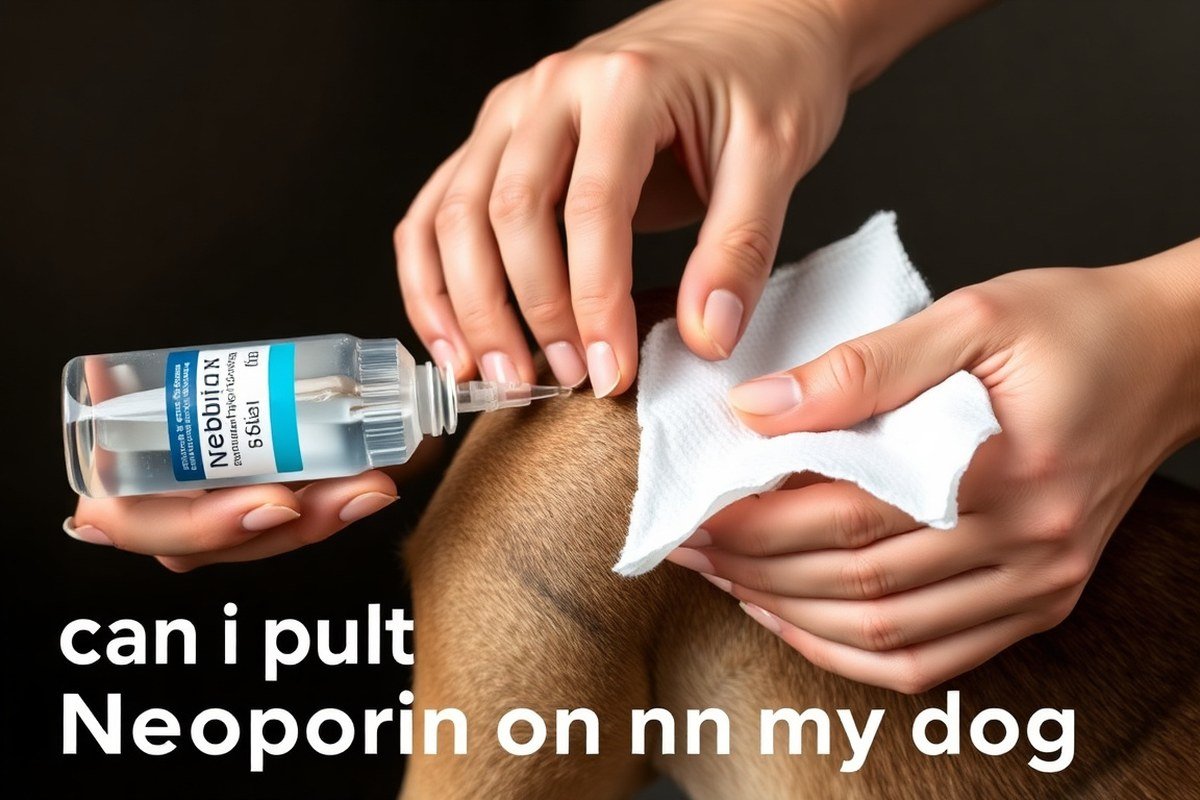
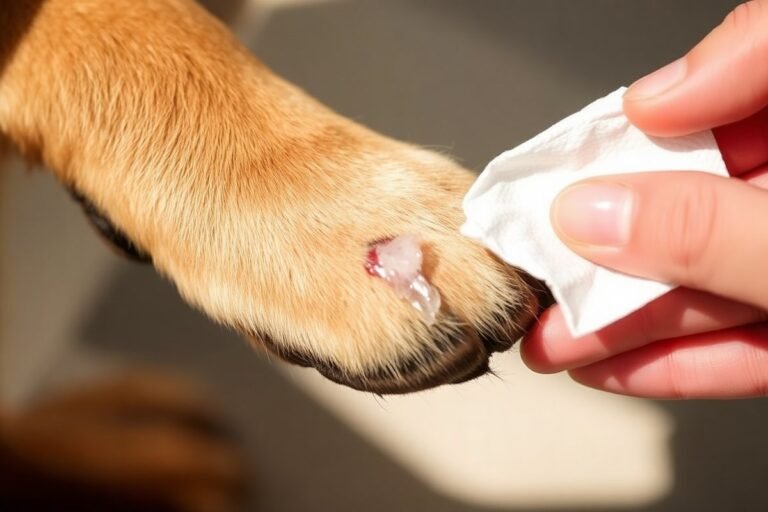
Properly cleaning your dog’s wound before applying any ointment or treatment is essential to prevent infection and promote healing. A clean wound allows topical treatments to work effectively and reduces the risk that bacteria or dirt cause further issues. You’ll need simple supplies like sterile saline, gauze pads, and vet-approved antiseptic spray, which can be found in most dog first aid kits costing around $30 to $60. Follow these steps carefully to clean your dog’s wound safely:
- Gather your supplies. Have sterile saline solution, clean gauze pads, mild soap, lukewarm water, and vet-approved antiseptic spray ready. Avoid human antiseptics like hydrogen peroxide, which can harm your dog’s tissues.
- Calm your dog. Keep your dog secure and comfortable. Use gentle restraint if needed to prevent sudden movements that could worsen the injury.
- Rinse the wound gently. Use lukewarm water or sterile saline to flush away dirt and debris. Use a large syringe or clean gauze soaked in saline for this step. Avoid scrubbing, which can irritate the wound.
- Clean around the wound. With mild soap and water, gently clean the skin near the wound using a soft cloth or gauze. Rinse thoroughly to remove soap residue, as soap can irritate open wounds.
- Apply antiseptic spray. Spray a vet-recommended antiseptic lightly on the wound to reduce bacterial growth. Avoid soaking the wound or using harsh chemicals that can damage healing tissue.
- Dry the area. Pat the wound area dry with a clean gauze pad. Do not rub, which can reopen or irritate the wound.
- Keep your dog from licking. After cleaning, prevent your dog from licking the wound to avoid contamination. Use an e-collar or bandage if your dog persists in licking.
Following these steps will give you the best chance of safely treating small wounds at home. Watch the wound closely for increased redness, swelling, discharge, or foul odor, which indicate infection and need veterinary attention.
Risks of Neosporin Ingestion and Preventing Your Dog from Licking
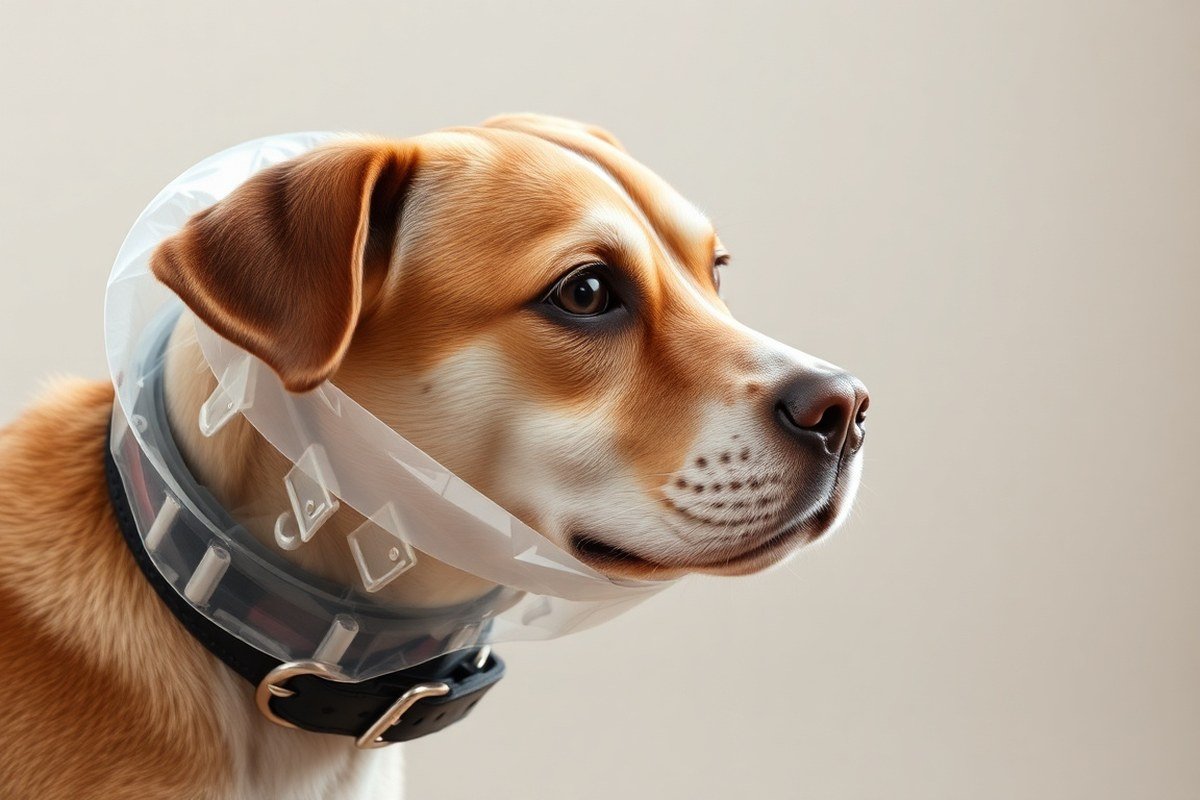
Licking Neosporin can cause your dog to experience stomach upset, vomiting, or diarrhea due to ingredients like neomycin. While a small lick is unlikely to cause toxicity, ingesting large amounts could disrupt gut flora and lead to more serious symptoms. Some dogs may also develop localized allergic reactions at the application site, making it essential to monitor their behavior and skin condition closely.
Preventing your dog from licking a treated wound is key to protecting both the wound and your pet’s health. Licking introduces bacteria that can delay healing and may remove the protective layer of ointment. You can use physical barriers or distractions depending on your dog’s temperament and the wound’s location.
- Use an Elizabethan collar (cone) to block access to the wound.
- Cover the area with a breathable bandage if appropriate, changing it daily.
- Distract your dog with toys, training, or treats during the healing period.
- Apply ointment when your dog is calm or after exercise to reduce licking impulse.
- Monitor the wound several times a day for redness, swelling, or irritation.
- Test a small skin patch with Neosporin before full application to check for allergies.
Watch your dog for any signs of GI upset for 6 to 12 hours after licking Neosporin, including vomiting or loss of appetite. Frequent or prolonged use of Neosporin might delay healing or cause antibiotic sensitivities, so avoid applying it too often and consult your vet if you see worsening symptoms or if your dog ingests a larger quantity of the ointment.
When to Avoid Neosporin and Seek Veterinary Care Instead
Avoid using Neosporin and seek veterinary care if your dog’s wound is deep, a puncture, a bite, or shows signs of infection. These types of wounds can be serious and require professional cleaning, antibiotics, or even sutures. Home use of topical ointments like Neosporin might delay healing or worsen infection in these cases. Also, if the wound does not improve within 2 to 3 days or appears increasingly red, swollen, warm, or produces pus, these are clear signs you need a vet’s evaluation.
Special attention is needed for Puppies and senior dogs since their immune systems are weaker and healing can be slower. Even minor wounds in these age groups can become complicated. Prompt veterinary assessment helps prevent the risk of infection spreading or systemic illness. Your vet might recommend alternative wound care methods or prescription medications better suited for your dog’s specific health needs.
Here is a simple decision guide: For minor scrapes, clean the wound thoroughly and monitor daily. Use Neosporin only if your vet approves. For wounds deeper than a quarter inch, bite marks, or those that bleed heavily or don’t stop bleeding after 10 minutes of pressure, take your dog to the vet immediately. If after applying Neosporin you notice worsening redness, swelling, or discharge within 48 hours, stop home treatment and seek veterinary care.
Veterinary visits for minor wounds generally cost between $75 and $150, including examination and basic treatment. This investment can save your dog from complications that lead to more extensive and expensive care. Always keep your vet’s contact handy, and do not hesitate to call with any questions about your dog’s wound or treatment plan. Following professional advice ensures the best healing and safety for your pet.
Better Dog-Specific Alternatives to Neosporin for Wound Care
Wound care products made for dogs, such as chlorhexidine sprays, silver-based treatments, and sterile saline solutions, provide safer and often better choices than Neosporin for minor cuts or scrapes on dogs. These options minimize the chance of irritation, allergic reaction, or harm from licking Neosporin. Although a small amount of Neosporin without pain relief can be applied, many vets recommend using products made specifically for dog skin and wound healing.
Chlorhexidine is a common veterinary antiseptic that cleans wounds while being gentle on dog skin. Silver wound care products help prevent infection and encourage healing with antimicrobial properties that pose less risk of toxicity. Sterile saline is excellent for flushing wounds without introducing harmful chemicals. Unlike alcohol or tea tree oil, these options do not cause tissue damage or delay healing.
| Product | Type | Use | Safety | Cost Range (USD) |
|---|---|---|---|---|
| Chlorhexidine Spray | Antiseptic spray | Clean and disinfect minor wounds | Veterinarian-approved, gentle if used properly | $10, $20 per bottle |
| Silver-Based Wound Products | Topical antimicrobial | Infection control and healing | Safe, less risk for ingestion harm | $15, $30 per tube or spray |
| Sterile Saline | Wound flush | Rinse debris and cleanse wound | Highly safe, low cost | $5, $10 per bottle |
| Neosporin (Plain, without pain relief) | Topical antibiotic ointment | Minor cuts, small amounts only | Safe but risk of ingestion and irritation | $5, $8 per tube |
Choosing the right product depends on your dog’s specific wound and tolerance. For best results, clean the wound with sterile saline or chlorhexidine first, then apply a thin layer of a vet-recommended product. Prevent your dog from licking by using an Elizabethan collar. Avoid alcohol, witch hazel, or tea tree oil due to their toxicity. Check with your veterinarian to determine which product suits your dog’s type of injury and skin sensitivity best.
How and When to Bandage Your Dog’s Wound After Applying Ointment
Bandaging your dog’s wound after applying an antibiotic ointment helps protect the area from dirt and licking, which can interfere with healing. Use a sterile bandage whenever your dog is likely to scratch or lick the wound, as constant licking can introduce bacteria and cause infections. Make sure the bandage is snug but not so tight that it cuts off circulation. If your dog tolerates it, an e-collar can also prevent them from removing the bandage or aggravating the injury.
Minor wounds usually take about 5 to 7 days to heal with proper care, including cleaning, ointment, and protection from irritation. Healing times depend on wound size, location, and your dog’s health. Keep an eye on the wound for signs of redness, swelling, or discharge, which indicate a need for veterinary care. Follow these steps to bandage your dog’s wound safely:
- Clean the wound gently with warm water or saline and pat dry with a clean cloth.
- Apply a thin layer of the recommended ointment directly to the wound.
- Place a sterile non-stick gauze pad over the treated wound.
- Wrap the gauze with a layer of soft cotton padding for comfort and cushioning.
- Secure the bandage with veterinary tape or self-adhesive wrap, avoiding tightness.
- Check the bandage regularly for cleanliness and tightness, changing daily or sooner if wet or dirty.
- Prevent licking by supervising your dog or using an e-collar if they try to remove the bandage.
Proper bandaging supports fast healing and prevents complications, but leaving a bandage on too long or wrapping it too tightly can cause swelling or skin damage. Change the dressing if it gets wet or soiled, and always monitor your dog’s behavior and the wound’s condition during the healing period.
Step-by-Step Action Plan for Safe Wound Care on Your Dog
Follow these steps to care for your dog’s wound safely using dog-friendly products and proper methods.
- Before You Start: Gather clean water, mild soap, dog-safe antiseptic, gauze, and a dog-specific antibiotic ointment. Ensure your dog is calm and restrained gently.
- Immediately After Noticing the Wound: Rinse the affected area with lukewarm water to remove dirt and debris. Confirm no deep punctures or heavy bleeding are present.
- Within the First Hour: Clean the wound gently with mild soap or a recommended antiseptic. Pat dry with a clean cloth to avoid moisture buildup.
- Right After Cleaning: Apply a thin layer of a dog-safe antibiotic ointment avoiding Neosporin unless advised by your vet. Look for redness or swelling to decrease over 24 hours.
- After Ointment Application: If possible, cover with a non-stick sterile bandage and secure it gently. Change the bandage daily and note if healing progresses or worsens.
- Daily for the Next Week: Keep your dog from licking the wound by using a cone or similar device. Healing signs include less swelling, no discharge, and new healthy skin growth.
- After 3 to 5 Days: Check the wound closely. If healing stalls, worsens, or infection signs appear (pus, foul smell, pain), contact your veterinarian promptly.
Frequently Asked Questions
Can I Use Neosporin on My Dog’s Face?
You should be cautious applying Neosporin on your dog’s face due to the risk of ingestion and irritation. The face is hard to keep clean and prevent licking, increasing the chance of swallowing the ointment and causing stomach upset.
How Often Can I Apply Neosporin to My Dog’s Wound?
Apply Neosporin sparingly up to two times daily on minor wounds to avoid skin irritation or buildup. Use a thin layer and avoid heavy application since your dog may lick it off, increasing ingestion risks.
Can Neosporin Cause Allergic Reactions in Dogs?
Dogs can sometimes develop allergic reactions to Neosporin, causing redness, swelling, or itching. If you notice worsening symptoms or your dog seems uncomfortable, stop use and contact your veterinarian.
Is Neosporin Safe for Puppies?
Neosporin can be used cautiously on puppies’ minor wounds, but risks of ingestion are higher because puppies lick more. Always use very small amounts, monitor closely, and seek veterinary advice for serious injuries.
Can I Use Neosporin If My Dog Is on Other Medications?
It’s best to consult your vet before using Neosporin if your dog takes other medications. Some ingredients may interfere or cause side effects, especially if your dog has allergies or health conditions.
Before You Go
Using Neosporin on your dog can help minor wounds but carries risks, especially if ingested or used on deep injuries. Always clean wounds properly and prefer products designed for dogs. Keeping a close eye on healing and consulting your veterinarian is the safest approach to protect your pet’s health and comfort.