What Type of Dog Is Bluey? A Complete Guide to Blue Heelers
Bluey is a Blue Heeler, which people also call an Australian Cattle Dog. This strong and active breed hails from Australia and suits Bluey’s playful and adventurous nature perfectly as a medium-sized dog made for work and fun.
The breed’s intelligence and endurance make it great for families that enjoy active play and outdoor fun. Learning more about Blue Heelers helps you understand why Bluey’s personality is so engaging and realistic.
Key Takeaways
- Bluey and Bingo are Blue Heelers, known for their strong herding instincts and smart, alert nature.
- Blue Heelers are medium-sized dogs weighing between 35 and 50 pounds, with males slightly larger than females.
- The breed stands about 17 to 20 inches tall at the shoulder depending on sex and individual variation.
- Blue Heelers have a strong and hardy build, which supports their reputation as working dogs.
- These dogs need at least 60 to 90 minutes of varied exercise daily to stay healthy and happy.
- Short training sessions of 10 to 20 minutes help satisfy their intelligence and strong desire to learn.
What Breed of Dog Is Bluey and Bingo?

Bluey and her sister Bingo are both Australian Cattle Dogs, a breed known for intelligence, agility, and herding skills. Bluey represents the Blue Heeler variety, characterized by a speckled blue-grey coat that earned the breed its nickname. Blue Heelers were originally bred in Australia to herd cattle by nipping at their heels, which is where the “Heeler” name comes from.
Bingo, on the other hand, is a Red Heeler, the reddish-colored variation of the same breed. While both sisters share the same breed heritage, their coat colors set them apart visually. This distinction helps viewers recognize them as individual characters while staying true to the breed’s types in real life.
Recognizing Bluey and Bingo as Australian Cattle Dogs matters because this breed’s traits influence their characters’ behavior on the show. Their intelligence, boundless energy, and eagerness to work fit the show’s portrayal of adventurous, curious pups who thrive on mental and physical challenges. This authenticity helps families understand the breed’s needs better if considering a Blue Heeler as a pet.
Both Bluey and Bingo come from a breed requiring ample exercise and engagement, so knowing they are Australian Cattle Dogs guides how you might care for similar dogs. They need space to run and tasks to keep their minds busy, or they risk becoming bored or destructive. Their distinct blue and red coats show typical variations within the Australian Cattle Dog breed family, linking them closely while allowing each to shine in their own way.
Physical Traits and Comparison of Blue Heelers

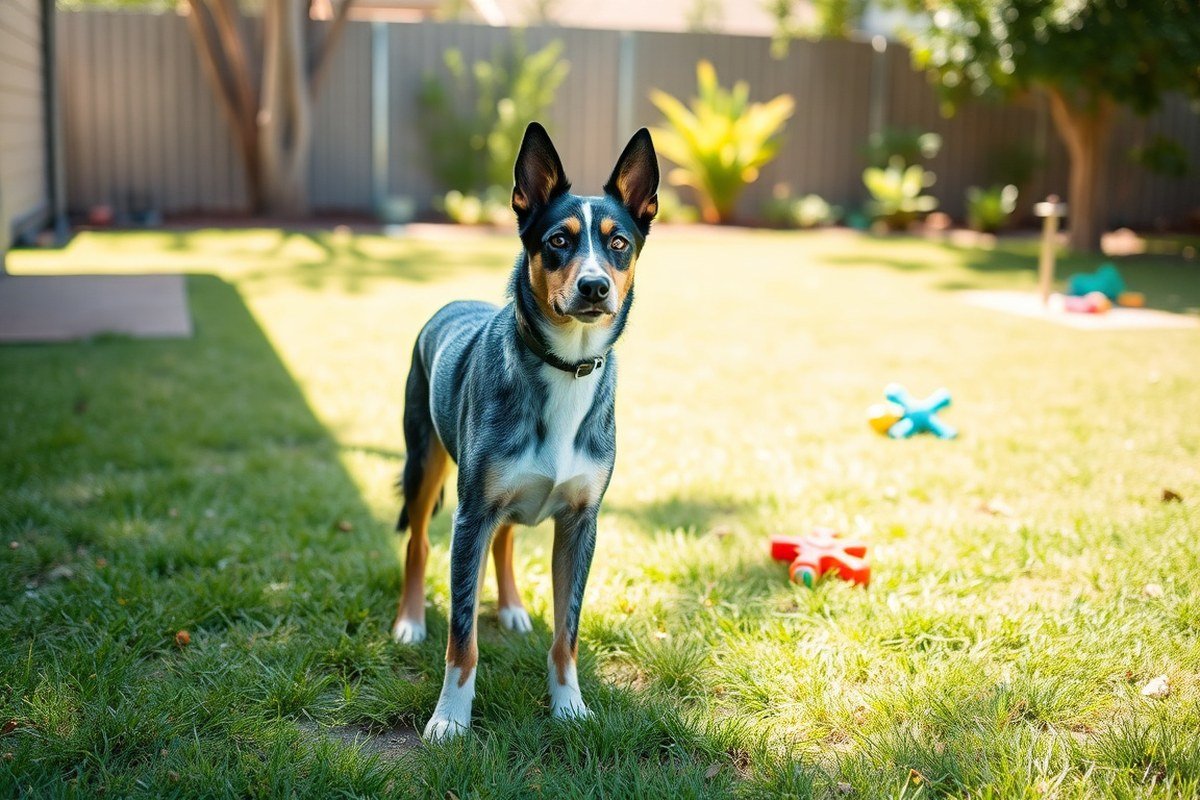
Blue Heelers, or Australian Cattle Dogs, sport a compact, muscular frame and a smooth, short coat. Their fur usually features a blue-gray speckled pattern with white spots, a look that characters like Bluey and Bandit display. These dogs are designed for herding with their strong and agile bodies, making them full of energy. Their ears stand upright, improving their sharp and alert expression.
The main visual difference between Blue Heelers and Red Heelers lies in their coat colors. Red Heelers have a red speckled coat with warmer tones, as seen in the character Chilli and Bingo. Both variants share many physical traits, but the color distinction makes it easy to tell them apart. Both types originated in Australia and are bred for similar working purposes, requiring plenty of mental and physical activity.
| Feature | Blue Heeler | Red Heeler |
|---|---|---|
| Typical Coat Color | Blue-gray speckled with white markings | Red speckled with white or tan markings |
| Build | Muscular and sturdy | Muscular and sturdy |
| Size (Height) | About 17-20 inches | About 17-20 inches |
| Weight | 35-50 pounds | 35-50 pounds |
| Ears | Erect, alert | Same as Blue Heeler |
Recognizing these traits helps you understand why both Blue and Red Heelers suit active families who enjoy an outdoors lifestyle. Both need plenty of exercise and mental challenges due to their working dog nature. The color difference is mostly about appearance and doesn’t affect their behavior or care needs.
Origin and Working History of Blue Heelers

Blue Heelers originated in 19th-century Australia when European colonizers aimed to create a dog well-adapted to the country’s harsh Outback conditions. They needed a breed that could manage large herds of cattle spread across vast, rugged land. To achieve this, breeders crossed Collie-type herding dogs with native and imported working dogs. This mix produced a clever, resilient dog capable of long days in tough environments without constant human supervision.
The primary purpose of Blue Heelers was to serve as Hard-working cattle-herding dogs. Their strong instincts and stamina made them ideal for herding, driving, and controlling cattle on farms and ranches across Australia. The breed was developed to think independently and make quick decisions, allowing them to work effectively without frequent commands from their owners. This characteristic still defines the breed today and appears in the animated portrayal of Bluey.
Blue Heelers usually weigh between 30 to 50 pounds and have muscular, compact builds that support their working lifestyle. Their endurance and intelligence are key factors in their success as herders. While they are now popular as family pets, their heritage impacts the level of activity and mental engagement they need. The breed’s working history means they thrive with meaningful tasks, whether it’s herding livestock or participating in dog sports and interactive play.
Temperament, Care, and Exercise Needs of Blue Heelers
Blue Heelers are known for their Energetic and intelligent temperament. These dogs are highly active, requiring both physical exercise and mental challenge to stay happy and healthy. Their natural herding instincts make them loyal and protective, but they can be stubborn if not trained consistently. Blue Heelers respond well to structured learning with positive reinforcement, proving to be among the most intelligent breeds worldwide.
These dogs suit active families who have the time and commitment to meet their exercise needs. Without enough daily activity, they may develop behavioral issues like excessive barking or digging. Ideal care includes at least 1 to 2 hours of vigorous exercise such as running, hiking, or playing fetch, combined with mentally stimulating tasks like puzzle toys or obedience training. Regular socialization helps Blue Heelers become well-rounded pets, especially in homes with children.
- Provide 1-2 hours of daily physical exercise
- Use obedience training sessions to maintain mental stimulation
- Engage in interactive play to satisfy herding instincts
- Ensure early and ongoing socialization with people and other pets
- Provide a secure yard to prevent escape attempts
- Be prepared for consistent grooming and check-ups
Families considering a Blue Heeler should assess their activity level and schedule. This breed thrives when included in everyday adventures and enjoys learning new commands or tricks. Blue Heelers can make wonderful companions for kids who understand how to interact gently and play safely. Keeping a Blue Heeler engaged helps foster their loyal and fun-loving personality while preventing restlessness or frustration.
Blue Heelers’ Health, Lifespan, and Real-Life vs. Bluey Show Portrayal
Blue Heelers typically live around 10 to 15 years, making them a medium-lifespan breed. Their overall health is generally strong, but they can be prone to specific issues such as hip dysplasia, deafness, and progressive retinal atrophy (PRA). Maintaining good health for a Blue Heeler involves providing a balanced diet rich in nutrients, regular exercise to support their muscular build, and routine veterinary checkups to catch potential problems early.
The animated Bluey closely reflects many genuine traits of the Blue Heeler breed. The show portrays Bluey and her family as highly social, active, and affectionate dogs, which matches how real Blue Heelers thrive as family companions. The characters exhibit the breed’s intelligence and energy, depicted through playful adventures and close family bonds. However, the show’s lighthearted tone may understate the breed’s high exercise and mental stimulation needs, which can be demanding in real life.
Potential adopters should assess their readiness by considering time availability, activity level, and commitment to regular training and socialization. Blue Heelers require significant daily physical activity and mental engagement to prevent boredom and destructive behaviors. They suit owners who lead active lifestyles and can invest effort into consistent care. Prospective owners should also budget for food, vet visits, and preventive health care, which can average several hundred dollars annually.
Though the show successfully raises awareness and affection for Blue Heelers, real-life ownership differs in commitment. The breed’s distinctive blue-speckled coat and erect ears are evident on screen, but the energetic, working-dog instincts behind the character require attention beyond animated fun. Understanding the breed’s health, lifespan, and behavioral needs helps ensure a good match for families excited to bring a Blue Heeler home.
Your First Steps to Welcoming a Blue Heeler into Your Home
Getting a Blue Heeler like Bluey means preparing for an active, intelligent dog that thrives with the right care. Use this plan to start off strong and build a healthy, happy life together.
- Before you bring Bluey home: Research local breeders or rescues specializing in Blue Heelers to find a healthy pup. Confirm the breeder screens for breed-specific health issues by asking for veterinary records.
- Day 1: Set up a secure, comfortable space with toys and a bed. Observe your dog’s ease settling in as a sign they feel safe.
- Week 1: Begin daily short walks to provide mental and physical stimulation. Notice your dog’s energy and adjust walk length to prevent overtiring.
- Weeks 2, 4: Introduce basic obedience training using positive reinforcement. Track progress by your dog’s responsiveness and confidence during commands.
- Month 2: Increase exercise with games like fetch or agility suited to Blue Heelers’ working nature. Watch for enthusiasm and signs of tiredness to balance activity.
- Ongoing: Schedule regular vet check-ups, including eye and hip evaluations common for the breed. Maintain vaccinations and parasite control as advised.
- As your pup matures: Socialize with other dogs and people to promote a well-rounded temperament. Assess social comfort by the dog’s relaxed interactions.
- Yearly: Review your dog’s lifestyle needs and consult your vet on any changes in diet or exercise to sustain health through aging.
Frequently Asked Questions
What Breed of Dog Is Bluey Based On?
Bluey is based on the Australian Cattle Dog breed, commonly known as the Blue Heeler, known for its energy and intelligence. This breed is a real-life working dog with a strong herding instinct.
Is Bluey from the TV Show a Male or Female Dog?
Bluey is a female Australian Blue Heeler in the show. The series focuses on Bluey and her family, highlighting her adventures as a young female pup.
What Color Variation Is Bluey’s Sister Bingo?
Bingo is a Red Heeler, which is the reddish-colored variation of the Australian Cattle Dog breed. She contrasts with Bluey’s blue-speckled coat, showing the breed’s diversity.
Did the Real Bluey Dog Live as Long as Depicted on the Show?
The real Bluey, an Australian Cattle Dog, lived an impressive 29 years, far longer than most dogs. This longevity reflects the breed’s durability but is exceptional rather than typical.
Are Characters Like Bluey and Calypso Based on Different Dog Breeds in the Show?
Yes, Bluey is a Blue Heeler, while Calypso, the schoolteacher, is an Australian Shepherd, another intelligent herding breed. The show highlights various Australian dog breeds.
The Bottom Line
Bluey is a Blue Heeler, a breed known for intelligence, loyalty, and high energy. This makes them a great fit for families ready to meet their exercise and mental stimulation needs. Start your journey by connecting with a reputable breeder or rescue, then focus on training and socialization to enjoy a rewarding relationship with your Blue Heeler.