
Is Purina Pro Plan a Good Dog Food? Facts, Formulas & Buyer Tips
Is Purina Pro Plan a good dog food? It can be a solid choice depending on your dog’s needs and health goals. This brand offers a wide range of formulas with quality ingredients made in U.S. Facilities, but some recipes have higher carbohydrate levels and rank as high risk in ingredient safety evaluations. To start, follow Purina’s recommended 7 to 10 day gradual transition for the best results.
Key Takeaways
- Choose Purina Pro Plan formulas based on your dog’s life stage and specific dietary needs to maximize health benefits.
- Transition your dog gradually over 7 to 10 days, mixing increasing Pro Plan portions to reduce digestive upset.
- Check ingredient lists carefully; some formulas have higher carbohydrate content that may not suit all dogs.
- Expect to pay between $35 and $80 for a 33- to 35-pound bag of dry food, depending on the recipe.
- Purina produces Pro Plan items in its own U.S. Factories, maintaining uniform quality control.
- Be aware that some Pro Plan lines scored high-risk in ingredient quality and safety evaluations.
Is Purina Pro Plan a Good Dog Food for Pet Health?

Purina Pro Plan maintains overall dog health by providing various formulas designed for different breeds, life stages, and specific health issues. This brand positions itself as a premium option within Purina’s lineup, highlighting balanced nutrition starting with real meat as the main ingredient. Quality protein aids in fulfilling your dog’s energy needs and muscle upkeep. Several recipes also contain extra vitamins, minerals, and amino acids to promote immune function and healthy coat appearance.
The brand distinguishes itself by its reputation in the dog food industry and endorsements, such as some veterinarians and specialists recommending it for specific health conditions. Purina Pro Plan formulas often incorporate probiotics and targeted nutrients for digestive support and sensitive skin, addressing particular health concerns. However, independent evaluations have flagged the ingredient quality in some dry food lines as high risk, so it’s wise to review the specific formula you choose carefully.
Feeding Purina Pro Plan properly includes gradually transitioning your dog over 7 to 10 days, mixing increasing amounts of Pro Plan with decreasing amounts of the current food. This slow adjustment helps prevent digestive upset and ensures your pet adapts comfortably to the new diet. Costs vary depending on formula and package size but generally fall within the mid-to-high price range compared to other premium brands, reflecting its status and ingredient sources.
Good results from this brand typically show in your dog’s vitality, healthy coat, and consistent energy levels. Pay attention for any adverse reactions, such as digestive issues or allergic responses, which can occur due to ingredient sensitivities or formula variations. Always consult your vet if you notice any negative effects or if your dog has special dietary needs. Purina’s industry standing and nutritional formulations make Pro Plan a viable option to support your dog’s health, but consider your dog’s unique requirements when selecting the right formula.
Choosing the Right Purina Pro Plan Formula for Your Dog
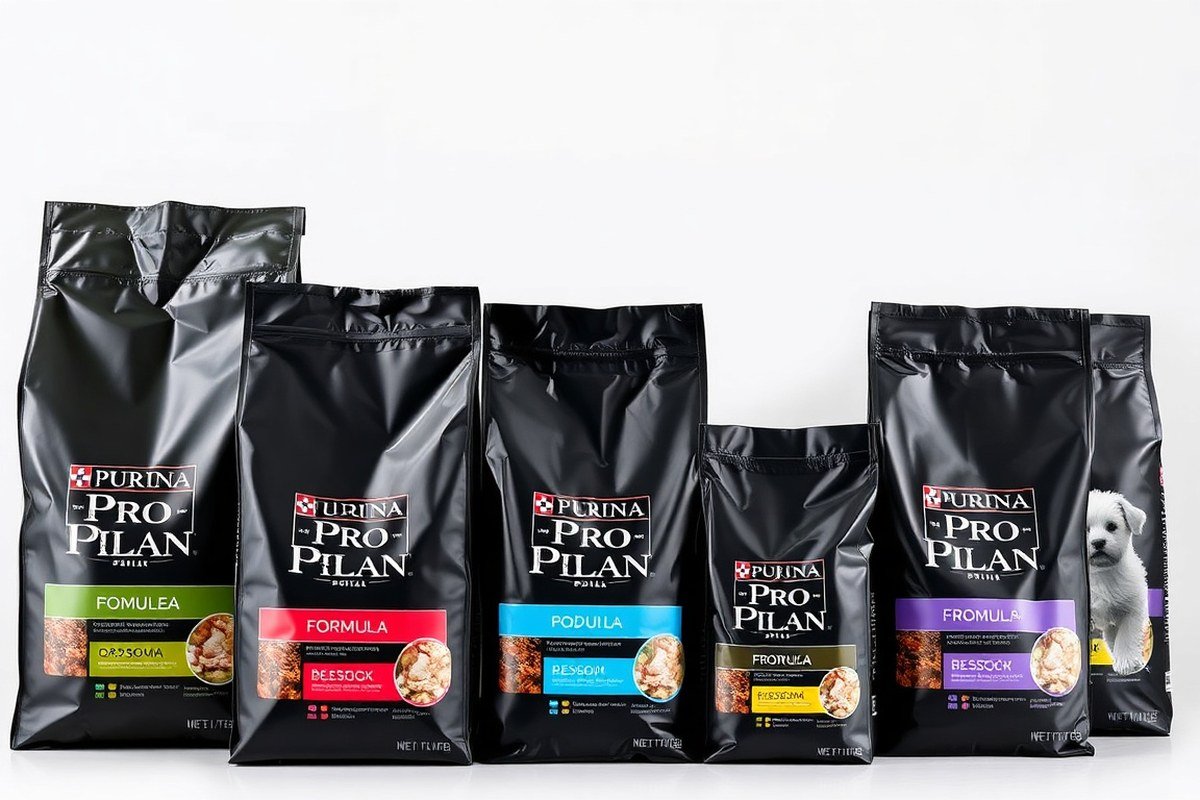
Selecting the right Purina Pro Plan formula depends on your dog’s age, size, activity level, and any health concerns like digestive sensitivity or weight management. Puppies need a formula like Focus Puppy Food because it is easily digestible and contains prebiotic fiber to support developing intestines. Adult dogs have different options based on lifestyle or health issues.
Active or working dogs benefit from the Sport Performance line, designed to support high energy and strong muscles through increased protein and fat content. If your dog has mild digestive or skin sensitivities, consider the Sensitive Skin & Stomach formula, which is easier on digestion but not a replacement for a veterinary elimination diet. Large and small breeds also have formulas tailored for their size and calorie needs.
| Formula | Protein | Fat | Best Fit | Watch For | Typical Large-Bag Price* |
|---|---|---|---|---|---|
| Complete Essentials Shredded Blend | About 26% | About 16% | Healthy adult dogs needing an everyday maintenance diet | Not ideal for calorie restriction | About mid-$70s |
| Sensitive Skin & Stomach Salmon & Rice | Varies by recipe | Varies by recipe | Mild digestive or skin sensitivity | Not a substitute for an elimination diet | About upper-$70s for a 30-lb bag |
| Sport Performance | Higher protein (varies) | Higher fat (varies) | Highly active or sporting dogs | Higher calories not for sedentary dogs | Price varies |
To decide which formula suits your dog, assess age first: puppies require the Focus formula for digestion and growth. Next, check activity level: sedentary dogs do well on Complete Essentials, while sporting dogs may benefit from Sport. For dogs with sensitive skin or digestion, Sensitive Skin & Stomach is a better choice but consult your vet for serious allergies or food sensitivities. Size adjustments mainly affect calorie amounts, so choose a formula labeled for your dog’s breed size. Expect typical large bags to cost between $70 and $80, with some variation depending on formula and retailer.
What Are the Key Ingredients in Purina Pro Plan?
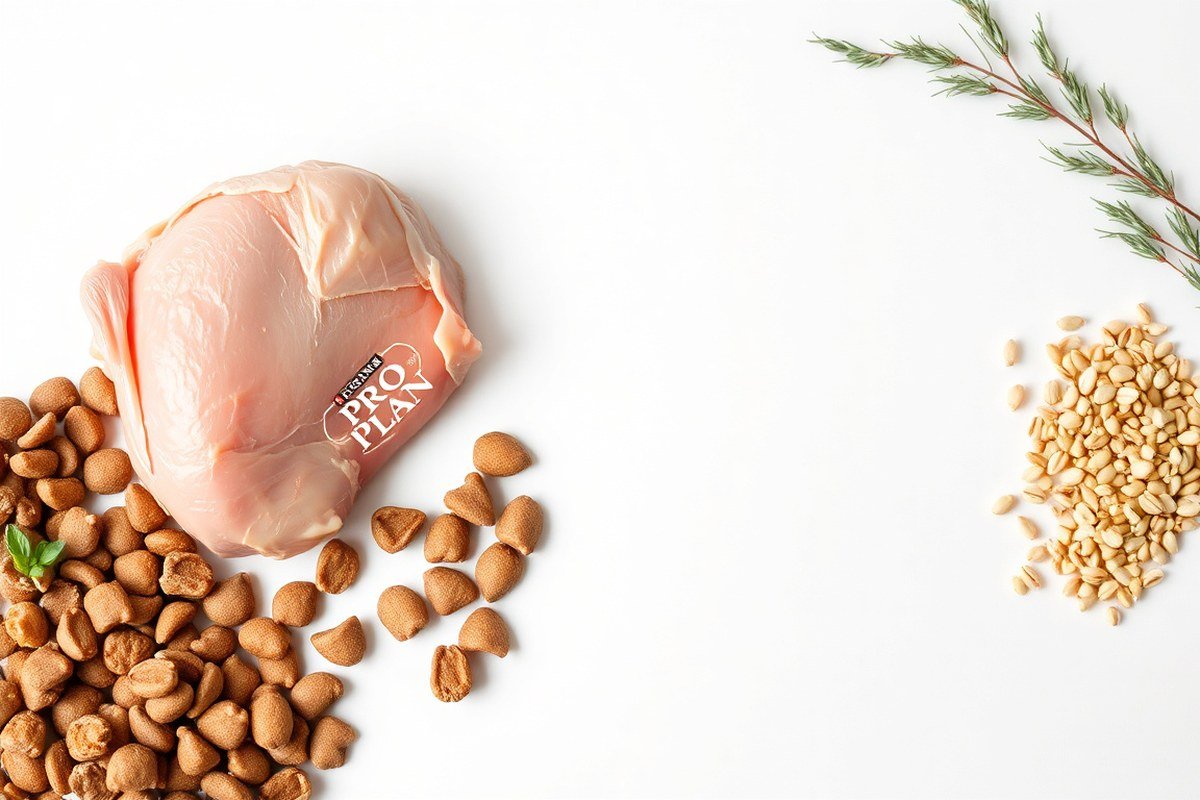
Purina Pro Plan dog food typically lists Chicken as the first ingredient, providing a primary source of animal protein essential for your dog’s muscle maintenance and energy. Following chicken, the recipes often include rice and corn protein meal, which serve as carbohydrate sources to fuel your dog’s daily activities. These ingredients help balance energy and digestive health, although rice is generally more digestible than corn in dog diets.
Some Purina Pro Plan formulas include poultry by-product meal within the first five listed ingredients. This meal comes from parts of poultry other than muscle meat, like organs and bones, offering a protein source different from whole meat. While Pro Plan does not use poultry by-product meal as the main ingredient in its dry foods, it does appear in some recipes. This might worry owners wanting only whole meat in their dog’s food, but poultry by-product meal is a widespread ingredient in commercial dog foods and is deemed safe by regulators when processed correctly.
Carbohydrates in Pro Plan products usually come from grains such as whole grain wheat and whole grain corn. These provide fiber which supports digestion but may not suit dogs with specific grain sensitivities or allergies. Additives like beef fat preserved with mixed-tocopherols (a natural form of vitamin E) act as antioxidants to maintain freshness without synthetic preservatives, which can be a positive for pets sensitive to artificial ingredients.
Pricing for Pro Plan dry dog food ranges broadly from $35 to $80 for a 33 to 35-pound bag, depending on the specific formula and ingredients. Veterinary diet versions are higher priced, reflecting tailored ingredients for special health needs. Pro Plan also offers wet food in sizes from 5.5-ounce cans to 13-ounce tubs, allowing you to choose based on portion size and feeding preferences. Being aware of these ingredient details and price variations helps you select the best fit for your dog’s nutritional needs and your budget.
How Do Probiotics Work in Purina Pro Plan Dog Food?
Probiotics play a key role in supporting your dog’s digestive health when included in Purina Pro Plan formulas. These live beneficial bacteria help balance the gut microbiome, which aids in nutrient absorption and can reduce digestive upset such as diarrhea or constipation. Pro Plan Puppy Dry and Pro Plan Sport Dry explicitly include probiotics and guarantee colony forming units (CFUs), ensuring your dog receives enough active bacteria to be effective.
The probiotics in Purina Pro Plan help maintain a healthy digestive system by promoting good bacteria growth that competes against harmful microbes. This balance supports your dog’s immune function and can improve stool quality. The guaranteed CFUs mean the probiotics stay alive through manufacturing and storage, making sure the product delivers the expected digestive benefits.
To maximize these benefits, feed your dog the recommended amount of Pro Plan formula consistently. The probiotics work best when regularly supplied, so avoid sudden diet changes or feeding sources without probiotics. Most dogs show signs of improved digestion, like firmer stools and less gas, within one to two weeks of daily feeding.
In some cases, dogs with sensitive stomachs or digestive illnesses may require additional probiotic supplements or veterinary advice, as food alone might not be enough. Probiotics in dog food typically cost no more than standard premium dog food formulas. The added digestive support can reduce veterinary bills related to digestive upset, making it cost-effective for many pet owners.
How to Safely Transition Your Dog to Purina Pro Plan
Switching your dog’s food to Purina Pro Plan should be done gradually to avoid digestive upset, such as diarrhea or vomiting. The key is to introduce the new food slowly over 7 to 10 days, giving your dog’s digestive system time to adjust. This process helps maintain nutrient absorption and keeps your dog comfortable during the change. Here is a practical step-by-step plan to follow.
- Start by mixing 25% Purina Pro Plan with 75% of your dog’s current food for the first 3 days. This low ratio eases the transition without overwhelming their system.
- Increase to 50% Purina Pro Plan and 50% old food for days 4 through 6. This balanced mix further acclimates your dog’s digestion to the new ingredients.
- Feed 75% Purina Pro Plan and 25% old food during days 7 to 9. By now, your dog should be ready for most of their diet to consist of the new food.
- Offer 100% Purina Pro Plan starting on day 10 if your dog shows no signs of digestive upset like loose stools or refusal to eat.
- Monitor your dog’s response daily. Watch for signs like vomiting, diarrhea, or decreased appetite, and slow down the transition if needed by staying longer at each step.
- Adjust the timeline for sensitive dogs. For puppies, seniors, or dogs with sensitive stomachs, extending the transition to 10 days or more can better prevent issues.
This gradual switch typically takes no more than 1 to 2 weeks, which may cost slightly more due to feeding a mix of both foods during this time. Successful transitions look like steady eating habits, normal stool quality, and no behavioral signs of discomfort. If problems persist beyond the adjustment period, consult your veterinarian for tailored advice.
What Does Purina Pro Plan’s Recall History Tell You?
Purina Pro Plan has had a few recalls over time, but these were limited to certain batches and product types, not broad concerns. One instance involved a small amount of Pro Plan Veterinary Diets EN Gastroenteric Low Fat canned dog food being mislabeled. This recall mostly impacted dogs needing precise diet management, since an incorrect formula could harm them. The issue was specific and handled quickly after it was identified.
Recall events matter because they alert you to potential risks in a dog food batch, such as contamination, incorrect ingredients, or labeling errors. These risks can lead to digestive upset, allergic reactions, or more serious health problems in your dog. Staying informed about any recalls for Purina Pro Plan or other pet foods ensures you don’t accidentally feed your dog an unsafe product.
New recall rumors should be treated carefully to avoid unnecessary alarm. The best step is to check official sources like the U.S. Food and Drug Administration (FDA) or the manufacturer’s website for verified recall announcements. Avoid reacting to unconfirmed reports on social media or forums, as they may cause unnecessary worry. When a recall involves a product you use for your dog, stop feeding the product immediately, return it according to the recall instructions, and contact your veterinarian if your dog shows signs of illness.
Keeping the packaging of your Purina Pro Plan products until fully used can help you quickly check lot numbers during a recall. You may also sign up for recall alerts from the FDA or your pet store. This way, you stay up to date with minimal hassle and can take prompt action if needed. Regularly monitoring recalls protects your dog’s health and ensures peace of mind regarding the food you trust.
How Much Does Purina Pro Plan Cost and Is It Worth It?
Purina Pro Plan offers a range of dog food options that fit within the premium segment but often comes at a more competitive price point than some specialty brands. This can make it a strong choice for dog owners who want quality nutrition, including grain-inclusive formulas, without paying the highest prices found in the market. The availability of large bag sizes also lowers the cost per pound, which matters if you feed a big dog or want to buy in bulk.
| Brand | Price per 1 lb (approx.) | Bag Sizes Available | Specialty Formulas |
|---|---|---|---|
| Purina Pro Plan | $1.50 – $2.00 | 15, 30, 40 lbs | Yes (grain-inclusive, sensitive skin & stomach) |
| Blue Buffalo | $2.00 – $3.00 | 12, 24, 30 lbs | Yes (grain-free, limited ingredient, high protein) |
| Wellness | $2.50 – $3.50 | 12, 24 lbs | Yes (grain-free, natural ingredients) |
| Hill’s Science Diet | $2.00 – $2.50 | 15, 30 lbs | Yes (veterinary diets, sensitive stomach) |
On a cost-per-pound basis, Purina Pro Plan tends to be lower priced than brands like Blue Buffalo and Wellness, especially when bought in bulk bags. This pricing advantage extends to certain specialty formulas suited for common dog needs, such as those that address sensitive stomachs or include probiotics. While many premium brands promote grain-free options, Purina Pro Plan focuses on grain-inclusive recipes, which can help maintain more affordable raw material costs without sacrificing protein or nutrient density.
Considering the cost relative to quality, Purina Pro Plan offers good value for most dog owners. It balances proven, research-backed nutrition with price competitiveness and larger bag sizes. That said, if your dog requires strictly grain-free or very specific micronutrient profiles, or if you want detailed nutrient ratios like omega-6 to omega-3 ratios (not provided by Purina Pro Plan), you might need to consider pricier or more specialized premium brands instead.
What Do Dog Owners Say About Purina Pro Plan?
Dog owners often highlight that Purina Pro Plan supports shiny coats and healthy digestion when fed consistently for several weeks. Many appreciate the visible energy boost and better stool quality. These benefits seem to align with the dog food’s inclusion of probiotics and balanced nutrients. Owners typically notice positive changes after switching for about 3 to 4 weeks, which matters because gradual adaptation helps avoid digestive upset.
On the downside, some owners report that certain formulas cause allergic reactions or digestive issues like gas or loose stools. These problems often arise in dogs with food sensitivities or when the transition to Purina Pro Plan is too fast. To minimize this risk, you should switch gradually over 7 to 10 days by mixing increasing amounts of Pro Plan with the old food daily. Feeding consistent measured portions also helps maintain digestive balance and weight control.
Many dog owners advise checking the ingredient list carefully to choose a formula that matches your dog’s specific health needs, such as grain-free for sensitive dogs or high-protein for active breeds. The cost can be higher than some generic brands, generally around $40 to $60 for a 30-pound bag, so monitoring your dog’s response ensures you get value for the price. Good results look like steady weight, bright eyes, and regular stools. Watch for problems like itching, lethargy, or vomiting, which mean switching formulas or consulting your vet may be necessary.
Following a simple checklist can help you get the most out of Purina Pro Plan: choose the right formula for your dog’s age and health; transition slowly over a week; feed measured portions twice daily; observe your dog’s coat, energy, and stool quality; and consult your vet if adverse signs appear. This approach balances the benefits reported by many dog owners with awareness of possible issues, keeping your dog healthy and happy.
How to Judge Marketing Claims Versus Nutritional Facts on Pro Plan
Marketing claims on dog food packaging often highlight high protein content or premium ingredients, but it’s essential to look beyond these promises and focus on nutritional facts verified by independent standards. The Association of American Feed Control Officials (AAFCO) provides nutrient profiles that dog food must meet to be labeled “complete and balanced.” Check the label for an AAFCO statement confirming the formula satisfies these nutritional requirements, as this ensures the food supports your dog’s overall health based on scientific guidelines.
The protein percentage listed on the label shows the minimum crude protein your dog will receive, but quantity doesn’t always equal quality. Purina Pro Plan formulas often list an animal-based protein like Chicken as the first ingredient, which generally means a more digestible and bioavailable protein source compared to plant proteins. However, “chicken as the first ingredient” isn’t automatically better, how the protein is processed and the balance with other nutrients also matter. For example, foods containing named meat meals (like chicken meal) can offer concentrated protein but may differ in digestibility versus fresh meat.
Ingredients should be evaluated for quality rather than just position. A well-formulated Pro Plan product combines meat, grains or grain alternatives, and added nutrients such as vitamins, minerals, and omega fatty acids to meet your dog’s needs. Labels can sometimes list “chicken” prominently while including fillers or low-nutrient by-products later. To gauge ingredient quality, consider if the product states the source of protein clearly and avoids vague terms like “animal fat” or “meat by-products.”
When judging marketing claims, compare what the label lists against the full guaranteed analysis panel and AAFCO approval. This helps confirm the food delivers consistent nutrition beyond catchy phrases. Costs vary with ingredients; formulas using whole meats or specialized recipes may cost more but offer higher-quality nutrition. Always balance label claims, ingredient details, and AAFCO standards when deciding if Purina Pro Plan meets your dog’s dietary needs.
When to Stop Feeding Purina Pro Plan and Consult Your Vet
Stop feeding your dog Purina Pro Plan if you notice persistent vomiting, diarrhea, sudden weight loss, or skin irritation like redness, itching, or hair loss after starting the food. These Signs of intolerance or allergy show your dog’s body is not adjusting well. Also, if your dog develops lethargy, swelling, or difficulty breathing, seek immediate veterinary care and discontinue the food. Watch for changes over at least 7 to 10 days since some reactions can be delayed.
Consult your vet before feeding Purina Pro Plan if your dog has existing health conditions like kidney disease, pancreatitis, or food allergies. For example, the Purina Pro Plan Veterinary Diets EL Elemental formula, a prescription product, was recalled in February 2023 due to potentially improve vitamin D, so only use specialized formulas under professional advice. Puppies, senior dogs, or those with sensitive stomachs might need tailored advice for the right formula and serving amounts.
A simple checklist to decide when to stop or switch: first, rule out recent environmental changes that could cause similar symptoms. Next, monitor your dog’s stool quality and behavior daily. If 3 or more signs like vomiting or skin issues appear in a week, pause the current food. Call your vet and describe the symptoms, including timing and severity. Ask whether an elimination diet or allergy testing might help identify a better food option. Switching foods abruptly can cause more digestive upset, so your vet may recommend a gradual transition or a hypoallergenic formula.
Costs vary depending on your vet’s advice, but expect initial consultations around $50 to $150, with follow-ups as needed. A well-matched diet leads to improved digestion, coat condition, and energy levels within 2 to 4 weeks. Persistent problems despite switching warrant more in-depth assessment to rule out other causes beyond diet.
Your First 30 Days Feeding Purina Pro Plan: A Quick-Start Plan
Start your dog’s journey with Purina Pro Plan carefully to see if it suits their health needs and preferences. Follow this timeline to make the transition smooth and evaluate results properly.
- Before you start: Consult your veterinarian to confirm that Purina Pro Plan matches your dog’s specific health condition and dietary needs.
- Day 1: Begin mixing 25% Purina Pro Plan with 75% of your dog’s current food. Watch for any immediate digestive upset or refusal to eat.
- Days 3 to 7: Increase Purina Pro Plan to 50% of the food mix. Monitor your dog’s stool quality and energy levels daily.
- Days 8 to 14: Raise the proportion to 75% Purina Pro Plan. Check for consistent appetite, normal bowel movements, and any skin or coat changes.
- Day 15: Feed 100% Purina Pro Plan and observe your dog’s willingness to eat and overall vitality.
- Week 3: Assess any health improvements or issues such as allergies, digestion, or activity. Record changes to discuss with your vet.
- Week 4: Decide if Purina Pro Plan fits your dog’s needs based on observations and, if unsure, consult your vet before continuing or switching diets.
Frequently Asked Questions
Is Purina Pro Plan Suitable for Dogs with Allergies?
Purina Pro Plan offers formulas designed for dogs with specific allergies or sensitivities, like the Sensitive Skin & Stomach line. Choosing the right formula can help manage your dog’s symptoms effectively.
Can I Feed Purina Pro Plan to a Senior Dog?
Yes, Purina Pro Plan has formulas tailored for senior dogs that address aging health needs. Look for options with joint support and controlled calories to maintain their health.
Does Purina Pro Plan Contain Artificial Preservatives?
Some Purina Pro Plan formulas may include artificial preservatives, but many use natural alternatives. Check the ingredient list on each product for preservative details.
How Long Can I Store Opened Purina Pro Plan Dog Food?
Once opened, dry Purina Pro Plan dog food should be stored in a cool, dry place and ideally used within six weeks to maintain freshness. Use airtight containers for best results.
Is Purina Pro Plan a Good Choice for Active or Sporting Dogs?
Yes, Purina Pro Plan Sport formulas are formulated for active dogs, providing higher protein and fat levels to meet their energy needs during intense activities.
Key Points to Remember
Purina Pro Plan offers a variety of formulas with key ingredients and probiotics designed for different dog needs, making it a reasonable choice if matched to your pet’s health. Pay close attention to your dog’s response during the first few weeks and keep your vet informed. Taking this measured approach is the best way to feed your dog safely and effectively with Purina Pro Plan.