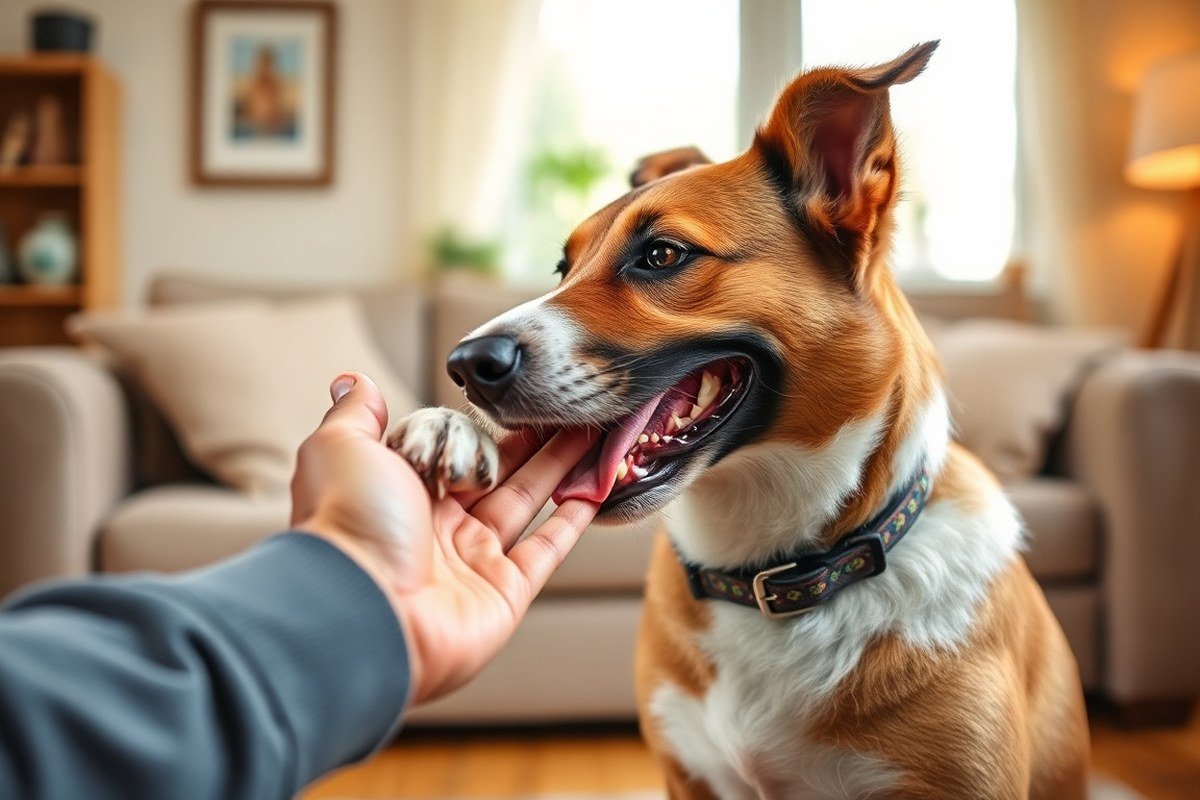
Does My Dog Know I Love Him? 5 Proven Signs and Ways to Strengthen Your Bond
Does my dog know I love him? Yes. Dogs pick up on your tone, body language, and consistent care, which helps them feel your affection. Your calm presence and regular positive interactions make your love clear to your dog. Start showing love with simple but meaningful actions like gentle petting and eye contact, which your dog interprets as signs of safety and warmth.
Key Takeaways
- The excited welcome your dog gives you when you return shows he genuinely misses you.
- Dogs can learn around 165 words, so using consistent verbal cues helps convey your feelings.
- About 20% of dogs respond more to praise than food, making positive reinforcement key.
- A full-body lean against your leg is a strong sign your dog trusts and loves you.
- Frequent gentle touch and calm eye contact communicate affection effectively to your dog.
- Recognize that a dog’s response to your love can be influenced by genetics and personality.
1. Does My Dog Truly Know I Love Him?
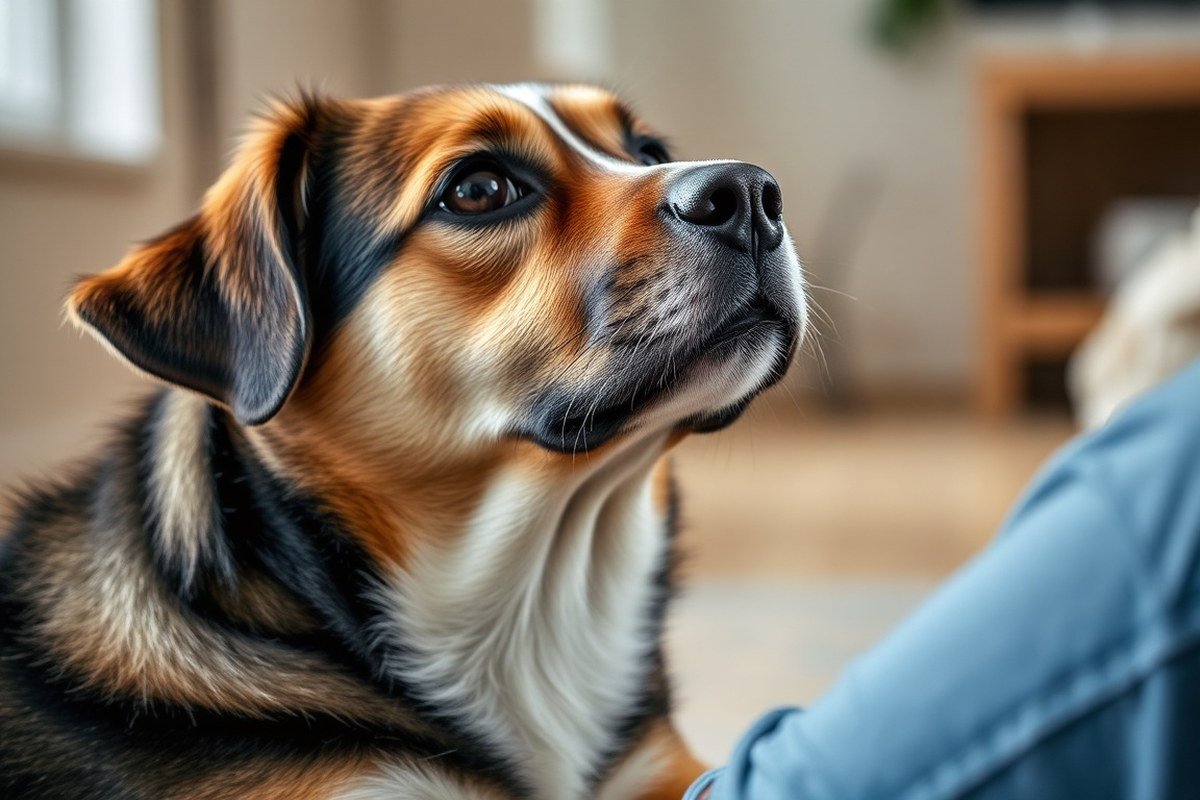
Dogs sense love through emotions and physical cues rather than the complex concepts humans use. They don’t comprehend love as an abstract idea but recognize affection through tone of voice, gentle touch, and eye contact. For example, when you speak softly or pet your dog calmly, these actions trigger positive feelings that your dog associates with your care and presence. Dogs’ ability to understand human emotions mainly comes from their sensitivity to facial expressions and vocal intonations, allowing them to respond to your mood and build trust with you.
Scientific studies provide solid evidence that dogs and their owners share a unique emotional bond centered on the hormone oxytocin, often called the “love hormone.” When you and your dog gaze into each other’s eyes or cuddle, oxytocin levels rise in both of you, strengthening your bond. Research published in Frontiers in Psychology showed that oxytocin release is linked with affectionate behaviors and mutual bonding between dogs and their owners. This hormone works similarly to how it strengthens bonds between mothers and infants, improving feelings of security and attachment.
Understanding this oxytocin connection explains exactly How to deepen your relationship with your dog. Simple activities like making gentle eye contact, speaking softly, and petting your dog frequently will stimulate oxytocin production and make your dog feel truly loved. Sharing treats during these moments also reinforces positive associations. The oxytocin boost costs nothing but the time and attention you give your dog daily. The result is a more connected, trusting, and relaxed pet who senses your affection even without words.
Dogs also comprehend many human words, on average about 165, especially when combined with emotional tone and body language. Still, they don’t process love through language like humans do but through consistent, affectionate actions backed by positive emotions. This mix of hormonal chemistry, keen observation skills, and communication cues explains why your dog responds happily to your love, even if it’s an experience different from your own.
2. 5 Clear Signs Your Dog Loves You Back
Your dog shows love through specific behaviors and body language that you can learn to recognize. For example, a soft gaze directed at you often signals affection, but pay attention if your dog pins its ears back or turns away, which might mean discomfort rather than love. Dogs express their feelings differently depending on their personality, breed, and age, so sometimes the signs are subtle but still genuine. Here’s a checklist of Clear signs your dog loves you back:
- Wagging tail that’s relaxed and sweeping, not stiff or rapid
- Leaning into you or nudging your hand for petting
- Following you around the house or resting nearby
- Exuberant greeting when you arrive home, even after a short time apart
- Bringing you toys or sharing belongings as a gift
Look for a combination of these signs rather than just one. For dogs with quieter personalities or older dogs, love might show in calm, close presence rather than active excitement. Breeds vary too; some express affection more physically, like cuddling or licking, while others may bond through mutual activities and eye contact.
Dogs can also show love differently based on their past experiences and temperament. A shy dog might avoid direct eye contact but still demonstrate attachment by choosing your company. Watching for relaxed body posture and seeking interaction often makes a reliable decision rule to interpret love, even in subtle cases.
3. How to Communicate Love Effectively to Your Dog
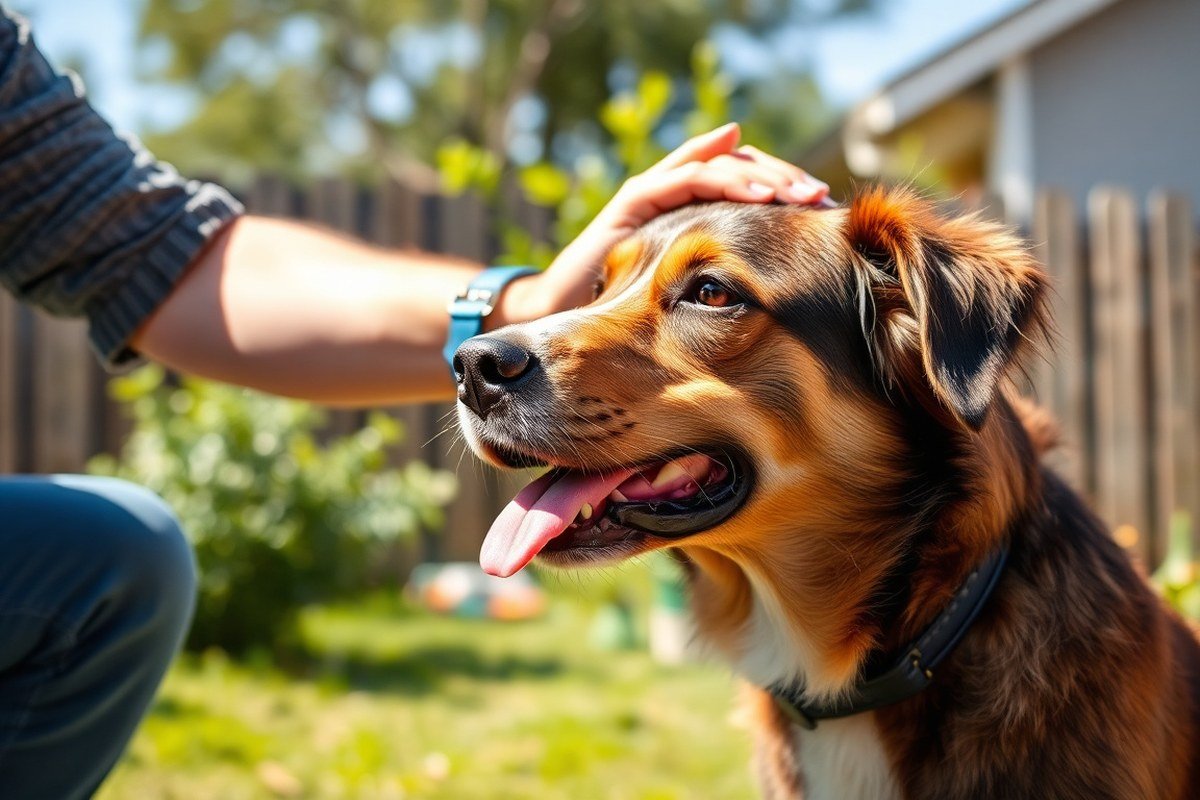
Communicating love effectively to your dog means using their language: physical touch, consistent care, and positive reinforcement. Dogs respond best when you adapt affection to their preferences, like gentle belly rubs or ear scratches, rather than assuming kisses or loud praise work for every dog. Building trust with calm tones and clear rewards helps your dog feel safe and cherished. Spending quality time matters more than gifts or toys, as your presence reassures them of your care. Here is a step-by-step guide to express love clearly to your dog:
- Observe your dog’s preferences by noticing which types of touch calm or excite them. Some dogs love belly rubs, while others prefer short pets on the chest or behind the ears.
- Use gentle physical affection like soft petting or scratching during quiet moments. Avoid forceful or sudden moves that may stress them out.
- Speak in a calm, warm voice to offer verbal praise along with physical touch. Dogs learn to associate your tone with kindness and love over days or weeks.
- Practice positive reinforcement by rewarding good behavior promptly with treats or affection, strengthening your bond and their understanding of your care.
- Spend regular quality time together through walks, play, or simply sitting nearby. Your presence is more valuable than toys or gifts.
- Respect their space when they seek distance; love includes knowing when to give a dog room for comfort and relaxation.
- Repeat these actions consistently over days and weeks since dogs recognize and respond most to steady behavior.
| Type of Affection | How it Communicates Love | Best When |
|---|---|---|
| Physical Touch | Shows closeness and trust by direct contact | During calm, relaxed moments or playtime |
| Verbal Praise | Builds connection through tone and reassurance | Rewarding obedience or gentle interaction |
| Quality Time | Strengthens bond by shared experiences | Daily walks and play sessions |
In most cases, dogs begin to feel loved within a few days of consistent positive interactions that combine touch, voice, and presence. Avoid confusing them by mixing affection with scolding to keep love associations clear. Tailoring your approach to what your dog enjoys ensures your love reaches them in a way they understand and cherish.
4. Common Mistakes and How to Avoid Confusing Your Dog
Showing love to your dog in ways they don’t understand can cause confusion or stress. Dogs don’t respond well to certain human displays of affection like prolonged hugging or intense eye contact, which might feel threatening or uncomfortable to them. Recognizing the signs your dog feels stressed, such as lip licking, yawning, turning their head away, or stiff body posture, is key to adjusting your approach. If your dog seems indifferent or pulls away, it’s a signal to change how you express affection. Here are common mistakes owners make when showing love to their dogs and how to fix them:
- Over-hugging or tight embraces: Instead, try gentle petting or soft ear rubs to show affection without causing discomfort.
- Staring directly into your dog’s eyes: Use a softer gaze or blink slowly to avoid intimidating your dog.
- Forcing cuddles: Allow your dog to come to you for snuggles; respect their personal space.
- Loud, excited voices or sudden movements: Speak calmly and move slowly to keep your dog relaxed.
- Ignoring signs of stress or avoidance: Pay attention to body language and stop or change your behavior if your dog looks uneasy.
Adjusting your affection style can take time. Watch how your dog responds to gentle touches like belly rubs or brushing sessions, which often signal love without overwhelming them. Love is a two-way street; learning your dog’s comfort signals will help both of you build a trusting and affectionate relationship.
5. How Genetics and Personality Affect Your Dog’s Way of Loving
Genetics play a key role in shaping how dogs bond with their owners, with specific genes linked to social behavior. Dogs share two important genes, GTF2I and GTF2IRD1, that influence their sociality, helping explain why dogs are naturally drawn to forming attachments with humans. This genetic wiring affects how they express affection, from seeking eye contact to licking, which signals trust and acceptance within their “pack.”
Breed and age also impact your dog’s way of showing love. Some breeds, like golden retrievers and labradors, are genetically predisposed to be more social and affectionate, often seeking physical closeness and repeated interaction. Other breeds, such as some terriers or hounds, may be more independent, showing love through quieter behaviors like following you around or staying nearby without constant eye contact. Puppies and young dogs tend to be more openly affectionate, while older dogs may show love through gentler, less active gestures such as leaning against you or resting nearby.
Personality adds another layer to how love is expressed. Just like people, each dog has unique preferences, some are cuddly and love being held, while others show attachment through play or simply staying close. Extroverted dogs may seek out your attention often, while introverted dogs might demonstrate love by quietly observing and responding to your mood to keep the peace. Recognizing your dog’s individual style helps you connect better and respond appropriately to their affection. The table below compares typical tendencies by breed and personality type:
| Breed/Personality | Common Love Signals | Best Interaction Approach |
|---|---|---|
| Golden Retriever (Social) | Frequent licking, eye contact, physical closeness | Petting, playing, frequent verbal praise |
| Terrier (Independent) | Following, quiet presence, short bursts of play | Respect for space, occasional play, gentle encouragement |
| Puppy (Youthful) | Excited greeting, licking, jumping | Consistent affection, training, safe boundaries |
| Older Dog (Calm) | Leaning, slower movement, resting near owner | Gentle petting, quiet companionship, low-key interaction |
| Extroverted Personality | Active seeking of attention, vocalizing | Engagement with toys, frequent petting |
| Introverted Personality | Observing, staying close but calm | Low stimulation, soft voice, undemanding affection |
Following your dog’s lead based on their genetics and personality fosters a stronger bond. Tailoring your affection to their style shows love in a way your dog naturally understands, which deepens mutual trust and happiness over time.
Your First 2 Weeks: A Quick-Start Plan to Show Love to Your Dog
Start building a stronger bond with your dog today by focusing on clear, consistent signs of affection and understanding your dog’s responses.
- Day 1: Spend 10 minutes sitting quietly with your dog, offering gentle petting in favorite spots like the chest or behind the ears. Watch for relaxed body language and soft eyes, signs your dog feels safe and loved.
- Days 2-3: Use a calm, warm tone whenever you talk to your dog, pairing your words with eye contact. When your dog looks back at you and wags their tail gently, it means they recognize your loving tone.
- Week 1: Introduce short play sessions with your dog’s favorite toy to create positive shared experiences. Notice if your dog initiates play or returns the toy, indicating affection and engagement.
- Week 1: Establish a consistent daily routine for feeding, walks, and rest. Your dog will show increased trust and relaxed behavior if they feel secure in this predictable schedule.
- Week 2: Reward calm behavior and gentle approaches with treats and praise. When your dog seeks your attention or leans against you, they are recognizing your affection and reassurance.
- After 2 Weeks: Observe if your dog brings you toys, follows you around, or rests near you without prompting. These are clear signs your dog understands and reciprocates your love.
- Continuously: Avoid confusing actions like frequent yelling or sudden changes in routine, as these can interfere with your dog feeling secure and loved.
Frequently Asked Questions
How Do Dogs Sense My Emotions of Love?
Dogs are highly attuned to your body language and tone, letting them sense when you feel affectionate or calm around them. They respond to consistent positive signals which helps them feel secure and loved.
Can My Dog Feel Jealous of My Attention to Others?
Yes, dogs can show jealousy when they see you giving attention to others, indicating they value your bond. Avoid stressing your dog by ensuring they get individual quality time regularly.
Do Certain Dog Breeds Show Love Differently?
Breed traits influence how dogs express affection; some are more demonstrative, while others show love subtly through quiet companionship. Understanding your dog’s breed traits helps you recognize their unique ways of bonding.
Is It Possible to Spoil My Dog with Too Much Affection?
Overdoing physical affection can cause stress or overstimulation for some dogs, especially those more independent by nature. Balance affection with respecting your dog’s boundaries to maintain a healthy relationship.
What Role Does Routine Play in Showing Love to My Dog?
Maintaining a consistent daily routine with feeding, walks, and playtime comforts dogs and strengthens your bond. Predictable structure helps your dog feel safe and cared for as part of your love.
The Bottom Line
Dogs sense love through your actions as much as your words. Showing consistent affection, paying attention to how your dog responds, and respecting their unique personality helps your bond grow stronger every day. Reach out to a professional trainer if you notice signs of stress or confusion to ensure your dog feels truly loved and secure.