Why Is My Dog Limping? Clear Answers and Steps for Effective Care
Why is my dog limping? Limping generally signals pain or discomfort in a leg or paw, often caused by injury, strain, or an underlying condition. Monitoring your dog closely for 24 hours is safe if they still put some weight on the limb. Early rest and careful observation can help determine if veterinary care is needed.
Key Takeaways
- Monitor new limping for 24 hours if your dog still bears weight on the affected leg before seeking vet care.
- Limping lasting more than 24 hours usually indicates a problem beyond a minor strain or bruise.
- Rest your dog with leash-only walks and check the paw for cuts or foreign objects during the monitoring period.
- Apply a cold compress to reduce mild swelling associated with limping from sprains or strains.
- Persistent or worsening limping after 24 hours requires urgent veterinary evaluation to identify and treat the cause.
- Watch for signs like firm swelling over bones or muscle loss in older, large-breed dogs, which need quicker vet attention.
Common Causes of Dog Limping and What They Mean
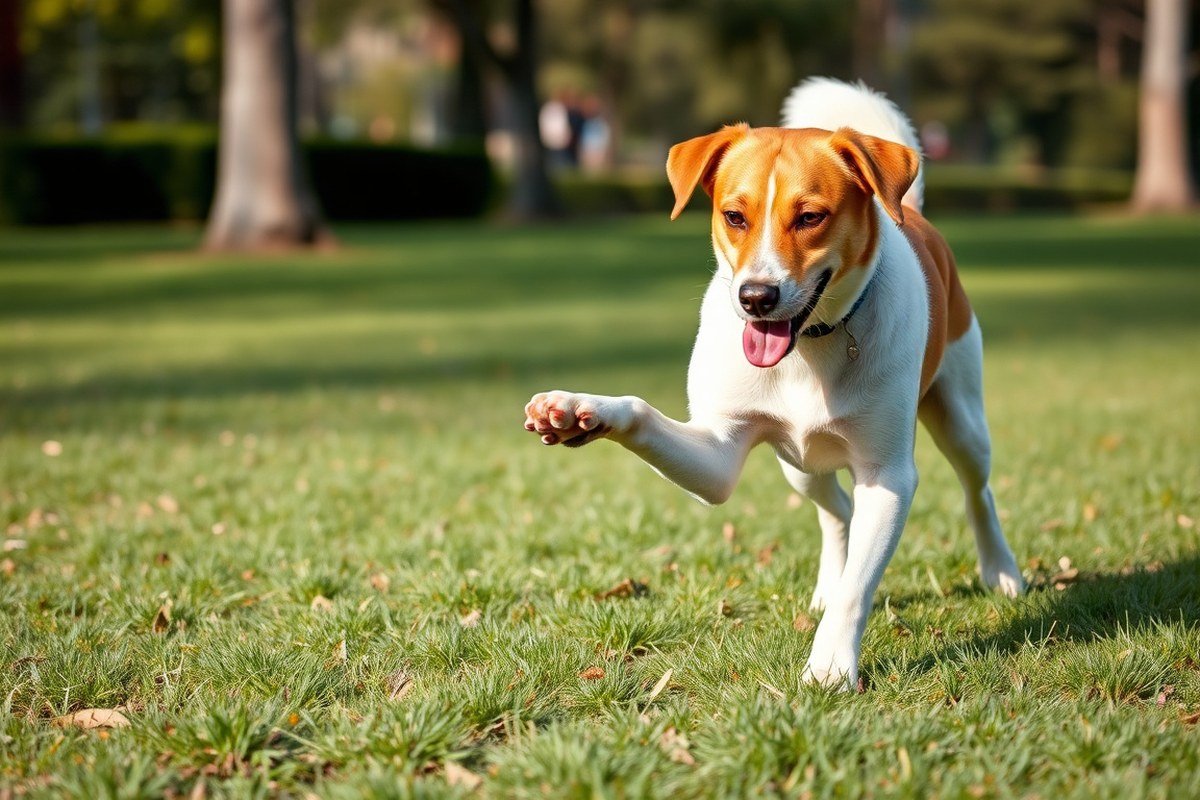
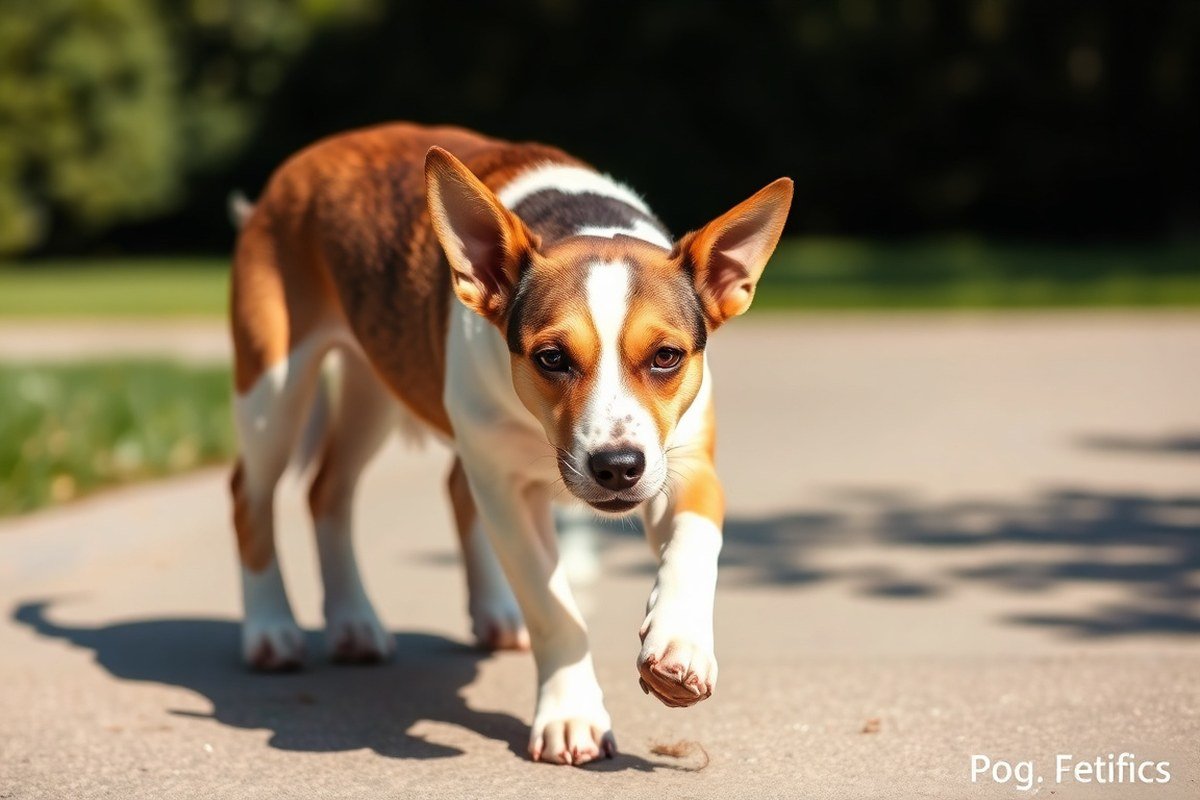
Sudden limping often points to an injury like a torn nail, paw pad cut, or muscle strain. These incidents generally happen from activities such as running, jumping, or slipping. You may notice your dog quickly lifting the paw or avoiding putting weight on it. Injuries can occur in any leg but symptoms vary depending on whether the front or back leg is affected. For example, a front leg limp usually causes the dog’s head to bob up and down while the sore leg touches the ground. In a back leg limp, your dog might hop on both rear legs or struggle to rise and jump normally.
Gradual limping is more likely caused by chronic conditions such as arthritis or joint disorders. Large breed puppies may show signs of elbow dysplasia or shoulder osteochondritis dissecans (OCD) before two years of age, resulting in shifting soreness and limping. For small breeds, luxating patella often leads to intermittent limping in the back legs. Hip dysplasia and cranial cruciate ligament (CCL) tears frequently cause limping on a back leg in adult dogs. These issues often worsen over weeks and cause stiffness, decreased activity, and trouble putting full weight on the leg.
How the limp feels and looks differs by which leg is involved and your dog’s age. Front leg limping often stems from paw injuries or sprains, while back leg limping relates to knee or hip problems like CCL tears or muscle strains in the groin area. Knowing whether your dog is limping on a front or back leg helps your vet focus on the right joints and muscles for examination and testing. Observing whether the limping started suddenly or developed slowly also guides decisions about diagnostic imaging or blood tests.
How to Check Your Dog at Home for Limping Causes
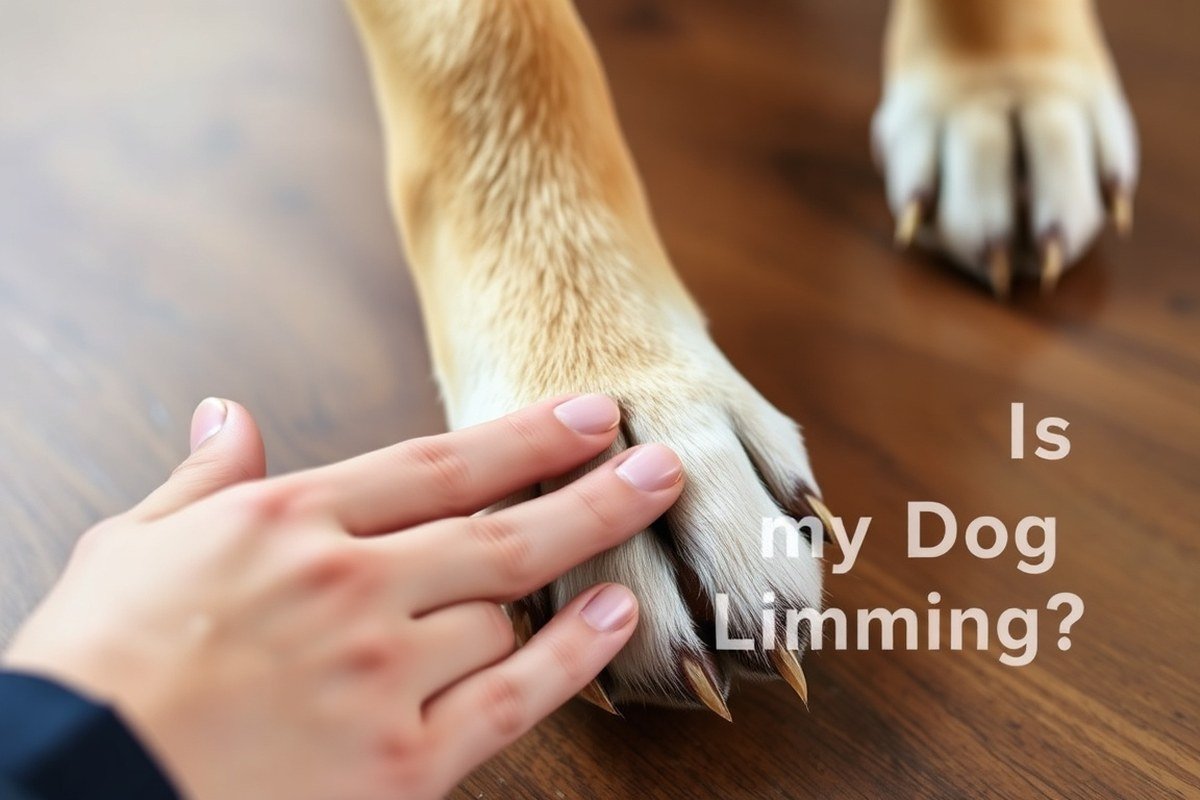
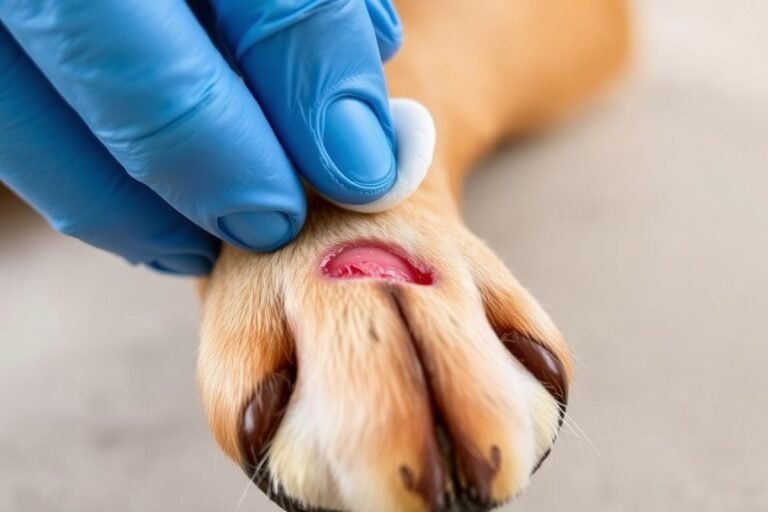
Start by calmly restraining your dog in a comfortable position to avoid sudden movements. Use gentle touch to check the paws and legs one at a time. Inspect for cuts, swelling, redness, warmth, or foreign objects like thorns or gravel stuck between the toes. These signs can immediately explain sudden limping.
Next, carefully look at the nails to see if any are cracked or broken, which can cause discomfort when walking. Feel along the leg and foot for swelling or lumps. Check for any signs of heat by comparing both limbs with your hand. Avoid applying too much pressure as this may cause pain or distress.
- Look for visible wounds, cuts, or torn nails on pads and toes.
- Check for swelling, redness, or warmth indicating inflammation or infection.
- Examine between the toes for objects like splinters, grass seeds, or debris.
- Gently palpate the limb to spot tender areas, lumps, or joint instability.
- Observe your dog’s willingness to bear weight or move the leg naturally.
- Note any limping changes when your dog walks or stands up from rest.
Carry out the exam in a quiet, well-lit place, pausing if your dog appears uneasy. Bleeding, major swelling, dragging the leg, or refusing to bear weight means you should get a vet’s help right away. After looking over the hurt leg, cut back on your dog’s physical activity for one to two days to avoid worsening the injury. When no clear injury shows but limping goes on, schedule a vet appointment within a few days to check for hidden problems like arthritis or soft tissue issues.
When Can You Monitor Limping at Home and When to Seek Help
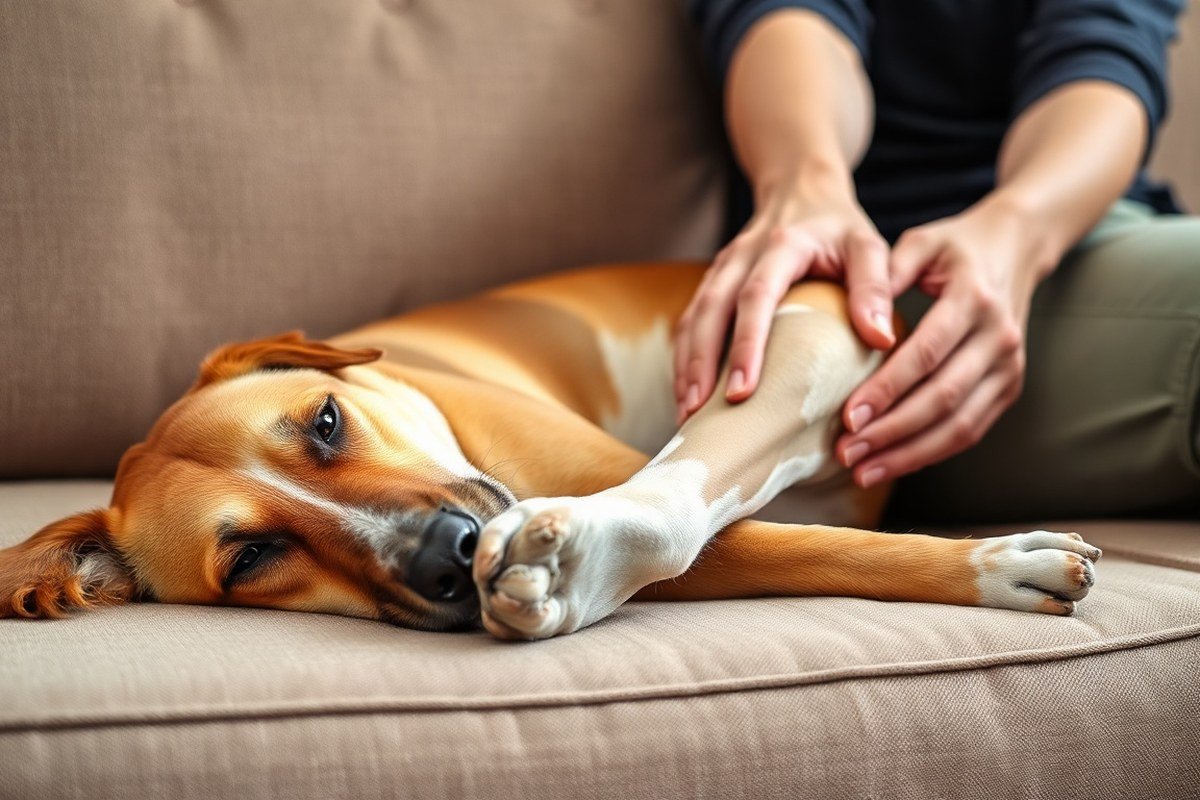
Monitor your dog’s limp for up to 24 hours if it’s new and mild, especially if they still put weight on the leg and otherwise seem comfortable. Rest your dog and keep activity low during this time. When a limp does not improve or gets worse within 24 hours, you should book a veterinary appointment. Immediate vet care is needed when the limp is severe, sudden, or accompanied by other worrying symptoms. Prompt action can prevent complications and reduce your dog’s pain.
| Limp Situation | What to Do | When to See a Vet |
|---|---|---|
| New, mild limp, dog bears weight, no other symptoms | Restrict activity, monitor for 24 hours | Should the limp continue past 24 hours or become more severe, seek veterinary care. |
| Severe limp with no other concerning symptoms | Check foot pads for injury, rest dog | Seek vet care if limp does not improve quickly or pain is obvious |
| Limp lasting several days without improvement | Schedule veterinary exam for diagnosis and treatment | Immediately after 24 hours of persistent limping |
| Limp combined with other symptoms (swelling, severe pain, lethargy, inability to stand) | Do not wait, contact vet or emergency clinic | Immediately, emergency care recommended |
Watch out for signs like your dog refusing to place any weight on the limb, obvious swelling, bleeding, or changes in behaviour such as hiding or whining. These require urgent veterinary attention. Mild limping from minor strains or bruises often improves quickly with rest. Persistent or severe limping can indicate ligament injuries, fractures, or infections that need prompt treatment. Acting quickly when you notice serious signs can reduce pain and improve recovery.
Safe Home Treatments and What to Avoid for Limping Dogs
Rest is the most important step when your dog starts limping. Limit their activity by keeping them calm and restricting running or jumping. Ideally, confine your dog to a small, comfortable area or use a crate for 24-48 hours. This helps reduce strain on the injured limb and gives minor soft tissue injuries a chance to heal. Check their limp after this rest period; if it persists or worsens, veterinary attention is necessary.
Applying a cold compress can reduce swelling and pain in the first 24-48 hours. Wrap ice packs or frozen peas in a thin towel before gently placing them on the affected area for 10 to 15 minutes at a time. Do this two to three times a day. Avoid applying ice directly to the skin, which can cause frostbite. Heat therapy is not recommended during the initial painful phase as it may worsen inflammation.
- Do let your dog rest and limit activity early on.
- Do apply cold compresses for short periods to reduce swelling.
- Do monitor your dog’s behaviour and appetite for changes.
- Don’t use human pain relievers like ibuprofen or acetaminophen; they are toxic to dogs.
- Don’t massage or manipulate the injured leg aggressively.
- Don’t allow your dog to jump on or off furniture until cleared by a vet.
- Don’t ignore a limp that lasts more than 48 hours or gets worse.
Avoid giving any medications that haven’t been prescribed by your veterinarian. Over-the-counter pain relievers intended for humans can cause serious side effects in dogs. Also, don’t rush to wrap or bandage the leg yourself unless instructed by your vet, as improper bandaging can cause additional injury or circulation problems. If the limp is due to a chronic condition, follow your veterinarian’s guidelines closely for therapies such as cold laser treatments or prescribed supplements. Early, cautious home care can ease discomfort and prevent further damage until your dog can get medical evaluation.
How Veterinarians Diagnose the Cause of Limping in Dogs
Your veterinarian will begin diagnosing your dog’s limping with a thorough physical exam. They check all your dog’s legs and joints for swelling, pain, stability, or unusual movement. Since dogs often hide pain, this exam includes specific orthopedic tests to isolate which part hurts or feels weak.
To pinpoint the cause, your vet may order imaging tests like X-rays. X-rays help reveal fractures, joint issues, or bone changes that could cause limping. For more detailed views, especially of soft tissues, a CT scan or MRI might be recommended. These scans are more costly, often several hundred to over a thousand dollars, and usually require sedation.
Blood tests are common to check for infections, inflammation, or underlying diseases that might cause limping. If joint disease or infection is suspected, your vet might extract joint fluid to analyze it. This helps confirm problems like arthritis or septic arthritis, guiding appropriate treatment plans.
After gathering exam and test results, your vet tailors a treatment. This might include medication to reduce pain or inflammation or, if needed, surgery to repair severe injuries. A carefully developed plan aims to relieve your dog’s discomfort and restore normal movement, adjusting based on your dog’s overall health and the limping cause.
The diagnostic process varies by situation. For example, a sudden limp after trauma often needs an X-ray immediately, while chronic limping might require more blood work and advanced imaging over time. Expect this process to take at least one veterinary visit, with additional appointments for tests or treatment follow-ups.
Treatment Options and Typical Costs for Limping Dogs
Treatment options for a limping dog depend on the cause and severity of the issue. Some dogs may only need rest and temporary pain relief with veterinarian-prescribed medications such as anti-inflammatories or painkillers. Avoid giving human pain medication to dogs, as many are toxic. Physical therapy, including controlled strengthening exercises, underwater treadmill sessions, and laser therapy, can reduce pain and improve mobility, especially for dogs recovering from surgery or managing arthritis. Physical rehabilitation costs generally range from $50 to $150 per session, depending on the clinic and treatment complexity.
Surgery might be necessary for fractures, torn ligaments, or serious joint problems. Surgical costs vary widely; simple procedures like removing a bone chip might cost $500 to $1,000, while complex ligament repairs or joint surgeries can reach $2,000 to $5,000 or more. Post-surgery, physical therapy speeds recovery and helps maintain mobility, adding to total expenses but improving outcomes.
Joint supplements and weight management also play important roles in managing chronic conditions causing limping, such as arthritis. While supplements typically cost $20 to $50 per month, they aid in reducing inflammation and maintaining joint health. The total cost of treating a limping dog varies greatly depending on the diagnosis, treatment length, and whether surgery and rehabilitation are required. Early intervention often leads to better results and can help prevent worsening issues that would increase medical bills over time.
Supportive Therapies and Supplements to Aid Recovery
Supportive therapies and supplements can significantly aid your dog’s recovery from limping by reducing pain and improving joint function. Common joint supplements include glucosamine, chondroitin, and omega-3 fatty acids. These ingredients help maintain cartilage health and reduce inflammation, which can relieve discomfort and support better mobility over time. Many veterinarians recommend starting these supplements as part of a staged recovery plan that typically lasts 8 to 12 weeks.
In addition to supplements, your vet may suggest medications such as NSAIDs like Galliprant to manage pain and inflammation, especially in cases involving osteoarthritis. These medications can be used both short-term during acute flare-ups and long-term to maintain comfort. Monthly monoclonal antibody injections are another option for dogs suffering chronic joint pain. Always discuss these treatments with your vet to create a tailored plan that fits your dog’s specific needs.
Rehabilitation techniques like controlled physical therapy, swimming, or gentle leash walks help strengthen muscles without overloading painful joints. Avoid strenuous exercise during recovery, as it can worsen limping or delay healing. Gradually increase activity based on your dog’s tolerance and vet’s advice. Monitoring your dog’s limp regularly helps catch any signs of returning pain or worsening condition early.
Keep in mind that limping sometimes returns or worsens, especially if underlying issues like arthritis are not managed consistently. Weight management plays an important role in reducing stress on joints and preventing recurrence. The cost of supplements and therapies varies but expect to spend between $30 to $70 per month for quality joint supplements, plus potential vet visits for medications or rehabilitation sessions. This investment can improve your dog’s quality of life by facilitating smoother, less painful movement.
Preventing Future Limping and Maintaining Your Dog’s Leg Health
Preventing future limping episodes in your dog means focusing on healthy joints and muscles, especially as they age. Older dogs often develop arthritis or hip dysplasia, which leads to gradual limping and slower recovery. Keeping your dog at a healthy weight lowers stress on the legs, reducing risks of limping related to joint wear or injury.
Exercise plays a key role in leg health, but it must match your dog’s age and condition. Controlled, low-impact activities like walking, swimming, or gentle play preserve muscle strength without stressing joints. Avoid sudden, intense exercise or rough terrain that could cause injuries or worsen existing problems.
Tracking recovery at home helps you notice improvements or warning signs early. Measure progress by observing how often your dog uses the affected leg, any changes in limping severity, and interest in exercise or play. Keeping a daily log of these observations can guide decisions about visits to your vet.
- Maintain a regular, gentle exercise schedule gradually increased over weeks
- Feed a balanced diet and monitor weight to prevent obesity
- Provide soft bedding and avoid slippery floors to reduce strain and falls
- Schedule routine veterinary checkups focusing on joint health, especially after age 7
- Use ramps or stairs to help older dogs avoid jumping
- Consider veterinary-approved joint supplements as recommended
- Limit high-impact activities if your dog shows early signs of limping
Costs for preventive care vary but can range from $30 monthly for supplements to $50-$150 per preventive vet visit, depending on your location. Early prevention and careful monitoring usually result in less severe limping episodes and better quality of life. Missing signs of worsening limping can lead to long recovery times or chronic limp issues that require more intensive, costly treatment.
Step-by-Step Action Plan for Your Limping Dog
Follow these steps to manage your dog’s limp safely and help them heal while knowing when to get professional care.
- Immediately after noticing the limp: Limit your dog’s activity and check the limp leg carefully for swelling, wounds, or pain. Your dog reacts strongly or shows clear injury: make a vet appointment.
- Within the first 24 hours: Apply a cold compress to the affected leg for 10 to 15 minutes, three times a day to reduce swelling. Watch if the limp improves or if your dog starts putting weight on the leg.
- Day 2 to 3: Continue rest and avoid running or jumping. The limp has lessened but remains: keep up home care; though if it gets worse, contact your vet right away.
- End of the first week: Assess mobility by allowing short, controlled walks. The limp has disappeared or nearly so: slowly ramp up activity over the coming week.
- After 1 week of improvement: Start light exercise like gentle walks on soft surfaces and observe your dog’s comfort during and after activity. Stop if limping returns.
- Limp lasts more than 10 days or gets worse anytime: Book a vet exam for diagnosis and specific treatment.
- Following veterinary advice: Administer prescribed medications and follow rehabilitation exercises or therapy recommendations exactly to support healing and prevent recurrence.
Frequently Asked Questions
What Are Some Unusual Causes of Limping in Dogs?
Unusual causes include nerve injuries, autoimmune disorders, or bone cancer, which are less obvious without vet diagnosis. Seeing a vet helps identify these conditions early to improve treatment outcomes.
Can Limping Occur Without Visible Injury or Swelling?
Yes, limping can happen due to internal issues like arthritis or joint pain without obvious swelling. Monitor your dog’s mobility and consult a vet if limping doesn’t improve in 24 hours.
Why Does My Dog Limp Only After Exercise?
Post-exercise limping often indicates muscle strain or joint stiffness from overactivity. Rest and limited exercise help, but persistent limping after activity needs vet evaluation.
Can Limping Be a Sign of a Systemic Illness?
Limping can signal systemic problems like infection or inflammation affecting joints. Watch for other symptoms like fever or lethargy and seek vet care if limping persists.
Is Limping More Common in Certain Dog Breeds?
Some breeds are prone to hip dysplasia or joint issues causing limping, like German Shepherds and Labradors. Breed history helps vets focus diagnostics and treatment plans.
Final Thoughts
Determining why your dog is limping involves observing symptoms carefully and acting promptly to protect their comfort and mobility. Begin with rest and simple care, but seek veterinary help if symptoms worsen or don’t improve within a week. Taking these steps helps you support your dog’s recovery and keeps their legs healthy for future activity.