Why Is My Dog Drinking so Much Water? A Complete Guide to Causes and When to Act
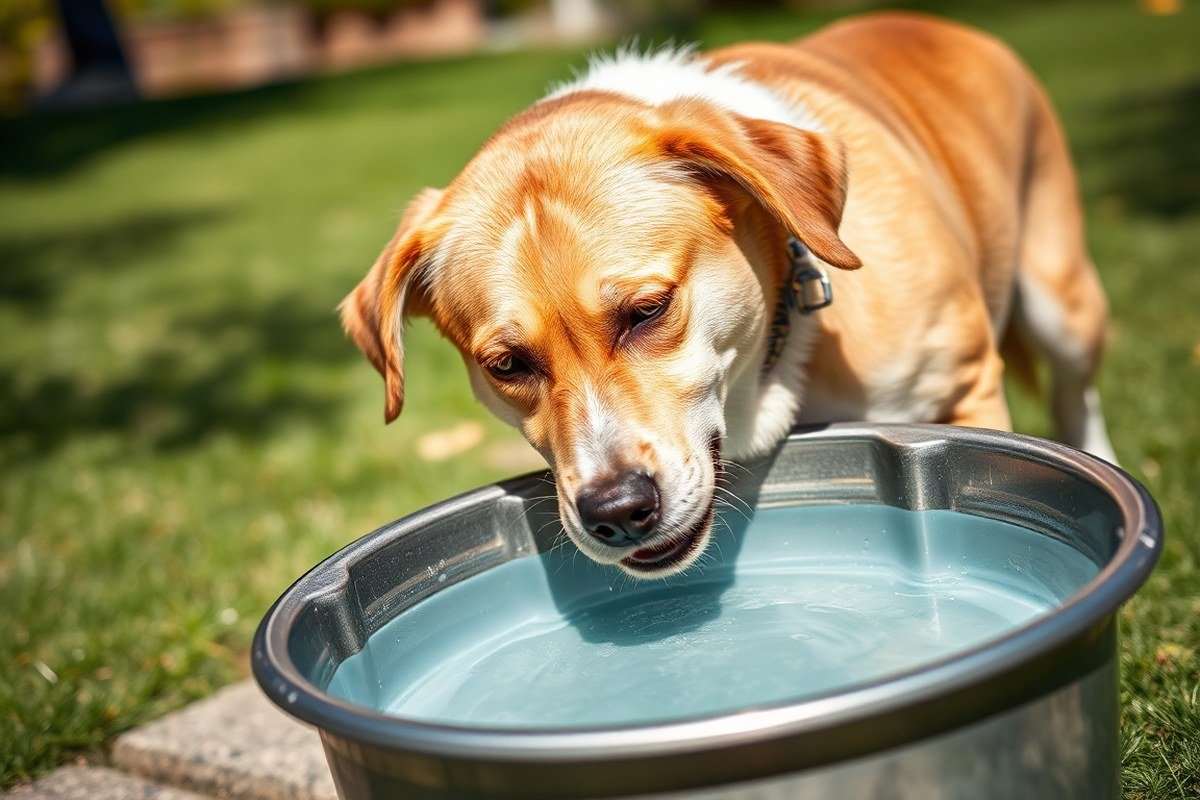
Why is my dog drinking so much water? Excessive thirst in dogs can indicate harmless lifestyle factors or signal a medical issue that needs attention. Tracking your dog’s daily water intake by measuring the water you add to their bowl helps identify if drinking exceeds healthy limits. Noting consistent increases can guide your vet in diagnosing or ruling out health problems early.
Key Takeaways
- Excessive water intake is more than 100 ml per kilogram of your dog’s weight in 24 hours.
- Active dogs, puppies, and nursing mothers naturally drink more due to higher hydration needs.
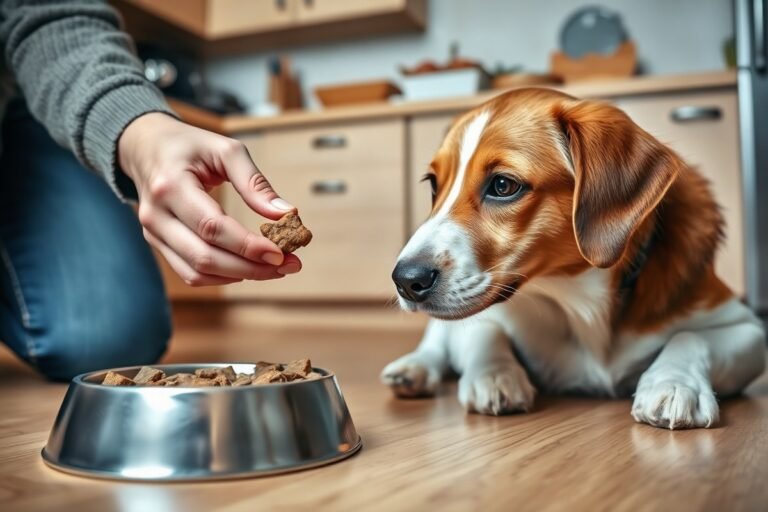
- A dog on dry kibble typically drinks more water than one eating canned food, which is 70-80% water.
- Measure water added to the bowl daily and record intake over 2-3 days for accurate monitoring.
- Medication side effects can temporarily increase thirst during the first 1-2 weeks of use.
- Sudden or persistent increases in drinking warrant a vet consult to exclude medical conditions.
How to Tell If Your Dog Is Drinking Excessive Water
Dogs usually drink under 100 milliliters (ml) of water per kilogram (kg) of body weight daily, which is about 1.5 ounces per pound. Recognizing this limit helps you notice when your dog is drinking too much. For instance, a 50-pound dog commonly consumes 25 to 50 ounces (3 to 6 cups) each day. Drinking more than 75 ounces (over 2 liters) could signal a problem with water intake.
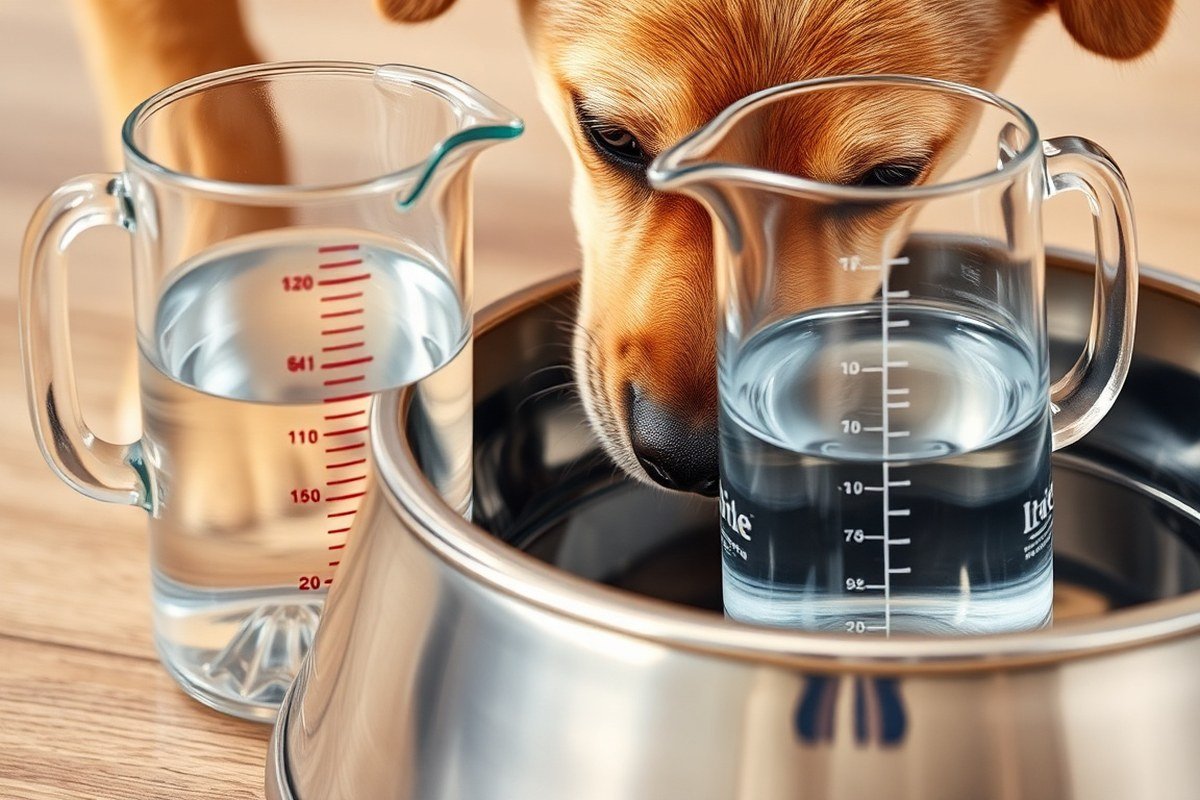
To measure your dog’s water intake accurately, start by weighing your dog to determine their body weight in kilograms (1 pound equals 0.45 kg). Then, use a marked measuring cup or a container with clear volume markings to measure the amount of water you fill their bowl with each time. Track how much water disappears from the bowl over 24 hours. Make sure to account for any water spilled or shared with other pets.
For example, if your dog weighs 40 pounds (about 18 kg) and drinks 2 liters (2000 ml) in 24 hours, calculate the intake per kg by dividing 2000 ml by 18 kg, which equals approximately 111 ml/kg/day. Since this exceeds the 100 ml/kg/day threshold, your dog would be considered to be drinking excessively. You can keep a daily log for at least three to five days to identify any patterns. Persistent intake above the threshold suggests the need for veterinary advice.
Measuring water intake requires basic tools that usually cost under $10, such as a measuring cup and notebook or app for tracking. Consistency matters, you should measure intake during typical days without unusual exercise or heat exposure. Watch out for sudden or sustained increases rather than brief spikes after activity. Keeping accurate records gives you and your vet a clearer picture, helping determine if excessive drinking signals an underlying health problem.
Harmless and Lifestyle Reasons for Increased Thirst
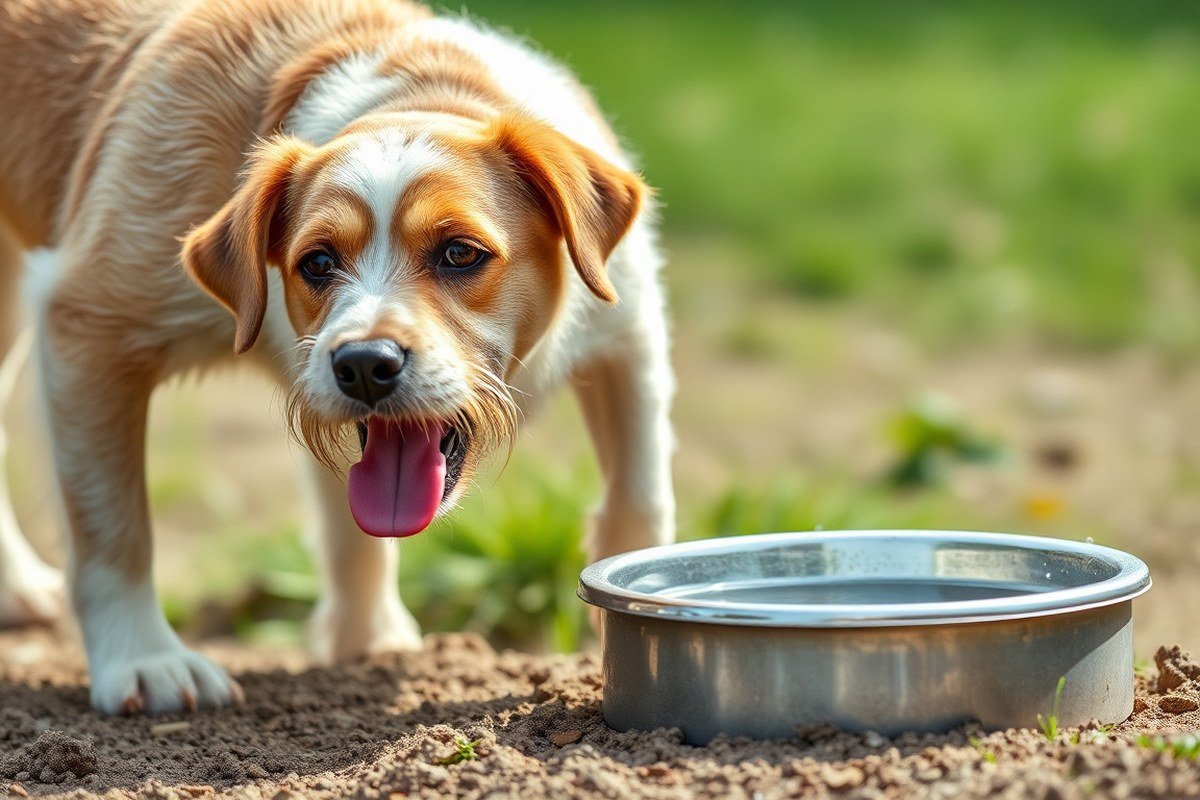
Increased exercise or hot weather can naturally raise your dog’s water intake. Dogs cool themselves mainly by panting, which causes water loss. Your dog will likely drink more after running, playing, or being outside on a warm day above 85°F to replace lost fluids. This is a harmless, adaptive response to heat and activity levels.
Dry kibble diets influence drinking habits because they contain very little moisture, usually around 10%. Dogs eating mostly dry food often compensate by drinking more water compared to those on canned or raw diets, which have 70 to 80 percent water content. When you switch from wet food to dry kibble, your dog’s water needs usually increase, sometimes noticeably.
Puppies and nursing dogs naturally drink more water, partly due to higher metabolism and the energy demands of growth or milk production. For example, nursing mothers may increase water intake by 20 to 30 percent to support milk supply. Similarly, very active or working dogs tend to hydrate more than less active pets. These changes are normal but require tracking adjustments when monitoring daily water consumption.
Certain medications and supplements can cause extra thirst as a side effect. Diuretics, steroids, and some anti-inflammatory drugs are common culprits. Talk with your veterinarian about how your dog’s medication might affect water intake, and keep a close eye on your pet.
After salty treats or meals, your dog might also drink more water to balance salt levels. Keep an eye on how different foods affect your dog’s thirst, especially if you feed table scraps or commercial snacks. This increase usually lasts a few hours, so adjust your water tracking for that period rather than over several days.
Use a checklist of harmless reasons for increased thirst: hot weather, exercise, dry food diet, life stage changes like puppyhood or nursing, salty foods, and medications. When tracking water intake, note these factors in a daily journal or app. For example, if your dog drank 20% more water following a long walk on a warm afternoon, count it as expected. Adjust your monitoring expectations based on activity level, diet, and life stage to avoid unnecessary worry.
Medical Conditions That Cause Excessive Thirst in Dogs
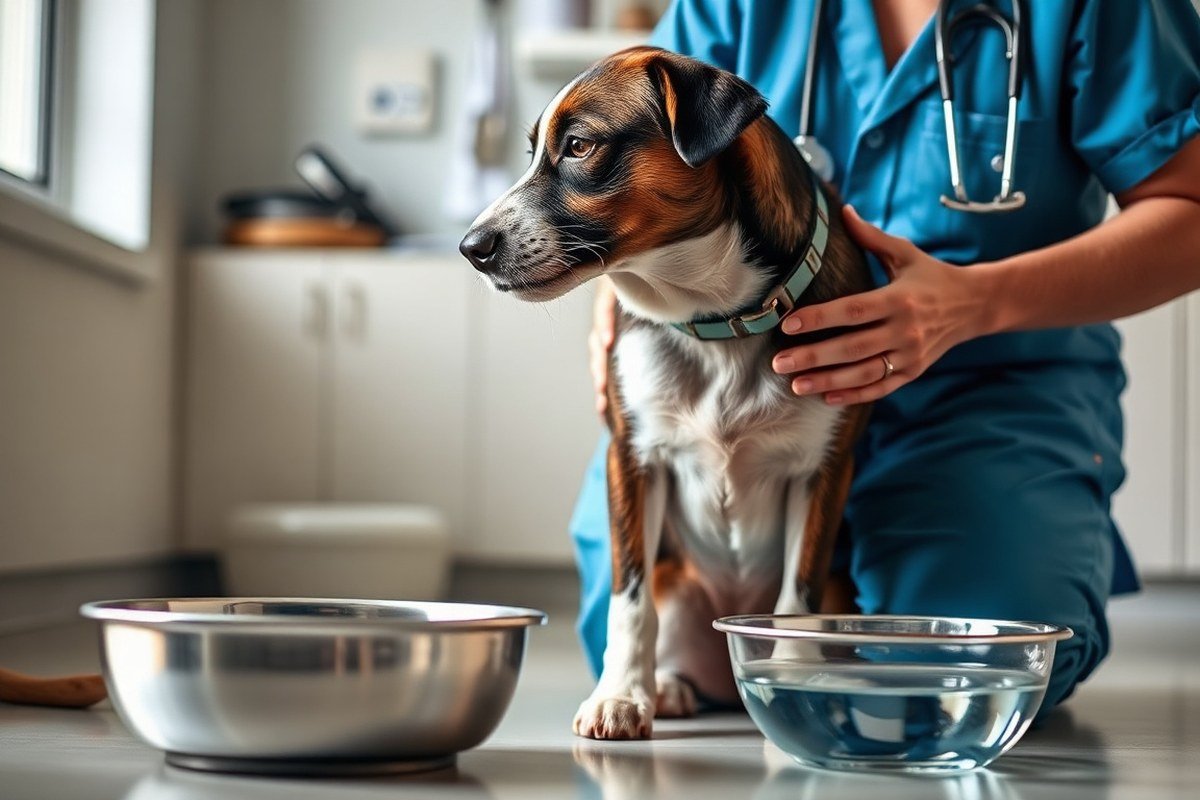
Several serious medical conditions can cause your dog to drink excessive amounts of water. Diabetes mellitus is one of the most common causes, where high blood sugar prompts your dog to pee more often, triggering increased thirst. You might notice your dog eating more but losing weight, and their breath may smell sweet. Testing blood glucose levels confirms this diagnosis and should happen within a few days of noticing symptoms.
Kidney disease, particularly chronic kidney disease (CKD), also leads to increased water intake. Diseased kidneys fail to concentrate urine, so your dog urinates more, then drinks to compensate. Symptoms include dilute urine, weight loss, poor appetite, bad breath, and lethargy. Prompt veterinary assessment with bloodwork and a urine test is necessary, usually within days, to slow disease progression.
Cushing’s disease involves excessive cortisol production. This hormonal imbalance affects kidney function and fluid regulation, causing your dog to drink and urinate a lot. Look for a pot belly, hair loss, panting, increased hunger, and thin skin. Hormone tests from your vet will help diagnose this condition.
Other issues like infections (urinary tract infections, sepsis) or cancers can trigger heavy drinking by causing fever or affecting organ function. Pyometra, a serious infection in unspayed females, causes pus discharge alongside increased thirst. Liver disease (hepatitis, cirrhosis) may also make your dog drink more due to toxin buildup.
Watch for signs that require immediate veterinary attention: vomiting, collapse, severe lethargy, difficulty breathing, bloody urine, or sudden drastic changes in water consumption. These may signal an emergency such as advanced kidney failure, severe infection, or diabetic crisis.
| Condition | Symptoms | Urgency & Vet Action |
|---|---|---|
| Diabetes Mellitus | Increased thirst, frequent urination, weight loss, sweet-smelling breath, increased appetite | Vet visit within days; blood glucose testing |
| Chronic Kidney Disease | Dilute urine, weight loss, poor appetite, bad breath, lethargy | Vet visit within days; bloodwork & urine analysis |
| Cushing’s Disease | Pot belly, hair loss, panting, hunger, thin skin | Vet referral; hormonal evaluation |
| Infections (UTI, Pyometra) | Fever, discharge (pyometra), systemic illness signs | Prompt vet care; possible emergency |
| Liver Disease | Increased thirst with vomiting or jaundice | Vet visit; blood and imaging tests |
What to Expect When You Take Your Dog to the Vet
When you take your dog to the vet for excessive water intake, the appointment begins with a detailed history. Note your dog’s average daily water consumption over 2 to 3 days, any changes in drinking patterns, and related symptoms like vomiting or increased urination. Measuring the water using a standard cup and writing it down provides the vet with accurate data that helps determine if the thirst is truly excessive.
The vet will perform a physical exam focusing on signs such as weight changes, abdominal swelling, or unusual appetite. Routine diagnostic tests typically include blood work, urinalysis, and sometimes hormone panels to look for conditions like Cushing’s disease or diabetes mellitus. In cases where results are unclear but thirst remains excessive, a supervised water deprivation test may distinguish behavioral causes from diseases like diabetes insipidus. This controlled test is done at the clinic under close vet supervision and can take several hours to up to a day.
Costs for initial exams and routine tests usually range from $100 to $300, depending on the clinic and location. Advanced hormonal tests or the water deprivation test can increase expenses, sometimes reaching $400 or more. Insurance coverage and local pricing variation impact these figures. Expect to wait a few days for lab results before the vet can provide a diagnosis and recommend treatment.
Treatment depends on the underlying cause. If a disease like diabetes or Cushing’s is diagnosed, medications, diet changes, or other therapies will be discussed. For less serious or behavioral causes, changes to your dog’s environment or water access might suffice. Preparation with accurate water intake logs and symptom notes speeds up the process, helping the vet deliver targeted care quickly and effectively.
How to Monitor and Manage Excessive Thirst at Home
Start monitoring your dog’s water intake by measuring the amount you put in their bowl at the same time every day. Note the time of day they drink more, since thirst patterns can hint at causes. Keep a simple daily log either on paper or on your phone, recording quantity, timing, and any other behavior like urination frequency or energy levels.
For harmless thirst, such as after exercise or warm weather, manage water access by offering smaller amounts throughout the day rather than unlimited bowls. A Floater bowl or a water fountain with a gauge helps you control and track intake more precisely. Prevent gulping by encouraging pauses between drinks. When your dog drinks more because of anxiety or boredom, giving them interactive toys or taking more walks can help cut down on psychogenic drinking.
Look for warning signs such as lethargy, vomiting, excessive urination, or weight loss. Should these signs appear or the extra thirst continue unexplained for more than a couple of days, contact your vet without delay. Ask your vet for urine analysis or blood tests to rule out medical conditions like diabetes or kidney disease.
When your dog has a diagnosed medical cause, follow your veterinarian’s hydration plan carefully. Avoid withholding water at home unless explicitly instructed, since dehydration can become dangerous quickly. Supportive care might involve scheduled water intake and monitoring related symptoms closely to catch any changes early.
Step-by-Step Action Plan to Manage Your Dog’s Drinking
Follow this plan to track your dog’s water intake and decide when to seek help or adjust their routine.
- Day 1: Measure and record your dog’s current water intake using a marked container. This sets your baseline to spot changes.
- Days 2, 3: Note any changes in diet, activity, or environment that might explain thirst variations. No change in intake may hint at a medical issue.
- Week 1: Check for other symptoms like lethargy, vomiting, or frequent urination. These signs mean a vet visit is needed.
- Week 1, 2: Adjust access to water slightly but never restrict it completely. See if reduced access changes thirst or causes stress.
- Week 2: If your dog’s drinking remains unusually high without lifestyle causes, schedule a veterinary exam. Bring your intake records.
- After the vet visit: Follow your vet’s recommendations, which may include diagnostic tests or treatment. Track your dog’s response carefully.
- Ongoing: Continue documenting water intake and behavior. Promptly report any worsening or new symptoms to your vet.
Frequently Asked Questions
Why Is My Dog Drinking so Much Water All of a Sudden?
A sudden increase in your dog’s water intake can signal an underlying health issue or a change in their environment or diet. Keep track of any other symptoms and consult your vet to determine the cause and necessary treatment.
Can Dehydration Cause a Dog to Drink Too Much Water?
Yes, dehydration makes a dog drink more water to rehydrate. Monitor your dog’s water intake closely and ensure they have access to fresh water to prevent dehydration.
Can the Type of Food I Feed My Dog Affect How Much Water They Drink?
Wet food can reduce your dog’s need to drink water since it contains moisture, while dry food may increase thirst. Adjust water provision based on your dog’s diet.
Does Age Affect How Much Water My Dog Should Drink?
Older dogs may drink more water due to health changes or medication side effects. Regular vet checkups help monitor hydration and rule out diseases.
Can Stress or Anxiety Make My Dog Drink More Water?
Stress can cause increased thirst in dogs, leading to more water consumption. Identifying and managing anxiety triggers can help reduce excessive drinking.
Key Points to Remember
Excessive water drinking in dogs can signal several issues, from harmless changes to serious health conditions. Understanding the cause and monitoring intake precisely helps you protect your dog’s health. Start by measuring how much your dog drinks today and watch for any other changes that could show it’s time for professional care.