How to Make a Dog Vomit Safely: 7 Essential Steps You Need to Know
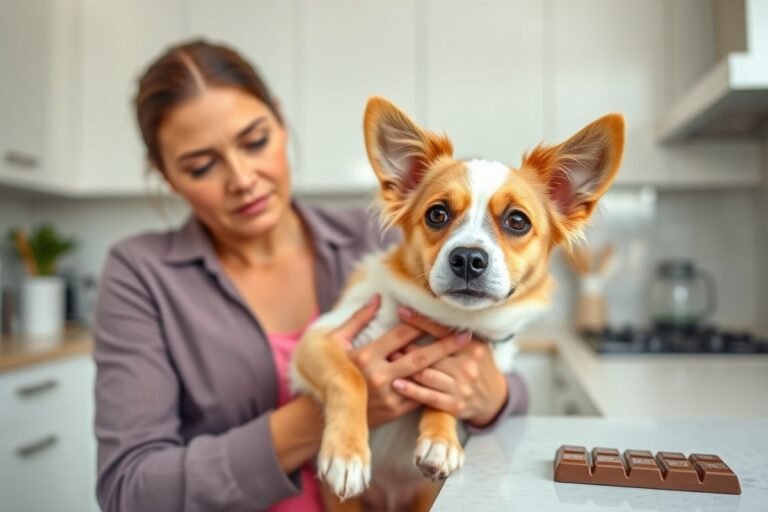
Knowing How to make a dog vomit safely is key in an emergency involving potential poisoning. The safest method is to give your dog 3% hydrogen peroxide by mouth, which usually causes vomiting within 10 to 15 minutes. This solution works by irritating the stomach lining, triggering the vomiting reflex.
Key Takeaways
- Use only 3% hydrogen peroxide to induce vomiting to avoid toxicity risks associated with higher concentrations.
- Administer 1 teaspoon of 3% hydrogen peroxide per 10 pounds of your dog’s weight, up to a maximum of 3 tablespoons.
- Wait 10-15 minutes after giving hydrogen peroxide for your dog to vomit before considering a second dose.
- If your dog hasn’t vomited after two doses, do not give more hydrogen peroxide; contact your veterinarian instead.
- Monitor your dog closely after administering hydrogen peroxide and collect vomit for veterinary examination.
- Never induce vomiting if your dog is unconscious, having seizures, or ingested corrosive substances like bleach or gasoline.
1. How to Safely Induce Vomiting Using Hydrogen Peroxide
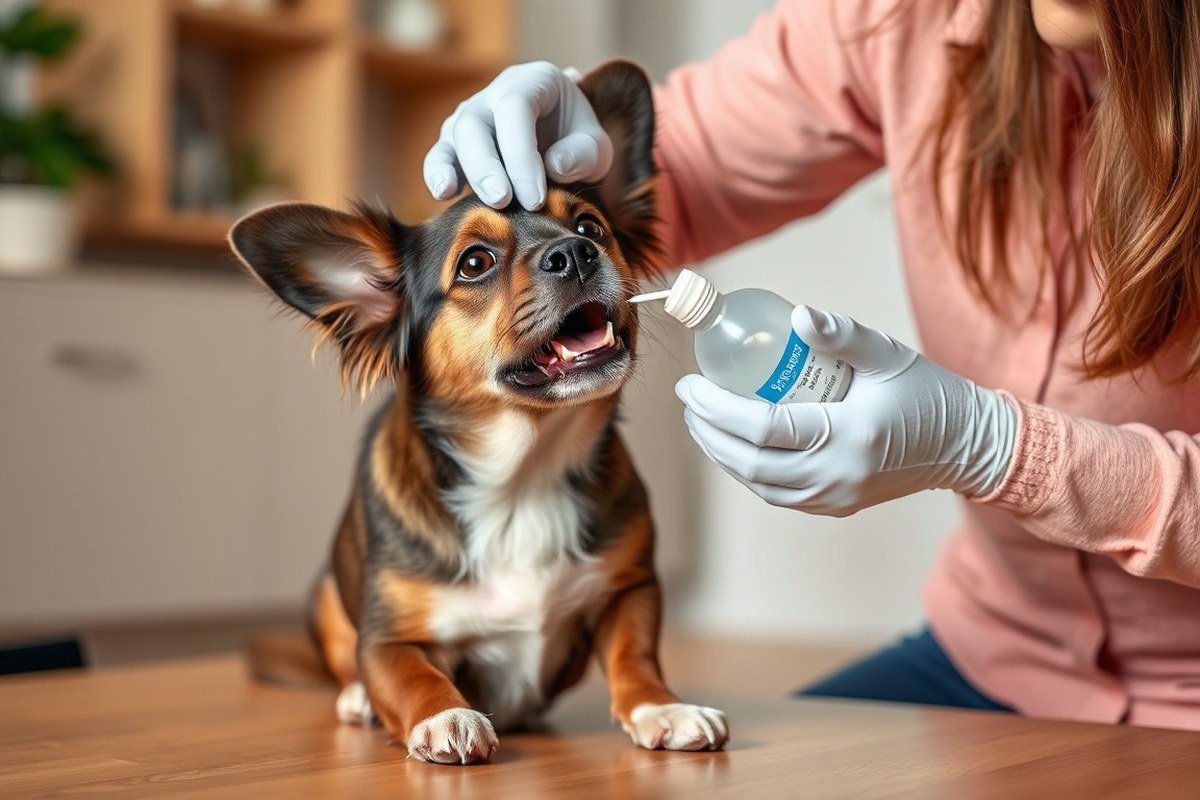
Use 3% hydrogen peroxide to safely induce vomiting in your dog only after talking to your veterinarian or poison control. This clear solution irritates the stomach lining, causing your dog to vomit and possibly expel harmful substances. Administering the correct dose based on your dog’s weight avoids overdosing, which could cause serious problems.
The proper dosage is one teaspoon (5 ml) of 3% hydrogen peroxide per 5 pounds of your dog’s body weight. For example, if your dog weighs 25 pounds, give 5 teaspoons (25 ml). Vomiting usually starts within 2 to 5 minutes but can take up to 20 minutes. If your dog doesn’t vomit within 15 minutes, give one more dose. Do not give more than two doses. Always monitor your dog closely for signs of distress during this process.
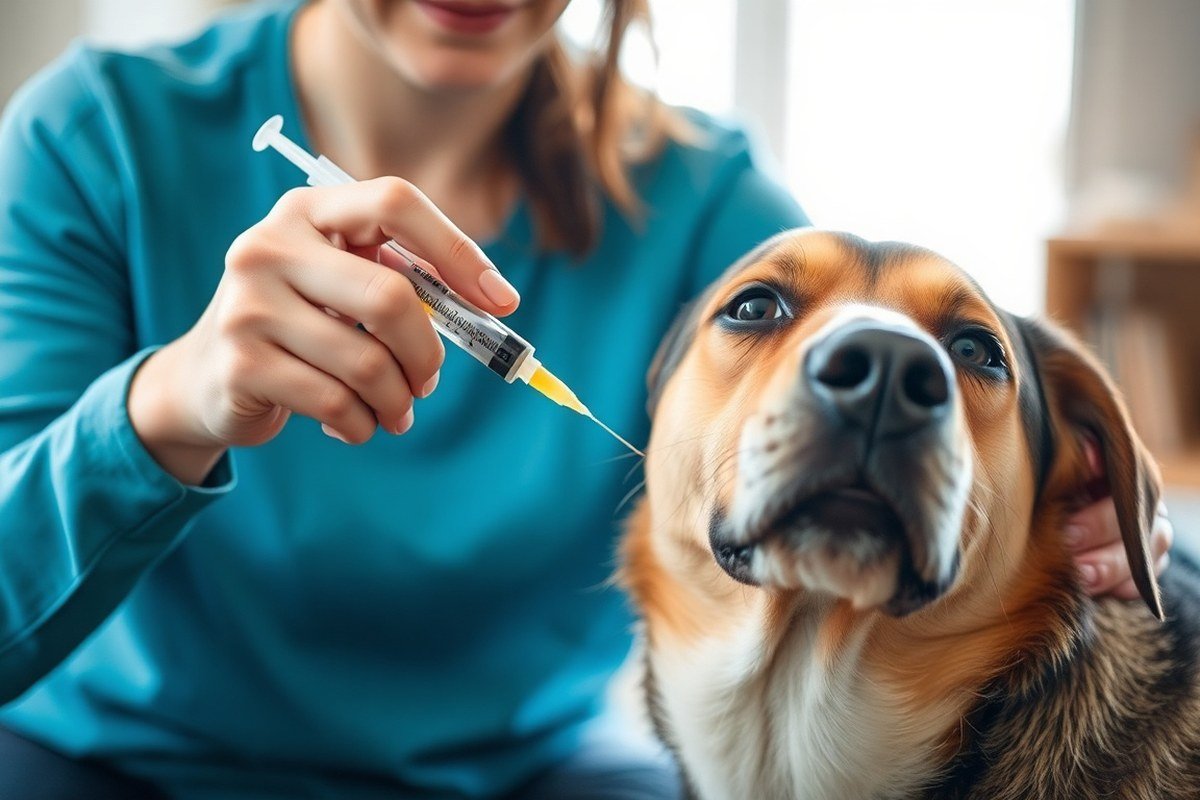
- Gather supplies: Use 3% hydrogen peroxide, a medicine syringe or turkey baster to measure the dose accurately, and a bowl or paper towels to catch vomit.
- Calculate the dosage: Measure one teaspoon (5 ml) of 3% hydrogen peroxide for every 5 pounds of your dog’s weight. For instance, a 30-pound dog needs 6 teaspoons (30 ml).
- Administer the hydrogen peroxide: Put the solution in the back of your dog’s mouth using the syringe or baster. Gently hold their mouth closed and massage their throat to encourage swallowing.
- Wait and observe: Watch your dog carefully for 10 to 20 minutes. Vomiting often begins within 2 to 5 minutes but can take longer.
- Repeat carefully if needed: If your dog hasn’t vomited after 15 minutes, give one more dose exactly like the first. Do not exceed two doses.
- Collect the vomit safely: Keep the vomit to show your veterinarian, and prevent your dog from eating it again.
- Contact a veterinarian: If vomiting doesn’t occur after two doses or if your dog shows any signs of distress like difficulty breathing, weakness, or seizures.
2. When You Should Never Try to Make Your Dog Vomit

Never induce vomiting if your dog shows signs of severe distress or neurological problems. This includes seizures, whether your dog is currently having one or recently had one, lethargy, unresponsiveness, or if the dog is unconscious. Vomiting in these cases can cause choking or aspiration pneumonia, a serious condition where vomit is inhaled into the lungs.
Avoid causing your dog to vomit if it’s already doing so naturally. This could lead to dehydration and worsen their condition. Reach out to a veterinarian right away for accurate advice. You can contact the ASPCA Animal Poison Control Center at (888) 426-4435 or the Pet Poison Helpline at (855) 764-7661 to get safe emergency help.
Do not make your dog vomit if they ingested caustic substances like bleach, gasoline, or strong acids. These substances burn the tissues of the stomach and throat both going down and coming back up. Inducing vomiting can cause severe damage to the esophagus and mouth, so seek professional care right away instead.
Dogs with certain medical conditions or congenital abnormalities should not vomit without veterinary supervision. Conditions that increase the risk of aspiration pneumonia or breathing problems mean the risk of vomiting at home is too great. Puppies, senior dogs, and dogs with heart, respiratory, or neurological diseases fall in this category. Your vet will advise if it is safer to do this at a clinic where emergency care is available.
Check the timing and type of substance ingested. Inducing vomiting is typically only effective within 2 hours of swallowing toxins like antifreeze, chocolate, or grapes because after that, these substances move into the intestines. For solid objects or things likely to cause choking, forcing vomiting can be dangerous and may worsen the issue.
Use this decision rule checklist before trying to induce vomiting: Confirm your dog is alert and responsive with no seizures or unconsciousness; identify what and when they swallowed the substance; rule out caustic or solid items; and verify no serious medical issues. Any time these conditions are unmet, seek advice from a veterinary expert before proceeding. Following this checklist reduces risks and improves your dog’s chance of a safe recovery.
3. Alternative Safe Methods to Induce Vomiting Without Hydrogen Peroxide
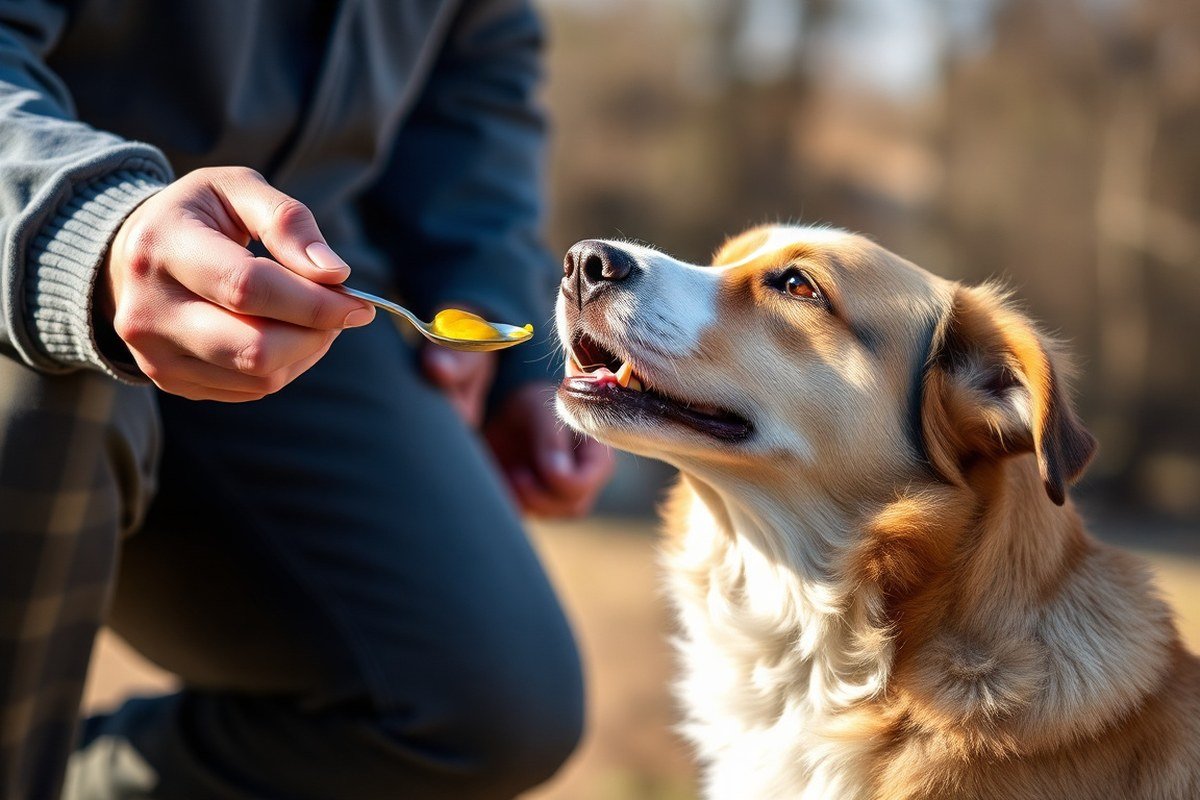
Alternatives to hydrogen peroxide for inducing vomiting in dogs include substances like mustard, but these options come with limitations and safety concerns. Mustard works by irritating the stomach lining to trigger vomiting, similar to hydrogen peroxide, but it is less predictable and can sometimes cause stomach upset or irritation. If you choose to use mustard, give one teaspoon of prepared yellow mustard mixed with one tablespoon of water, then follow up with small amounts of water to encourage vomiting within 15 to 20 minutes. Avoid using dry mustard powder as it can be too harsh.
Effectiveness varies between dogs, and these alternatives are not recommended without veterinary guidance. Natural remedies lack standardized dosages, increasing risks of underdosing or overdosing your pet. Unlike hydrogen peroxide, mustard doesn’t foam in the stomach, which can make the vomiting process slower and less reliable. Be aware that forcing vomiting without professional advice can lead to complications like aspiration pneumonia if the dog inhales vomit or if the toxic substance causes damage going down again.
Use of these alternatives should only be considered when a vet cannot be reached quickly and after they have given instructions. You should never rely on home remedies alone. The safest option remains contacting an animal poison control center or your veterinarian for the appropriate course of action. In any case, monitor your dog closely for signs of distress or refusal to vomit, and be prepared to seek emergency help.
| Method | Dosage | Time to Vomit | Risks | Notes |
|---|---|---|---|---|
| Hydrogen Peroxide (3%) | 1 tablespoon per 10 lbs body weight | 10-15 minutes | Stomach ulcers, aspiration pneumonia | Most predictable, should follow vet advice |
| Prepared Mustard | 1 tsp mustard + 1 tbsp water | 15-20 minutes | Stomach irritation, variable effectiveness | Less reliable, only with vet approval |
4. What to Expect After Your Dog Vomits and How to Care for Them
After your dog vomits, start by observing their behavior carefully for at least 45 minutes to check for signs of complications such as repeated vomiting, lethargy, bloating, or stomach swelling. These symptoms can indicate serious issues like gastric ulcers or distress requiring veterinary attention. Monitor their breathing and swallowing ability too, since a dog having trouble swallowing could choke or inhale vomit, which is a medical emergency.
Rehydration is important after vomiting to replace lost fluids. Offer small amounts of water frequently, about one to two teaspoons every 10 to 15 minutes for small dogs, and a few tablespoons for larger dogs. Avoid giving large water amounts too quickly as it may trigger more vomiting. After 4 to 6 hours of no additional vomiting, you can begin reintroducing food slowly with a bland diet, such as boiled chicken and rice. Feed small portions every 3 to 4 hours rather than one large meal to ease digestion and minimize stomach upset.
Keep the environment calm and quiet to help your dog rest. Avoid strenuous activities for the next 24 hours to let their stomach settle. If your dog vomits again within 15 minutes after the first attempt to induce vomiting, you may repeat the treatment once more, but do not exceed two doses unless your vet advises otherwise. Continual vomiting, diarrhea, weakness, or refusal to eat after 24 hours are signs to seek immediate veterinary care.
Post-vomiting care should also include noting what your dog ingested, how much, and when to provide accurate information to your vet if complications arise. Always err on the side of caution, persistent symptoms or unusual behavior call for professional medical evaluation to avoid dangerous outcomes.
5. How to Know If Your Dog Isn’t Vomiting: What to Do Next
Administer a second dose of hydrogen peroxide or another vet-approved emetic no later than 15 minutes after the first if your dog has not vomited. Use 1 ml per pound of body weight, not exceeding 45 ml for dogs weighing 45 pounds or more. Give it orally, followed by a bit of water to help your dog swallow.
Vomiting should occur within 15 minutes of the second dose. If it does not, stop treatment at home and reach out to your veterinarian right away. Repeated attempts beyond two doses can irritate your dog’s stomach or cause other complications. Some situations, such as ingestion of sharp objects, corrosive chemicals, or a dog that is unconscious or having seizure symptoms, must never involve inducing vomiting but rather prompt professional care.
Knowing when to stop at home is important because attempting to induce vomiting can waste valuable time needed for effective veterinary treatment. In emergencies like poisoning, the quicker your dog receives expert care, the better the chances for a positive outcome. After two tries with no success, arranging transportation to the vet is the safest option.
Watch your dog carefully during the 15-minute wait for vomiting to begin. Typical signs include gagging, retching, or actual vomiting. Most dogs will vomit once or twice and then calm down within 45 minutes after treatment. Signs like distress, weakness, or difficulty breathing require immediate professional care without delay.
6. Common Mistakes and Myths About Making Dogs Vomit
Trying to make a dog vomit can lead to serious risks if done incorrectly. Many people believe household items like salt or baking soda are safe for inducing vomiting, but these methods can cause more harm than good. For example, using salt can irritate the esophagus and cause life-threatening electrolyte imbalances called salt poisoning. Baking soda, despite being a natural emetic, is not a reliable or safe choice because it can upset your dog’s stomach and lead to other complications.
Understanding why these common practices are unsafe helps you avoid dangerous mistakes. Vomiting should only be induced when appropriate and done with safe, veterinarian-recommended methods like hydrogen peroxide. Incorrect methods can increase the risk of aspiration pneumonia, a condition where vomit enters the lungs, causing severe infection. Knowing what to avoid is just as important as knowing what to do.
- Myth: Salt safely induces vomiting in dogs.
Fact: Salt can cause irritation and life-threatening electrolyte issues. - Myth: Baking soda is a safe emetic for dogs.
Fact: Baking soda is unreliable and can worsen stomach upset. - Myth: Any vomiting method is safe if it works quickly.
Fact: Unsafe methods increase aspiration pneumonia risk. - Myth: Vomiting should always be induced after toxic ingestion.
Fact: Vomiting is dangerous if sharp or corrosive substances are ingested. - Myth: You can decide to induce vomiting without consulting a vet.
Fact: Always call a vet first to avoid harms from incorrect treatment.
Avoid unsafe substances like salt or baking soda to induce vomiting. Focus on approved techniques that balance effectiveness against risks to your dog’s safety. If you suspect poisoning, contact a veterinarian before trying home remedies and follow their instructions carefully to protect your dog’s health.
7. When to Call a Veterinarian Immediately After Possible Poisoning
Immediate veterinary help becomes necessary when your dog shows clear signs of severe poisoning or distress. Take your dog to a veterinary clinic immediately when they are unresponsive, having seizures, or having difficulty breathing. These symptoms indicate critical conditions that cannot be managed safely at home. Delaying professional treatment could worsen the situation quickly.
Contact your veterinarian immediately after your dog ingests a poisonous substance, even if vomiting occurs. Some toxins require professional treatment such as IV fluids or special medications to avoid permanent harm. Prompt veterinary care is also necessary if home methods to cause vomiting don’t work or if no vomiting happens within 15 minutes. Professionals can safely use stronger drugs like apomorphine under supervision.
Signs that indicate your dog needs urgent medical attention include persistent vomiting, excessive drooling, weakness, pale gums, tremors, and difficulty standing. Noticeable lethargy or sudden changes in your dog’s behavior may also indicate serious poisoning. Never wait to see if symptoms improve on their own.
Calling your vet or a local animal poison control center immediately after suspected poisoning is the best initial step. Veterinary professionals will guide you based on the substance ingested, your dog’s weight, and symptoms. Follow your veterinarian’s recommendations exactly if they advise against making your dog vomit at home. This approach helps avoid complications like aspiration pneumonia or damage to the esophagus caused by improper vomiting.
Step-by-Step Action Plan for Safely Inducing Vomiting in Your Dog
Follow these steps carefully to help your dog vomit safely at home when needed. Watch your dog closely after each step to know if the method worked.
- Before you start: Confirm your dog ingested a non-caustic poison and is not showing signs that vomiting is dangerous (such as seizures, unconsciousness, or sharp objects swallowed). Contact your vet or poison control for guidance.
- Immediate action: Measure the hydrogen peroxide dose at 1 teaspoon (5 ml) per 10 pounds of your dog’s weight, up to 3 tablespoons max. Use a syringe or turkey baster to administer it orally. This usually induces vomiting within 10 to 15 minutes.
- Wait and watch: Observe your dog for up to 15 minutes. Vomiting requires you to keep your dog calm and offer small amounts of water afterward to prevent dehydration.
- No vomiting: You can give one more dose after 15 minutes but never more than two doses in total. When your dog does not vomit after treatment, stop and call your vet right away.
- Alternative methods: If you prefer not to use hydrogen peroxide, feeding a small amount of moistened saltine crackers or syrup of ipecac (only under veterinary direction) might help, but these are less reliable.
- After vomiting: Watch your dog closely for at least 24 hours for signs of distress like lethargy, continued vomiting, or difficulty breathing. Seek veterinary care if problems arise.
- Uncertainty at any stage: Contact your vet or a pet poison hotline before trying any treatment to prevent harm.
Frequently Asked Questions
How Much Hydrogen Peroxide Should I Give My Dog to Induce Vomiting?
Administer 1 teaspoon for every 10 pounds of your dog’s weight, not exceeding 3 tablespoons total. This dose aims to safely induce vomiting without risking overdose.
Can I Use Other Household Items to Make My Dog Vomit Besides Hydrogen Peroxide?
Mustard can be used but is less common and less safe than hydrogen peroxide. Only attempt alternatives if advised by a vet.
How Soon Should Vomiting Occur After Giving Hydrogen Peroxide?
Vomiting usually starts within 2 to 5 minutes, but may take up to 15 minutes. Monitor your dog closely during this time.
What Signs Indicate My Dog Needs Urgent Vet Care After Attempting to Induce Vomiting?
Persistent distress, choking, weakness, or no vomiting after two doses of hydrogen peroxide means seek immediate veterinary help.
Can Puppies or Older Dogs Safely Vomit at Home with Hydrogen Peroxide?
Use caution; puppies and older dogs are more vulnerable, so consult a vet before inducing vomiting.
Wrapping Up
Knowing how to safely make your dog vomit can be lifesaving, but only when done with the right timing and method. Always prioritize your dog’s safety by confirming it is appropriate to induce vomiting and never hesitate to call a professional. Keep your vet’s contact info handy so you can act quickly when your dog needs urgent care.