
Can You Buy Dog Food with Food Stamps? What You Need to Know
People cannot use food stamps to buy dog food since the program only covers products intended for people to eat. SNAP benefits exclude pet supplies like dog food. For assistance with dog food, check local charities or pet food banks in your area.
Key Takeaways
- Food stamps (SNAP) cannot be used to buy dog food since it is classified as a non-food item.
- You may buy human-grade pet food for service animals with SNAP benefits if you also eat that food.
- Large bags of dog food typically cost between $10 and $20 at stores like Walmart and Aldi.
- Many pet owners struggle with affording pet food, making local pet food banks valuable resources.
- Commercial dog food like Pedigree Complete Nutrition contains essential vitamins and minerals for dog health.
- Pet food does not have a purchase limit under SNAP because it is not an eligible item.
Can You Use Food Stamps to Buy Dog Food?
SNAP benefits do not cover the purchase of dog food. The program helps low-income people buy only foods intended for human consumption. Federal rules specifically exclude pet food, so your Electronic Benefits Transfer (EBT) card won’t be accepted for dog food purchases in stores or pet shops.
The reason Pet food is excluded from SNAP purchases lies in the program’s focus on supporting human dietary needs. SNAP benefits cover staple foods like fruits, vegetables, meat, dairy, bread, and cereals, which are intended directly for human consumption. Feeding pets, though important, is not considered a nutritional need under SNAP guidelines. This federal policy applies uniformly across most states, although a few states, such as California and New York, may allow some pet foods under specialized state administration programs for their SNAP benefits.
One key decision rule the program uses at checkout is distinguishing between Human food and pet food. Foods must be items that people typically consume to qualify. Packaged pet foods, treats, or pet supplements are rejected because they are formulated specifically for animals. However, you can buy ingredients to prepare homemade dog food, such as plain chicken, rice, carrots, and other edible human foods, with SNAP benefits. These ingredients must be purchased as human food and intended for people first, but they can then be cooked at home to feed your dog.
There are rare exceptions for Service animals. Caring for a service dog allows you to use SNAP benefits to buy food only when it is human-grade and also consumed by you, such as plain rice or meat. Commercial pet foods designed explicitly for service animals are not covered. The strict policy helps keep SNAP focused on feeding people while service animal owners seek additional support from special programs or charities to cover pet-related costs.
What Happens If You Try Buying Dog Food on SNAP?
Trying to buy dog food with your EBT card will result in the transaction being declined at checkout. The USDA specifically excludes pet food from eligible SNAP purchases because SNAP is designed to cover food for human consumption only. When the cashier scans dog food, the point-of-sale system recognizes it as an ineligible item and automatically blocks the use of SNAP benefits for that item.
Retailers follow strict rules to separate eligible from ineligible items under SNAP. You might see the price of dog food listed, but the payment system won’t allow EBT to pay for it. Instead, you’ll need to use a different payment method like cash, credit, or debit for pet food. When you try to pay entirely with SNAP benefits for ineligible items, the cashier will likely tell you that your EBT card can’t complete the purchase for those products.
At stores that allow both online and in-person SNAP purchases, pet food items are clearly flagged as “Not eligible for SNAP EBT.” Online, the system stops you from selecting EBT as a payment option for dog food at checkout. To avoid declined transactions, look for signage or labels on the product indicating whether it’s allowed with SNAP benefits.
When shopping in person, a practical tip is to separate your eligible groceries from your pet food at checkout. Pay for your human food items first with your EBT card, then use another form of payment for dog food. In online orders, check your shopping cart before checkout and remove any pet food items if you want to pay with your SNAP benefits. Forgetting and trying to pay for ineligible items with food stamps means you’ll need to remove those items or use different payment methods based on the retailer’s policy.
Alternatives to Buying Commercial Dog Food with SNAP
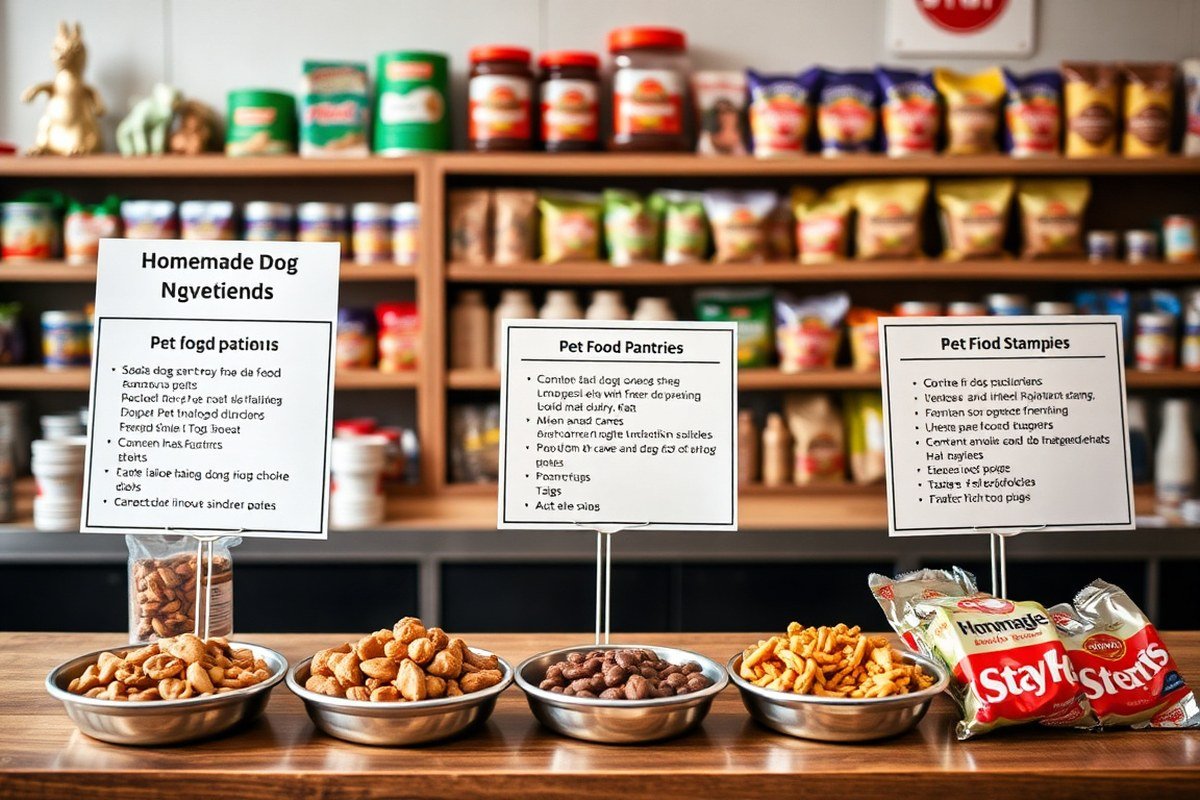
SNAP benefits don’t cover commercial dog food, but you can buy ingredients to make homemade dog food that fits your pet’s needs. Basic ingredients like rice, cooked meats, certain vegetables, and eggs are SNAP-eligible. For example, brown rice at $1.50 per pound, canned chicken at around $2 per can, and carrots or green beans for about $1 to $1.50 per pound qualify. Homemade meals can be both affordable and nutritious if you balance protein, carbs, and vitamins properly. Recipes should be simple, such as mixing cooked chicken, rice, and steamed vegetables. Avoid using harmful ingredients like onions or garlic.
Many local and national resources offer free or low-cost pet food for SNAP recipients. Pet food banks and pantries can give you immediate access to food without affecting your SNAP balance. To find these, search online for “pet food banks near me” or visit the Humane Society website to locate assistance programs. Local animal shelters often have emergency food supplies and may partner with food pantries. Charities such as RedRover Relief provide financial help for pet expenses, and many churches or community groups have programs specifically for pet owners. Also, some online pet food banks ship food directly to your home at no cost, ideal if you live in a rural or remote area.
Buying pet treats or supplements with SNAP is generally not allowed since these aren’t considered staple household foods. Seeds or plants for growing personal garden foods are usually eligible, which means you could grow safe vegetables like carrots or green beans for homemade dog meals. Checking with your state’s SNAP guidelines helps confirm eligibility.
To access pet food pantries near you: start by searching online for local pet food banks or contacting your city shelter. Call ahead to confirm hours and availability. Bring identification and proof of income or SNAP participation. Some pantries require appointments, so ask about registration procedures. Joining social media pet care groups can also connect you with others who share resources or organize bulk purchases, which can reduce your costs significantly.
Special Rules for Service Animals and Pet-Related Purchases
USDA guidelines exclude pet food from SNAP benefits, but there are rare exceptions for food provided to service animals under strict conditions. A service animal’s food must be purchased separately and documented as essential for the animal’s work or disability assistance. This means you cannot use SNAP benefits on regular dog food or treats for pets, but food specifically for a trained service dog supporting a qualifying disability might be allowed if it follows state and USDA regulations precisely.
Homemade dog food made from standard SNAP-eligible ingredients is a legal workaround only if you purchase those ingredients for your own consumption or as part of a household food plan. You can buy items like meat, vegetables, and grains with SNAP, then prepare meals that your dog may eat, but you cannot buy ingredients solely to feed your pet. For example, buying chicken and rice with SNAP and cooking a meal you share that includes pet portions is allowed, while purchasing special pet-only diets is not.
Pet treats, supplements, or luxury pet foods do not qualify for SNAP. These are classified as non-nutritive or luxury items, which fall outside USDA’s definition of eligible food, primarily staple foods intended for human consumption. SNAP benefits are designed to cover essentials such as fruits, vegetables, dairy, meat, and grains, so pet supplements or treats are excluded.
Allowed purchases for a service dog might include standard grocery items if documented as part of a disability support plan, while disallowed purchases include branded dog treats, specialized pet supplements, or pet grooming products. Always keep receipts and disability documentation if buying service animal food to meet SNAP rules. Costs for approved food usually align with average grocery prices, but high-end or specialty pet food won’t qualify under SNAP.
Finding Support: Pet Food Banks, Charities, and Community Programs
You can find support for pet food through various local resources such as pet food banks, animal shelters, and community charities that offer free or discounted dog food. Many food banks now include a Pet pantry component delivering pet food to qualifying low-income households. To access these, start by contacting your local food bank or humane society; they often keep a list of available assistance programs. If you need immediate aid, local shelters and community charities can help with emergency supplies.
There are programs targeted especially for veterans and other specific groups. Veteran pet owners may qualify for specialized assistance from nonprofit organizations focused on supporting both veterans and their pets. Check with local veteran service offices or organizations like RedRover Relief and the Banfield Foundation, which provide grants and emergency support. To use multiple options, combine pet food banks with these grants and community drives to maximize the help you get.
Use online tools and social media to find nearby resources. Joining local community groups on Facebook often reveals food drives and donation events you may not hear about otherwise. Veterinary clinics may also offer referrals or participate in aid programs, so asking your vet could lead to additional support. Start by calling or visiting animal shelters, community centers, or non-profits to learn what is available near you.
Many charitable organizations rely on donations collected through food drives at pet stores, churches, and community centers. You can support these efforts by organizing a drive or advocating local government to fund pet food banks. While SNAP benefits don’t cover pet food, these community programs fill that gap and provide critical help for keeping your pet fed during tough times.
Step-by-Step Action Plan for Managing Pet Food on SNAP
Use this plan to handle dog food needs and SNAP benefits effectively while making sure your pet stays fed and cared for.
- Day 1: Review your SNAP eligibility and benefits online or with your caseworker to confirm your monthly amount.
- Day 2: Identify local pet food banks or charities by searching online or asking community centers; confirm you qualify and their schedule.
- Week 1: Plan your grocery trips to prioritize buying approved food items with SNAP benefits, keeping pet needs separate to avoid declined purchases.
- Week 2: Apply for any local or national pet assistance programs that provide free or low-cost dog food; track application status.
- Month 1: Look into homemade dog food recipes using SNAP-approved groceries if your vet says it’s safe; monitor your pet’s health closely.
- Ongoing: Network with community support groups or social media for pet owners on SNAP to share resources and advice.
- Every Renewal Period: Update your SNAP benefits status and inquire about any program changes that might affect how you manage pet feeding costs.
Frequently Asked Questions
Can You Buy Dog Food with Food Stamps?
Food stamps cannot be used to purchase dog food or any other pet food, as SNAP benefits are designed solely for human food items. These regulations are consistent across all states and prohibit buying pet food with these benefits.
Are Homemade Dog Food Ingredients Eligible for Purchase with Food Stamps?
Yes, you can use food stamps to buy ingredients like meat, rice, and vegetables that can be used to make homemade dog food. This is an alternative since commercial pet food is not eligible.
Can I Use Food Stamps to Buy Treats or Toys for My Dog?
No, treats and toys for dogs are not considered eligible food items under SNAP, so food stamps cannot be used for these purchases. Only food meant for humans can be bought.
Are There Any Exceptions for Buying Special Diet Dog Food with Food Stamps?
No, even special diet dog food is not allowed for purchase with food stamps because SNAP only covers human food products. You will need to find other resources.
Does SNAP Provide Extra Benefits for Pet Food Purchase in Emergencies?
SNAP does not offer extra benefits or allowances for pet food purchases during emergencies. Pet owners should explore local pet food banks or charities for help.
Before You Go
You can’t use Food stamps to buy dog food, but plenty of support options exist to help you feed your pet during tough times. Start by contacting pet food banks and applying for assistance programs, then gradually build a sustainable feeding plan using approved groceries or homemade meals. Taking small, deliberate steps today will protect your pet’s health without risking your SNAP benefits.