Why Does My Dog Keep Shaking His Head? A Complete Guide for Owners
Why does my dog keep shaking his head? Frequent head shaking usually signals an ear problem like an infection or irritation. Check your dog’s ears for visible issues, then limit contact with water and debris to ease discomfort while monitoring the behavior closely.
Key Takeaways
- Observe your dog’s behavior to identify if head shaking occurs after outdoor activity or swimming.
- Look inside the ears for redness, discharge, or foreign objects before touching or cleaning.
- Use a cold compress or small baking soda paste for minor itching from bug bites or stings.
- Aggressive or continuous head shaking lasting over 2 days needs veterinary evaluation promptly.
- Seek emergency care for sudden, prolonged episodes over 5 to 10 minutes or signs like drooling and disorientation.
- Keeping your dog’s ears dry helps prevent irritation and infection that cause head shaking.
What Causes Dogs to Shake Their Heads Repeatedly?
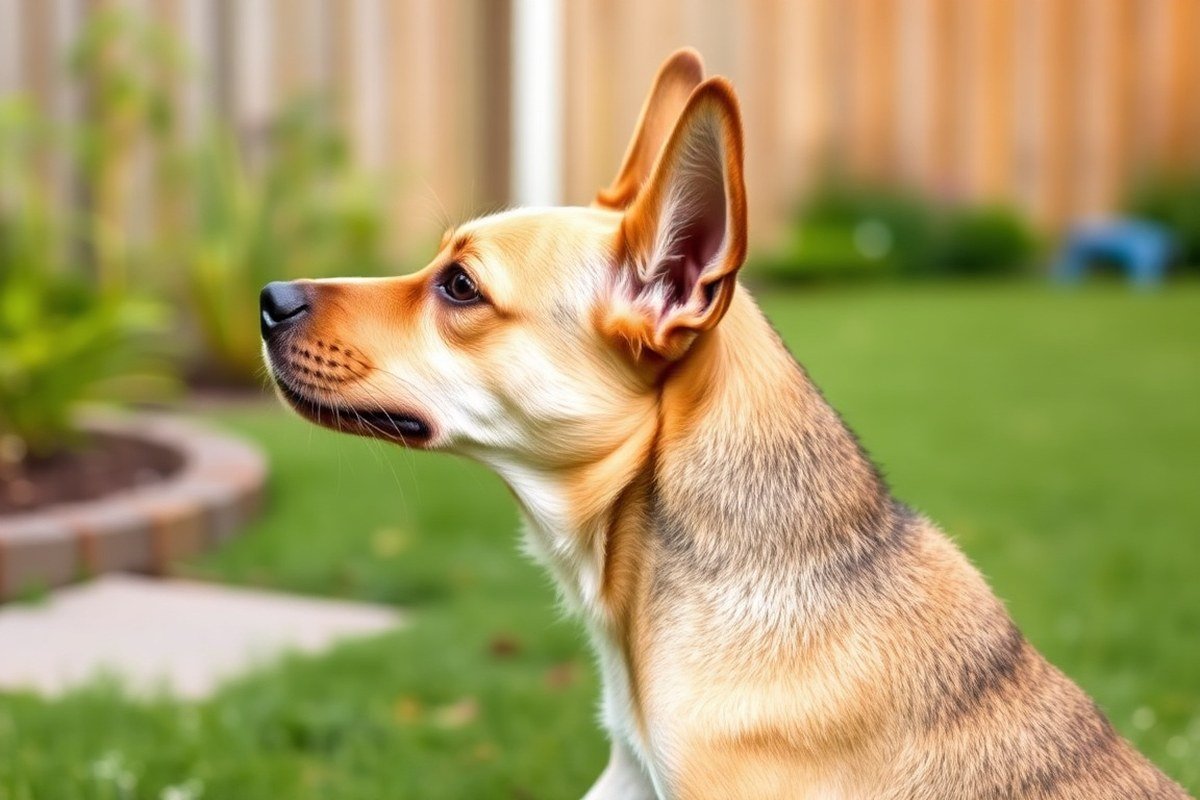
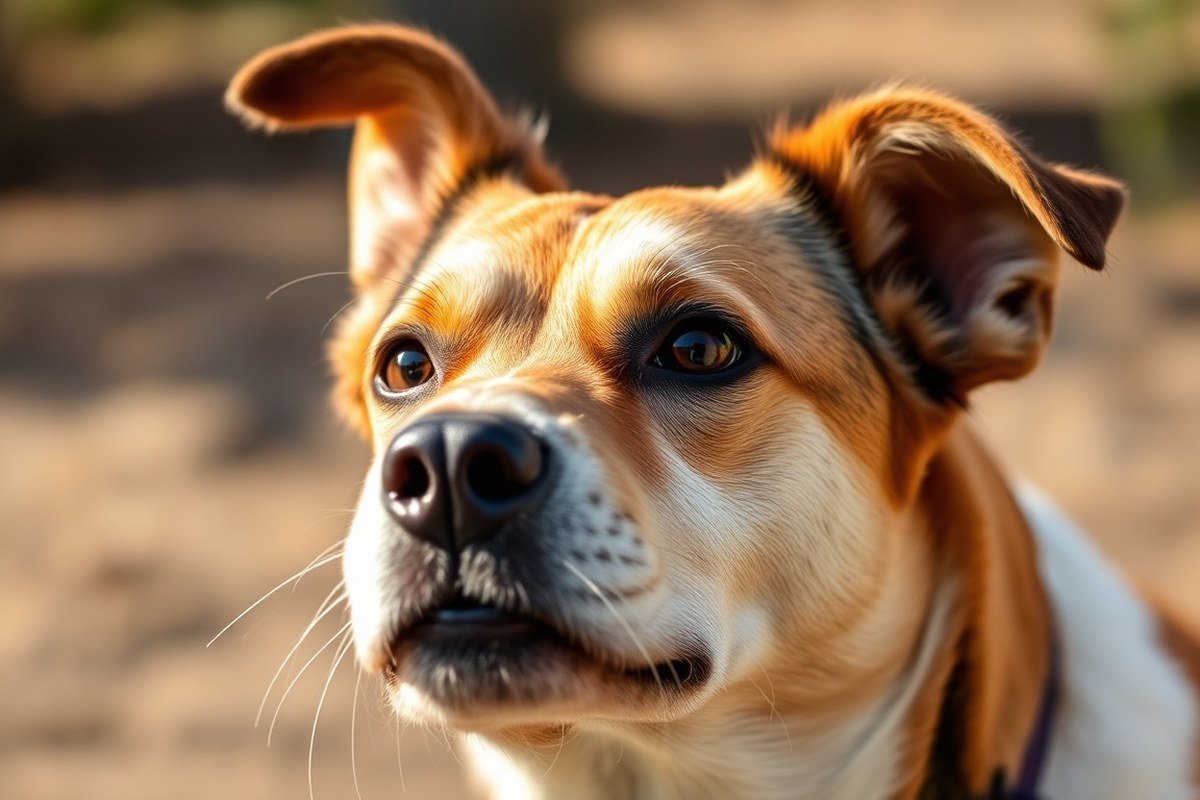
Frequent head shaking in dogs usually means their ears are irritated or uncomfortable. The most common cause is an Ear infection. Infections inflame the ear canal, making it itchy or sore, which leads dogs to shake their heads to relieve the discomfort. Signs of ear infections include redness, discharge, smell, scratching around the ears, and sometimes a mild fever.
Besides infections, allergies can also trigger head shaking. Allergic reactions often cause itchy skin, recurrent ear infections, and paw chewing. If your dog has itchy ears along with skin problems, allergies might be the cause rather than just a localized ear issue.
Foreign objects lodged in the ear, like grass seeds or dirt, irritate the ear canal and cause sudden head shaking. This irritant usually makes dogs shake more abruptly and may result in visible discomfort or attempts to paw at the ear. It’s helpful to check your dog’s environment and recent activities to spot possible irritants.
Neurologic conditions differ because they cause head trembling or rhythmic movements that your dog can’t control, rather than voluntary shaking. The ears usually look normal, and the rest of the body may stay still. These movements are less common but serious enough to require veterinary diagnosis.
Occasional head shaking, such as after swimming or a bath, is generally normal. Dogs do this to shake off water or debris. However, Persistent or frequent shaking combined with other signs like scratching, redness, or changes in behavior is a clear signal that something needs veterinary attention.
| Cause | Typical Symptoms | Signs from Behavior & Environment |
|---|---|---|
| Ear infections | Itchy/red ears, discharge, smell, scratching, head shaking | Repeated shaking, pawing ears, often after water exposure or allergies |
| Allergies | Itchy skin, recurrent ear infections, paw chewing, hair loss | Seasonal/food changes, other skin symptoms, head shaking with scratching |
| Foreign object | Sudden shaking, visible pain, ear rubbing | Outdoor activity, presence of debris, irregular shaking episodes |
| Neurologic disorders | Rhythmic head tremors, no ear redness | Continuous, involuntary movements, often in older dogs |
| Normal shaking | Quick shake, no scratching or redness | After baths or swimming, occasional only |
How to Safely Inspect Your Dog’s Ears at Home
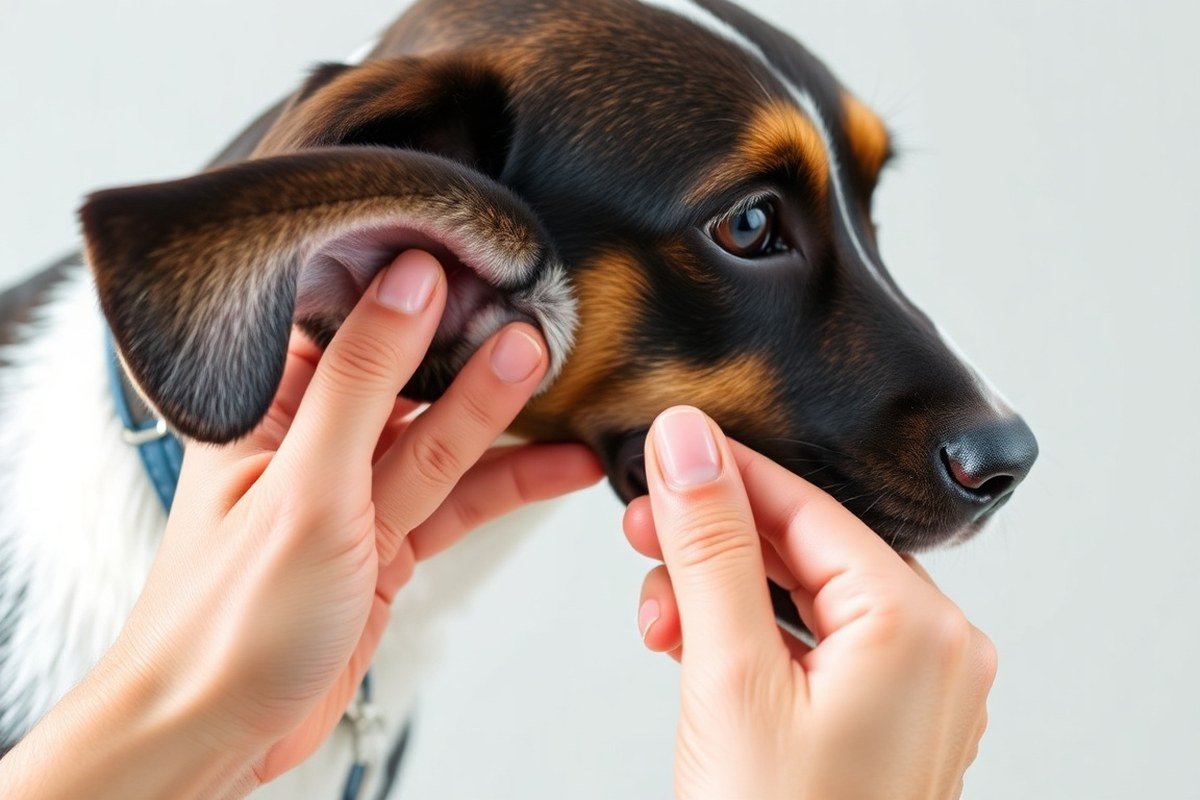
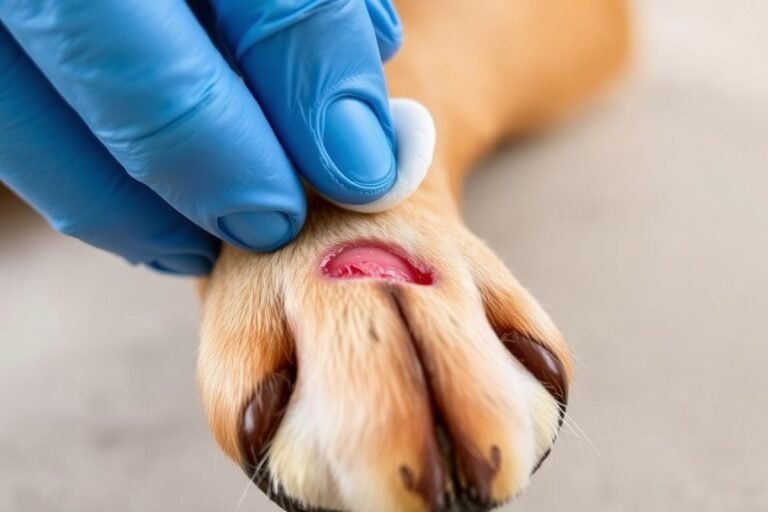
Start by gently holding your dog’s head steady and carefully pulling back the ear flap to look inside. Use a well-lit area or a flashlight to get a clear view. Look for signs like redness, swelling, flaky debris, or any unusual discharge. A foul odor often signals an infection. Avoid inserting anything deep into the ear canal to prevent injury.
Feeling around the ear, check for warmth or signs of irritation. Healthy ears usually appear clean and pink without swelling. The ear showing signs of inflammation, redness, swelling, or containing dark brown or yellow debris means you should stop your check and arrange a vet appointment. Spotting objects like grass seeds or burrs near the ear entrance that you can remove gently with blunt-tip tweezers without causing pain allows careful removal.
- Check for redness, swelling, or discharge inside the ear flap
- Note any foul smells indicating infection
- Look for debris like dirt, plant material, or wax buildup
- Gently feel around the ear for warmth or tenderness
- Avoid pushing objects deep into the canal
- Only remove foreign objects if they’re obvious and easily accessible
- Stop if your dog shows pain or resistance during inspection
Do not try to clean deep inside the ear using cotton swabs or similar tools, as these can push debris further and cause damage. Ears appearing normal yet your dog continuing to shake its head could mean an issue deeper inside or linked to allergies. Ear problems often require professional diagnosis and care to prevent worsening or damage. For persistent shaking lasting more than two days or any visible signs of infection, contact your veterinarian promptly.
When Should You Get Veterinary Help for Head Shaking?
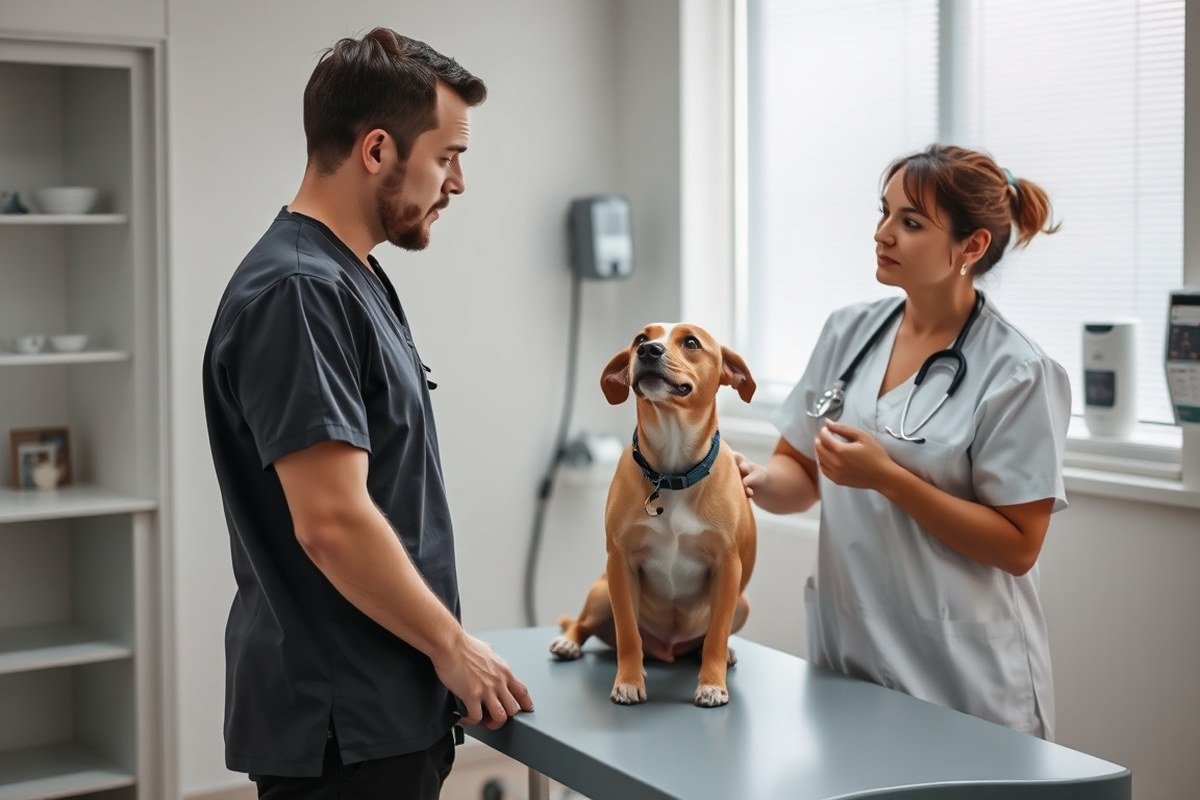
Persistent head shaking lasting more than 24 hours signals the need for a veterinary visit. If your dog shakes vigorously or is unable to stop, do not wait more than a day to get professional help. Swelling of the ear flap or ongoing discomfort are urgent signs requiring prompt medical attention to prevent complications such as ruptured blood vessels or severe infections.
Accompanying symptoms that need same-day veterinary care include a noticeable head tilt, unusual eye movements, loss of balance, or signs of confusion. These may point to vestibular disorders or neurological issues that sometimes mimic ear problems but need distinct treatment. Seizure-related head tremors often come with facial twitching, lip smacking, or involuntary limb movements. Being able to describe these symptoms precisely can help your vet determine the right diagnosis and treatment.
- Persistent head shaking beyond a full day
- Swelling or redness of the ear flap
- Head tilt, balance loss, or abnormal eye movement
- Scratching combined with skin rashes, diarrhea, or paw licking (possible allergies)
- Disorientation or signs of a post-seizure state (grogginess, unawareness)
- Severe allergic reactions like facial swelling or difficulty breathing
Ignoring repeated head shaking risks worsening ear infections or injuries that cause pain and long-term damage. Providing your vet with clear details about when the behavior started, what triggers the shaking, other symptoms noticed, and any recent exposures like baths or swims helps them craft an effective care plan. Immediate action can prevent progression to chronic issues and improve your dog’s comfort and recovery speed.
How Repeated Head Shaking Can Cause Further Ear Damage
Repeated head shaking can significantly worsen your dog’s ear condition by increasing inflammation and causing further damage. When a dog keeps shaking its head, the vigorous movement can rupture delicate blood vessels in the ear flap, leading to a painful condition called an Aural hematoma. This happens when blood collects between the layers of the ear flap, causing swelling and discomfort. Since the hematoma can double the ear’s size and become warm and tender, it often requires veterinary treatment like drainage or surgical repair to heal properly.
Head shaking also aggravates infections or allergies. It pushes irritants deeper into the ear canal and inflames already swollen tissues, making the ear more painful and itchy. Over time, this can cause thickening of the ear canal walls or permanent narrowing, which may lead to chronic infections and hearing loss. For example, a dog with an initial mild infection that shakes its head persistently for several days may develop a hematoma within a week and require weeks of treatment to resolve both the infection and the ear damage.
Prevention focuses on stopping the shaking by treating the underlying cause early. You should inspect your dog’s ears regularly and seek prompt veterinary care at the first sign of redness, discharge, or discomfort. Your vet might prescribe anti-inflammatory or antibiotic medications depending on the diagnosis. Avoid letting your dog scratch or shake excessively by using an Elizabethan collar and controlling environmental allergens or food sensitivities. Keeping follow-up appointments is important because catching infections early makes treatment simpler, costing anywhere from $50 to a few hundred dollars for medication and follow-up, compared to surgery for untreated hematomas, which can be more expensive and painful for your dog.
Home Care Tips and When to Try Them
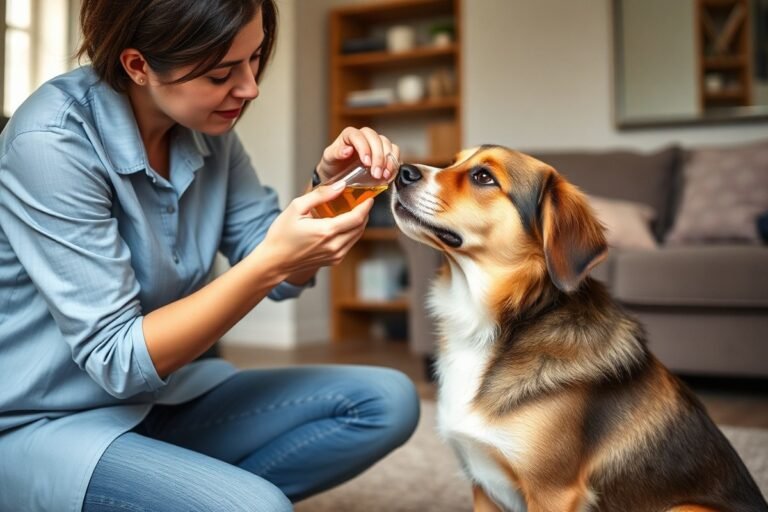
Safe home remedies for ear irritation in dogs often include gentle cleaning and soothing methods. Use a clean, damp cloth or a vet-recommended ear cleaner to wipe away visible debris without pushing anything deeper into the ear canal. A cold compress applied to the outside of the ear can relieve itchiness and swelling caused by bug bites or minor irritations. Some veterinarians approve giving an appropriate dose of Benadryl (diphenhydramine) to reduce allergic reactions, but only after confirming it is safe with your vet. Avoid using cotton swabs or inserting objects as these can cause more harm.
Home care suits minor irritations such as small foreign particles or insect bites when your dog’s overall behavior is normal, and there are no signs of infection like redness, discharge, or foul odor. Start by observing your dog’s environment to identify any potential irritants they encountered recently. Mild and occasional head shaking may be relieved with home remedies to ease your dog’s discomfort.
- Gently clean ears only if they appear dirty or if advised by your vet
- Use vet-approved ear cleaning solutions, never hydrogen peroxide or alcohol
- Apply a cold compress for 5 to 10 minutes to reduce swelling
- Give Benadryl under veterinary guidance, avoiding human medications without approval
- Monitor your dog closely for increased shaking, scratching, or signs of pain
- Ensure your dog’s ears stay dry, especially after baths or swimming
- Do not insert cotton swabs or sharp objects into the ear canal
Track progress by checking your dog’s ears daily for reduced redness, swelling, and head shaking episodes. Improvement should begin within two to three days. When symptoms worsen, last more than five days, or show discharge and a bad smell, you should take your dog to the veterinarian quickly as these signs might point to an infection needing professional care. Remember, frequent or aggressive head shaking often signals a deeper problem that home care alone can’t fix.
Step-by-Step Action Plan to Address Your Dog’s Head Shaking
Follow these steps to check your dog’s ears, manage mild irritation, and decide when to seek expert care.
- Before you start: Gather supplies like a flashlight, cotton balls, and ear cleaning solution recommended by your vet.
- Day 1: Inspect your dog’s ears for redness, discharge, foul smell, or swelling while gently holding the head steady.
- Day 1: If the ears look dirty but not severely irritated, clean them carefully with the vet-approved solution and cotton balls. Avoid using cotton swabs inside the ear canal.
- Day 2-3: Watch for a reduction in head shaking and signs of discomfort. When your dog seems more comfortable, keep gently cleaning once a day.
- Day 4: If shaking persists or worsens, prepare to take your dog to the veterinarian for a thorough exam and treatment.
- After vet visit: Follow the prescribed treatment plan exactly, including any medications or special ear care instructions.
- Week 2: Reassess your dog’s progress after completing the treatment. Should head shaking continue, inform your vet for further evaluation.
Frequently Asked Questions
Why Does My Dog Keep Shaking His Head After a Swim?
Your dog might have water trapped in the ears causing irritation. It’s best to gently dry their ears to prevent infection.
Can Allergies Cause Frequent Head Shaking in Dogs?
Yes, allergies can lead to ear inflammation and itchiness. Consult your vet to identify allergens and get proper treatment.
Is Ear Mites a Common Reason for Constant Head Shaking?
Ear mites often cause intense itching leading to head shaking. Your vet can diagnose and prescribe treatment to clear the mites.
Could Ear Wax Buildup Cause My Dog’s Head Shaking?
Excess wax can irritate the ear canal and make your dog shake its head. Regular ear cleaning can help prevent this.
Do Certain Dog Breeds Shake Their Heads More Frequently?
Breeds with floppy ears, like Cocker Spaniels, are prone to ear infections and head shaking. Keep their ears clean to reduce risks.
The Bottom Line
Frequent head shaking in your dog often signals ear irritation or infection that needs attention to prevent worsening damage. A careful ear check and gentle home care can help mild cases, but persistent symptoms call for veterinary evaluation. Observing your dog closely and acting early can improve comfort and avoid complications. Start by examining the ears and scheduling a vet visit if problems don’t improve within a couple of days.