What Does It Mean When an Older Dog Starts Drinking a Lot of Water? A Complete Guide
What does it mean when an older dog starts drinking a lot of water? It often signals an underlying health issue or a harmless change in behavior. Consistent excessive drinking over 24 to 48 hours should prompt a veterinarian visit to rule out serious conditions. Tracking your dog’s daily water intake helps your vet assess the situation accurately.
Key Takeaways
- Measure your senior dog’s water intake daily for 3 to 5 days using a precise measuring container.
- Excessive drinking is more than 100 ml per kilogram of body weight per day, warranting medical evaluation.
- Bring a urine sample and detailed drinking records to your vet to aid diagnosis.
- Diet type influences water needs; dogs on dry kibble typically drink more than those eating canned food.
- Older dogs may drink more due to harmless reasons like increased activity or environmental changes.
- Primary hyperparathyroidism and other endocrine disorders commonly cause excessive thirst in older dogs.
Why Is My Older Dog Drinking so Much Water?
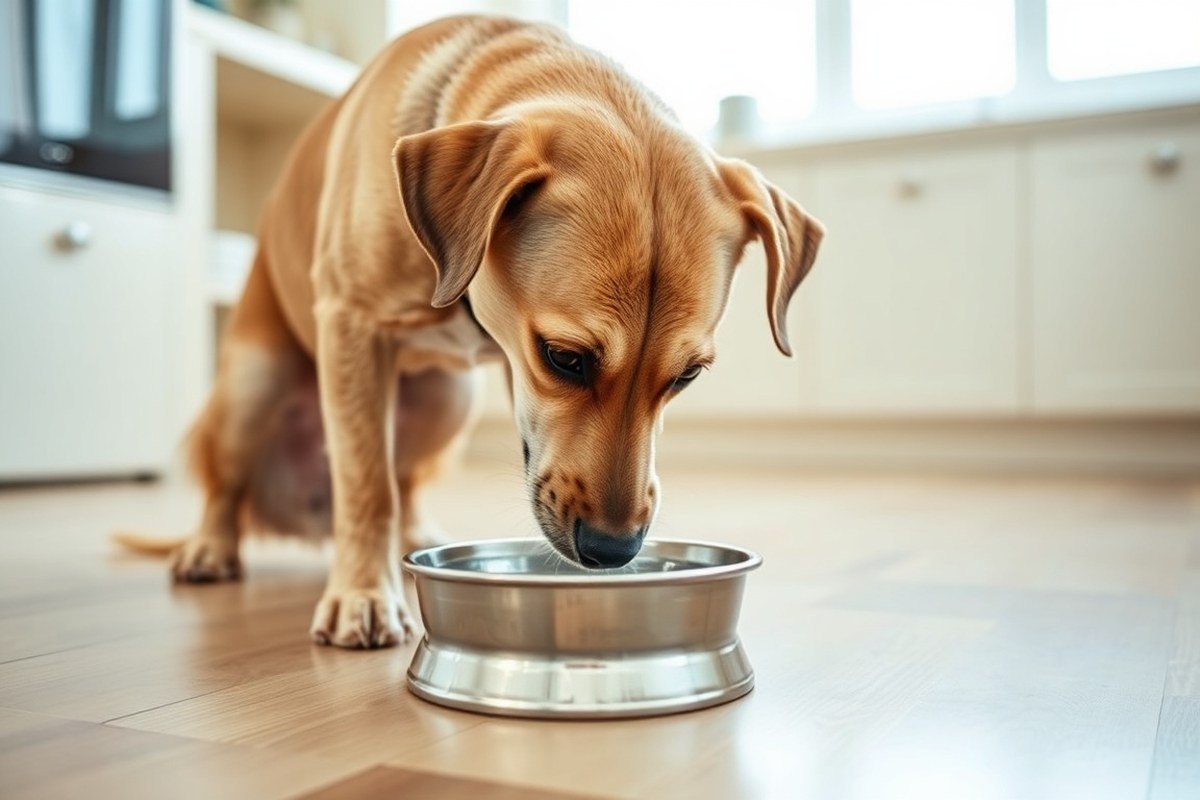
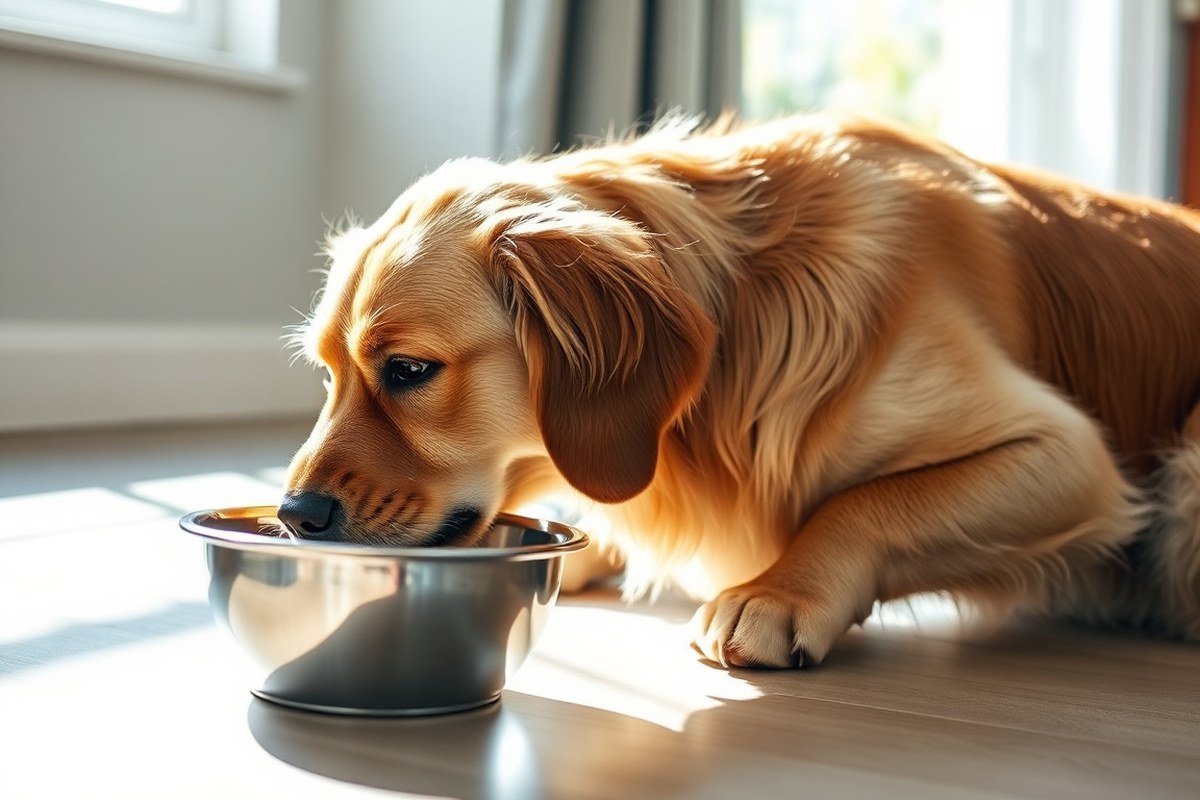
Older dogs drinking more water than usual often points to changes in their health, especially if they increase intake without obvious triggers like warm weather or exercise. Typically, dogs need about 1 ounce of water per pound of body weight daily, so a 50-pound dog usually drinks close to 50 ounces (around 1.5 liters). An increase in water consumption by 10% to 20% above normal over a day or two should prompt you to investigate possible health issues.
Older dogs commonly experience Polydipsia, or excessive drinking, as a symptom of underlying issues. Physiological causes include natural changes in kidney function or hormone fluctuations that come with age. Pathological causes are more serious and include chronic kidney disease, diabetes mellitus, and Cushing’s disease, which are frequent reasons for excessive thirst in seniors. Your dog might show other subtle signs like increased urination or lethargy alongside the heightened water intake.
Tracking your dog’s water consumption is essential. Use a measuring container to record the amount offered and the remaining water each day over a few days. This helps you confirm if the increase is sustained and significant. For example, if your senior dog normally drinks 40 ounces but you now measure 60 ounces daily for several days with no changes in exercise, diet, or weather, this change goes beyond normal fluctuations.
Sudden lifestyle changes or stress could also cause increased drinking, but in older dogs, persistent high intake usually means medical evaluation is needed. The cost to observe and measure water intake is minimal, just a container and a notebook, and offers your veterinarian useful information for diagnosis. Recognizing How much water consumption deviates from normal helps identify early signs of disease before more obvious symptoms develop.
How to Measure Your Senior Dog’s Water Intake Accurately
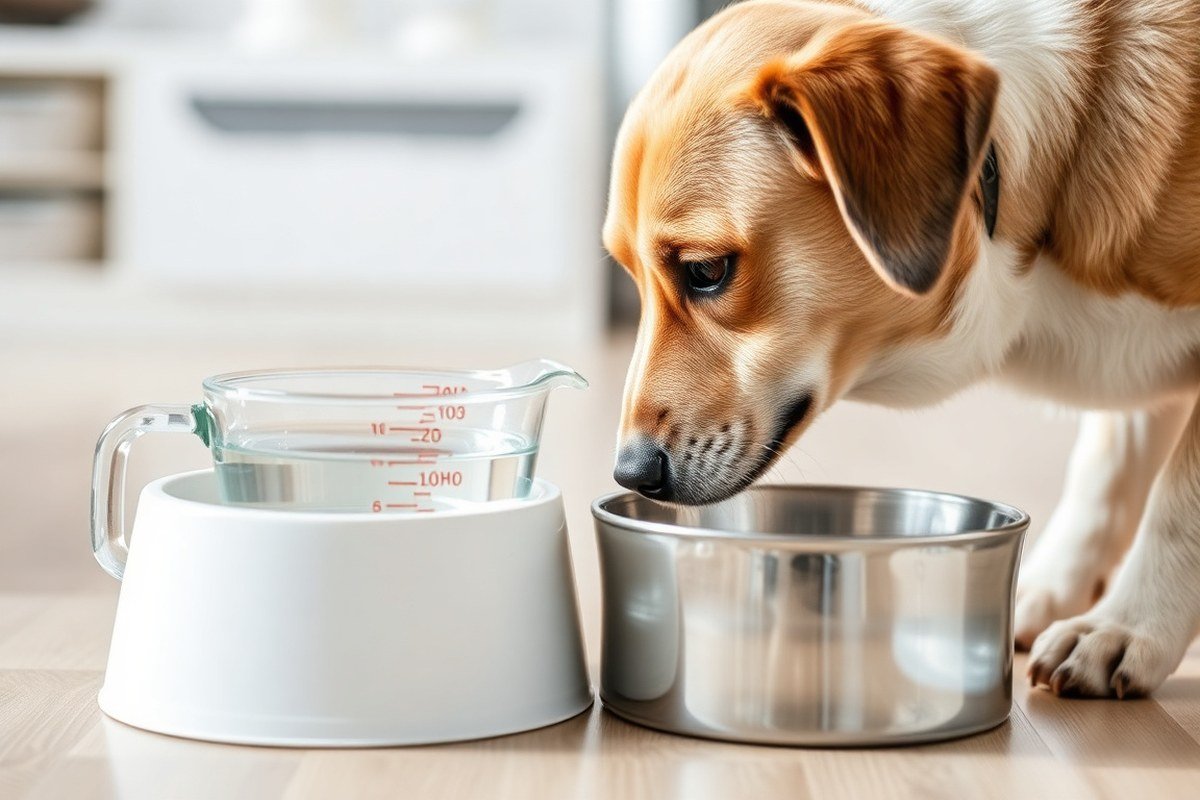
To measure your senior dog’s water intake accurately, start by using a marked container or measuring cup to fill the water bowl with a known volume. Each time you refill the bowl, record the exact amount of water you add. At the end of a 24-hour period, measure any water remaining in the bowl and subtract this from the total amount you put in. This will give you the total water your dog consumed.
Tracking water intake over several days helps you detect consistent changes that may require veterinary attention, especially if the amount exceeds about 100 ml per kilogram of your dog’s weight daily. Keep your measurements consistent by doing them at the same times each day.
- Use a clean measuring cup marked in milliliters or ounces.
- Note down each refill amount and the leftover water at the end of the day.
- Record the time of day and your dog’s behavior when drinking.
- Create a simple daily log, date, amount added, leftover, and calculated intake.
- Repeat measurements for at least 3 to 5 days for a reliable pattern.
- Include notes about any other symptoms like increased urination or lethargy.
Here is a sample intake tracking template you can use:
| Date | Water Added (ml) | Water Leftover (ml) | Water Consumed (ml) | Notes (Behavior, Urination, Other Symptoms) |
|---|---|---|---|---|
| 2024-06-01 | 500 | 100 | 400 | Normal activity, no extra urination |
| 2024-06-02 | 600 | 50 | 550 | More active, frequent urination noticed |
Keeping a detailed record like this can help your veterinarian determine whether your dog’s increased water intake signals an underlying health issue or is within a normal range for its age and condition. This process generally takes just a few minutes each day and requires no special equipment beyond a measuring cup and notebook or digital spreadsheet.
Harmless Reasons Older Dogs May Drink More Water
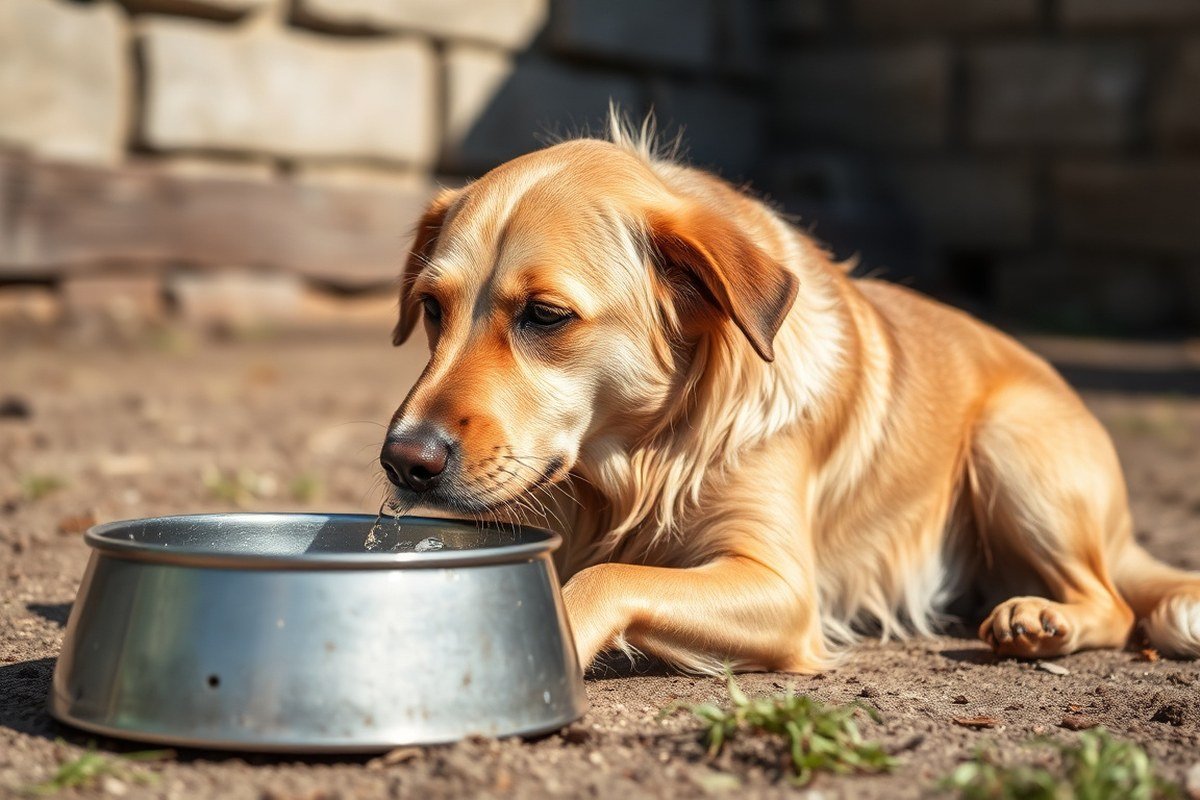
Hot weather and physical activity commonly cause a temporary increase in your older dog’s water intake. During warm days or after a walk, your dog naturally needs extra fluids to stay hydrated and regulate body temperature. For example, on days when temperatures reach above 80°F, expect a moderate uptick in drinking, especially if your dog is active outdoors. Providing fresh water and allowing frequent breaks can help manage this harmless thirst increase.
Diet changes also influence water consumption. Switching to dry kibble from wet food requires your dog to drink more since dry food contains less moisture. Adding new treats or salty snacks can prompt extra drinking as well. Tracking how much water your dog consumes before and after diet changes helps you spot normal adjustments versus unusual spikes. Water intake rising moderately for a day or two after a new diet is typically harmless.
Behavioral reasons can lead to increased drinking in some older dogs. Anxiety caused by changes in the household, loud noises, or new routines might cause your dog to drink more water. A rare condition called psychogenic polydipsia results in compulsive water drinking without a physical cause. Observe your dog’s overall behavior: if they seem restless, pacing, or obsessed with water bowls, behavioral factors might be involved. Offering reassurance, maintaining a calm environment, and enriching their daily routine may reduce excessive drinking linked to anxiety.
Distinguishing harmless causes involves considering recent environmental, dietary, and activity factors and comparing water intake against those changes. Your dog drinking more water only on hot days or after exercise and seeming healthy likely means the extra thirst is normal. Watch for persistent, sudden increases lasting more than two days or changes accompanied by other symptoms like weight loss or lethargy, which require veterinary evaluation.
Common Medical Conditions Behind Excessive Drinking in Older Dogs
Increased water intake in older dogs often signals underlying medical problems such as Diabetes mellitus, kidney disease, Cushing’s disease, and liver issues. These conditions cause your dog to drink more as the body tries to compensate for fluid loss or metabolic imbalances. For example, diabetes mellitus leads to sugar spilling into the urine. This causes your dog to urinate frequently, which triggers more thirst to replace lost fluids. You might also notice weight loss despite a healthy appetite as a key sign of diabetes.
Kidney disease is another common issue in senior dogs linked with polydipsia. The kidneys lose their ability to concentrate urine, making your dog urinate more and drink increased amounts of water to avoid dehydration. Additional symptoms include lethargy and a dull coat. Blood tests showing improve BUN (blood urea nitrogen) and creatinine alongside low urine specific gravity confirm reduced kidney function.
Cushing’s disease, caused by excess cortisol production, disrupts fluid balance in the body. Dogs with this condition often develop a pot-bellied appearance and increased thirst and urination. Lab tests detect improve liver enzymes, cholesterol, and altered white blood cells in affected dogs. Liver problems can also trigger raised water intake, with signs such as vomiting, loss of appetite, or jaundice.
It’s important to monitor other symptoms like changes in urination, coat condition, energy levels, and appetite. Dogs with kidney disease, diabetes, or Cushing’s disease usually show increased urination along with excessive drinking. Restricting water is dangerous because your dog needs fluids to make up for losses. Early vet diagnosis helps manage these diseases effectively, improving your dog’s quality of life.
When to See the Vet: Signs Your Dog Needs Medical Attention
Increased water intake in older dogs often signals a need for veterinary evaluation, especially when combined with other signs. Watch for symptoms like heavy breathing, lethargy, vomiting, diarrhea, or changes in urination frequency. Dry gums, sunken eyes, or skin that stays pinched instead of springing back quickly point to dehydration and require prompt care. These symptoms could indicate serious conditions such as kidney disease or diabetes, which worsen without treatment.
It’s reasonable to monitor a dog for up to 24 to 48 hours if the increased drinking is mild and no other symptoms appear. However, any worsening or addition of symptoms means you should not delay seeking veterinary help. Heat-related thirst during warm weather is common, but signs of exhaustion or overheating mandate immediate attention.
- Persistent excessive drinking for more than two days
- Heavy or rapid breathing
- Vomiting or diarrhea
- Urinating more or less than usual
- Lethargy or unusual weakness
- Dry gums, sunken eyes, or slow skin elasticity
- Sudden weight loss or changes in appetite
Prepare for your vet visit by noting how much water your dog drinks daily and any other symptoms observed. Record changes in urination, eating, and activity levels to help your vet assess the situation accurately. Bring a list of current medications, supplements, recent diet changes, and environmental factors like temperature or stress. Having this information streamlines diagnosis and guides the vet in recommending diagnostic tests or treatments tailored to your older dog’s needs.
What Diagnostic Tests Identify Causes of Excessive Thirst?
Your veterinarian will typically begin diagnosing excessive thirst in an older dog by confirming the increased water intake is genuine through your observations and veterinary assessment. A common first step involves Blood work to evaluate internal organ function, blood sugar levels, and detect inflammation or infection. Blood samples help reveal conditions like diabetes mellitus or kidney disease, which often cause increased drinking. This test usually requires a visit to the clinic where a small amount of blood is drawn and sent to a laboratory for analysis, with results often available within 24 to 48 hours. Costs vary by location but often range from $75 to $150.
Urinalysis is another essential test. It measures urine concentration and checks for abnormal substances such as glucose, protein, or infection markers. Proper collection involves obtaining a fresh midstream urine sample, which you might collect at home following your vet’s instructions or during your visit. The test helps differentiate causes like diabetes or kidney issues by showing if the urine is dilute or concentrated. Clear results can indicate whether the body is properly regulating fluids or losing water excessively.
If blood and urine tests don’t provide clear answers but excessive thirst remains, vets may recommend Imaging techniques such as X-rays or ultrasound. These help detect abnormalities in organs like the kidneys, liver, or adrenal glands that could contribute to increased thirst. Imaging procedures typically require sedation or specialized equipment and can cost several hundred dollars, depending on the clinic.
In rare or complex cases, a vet might perform a Water deprivation test under close supervision to distinguish between diabetes insipidus and behavioral causes. This test slowly restricts water under controlled conditions, monitoring urine concentration and hydration status. Because dehydration risks exist, this test must be done in a veterinary hospital setting.
Interpreting results depends on combining your dog’s drinking patterns with these test outcomes. For example, improve blood sugar alongside dilute urine strongly suggests diabetes, while normal blood work and urine but persistent thirst may point to less common causes. Your vet uses these data to guide treatment without restricting your dog’s water, ensuring comfort and safety.
How Medications and Cancer Can Affect Drinking Habits
Medications like steroids and diuretics can cause your older dog to drink more water. These drugs increase thirst because steroids affect hormone levels that regulate fluid balance, while diuretics promote fluid loss through urine, triggering your dog to drink more to stay hydrated. Keep an eye on any new prescriptions or treatment changes, and note if the increased drinking started soon after medication began. If your dog’s water intake doubles or accidents occur in the house, contact your vet rather than limiting water, as this can lead to dehydration.
Cancer and tumors may also lead to higher water consumption. Tumors, especially those affecting organs like the kidneys, liver, or adrenal glands, can disrupt normal body processes and increase thirst. For example, certain cancers produce hormones that trigger excessive drinking. Watch for warning signs such as noticeable weight loss despite normal or increased eating, changes in urination frequency, or unusual lethargy. These symptoms paired with increased thirst warrant a prompt veterinary evaluation to identify the underlying tumor and begin treatment.
Carefully tracking your dog’s drinking habits daily helps detect these issues early. Measure the amount of water offered and leftover each day to spot sustained rises. This practice supports timely diagnosis and improves treatment success, potentially slowing disease progression. Medication adjustments or cancer treatments might reduce excessive thirst once the root cause is addressed. Never reduce your dog’s water access without veterinary advice, as dehydration poses serious risks, especially in older dogs.
How Age, Breed, Diet, and Environment Affect Water Needs
Age, breed, diet, and environment all influence a senior dog’s water needs. Larger breeds tend to require more water simply due to their size, while smaller breeds need less. Older dogs experience metabolic shifts that can alter their hydration demands, often increasing thirst as their kidneys become less efficient. Switching from wet food, which contains about 70 to 80 percent water, to dry kibble often leads to higher water consumption because dry food lacks moisture. Weather changes also matter: in hot or dry climates, or during indoor heating in winter, dogs will usually drink more to stay hydrated. The following table highlights typical factors affecting water intake, showing how each one impacts daily water needs and what you can do in each situation.
| Factor | Effect on Water Intake | What You Can Do |
|---|---|---|
| Breed Size | Larger breeds drink more; small breeds less | Offer larger water bowls for big breeds; monitor smaller pups’ intake carefully |
| Age | Older dogs may drink more due to metabolic changes | Regularly measure water intake to spot abnormalities |
| Diet Type | Dry kibble eaters drink more than wet food eaters | Increase water availability if switching to dry food; consider wet food to maintain hydration |
| Climate | Hot/dry environments increase water needs | Provide fresh water frequently; cool water bowls help in summer |
| Activity Level | More active dogs require more water | Offer water before and after walks; consider water breaks during exercise |
Tracking your dog’s water intake is easier with a marked water bowl that lets you see daily consumption. Sudden diet changes from wet to dry or switching food brands may cause noticeable increases in drinking. Increasing water availability during hot weather or after play prevents dehydration. If water intake rises without clear environmental or dietary reasons, that’s when closer observation or vet consultation becomes necessary.
Step-by-Step Action Plan for Managing Your Older Dog’s Increased Thirst
Track and respond to your senior dog’s water intake carefully to help spot issues early and ensure their comfort and health.
- Day 1: Measure your dog’s water consumption using a marked container and note the amount per day for at least one week. Check if the volume is significantly higher than normal for their size and breed.
- After 1 week: Look for any changes in your dog’s behavior or health alongside increased water intake, such as increased urination, lethargy, or appetite changes.
- Day 8, 10: Evaluate diet and environment, ensure your dog’s food isn’t too salty and the temperature isn’t unusually hot, both of which can cause more thirst.
- Week 2: Consult your vet if measured water intake remains high or if your dog shows signs like frequent urination, weight loss, or vomiting, which could signal underlying health problems.
- During the vet visit: Ask about diagnostic tests to rule out common conditions such as kidney disease, diabetes, or Cushing’s disease, especially if your dog is on medications or has cancer.
- After diagnosis: Follow treatment or management plans prescribed by your vet, which may include dietary changes, medication adjustments, or regular monitoring of drinking habits.
- Ongoing: Continue tracking water intake and observe for any new symptoms or changes, contacting your vet if concerns arise.
Frequently Asked Questions
What Does It Mean When an Older Dog Starts Drinking a Lot of Water Suddenly?
A sudden increase in water intake often indicates a medical issue, so monitor your dog closely and schedule a vet visit if the change lasts more than 24, 48 hours. Always note any additional symptoms like lethargy or frequent urination.
Can Increased Water Drinking in Senior Dogs Be Harmless?
Yes, harmless reasons include mild heat, increased exercise, or changes in diet, but these usually come with obvious triggers and don’t last long. Keep tracking your dog’s intake to spot unusual patterns.
How Can I Accurately Measure My Older Dog’s Water Intake?
Use a measuring container to fill your dog’s bowl, then record the daily water consumed for 3 to 5 days. This helps establish if the intake exceeds 100 ml/kg/day, which could require veterinary attention.
What Medical Conditions Cause an Older Dog to Drink More Water?
Conditions like chronic kidney disease or diabetes often cause increased thirst in senior dogs. Veterinary tests are necessary to diagnose and treat these underlying issues.
When Should I Take My Older Dog to the Vet for Drinking a Lot of Water?
Visit the vet if your senior dog drinks excessively for more than 48 hours, especially if paired with symptoms like frequent urination or lethargy. Early diagnosis can improve management of health problems.
The Bottom Line
Increased water intake in older dogs has various causes, from harmless factors to serious medical conditions. Timely measurement and careful observation help you detect problems early. Make an appointment with your veterinarian if your dog’s thirst stays high or if you spot additional symptoms. Taking action now can make a significant difference in your dog’s well-being.