Why Is My Dog Coughing? Clear Causes, Home Care & When to Act
Why is my dog coughing? A dog cough can result from mild irritations to serious health problems, including allergies, infections, or heart issues. For a mild dry cough, letting your dog breathe humidified air for 10, 15 minutes can soothe irritated airways quickly.
Key Takeaways
- If your dog’s cough lasts longer than 2-3 days, worsens, or comes with other symptoms, seek veterinary care promptly.
- Many coughing dogs do not show other signs like loss of appetite or energy, so monitor your pet carefully.
- Using a HEPA air filter at home reduces allergens and irritants that may trigger or worsen coughing.
- Bacterial infections may require a 7-10 day antibiotic course if cough worsens or nasal discharge appears after 10 days.
- Chest x-rays and a thorough exam help vets diagnose the cause of persistent coughing in dogs accurately.
- Expect initial vet visit costs between $200 and $500, covering exams, imaging, and medication if needed.
Common Causes Behind Your Dog’s Cough
Coughing in dogs can signal a range of health issues, from minor irritants to serious diseases. One of the most frequent causes is Kennel cough, an infectious respiratory disease common in dogs that have recently been in close contact with others, such as in boarding or daycare. Kennel cough often produces a harsh, hacking cough ending with gagging or retching, sounding like a combination of a cough and throat-clearing.
Infections like pneumonia also cause coughing but tend to produce wet, productive coughs where fluid builds up in the lungs. Such infections usually require veterinary care within 24 hours due to the higher risk of complications. Chronic bronchitis causes ongoing airway inflammation leading to a persistent cough lasting beyond typical kennel cough recovery times, which usually last 1 to 3 weeks.
Allergies or irritants, including dust, smoke, or pollen, trigger coughing by inflaming the airways. These often result in wheezing or dry coughing that may worsen with exposure to the irritant and improve once it’s removed. Managing the environment can help reduce coughing caused by allergies.
Heart disease sometimes causes coughing due to pressure or fluid buildup affecting the lungs. Unlike chronic coughs, heart issues often cause coughing at rest or during sleep and may be accompanied by other symptoms like weakness or rapid breathing. According to Molly Wozniak, fluid buildup from heart disease rarely causes a chronic cough but may cause acute respiratory distress that needs urgent care.
| Cough Type | Likely Cause | Typical Sound or Pattern | Common Triggers |
|---|---|---|---|
| Harsh, hacking | Kennel cough | Ends with gag/retch | Contact with other dogs |
| Wet, productive | Pneumonia or lung infection | Moist, gurgling | Lung infections |
| Wheezing, dry | Allergies or irritants | May worsen with exposure | Dust, pollen, smoke |
| Persistent, soft at night | Heart disease | Cough at rest or exertion | Older small breeds, heart issues |
| Dry “goose honk” | Collapsed trachea | Worsens with excitement | Small breeds |
When Is a Dog Cough Serious and Needs a Vet Now?
Some dog coughs are harmless and short-lived, but others need immediate veterinary attention. You should seek emergency care if your dog coughs frequently or shows other signs like difficulty breathing, collapsing, or coughing up blood. These symptoms can indicate serious problems such as heart failure or airway obstruction.
Watch for sudden severe coughing combined with pawing at the mouth or gagging, which might mean your dog has something stuck in its throat. Persistent coughing lasting more than a few days also needs veterinary evaluation, especially if your dog seems lethargic, has nasal discharge, or has an abnormal temperature above 103°F (39.4°C).
A simple decision checklist for when to get urgent vet care: if your dog is coughing but otherwise acting normal and the cough is rare, you can observe them for up to 48 hours. However, call a vet immediately if coughing happens often, worsens, or is accompanied by any of these warning signs: labored breathing, blue or pale gums, weakness, or signs of pain.
When you contact your vet, describe the cough’s sound, frequency, and any other symptoms. Emergency care can involve oxygen therapy, X-rays, or removal of a foreign object. Early vet visits may cost $100 to $300, depending on diagnosis and treatment, but waiting could risk worsening health or expensive emergency procedures.
Safe Home Care Steps to Help a Coughing Dog
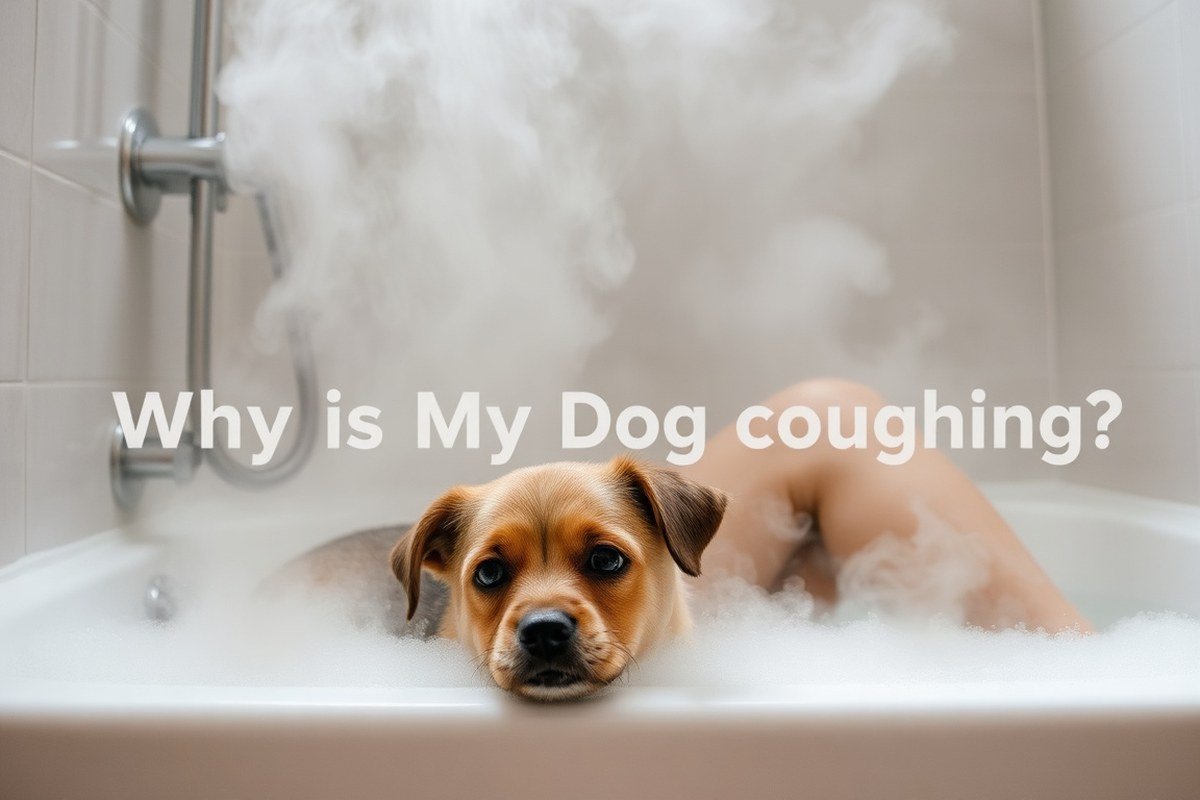
Humidifying the air can soothe your dog’s irritated airways and reduce coughing. You can do this by sitting with your dog in a bathroom filled with steam from a hot shower for about 10 to 15 minutes. Avoid very hot temperatures to prevent burns or discomfort. This moist air helps loosen mucus and calms dry coughs, especially those caused by temporary irritants like dust or smoke. Commercial humidifiers work well too, but keep them clean to avoid mold growth that might worsen symptoms.
Reducing environmental irritants is key. Remove or limit exposure to smoke, strong cleaning sprays, scented candles, or aerosol products in your home. Keep your living space free from heavy dust and pollen by vacuuming regularly with a HEPA filter vacuum and using air purifiers when possible. Since allergens can inflame your dog’s airways, minimizing these triggers can prevent coughing flare-ups.
Do not give your dog human cough medicine or any over-the-counter drugs without veterinary approval. These medications may contain ingredients harmful to dogs or mask symptoms that need medical attention. Also, avoid feeding home remedies like honey or herbs without consulting your vet, as some can cause digestive upset or interact with other treatments.
Keep your dog calm and limit active play or leash-pulling while coughing. Excitement can worsen the cough by putting extra strain on the airways. If the cough persists more than a few days, sounds harsh, or your dog shows other symptoms like loss of appetite or difficulty breathing, contact your vet promptly. At-home care should support comfort but is not a substitute for professional diagnosis and treatment.
How Vets Diagnose and Treat a Dog’s Cough
Your veterinarian starts diagnosing your dog’s cough by taking a detailed history, including how often your dog coughs, what the cough sounds like, and when it happens. This information helps narrow down potential causes, such as kennel cough or tracheal collapse. The vet then performs a physical exam, listening to your dog’s lungs and airway with a stethoscope to identify abnormal sounds like crackling or wheezing.
Common diagnostic tests include chest X-rays, which offer a clear image of the lungs, heart, and airway structures. These help detect conditions like pneumonia or bronchitis. Blood tests may be ordered to check for infections or heartworms, another possible cause of coughing. In some cases, the vet might recommend a throat or nasal swab, especially if kennel cough is suspected.
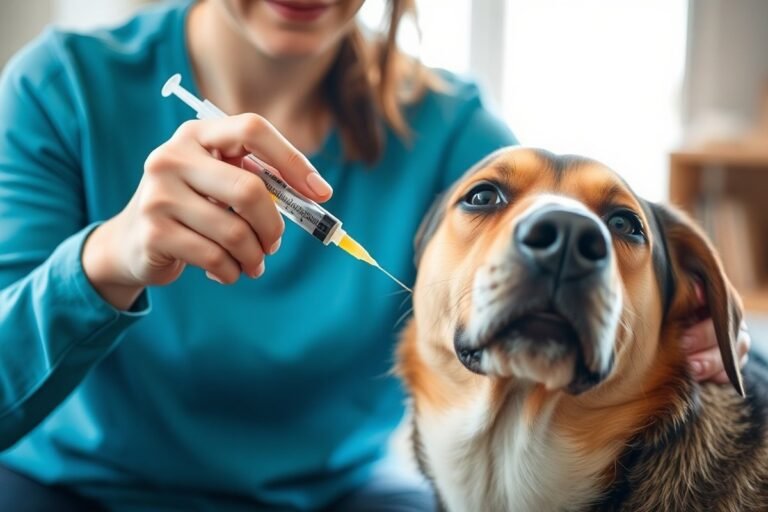
Treatment depends on the underlying cause your vet identifies. For bacterial infections, antibiotics are prescribed, usually for 7 to 14 days. Cough suppressants may be given to reduce irritation, particularly with chronic bronchitis. Some dogs benefit from metered-dose inhalers to deliver medication directly to the lungs, especially if tracheal collapse or asthma is involved. Your vet will also advise you on supportive care like rest and avoiding irritants.
The cost of diagnosis and initial treatment usually ranges between $200 and $500, depending on the number and type of tests performed and medications prescribed. Factors like the dog’s size, severity of symptoms, and geographic location can influence prices. Emergencies or advanced imaging like CT scans will increase expenses. Knowing what tests to expect and discussing budget with your vet helps plan your dog’s care effectively.
Avoiding Mistakes and Keeping Your Dog’s Airways Healthy
Common mistakes that worsen your dog’s cough often involve over-exertion and improper collar use. Using a collar instead of a harness can put pressure on your dog’s trachea, especially in small breeds prone to honking-type coughs. Switching to a harness reduces airway irritation by distributing pressure across the chest. Also, allowing your dog to engage in high-energy activities during a coughing episode can trigger more fits and delay recovery. Keep walks calm and short, stopping immediately if your dog’s breathing worsens.
To Prevent repeated coughing episodes, focus on reducing exposure to triggers. Environmental allergens like dust, pollen, and smoke can inflame your dog’s airways, causing repeated coughs. Using a certified True HEPA air purifier indoors captures 99.97% of airborne particles, significantly cutting down allergens. Regularly bathing your dog with a gentle, moisturizing shampoo also removes allergens clinging to the coat. Keep your dog’s vaccinations current for Bordetella and canine influenza to protect against kennel cough, especially if they attend daycare or dog parks.
Creating a supportive environment means monitoring air quality and humidity. Moderate humidity soothes irritated airways but avoid excessive moisture that promotes mold growth. Provide fresh water at all times to help loosen mucus and soothe the throat. Rest in a quiet, calm space supports recovery by limiting excitement-triggered coughing. In your care routine, these changes support your dog’s Healthy airways and reduce the chance of coughing returning. Here’s a quick comparison of helpful at-home steps: using a harness avoids trachea pressure compared to collars; calm, short walks reduce excitability unlike long, energetic outings; clean, humid air soothes airways better than dry or smoky environments; consistent hydration comforts the throat, but frequent coughing after drinking still needs veterinary attention; and quiet rest encourages healing while activity may prolong symptoms.
Step-by-Step Action Plan to Support Your Coughing Dog
Follow these steps to monitor your dog’s cough, provide safe care, and decide when to see a vet. This plan helps you act quickly while protecting your pet’s health.
- Day 1: Observe the cough frequency and type. Note if it’s dry, moist, or accompanied by gagging or nasal discharge. This helps identify if the cough might be serious.
- Day 2-3: Remove or limit exposure to potential irritants like smoke, dust, or strong cleaning products. Improvement suggests the cough might be due to environmental triggers.
- Day 3-5: Keep your dog calm and avoid strenuous exercise. A decrease in coughing during rest can indicate mild irritation rather than a serious condition.
- Day 5: Offer plenty of fresh water and a comfortable resting area. Hydration and rest support your dog’s recovery if the cough is minor.
- Within 1 week: Check for any new signs like difficulty breathing, loss of appetite, or lethargy. If these appear, contact your vet immediately.
- Before 2 weeks: If the cough persists without improvement or worsens, schedule a veterinary exam. Persistent coughing often needs professional diagnosis and treatment.
- At the vet visit: Share your observations about the cough and any other symptoms. This helps the vet make an accurate diagnosis quicker.
- After treatment starts: Follow the vet’s instructions on medications and care strictly. Monitor your dog’s response and report any side effects or lack of improvement.
Frequently Asked Questions
Why Is My Dog Coughing a Dry Honking Sound?
This often signals Tracheal collapse common in small breeds. It happens when the windpipe weakens, causing honking coughs and gagging, especially during excitement or exercise.
Can My Dog Catch Kennel Cough from Other Pets?
Yes, Kennel cough is contagious and spreads through airborne droplets. Vaccines are effective, so ask your vet about them to protect your dog, especially if they socialize with other dogs.
Could My Dog’s Cough Be Related to Heart Problems?
Heartworm disease can cause coughing and breathing issues. When your dog coughs along with weakness or shows intolerance to exercise, you should have a vet examine them because heartworm requires specific treatment.
What Should I Do If My Dog Coughs Nonstop?
Persistent coughing means you should Visit a vet promptly. Nonstop coughing risks airway damage and often signals serious issues like infection or chronic bronchitis needing professional care.
Is a Cough from Allergies in Dogs Treated Differently?
Yes, Allergy-induced coughs improve with antihistamines like Benadryl and limiting exposure to allergens. Always confirm with a vet for safe dosing before giving medication.
Wrapping Up
A dog’s cough can stem from many causes, from minor irritants to serious illnesses, so watching symptoms closely is key. Acting promptly by observing your dog, providing comfort, and seeking veterinary advice as needed helps prevent complications. Start by noting the type and pattern of the cough today, so you can take timely steps for your dog’s health.