What Kind of Dog Is Bluey? A Complete Guide to Blue Heelers and More
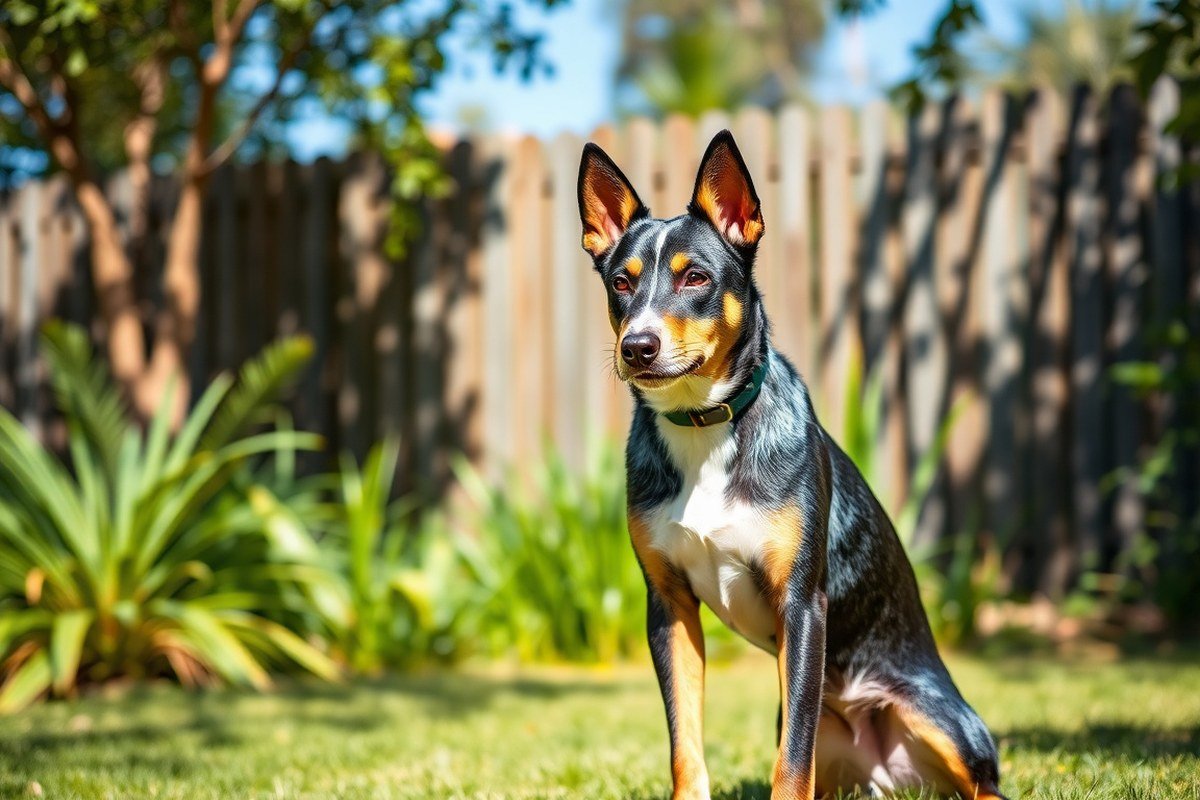
Bluey is a Blue Heeler, which is another name for an Australian Cattle Dog. This breed is medium-sized and full of energy, with strong intelligence and loyalty. Learning about the Australian Cattle Dog’s special qualities helps you see why Bluey fits well with families.
Key Takeaways
- Blue Heelers typically weigh between 35 and 50 pounds and stand 17 to 20 inches tall at the shoulder.
- They are known for their strong work ethic and were originally bred for herding cattle.
- Blue Heelers often live 12 to 16 years, with proper care extending their healthy lifespan.
- Socialization and mental stimulation are key to avoiding behavioral problems in this active breed.
- Routine veterinary visits generally cost $75 to $150 but watch for costly treatments if health issues arise.
- Despite their high energy, Blue Heelers bond deeply with families and can be great companions for children.
What Dog Breed Is Bluey and What Defines It?
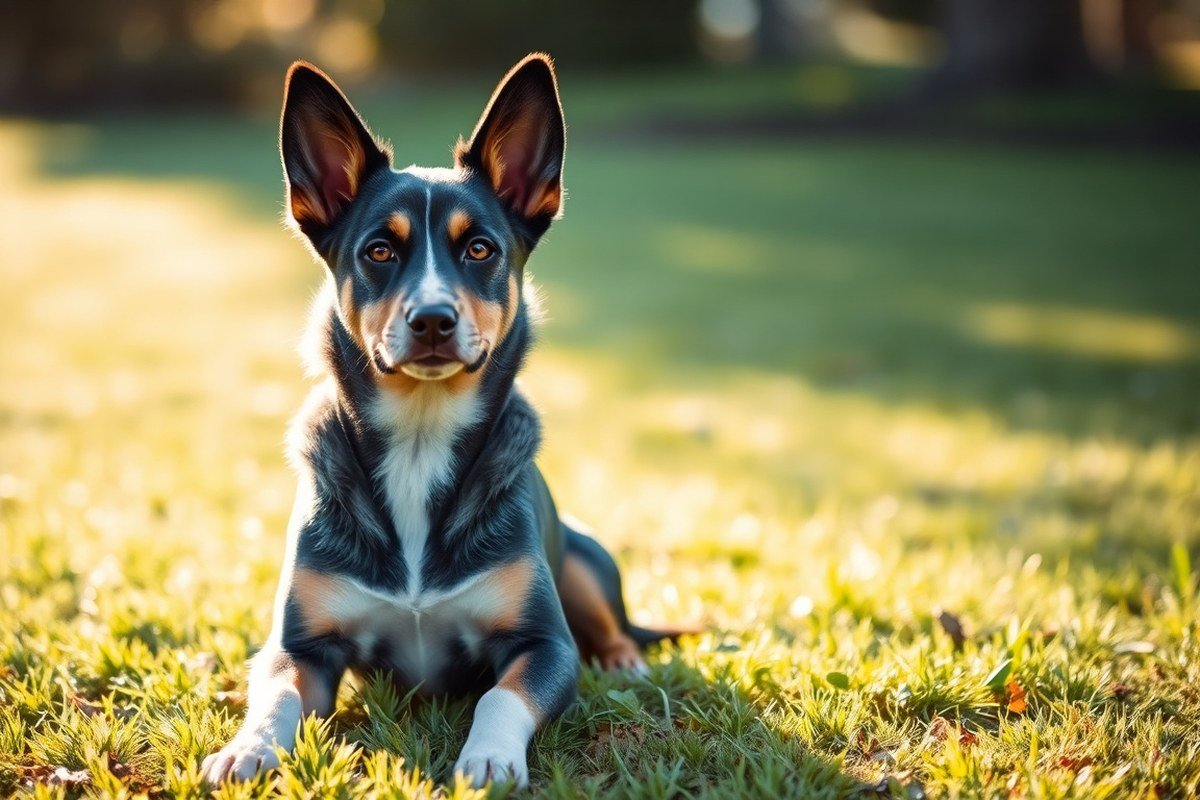
Bluey belongs to the Australian Cattle Dog breed, often called a Blue Heeler. This breed stands out for being smart, quick, and hardworking. Developed in Australia during the 1800s, Australian Cattle Dogs were created to drive cattle across rough and long land. Their strong, muscular bodies are perfect for tough, lasting labor.
Typical physical traits include a medium size, with adult males usually weighing between 35 and 50 pounds and standing around 18 to 20 inches tall at the shoulder. Their coat is short and dense, designed to protect against heat and rain. Blue Heelers have a unique blue or blue-mottled coloration caused by black, gray, and white hairs mixed together. This distinguishes them from the red variety of Australian Cattle Dog, often called Red Heelers, which have reddish or tan coats.
The term Blue Heeler is a nickname derived from the breed’s habit of nipping at the heels of cattle to herd them. While “Australian Cattle Dog” is the breed’s official name, Blue Heeler highlights the color and working behavior. Both names refer to the same breed, although Blue Heeler is used more informally, especially in Australia.
| Characteristic | Blue Heeler (Australian Cattle Dog) |
|---|---|
| Size | Medium: 35-50 pounds, 18-20 inches tall |
| Coat Color | Blue mottled (black, gray, white mix) |
| Coat Type | Short, dense, weather-resistant |
| Breed Names | Australian Cattle Dog, Blue Heeler |
| Origin | Australia, 19th century cattle herding |
The size and coat of Bluey’s breed make it both agile and durable for outdoor tasks, explaining why this breed excels in working roles. The blue coloration sets the Blue Heeler apart visually from other variations within the same breed. Knowing these specifics helps you understand what to expect physically when encountering or caring for a Blue Heeler like Bluey.
Temperament and Behavior Traits of Bluey’s Breed
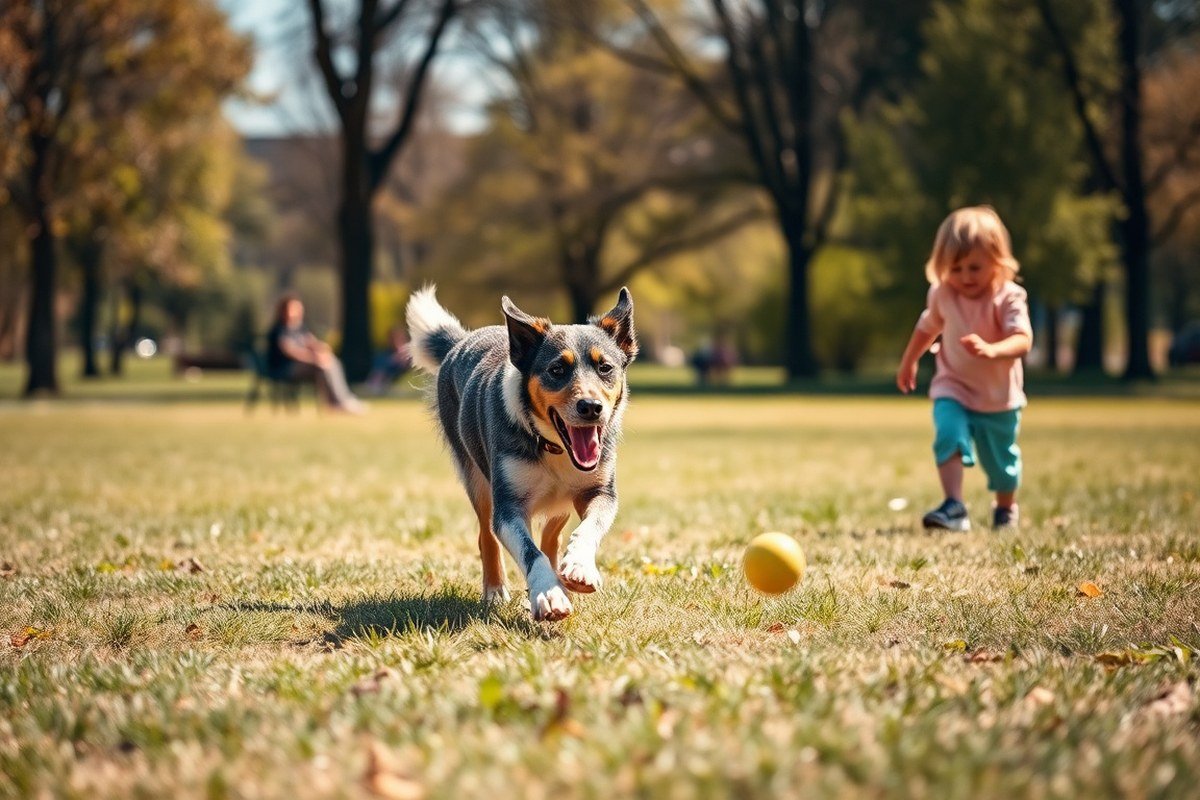
Australian Cattle Dogs, also known as Blue Heelers, are renowned for their intelligence, energy, and loyalty. These dogs are highly energetic and require plenty of physical activity and mental challenges daily. Without enough exercise, they can become bored and develop unwanted behaviors like excessive barking or chewing. Their intelligence makes them quick learners, but they also need consistent training and mental stimulation to stay happy and well-behaved.
Australian Cattle Dogs are known for being vigilant, brave, and self-reliant. They tend to be cautious around new people but develop close connections with their owners. These dogs fit well in homes with older kids who know how to handle high-energy pets safely. Their natural drive to protect and herd can cause behaviors like nipping or herding, which needs careful training and attention.
Comparing Bluey’s animated personality to real Blue Heelers, the character displays the well-known traits of her breed: curiosity, friendliness, and an adventurous spirit. While the show presents Bluey as sociable and playful with all ages, real Heelers might be more cautious and selective about social interactions. They tend to require a more active household than the typical dog because of their drive to work and play outdoors extensively.
Australian Cattle Dogs like Bluey do best with families that stay active and offer clear routines to meet their energy and focus needs. Their keen intelligence and loyalty make them excellent companions for those willing to invest time into regular exercise and training. Without this, their natural energy and independence might become challenging to handle.
Other Dog Breeds Featured on Bluey and Their Roles
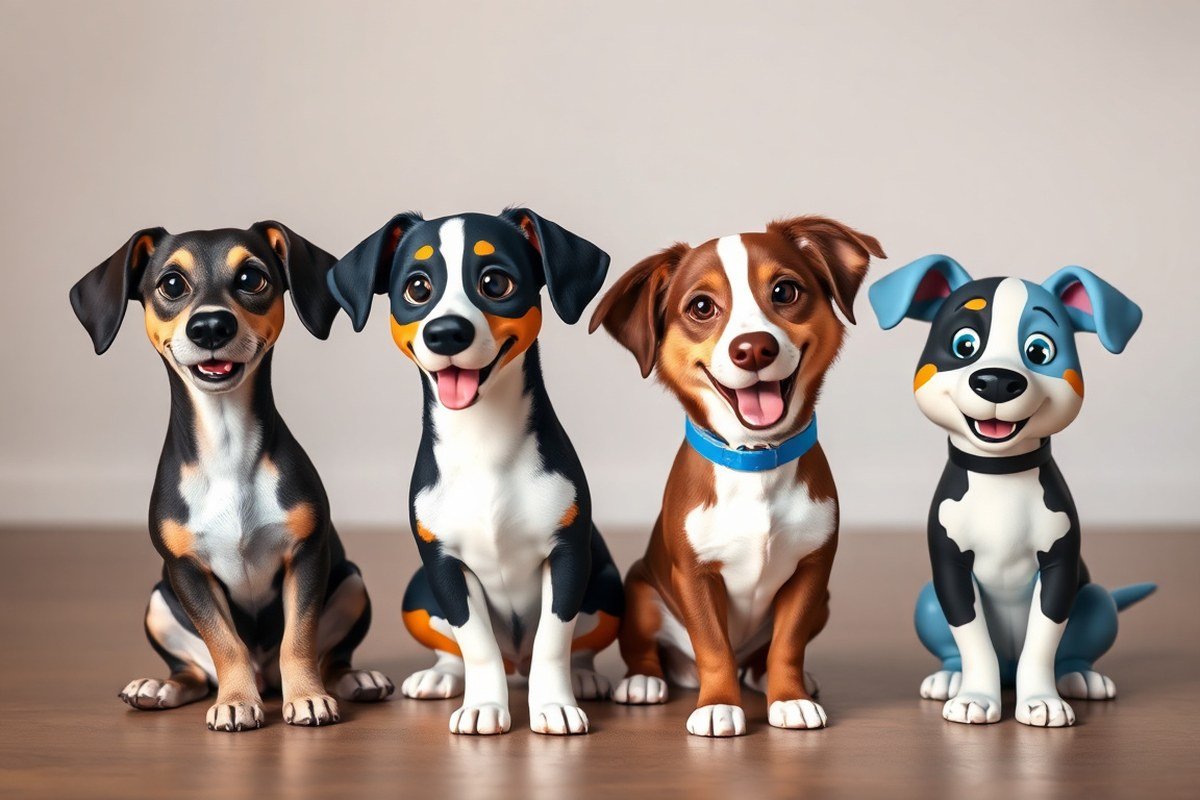
Bluey’s world includes a variety of dog breeds beyond the Australian Cattle Dog, also known as the Blue Heeler. These breeds represent Bluey’s friends and family, each showing unique traits that match their roles in the series and reflect real-life characteristics. Knowing which breed plays what part can help you understand how diverse dog personalities and needs are.
| Character | Breed | Traits | Role in Show |
|---|---|---|---|
| Bluey | Australian Cattle Dog (Blue Heeler) | Energetic, intelligent, hardworking | Main character, playful and curious pup |
| Bingo | Red Heeler (Australian Cattle Dog variant) | Loving, gentle, adventurous | Bluey’s younger sister, supportive and imaginative |
| Bandit (Dad) | Australian Cattle Dog | Protective, active, caring | Father, playful and patient parent |
| Chilli (Mom) | Australian Cattle Dog | Friendly, nurturing, strong | Mother, guide and support for the family |
| Snickers | Dachshund | Curious, brave, sociable | Bluey’s longtime friend, smaller size contrasts with Heelers |
Most of Bluey’s family are Australian Cattle Dogs, known for their high energy and intelligence. Their traits differ noticeably from breeds like Snickers the Dachshund, who is smaller and more sociable, better suited to families wanting a less active dog. Blue Heelers thrive in active families who enjoy outdoor play and mental challenges. Breeds like Dachshunds fit well with quieter homes or owners looking for companionship without demanding intense exercise. Knowing these differences helps match a dog’s traits to your lifestyle needs.
Health, Lifespan, and Care Tips for Bluey’s Breed
Australian Cattle Dogs like Bluey typically live between 10 and 15 years, offering a good lifespan for an active medium-sized breed. Their longevity depends on proper care, regular exercise, and timely health checks due to some common genetic concerns such as hip dysplasia, progressive retinal atrophy, and deafness. Keeping a health checklist for your dog is essential: schedule annual veterinary exams to monitor joint health, hearing, and eye conditions, while staying alert to changes in mobility or behavior that could signal issues.
Grooming needs for Blue Heelers are relatively low-maintenance but important. Their dense double coat requires weekly brushing to remove loose hairs and distribute natural oils. During shedding seasons in spring and fall, increase brushing frequency to several times a week. Bathing should occur only when necessary to avoid drying out their skin. Regularly trim their nails, check their ears for dirt or infection, and maintain dental hygiene by brushing their teeth two to three times per week or providing dental chews.
Nutrition plays a major role in maintaining the health of a breed like Bluey’s. A balanced diet rich in high-quality protein supports their muscular build, while adequate fatty acids promote skin and coat health. Portion control based on activity level is important, as these dogs are highly energetic and require exercise to prevent obesity. Daily physical activity should include at least one hour of vigorous exercise such as hiking, running, or agility training, plus mental stimulation through interactive toys or training games to keep their minds sharp.
Owners interested in a natural approach may explore raw diets or herbal supplements, but always consult a veterinarian before making changes to diet or adding supplements. Good results show in steady weight, shiny coat, and alert behavior, while neglect leads to issues like weight gain, dull fur, or decreased activity. Adopting these care tips ensures that a Blue Heeler stays healthy and happy throughout its lifespan.
Is an Australian Cattle Dog Like Bluey Right for Your Family?
Australian Cattle Dogs like Bluey need a family that matches their energy and intelligence. These dogs thrive on daily physical exercise, such as 60 to 90 minutes of vigorous activity, including hiking, running, or agility training. Without enough movement and mental challenges, they can become bored or destructive. Blue Heelers also require early socialization and consistent training to grow into well-mannered pets. Their strong herding instincts mean they may try to nip or herd children and other animals if not properly guided.
Families considering a Blue Heeler should evaluate their lifestyle and commitments. These dogs do best with owners who have time to devote to training and exercise. They dislike long periods alone and may develop anxiety or behavioral issues if left without interaction. Teaching children how to behave around dogs and involving them in training strengthens the bond and ensures safe play.
- Provide at least 60 minutes of daily exercise, split into energetic walks and playtime
- Use positive reinforcement and short, consistent training sessions to hold their attention
- Start socializing puppies with other dogs, people, and different environments by 8 weeks old
- Include puzzle toys and obedience drills regularly to challenge their intelligence
- Set clear rules about acceptable behavior to prevent nipping or guarding instincts
- Prepare children by explaining how to approach and handle the dog calmly and respectfully
- Consider your day-to-day ability to include the dog in activities to avoid loneliness
The effort invested in meeting these needs results in a well-adjusted Blue Heeler who is a playful, devoted family member. Neglecting exercise or training can lead to common problems like digging, barking, or stubbornness. Tailoring your approach to your dog’s unique personality helps avoid frustration and builds a lasting, positive relationship.
Getting Started with the Right Care for Your Australian Cattle Dog
Follow these steps to help your Australian Cattle Dog, like Bluey, settle into your family and thrive.
- Before bringing your dog home: Research local breeders or shelters carefully to find a healthy Australian Cattle Dog. Confirm their temperament matches your family lifestyle by asking for references or meeting the parents.
- Day 1: Create a safe, quiet space for your dog with food, water, and bedding. Watch if they explore comfortably and eat without stress.
- Week 1: Begin consistent training with basic commands like sit, stay, and come. Note if your dog responds well and appears eager to learn.
- Weeks 2-3: Introduce daily exercise routines like walks and play sessions to meet their energy needs. Check for signs of contentment, like relaxed behavior and fewer signs of restlessness.
- Month 1: Schedule a wellness check with a vet to establish healthcare routines including vaccinations and parasite prevention. Confirm your dog is healthy and happily adjusting.
- Month 2: Engage your dog in socialization with other pets and people in controlled settings. Notice if they remain calm and friendly during interactions.
- After 3 months: Assess your dog’s behavior to identify any challenges such as barking excessively or pulling on the leash. Adjust training techniques or seek professional advice if needed.
- Ongoing: Maintain a balanced diet, regular vet visits, and mental stimulation to support your dog’s long lifespan and well-being.
Frequently Asked Questions
What Breed Is Bluey from the Show?
Bluey belongs to the Australian Cattle Dog breed, often called a Blue Heeler, recognized for being both smart and energetic.
What Makes Bluey’s Breed Unique?
Bluey’s breed is unique for its herding ability and striking blue-speckled coat. They are agile and alert, making excellent working dogs.
Are Bluey’s Family Members the Same Breed?
Yes, most of Bluey’s family are also Australian Cattle Dogs. They share similar traits and behaviors, fitting their herding background.
Does Bluey’s Breed Get Along Well with Children?
Bluey’s breed is typically great with children due to its loyal and protective nature. They enjoy active play and family bonding time.
How Long Do Dogs Like Bluey Usually Live?
Dogs like Bluey, the Australian Cattle Dog, usually live around 12 to 16 years. Some, like the famous Bluey dog, can live much longer with good care.
The Bottom Line
Bluey’s breed, the Australian Cattle Dog, stands out for its intelligence, energy, and loyalty. Understanding these qualities helps you decide if this breed fits your family’s lifestyle. Take a moment to explore local clubs or online groups dedicated to Australian Cattle Dogs to learn from fellow owners and deepen your knowledge. Preparing thoughtfully ensures a rewarding experience for both you and your new furry family member.