How to Remove Dog Hair from Clothes: 5 Proven Methods That Really Work
How to remove dog hair from clothes starts with tackling hair before washing. Toss your clothes in the dryer on an air-fluff setting for about 10 minutes to loosen and trap loose hairs in the lint filter. This simple step can eliminate up to 80% of dog hair, making the washing process much more effective.
Key Takeaways
- Use a lint roller or pet hair removal glove to brush off hair before laundering.
- Run clothes through a 10-minute no-heat dryer cycle with a dryer sheet to catch loose hairs.
- Wash clothes on a high spin cycle (about 1400 rpm) to dislodge hair from fabric fibers.
- Choose laundry detergents designed to break down pet hair and improve rinse effectiveness.
- Clean the washing machine regularly to remove trapped hair and avoid redepositing it on clothes.
- Use rubber gloves or damp sponges to wipe stubborn hair from garments before washing.
1. How to Remove Dog Hair from Clothes Before Washing
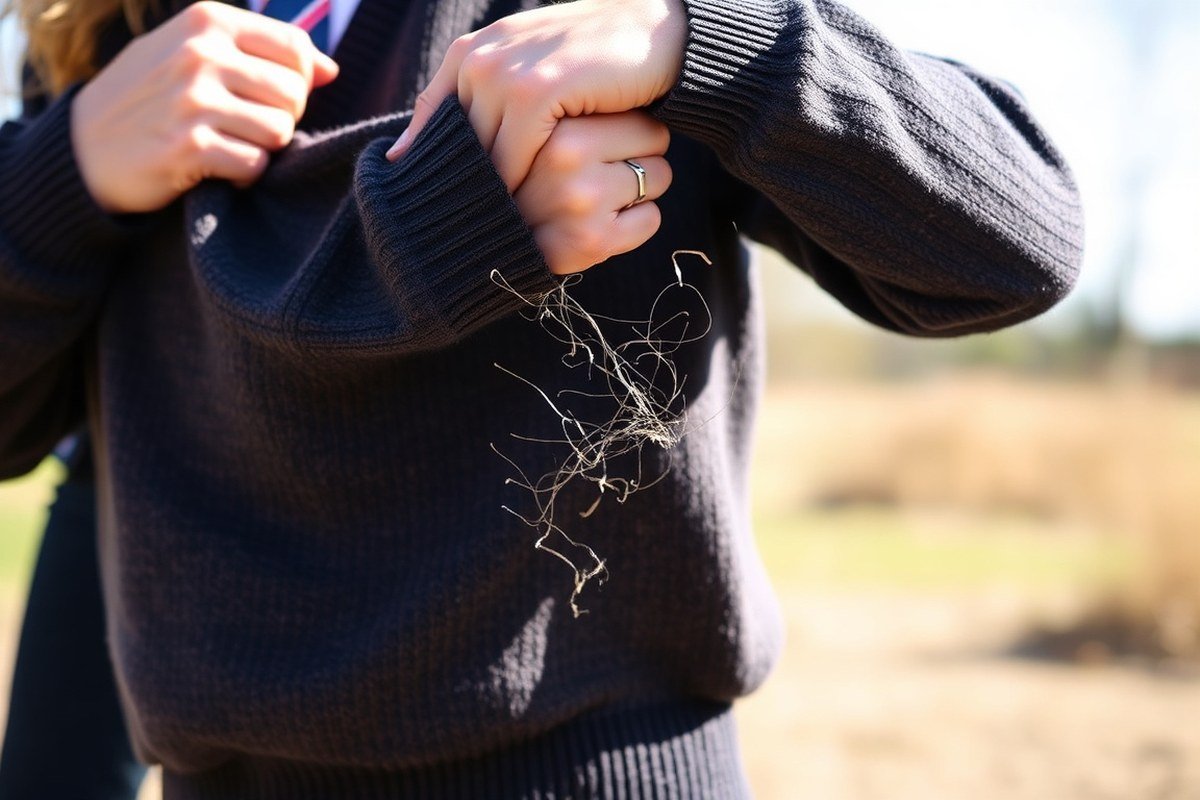
Removing dog hair from clothes before washing reduces the chance of hair embedding further into fabrics and spreading to other laundry. Start by loosening and removing surface hair with manual tools or static-based methods, then tumble dry on a no-heat cycle to capture loose hair in the lint trap. This initial step captures up to 80% of pet hair without damaging your clothes and makes washing more effective. Small amounts of hair can be quickly handled with a rubber glove or lint roller before washing.
- Shake out your clothes vigorously outdoors or over a trash bin to dislodge loose hair.
- Put on a damp rubber glove and run your hand over the fabric. The hair will stick to the glove, making it easy to gather and remove. Repeat as needed, rinsing the glove to clear collected hair.
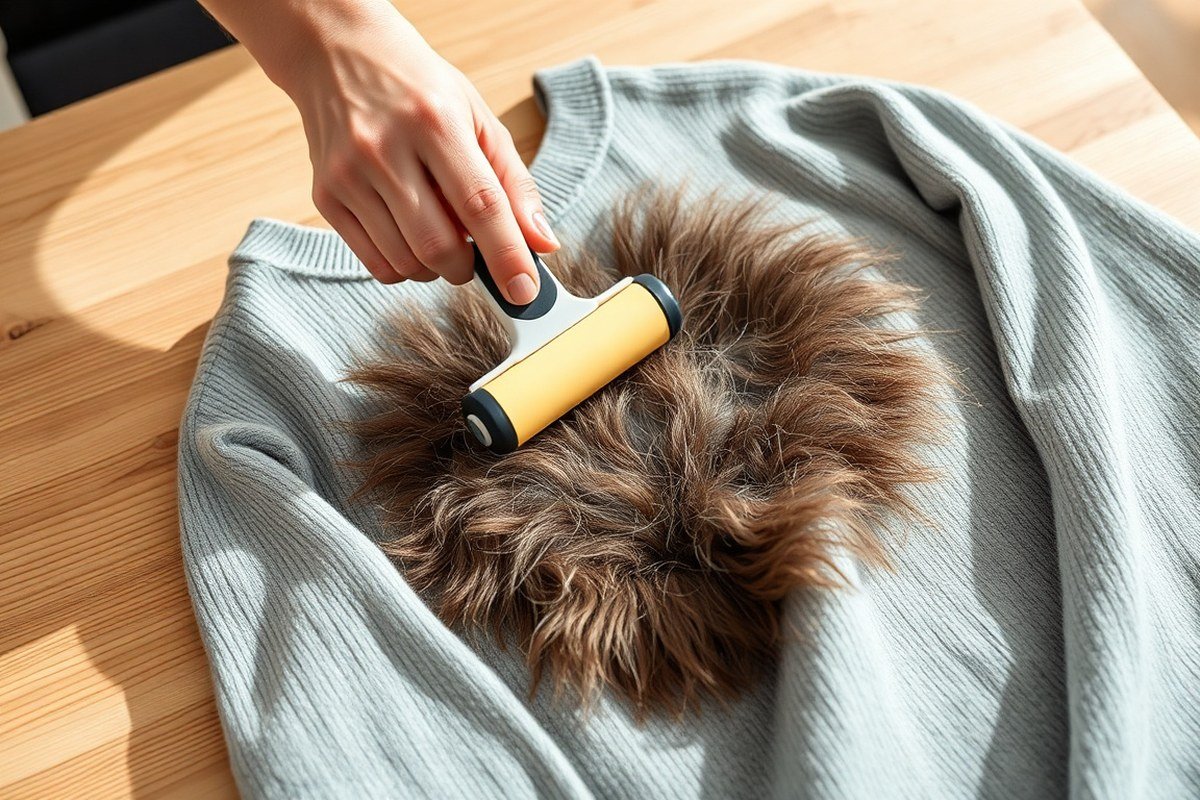
- Use a lint roller or adhesive pet hair remover sheets for quick touch-ups on small pet hair patches, especially effective on collars and cuffs.
- Put your clothes in the dryer by themselves or alongside a dryer sheet, then run the dryer on the air-fluff setting (no heat) for roughly 10 minutes. The tumbling helps detach hair, which ends up in the lint trap.
- Clean the lint trap after the no-heat cycle to remove the gathered dog hair before transferring clothes to the washing machine.
These steps cost little more than time and basic household items. Avoid using heat in the pre-wash drying step to protect delicate fabrics and prevent further embedding hair. Taking these precautions prevents hair transfer onto other laundry, keeps your washer cleaner, and improves your final laundry results. For quick fixes of small pet hair amounts, just damp rubber gloves or lint rollers offer fast, effective removal right before washing.
2. Using the Dryer and Laundry Products to Remove Dog Hair
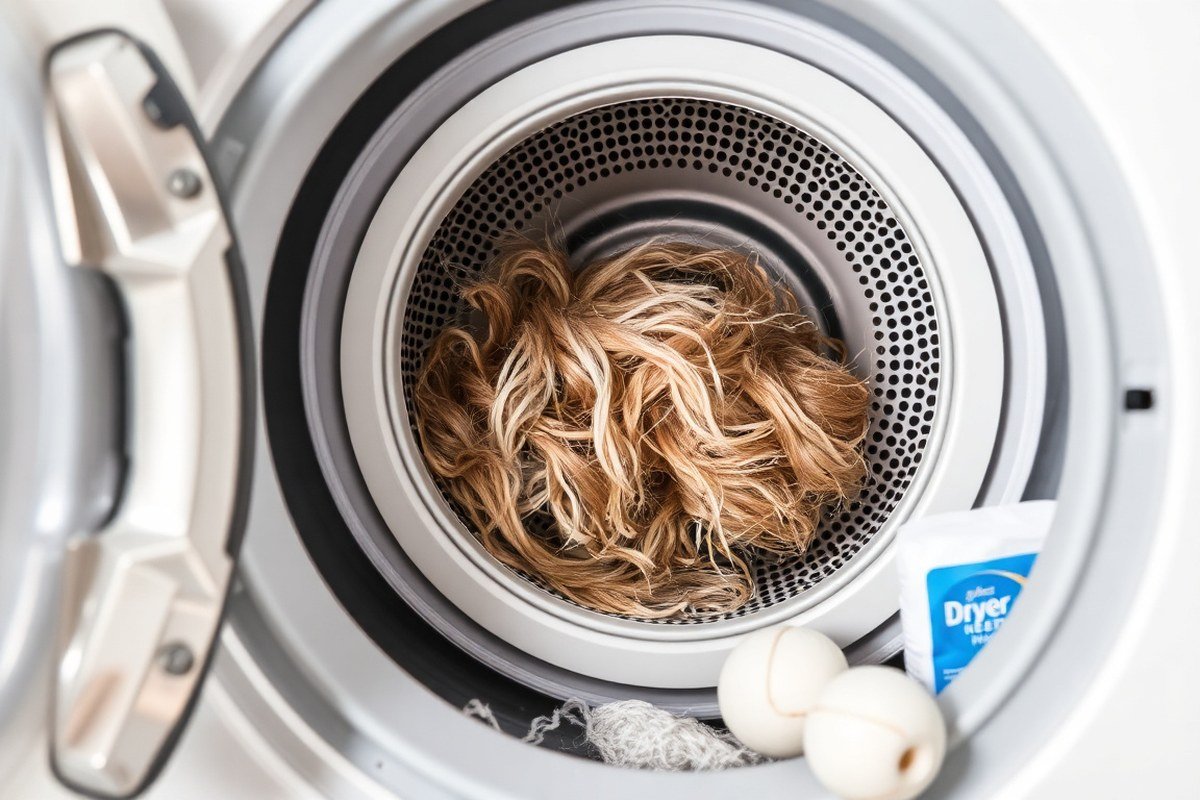
Yes, the dryer can significantly reduce dog hair on your clothes when used correctly with certain products. Using wool dryer balls or pet hair-specific dryer sheets during the drying cycle helps loosen and trap dog hair by reducing static cling. Static causes hair to stick to fabric, so anything that cuts static will pull pet hair off your clothes and direct it to the lint trap.
For best dryer settings, use a medium heat or “air fluff” cycle, which gently moves clothes without overheating. Overly hot settings may damage fabrics or bake hair onto clothes, making it harder to remove. Adding 3 to 6 Wool dryer balls or 1 to 2 dryer sheets, especially those designed for pet hair, helps this process by loosening hairs and softening fabric.
| Dryer Additive | Cost (Approx.) | Effect on Dog Hair | Reusable |
|---|---|---|---|
| Wool Dryer Balls | $10, $20 (set of 6) | Loosens hair, reduces static, softens clothes | Yes |
| Standard Dryer Sheets | ~$0.10, $0.20 each | Reduces static, adds fragrance | No |
| Pet Hair Remover Dryer Sheets | ~$0.15, $0.25 each | Extra fur collection, reduces static | No |
Steps for using the dryer effectively:
- Transfer damp clothes from washer to dryer immediately after washing.
- Add wool dryer balls or 1-2 dryer sheets designed for pet hair.
- Select medium heat or air fluff cycle for 30, 45 minutes.
- Pause the dryer halfway, remove the lint trap, and clean off all pet hair before restarting.
- At cycle end, immediately remove clothes and shake them outdoors or over a trash bin to dislodge loose hair.
Cleaning the lint trap is important because hair trapped here prevents buildup and stops hair from redepositing on clothes or inside the dryer. After drying, run your hand or a soft brush along the lint screen, then dispose of the collected hair. For heavy shedding, clean the lint trap midway through drying to maintain airflow and efficiency.
3. Selecting the Right Tools and Techniques for Different Fabrics
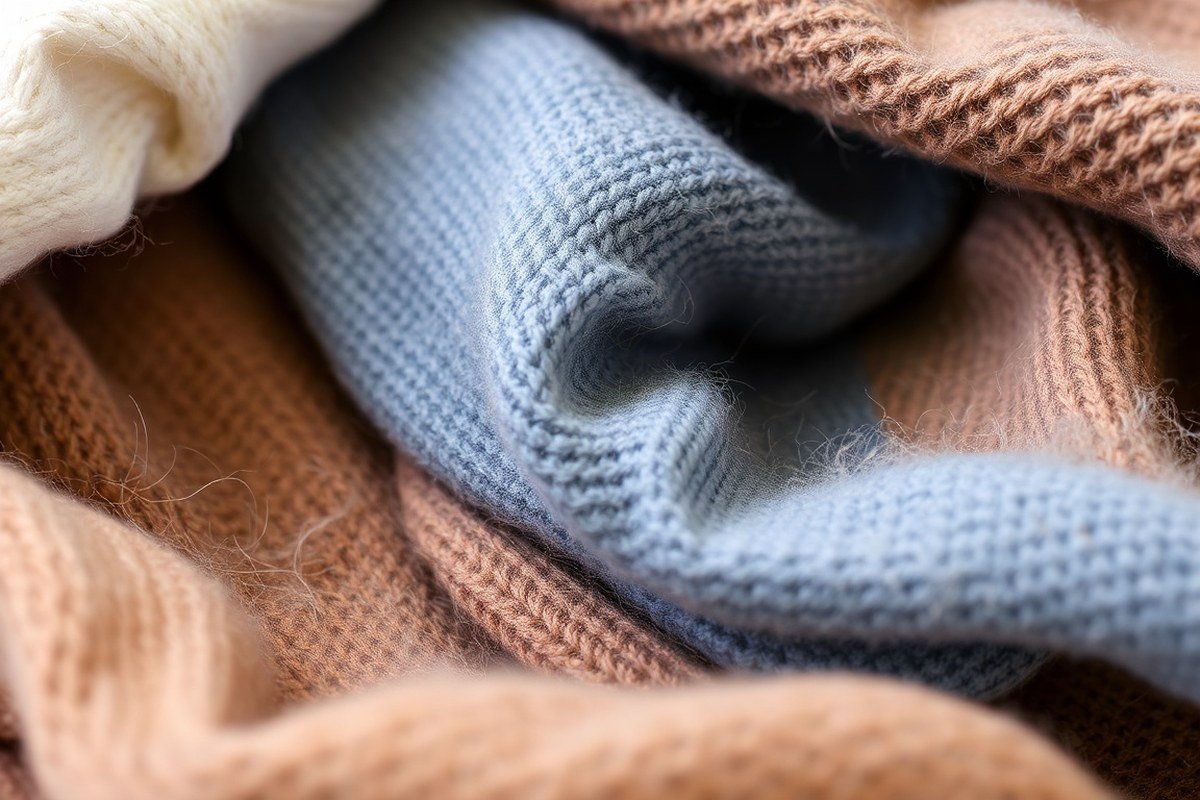
Different fabrics require specific approaches for effective dog hair removal. Delicate fabrics like silk or chiffon can be damaged by sticky lint rollers or harsh brushes. To protect these materials, lightly mist the fabric with water then gently wipe with a soft sponge or microfiber cloth. Using a clothes steamer on delicate fabrics can also help loosen hair without pulling on fibers. Avoid harsh tools as they may snag or stretch sensitive materials.
Durable textiles like denim, twill, and canvas can handle tougher cleaning techniques. Using a Velcro hair remover or a brush designed for pet hair effectively pulls out hairs trapped deep in the fabric. These tools usually cost between $10 and $20 and last for many uses. For significant shedding, brushing on a garbage bag or outside helps control mess. Tightly woven cotton fabrics hold short hairs firmly, so adding a short dryer cycle after brushing can help remove more hair.
Fabrics made from fleece, wool, or other fuzzy materials attract more hair and often require extra care. Sticky rollers used on these can pull fibers, creating fuzz balls or damage. Instead, use a rubber glove dampened slightly, running it over the fabric to gather hair without harming it. Gloves generally cost under $5 and work best when used with a little moisture, which reduces static cling.
Choosing pet-friendly clothing also helps. Smooth, Tightly woven fabrics naturally resist hair buildup and make removal easier, so prioritize these over textured or fuzzy fabrics on days you expect close pet contact. Thinking about fabric type first can save effort and prevent damage to your clothes while keeping pet hair under control.
4. Cleaning Dog Hair from the Washing Machine and Maintaining Hair-Free Laundry
Dog hair often collects inside your washing machine, especially around seals, drain filters, and drum edges. This buildup can redeposit hair on clothes during cycles and affect washing performance. To get dog hair out of your washer, run an empty hot water cycle with a cup of white vinegar or a pet-specific washing machine cleaner tablet monthly; these dissolve trapped hair and residue without harming your machine.
Regularly check and clean accessible machine parts like the lint filter or drain pump filter, which trap hair and lint. Cleaning frequency depends on your pet’s shedding but aim for every one to two months. Overstuffing the machine makes it harder for water and detergent to dislodge hair, so avoid large loads to maintain effectiveness.
- Run an empty hot water cycle with 1 cup white vinegar monthly
- Use washing machine cleaner tablets designed for pet hair
- Remove and clean the lint filter or drain pump filter every 4-8 weeks
- Wipe down drum edges, door seals, and detergent drawers with a damp cloth after each use
- Separate heavily soiled or hair-covered items into smaller loads
- Pre-remove hair from clothes before washing to reduce load residue
- Do not overload the washing machine to optimize washing action
Maintaining these habits prevents hair buildup inside your machine and helps keep laundry hair-free longer. Persistent residue inside the washer can cause musty odors and reduce cleaning efficiency. Maintaining a regular cleaning timetable keeps your washer running well and your clothes free of dog hair. Over time, combining this maintenance with hair-prevention steps before washing ensures a smoother laundry process with less pet hair transferred to your clothes.
5. Preventing Dog Hair on Clothes: Grooming and Lifestyle Tips
Grooming your dog regularly is one of the most effective ways to reduce the amount of loose hair that ends up on your clothes. Although grooming doesn’t stop shedding completely, it helps remove the extra fur before it spreads. A simple step-by-step grooming routine includes brushing your dog daily with a suitable brush based on their coat type, slicker brushes work well for long-haired breeds, while bristle brushes suit short-haired ones. After brushing, wipe your dog down with a damp cloth or grooming mitt to catch finer hairs. This routine usually takes 10 to 15 minutes and prevents large clumps of hair from floating around your home and sticking to fabrics.
Choosing clothes made of tightly woven fabrics can significantly reduce how much dog hair sticks to you. For example, smooth synthetic materials like polyester and nylon attract less hair compared to fluffy or loose weaves like wool, fleece, or corduroy. Darker colors, especially black, showcase dog hair the most, so wearing lighter colors can minimize visible fur. Applying a safe anti-static spray to your clothes before heading out can also help repel hair. Use sprays designed for fabrics, follow the product instructions carefully, and avoid spraying near your pet or on delicate materials.
Diet plays a supportive role in managing shedding. Adding omega-3 fatty acid supplements, such as fish oil, to your dog’s meals may slightly reduce shedding by improving coat health, but it’s not a cure-all. Consult your vet before introducing supplements, as improper dosing can lead to side effects. Maintaining a clean environment also helps reduce hair accumulation on clothes. Vacuuming frequently with a high-powered vacuum and setting up pet-free zones, like bedrooms or closets, lowers the amount of pet hair that can cling to your garments. By combining these grooming, clothing, and lifestyle strategies, you can keep dog hair off your clothes more effectively before it requires removal.
Step-by-Step Action Plan for Removing Dog Hair from Clothes
Follow these steps in order to remove dog hair effectively and keep your clothes looking clean.
- Before you start: Use a rubber glove or lint roller on your clothes to remove loose hair. Check that you see noticeably less hair on your clothes afterward.
- Before washing: Put your clothes in the dryer on a no-heat or low-heat setting for 10 minutes with a dryer sheet. This loosens hair and traps it in the lint trap when done.
- At wash time: Add a small amount of liquid fabric softener or pet-hair-specific laundry additive to the washing machine to reduce hair cling. After washing, clothes should feel less hairy to the touch.
- After washing: Immediately remove clothes from the washer to avoid hair redepositing. Use a clean, dry microfiber cloth to brush off any remaining hair before drying.
- Dry cycle: Run clothes through a full drying cycle with dryer sheets to catch and remove more hair. Check the lint trap afterward to confirm trapped hair.
- Post-dry care: Use a pet hair remover brush or sticky lint roller to pick off any remaining hairs from dry clothes before storing or wearing.
- Weekly: Clean the washing machine’s drum and door seals to remove accumulated dog hair and prevent buildup. The interior should look visibly clear of hair and debris.
- Daily: Groom your dog regularly and keep pet hair off furniture and clothing storage areas to reduce hair accumulation over time.
Frequently Asked Questions
Can You Use a Lint Roller on Delicate Fabrics Without Damaging Them?
Yes, gently use a lint roller on delicate fabrics to avoid damage. Test a small area first to be safe.
Will the FurZapper Prevent Dog Hair Buildup in Future Laundry Loads?
Using a FurZapper can reduce dog hair accumulation by trapping hairs in the wash. It doesn’t stop hair from sticking, but it catches loose hairs effectively.
How Often Should You Clean the Washing Machine to Avoid Dog Hair Residue?
Clean your washing machine once a month to prevent dog hair buildup. Run an empty hot water cycle with vinegar or a machine cleaner.
Is It Better to Wash Dog-Haired Clothes Separately from Other Laundry?
Yes, washing dog-haired clothes separately helps avoid spreading hair to other items. Use extra rinse cycles to remove stubborn hairs if needed.
Can Dryer Sheets Reduce Static Cling and Help Remove Dog Hair?
Dryer sheets reduce static and make dog hair less sticky, helping it come off in the dryer. Use them along with other hair-removal techniques for best results.
The Bottom Line
Removing dog hair from clothes requires a combination of cleaning techniques and regular maintenance. Taking small steps before and after washing gets the best results and keeps hair from sticking back. Start by applying these methods to one or two clothing items today for easy improvement and build the routine from there.