What Is a Male Dog Called? A Complete Guide with Terms and Tips
What is a male dog called? Simply put, a male dog is just called a “dog.” The term applies whether he is a puppy or fully grown. If he’s used for breeding, he’s often called a “stud.” Start by using “dog” for any male canine until you know more about his age or role, such as whether he’s a breeding male or neutered.
Key Takeaways
- A male dog under 6 months is accurately called a “puppy.”
- Male dogs reach sexual maturity between 6 to 12 months, when they may be called studs if bred.
- Responsible breeders often wait until a stud dog is 2 years old before using him for breeding.
- “Stud” refers specifically to a male dog used for breeding, not just any adult male dog.
- Neutered males are typically just called dogs, without a special term based on their altered status.
- The term “dog” covers all adult male dogs, regardless of breed or size.
What Is a Male Dog Called? The Simple Answer

The basic term for a male dog is simply “dog”. This applies whether the dog has been neutered or not. Most people use “dog” in everyday talk without mentioning the sex. Saying “male dog” helps specify biological sex, but it often sounds unnecessary since “dog” usually means a male unless stated otherwise.
There are no special official names for male dogs in common usage outside specific contexts. For example, a young male dog under six months might be called a puppy. In breeding circles, a male dog selected to father puppies is called a “stud” or “stud dog”. Occasionally, you will also hear terms like “intact male” to specify an unneutered dog in veterinary or breeding discussions. However, these extra terms are meant to describe the dog’s reproductive status and role, not the basic identity.
Calling your male dog “dog” works perfectly for most situations. When you want to be precise, use “male dog” or “intact male” as needed. When a dog has been neutered, labels like “neutered dog” or “fixed dog” provide clear information. For everyday care, playtime, or walks, simply referring to him as your dog or by his name is enough.
Using the term “dog” for a male does not confuse anyone in normal conversations about pets. People typically only specify male or female when relevant, like in a vet appointment or breeding scenario. In those cases, hearing “stud,” “intact male,” or “neutered dog” gives important additional information specific to that context. Otherwise, you can confidently call him a dog without worry.
Age-Based Terms: From Puppy to Adult Male Dog
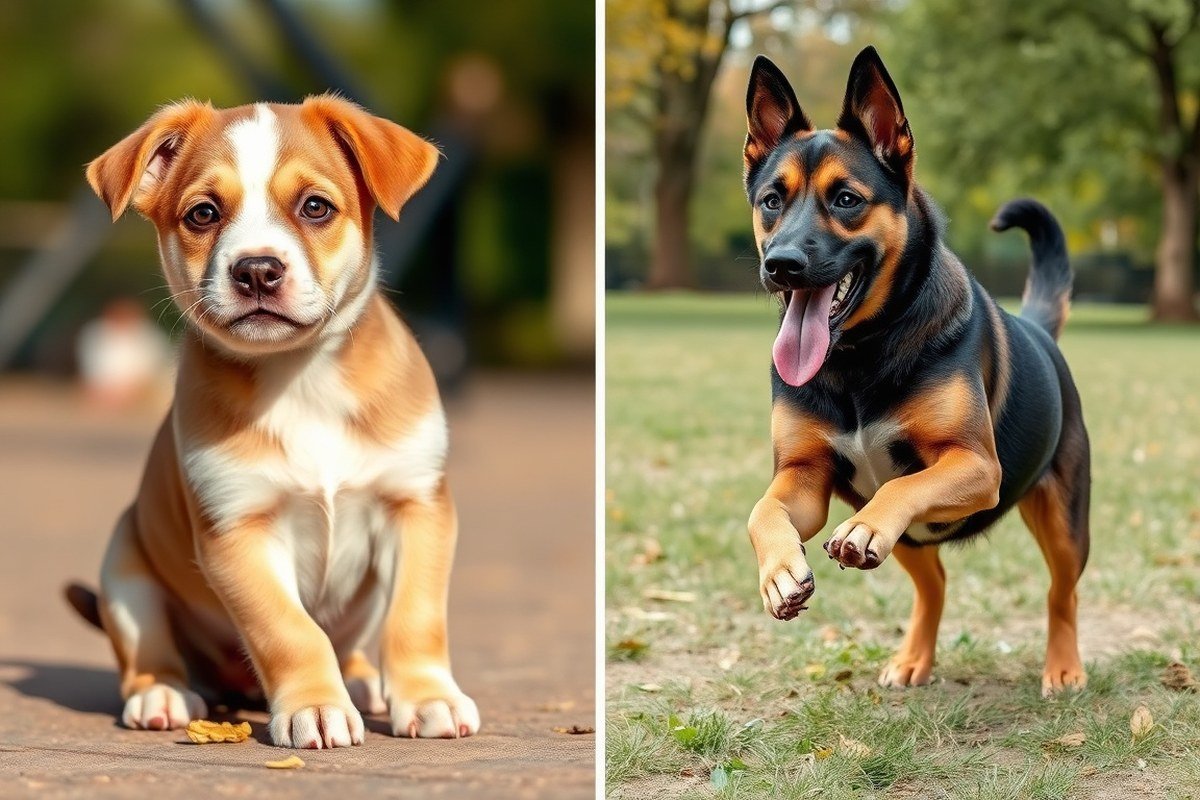
A male dog less than 6 months old is called a Puppy. This term applies to young dogs in their early growth stage, when they are still developing physically and behaviorally. Puppies require special care, including socialization, training, and a diet suited for rapid growth. Calling your male dog a puppy during this time helps signal his age and care needs.
After about 6 months, a male dog transitions out of the puppy stage and enters what some call the Juvenile or adolescent phase. This period can last from 6 months up to around 12, 18 months, depending on the breed and size. During this phase, a male dog often shows changes like increased independence and the onset of sexual maturity. Knowing this juvenile stage is important for adjusting training routines and managing behavior changes.
Full adulthood in male dogs is generally reached between 12 and 18 months of age. By this time, most males have completed growth and development, including sexual maturity, which typically occurs around 6 to 12 months. Adult male dogs are simply called Dogs or, if used for breeding, Studs. Recognizing when your dog becomes an adult can help you make decisions about training intensity, exercise needs, and reproductive management.
The timeline goes like this: male dog under 6 months = puppy; between 6 months and about 12 to 18 months = juvenile male; 12, 18 months and onward = adult male dog. Each stage requires different care approaches. For example, spaying or neutering choices often depend on whether the dog is still a juvenile or adult. Understanding these age-based terms helps you communicate clearly with vets, trainers, and breeders, and ensures your dog receives appropriate care at each life stage.
Stud Dogs: When and Why Male Dogs Become Studs
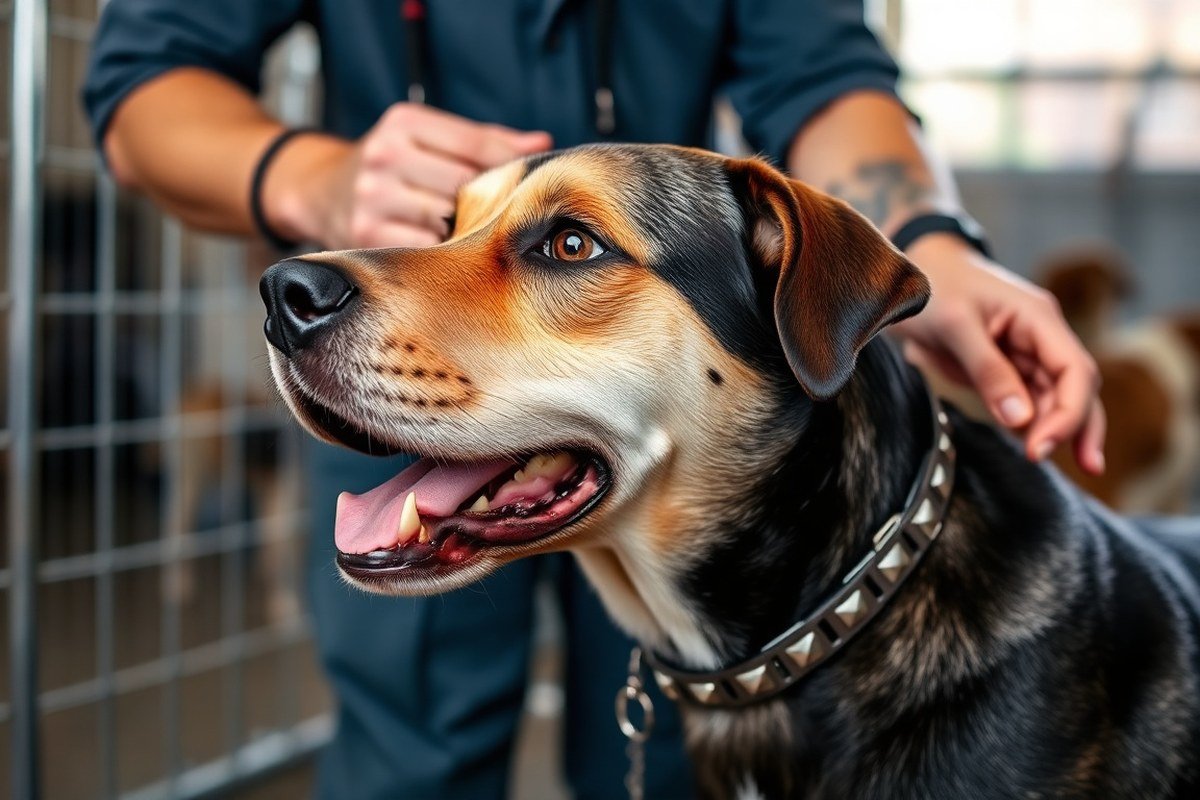
A stud dog is a male dog that is reproductively intact and used specifically for breeding purposes. This designation goes beyond just being a mature male; he must be capable of producing puppies when mated with a female in heat. While some males reach sexual maturity around 6 to 12 months of age, responsible breeders usually wait until the dog is about 2 years old. This age ensures the dog has reached Full physical and mental maturity and that any hereditary health issues have become apparent.
Breeders use several criteria to determine if a male dog qualifies as a stud. First, the dog must be healthy and free of genetic diseases common in the breed. This often involves health screenings like hip and elbow evaluations, eye examinations, and testing for hereditary conditions relevant to the breed. Next, the dog’s conformation, physical structure and appearance, should meet breed standards set by kennel clubs. Temperament also plays a role, as stud dogs need stable and predictable behavior for safe handling during breeding.
To qualify a dog as a stud, breeders typically follow these steps: ensure the dog has passed all necessary health clearances, assess conformation through professional evaluation or show participation, confirm the dog is intact and capable of reproduction, and consider temperament and behavior. Costs vary but may include veterinary exams, genetic testing, and professional evaluations, often totaling several hundred dollars. A stud dog that mates successfully and sires puppies earns the title of Sire, which can improve his value and reputation in the breeding community.
Problems can arise if maturity is rushed or health is overlooked, leading to poor-quality litters or inherited disorders. Different breeds and breeder goals influence these standards, but the emphasis on health, maturity, and breed conformity remains constant.
Terminology for Neutered and Intact Male Dogs
Neutered male dogs are commonly called Castrated males or simply Neutered dogs. This term indicates that the dog has undergone surgery to remove the testicles, preventing reproduction and reducing certain hormone-driven behaviors like roaming or aggression. In casual conversation, you can just say “neutered male” to convey this clearly. It matters because neutered dogs have different health and behavioral needs compared to intact males.
Intact male dogs, those that have not been neutered and retain their reproductive capability, are referred to as Intact males or Studs in breeding contexts. A stud is an intact male chosen specifically for breeding due to desirable genetics and good health. When a stud successfully fathers puppies, he is called a Sire. These terms are important in professional breeding to distinguish the dog’s reproductive status and role. Responsible care for intact males includes providing proper veterinary attention and diet tailored to support their breeding health.
In veterinary settings, professionals often use precise, descriptive terms based on reproductive status. For example, a veterinarian will note whether a dog is intact or neutered in health records and may use terms like “intact male,” “neutered male,” or “stud” when discussing breeding abilities. This clarity helps ensure the dog receives appropriate medical advice and treatment.
| Reproductive Status | Casual Term | Breeding/Professional Term |
|---|---|---|
| Intact male | Male dog | Intact male, Stud, Sire (if fathered pups) |
| Neutered male | Neutered male, Castrated male | Neutered male, Castrated male |
Use these terms based on your conversation context and audience. Calling a dog “stud” in casual talk might confuse people unless they’re familiar with breeding. When discussing health or behavior, specifying neutered or intact clarifies the dog’s status and can explain certain actions or care needs.
Male Dog Terms Across Cultures and Languages
Terms for male dogs vary across cultures and languages, reflecting how local customs and language shape animal terminology. In English, a male dog is commonly called a “dog” or a “stud” if used for breeding. In some Romance languages, the word for a male dog closely resembles the general word for dog but may carry male-specific endings. For example, in Spanish, “perro” means dog, often implying a male unless specified otherwise, while female dogs are called Perra. In German, the word “Rüde” explicitly means a male dog, distinguishing it from Hündin for females. This differentiation highlights cultural attention to gender in animal terms.
Some cultures use unique terms linked to the dog’s role or status. For instance, in Japan, “inu” is the general term for dog, but breeders or trainers might add nuances when referring to male dogs, often specifying age or breeding status with additional words. In some African languages, local names for male dogs may also reflect the dog’s working role, such as hunting or guarding, showing how culture influences not just language but also the function tied to the terminology.
Misunderstandings can occur when direct translations don’t carry the same nuances. For example, the English word “stud” implies a male dog used for breeding, but its exact equivalent may not exist in other languages or may have broader meanings. Similarly, colloquial English terms like “boy dog” or “he-dog” might confuse non-native speakers because they don’t translate literally or culturally. Understanding these variations helps you choose the right term depending on your audience or setting, especially in multinational contexts such as dog shows, veterinary care, or breeding documentation.
Comparing Male and Female Dog Terminology and Roles
Male dogs are generally called “dogs,” a simple term used both in everyday talk and within breeding contexts. On the other hand, a Female dog of breeding age is called a “bitch,” a term long established in the dog breeding and show world. The word “bitch” dates back to before the 1000s and remains standard when referring to female dogs, regardless of whether they have had puppies or have been spayed. This contrast in terms results in male dog terminology appearing simpler and more straightforward.
The use of “bitch” for females stems from their specific role in breeding, where clear identification is important. While male terminology stays broad, breeders often use additional descriptors like “stud” to indicate a male dog approved for breeding. This differentiation highlights how breeding roles influence the terms: females are distinctly identified because their reproductive status affects breeding decisions and management.
Language surrounding male dogs focuses more on status or condition, such as intact or neutered, while female dogs consistently retain the term “bitch.” Because “bitch” can sound harsh in casual conversation, many dog owners avoid it outside professional or breeding circles, although it remains the technically correct term. In contrast, the male dog’s term “dog” remains widely accepted and neutral in most contexts.
Use these terms accurately by considering the setting: “bitch” fits formal breeding and veterinary communication, while “female dog” may feel more suitable for everyday speech to avoid misunderstanding. Calling a male dog simply a “dog” works universally, but specifying “stud” applies when discussing a male’s role in breeding. Mistakes happen when casual contexts adopt breeding terms without understanding their precise meanings, leading to confusion or offense, especially around the word “bitch.”
Behavioral and Physical Differences Influencing Male Dog Terms
Male dogs typically develop larger bodies and more muscle compared to females of the same breed, which influences how owners refer to and care for them. This Physical size difference often means you need to adjust exercise routines to meet their higher energy and strength levels. Male dogs also tend to take longer to reach emotional maturity, which affects the terms people use during different growth stages. For example, you might hear “boy dog” or simply “male dog” more frequently for younger males who exhibit playful, sometimes distracted behavior typical of puppies.
Behavior impacts terminology as well. Male puppies often display more sustained playfulness and may take longer to focus during training sessions. Owners might use terms like “energetic male” to describe this stage, reflecting the dog’s ongoing development rather than calling them fully mature adults. Knowing these behavior traits can guide you in setting realistic training goals. For instance, male dogs might benefit from shorter, more frequent training sessions to help them concentrate better as they mature emotionally.
Caring for a male dog means being aware of both physical and behavioral traits. A useful checklist includes monitoring size and weight gain appropriate for the breed, noting signs of delayed emotional maturity like inattentiveness, and adjusting training methods to suit their energy and focus levels. Costs for specialized training or equipment, such as larger crates or stronger collars, may be higher due to their size. Good results look like steady progress in potty and obedience training, and a reduction in puppy-like distractions as the dog reaches one to two years old.
Variations arise depending on breed and individual personality, but generally, male dogs need a balance of physical activity and consistent training that acknowledges their slower maturity. Behavioral traits tied to hormones can cause some males to seek more physical attention or display dominance tendencies, so using clear, simple terms and consistent commands will help you manage your male dog’s development effectively.
How to Use Male Dog Terms Correctly in Different Contexts
Use the term Stud when your male dog is intact, fertile, and actively used for breeding. A male becomes a Sire once he has fathered a litter, so call him that when referring to his offspring. For everyday conversations, simply calling him a Male dog or Dog usually works perfectly fine.
Veterinarians prefer straightforward terms like Male dog, especially when discussing health or medical procedures. They typically avoid breeding jargon unless it’s relevant, such as mentioning if your dog is a stud or neutered. When at the vet, clearly stating whether your dog is intact or neutered helps ensure appropriate care.
In dog shows and competitions, use the full registered name and include “dog” or “male” to clearly identify the competitor’s gender and status. If your dog is a known stud or sire, that may be noted in breeding or pedigree documentation but won’t usually come up during the competition itself. Focus on the dog’s registered show name and class for clarity.
Apply this quick decision approach: call him a stud only if he is intact and used for breeding, refer to him as a sire if he has offspring, stick to male dog in everyday or vet contexts, and use formal registration names in shows. Mixing these terms in the wrong setting can cause confusion or imply things about the dog’s role you didn’t intend to convey.
Step-by-Step Action Plan for Using Male Dog Terminology Correctly
Follow these steps to confidently use male dog terminology and communicate accurately about your dog or others.
- Before Introducing Your Dog: Learn basic terms like Male dog, Puppy, and Stud to describe age and reproductive status. Check understanding by labeling your dog’s stage correctly.
- Within the First Week of Ownership: Identify whether your dog is intact or neutered, using terms like Intact male or Neutered male. Confirm by reviewing vet records or asking your vet.
- After a Month of Training: Start using age-specific terms such as Adult male dog or Senior male dog based on your dog’s maturity. Validate by observing physical and behavioral signs of aging.
- When Meeting Other Dog Owners: Use culturally appropriate terms if relevant, especially if owners use localized names. Confirm communication success by mutual understanding in conversation.
- Before Breeding Consideration: Understand the term Stud dog and use it only for intact males used for breeding. Verify readiness with a licensed breeder or veterinarian.
- During Health Discussions: Employ terms Intact and Neutered to discuss reproductive health clearly with professionals. Gauge success by clear communication with your vet.
- After Learning About Behavior: Use terminology that reflects physical and behavioral distinctions like dominance or marking. Check accuracy when describing your dog’s habits to trainers or behaviorists.
- When Sharing Information Online or in Groups: Use correct male dog terms consistently to avoid confusion. Measure effectiveness by receiving helpful and relevant feedback.
Frequently Asked Questions
What Is the Most Common Term Used for a Male Dog in Everyday Conversation?
The most common term is simply “dog,” regardless of gender. People usually specify “male dog” only when necessary, such as distinguishing from a female.
Are There Special Names for Male Dogs Based on Their Coat Colors or Breed?
Male dogs don’t have special names related to coat color or breed, but specific breed terms may exist. Generally, gender terms stay consistent across breeds.
When Does a Male Dog Officially Become a Stud for Breeding Purposes?
A male dog becomes a stud once he’s mature and meets breeding standards. This often depends on health, temperament, and pedigree acceptance.
Are There Any Legal Terms for Male Dogs Involved in Registrations or Dog Shows?
In dog shows and registrations, male dogs are usually called “dogs,” with no gender-specific legal terms beyond “male.
How Can I Tell If My Male Dog Is Intact or Neutered Just by Looking?
It’s difficult to tell just by looking; a vet exam confirms neuter status. Behavior and appearance might offer clues but aren’t reliable alone.
Before You Go
A male dog is most simply called a Male dog, with specific terms like Puppy, Stud, or Neutered male depending on age and reproductive status. Using these terms correctly helps you communicate clearly with vets, trainers, and other dog owners while taking better care of your dog. Start observing your dog’s characteristics today and try using the right terms when describing him in conversations or records.