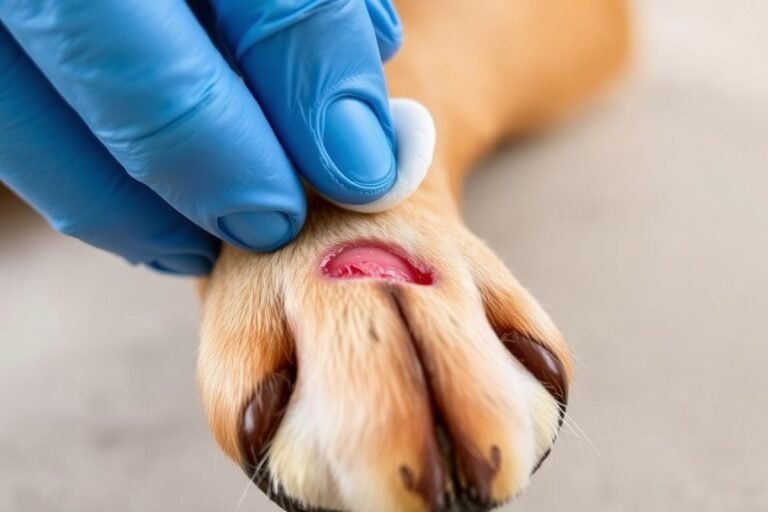
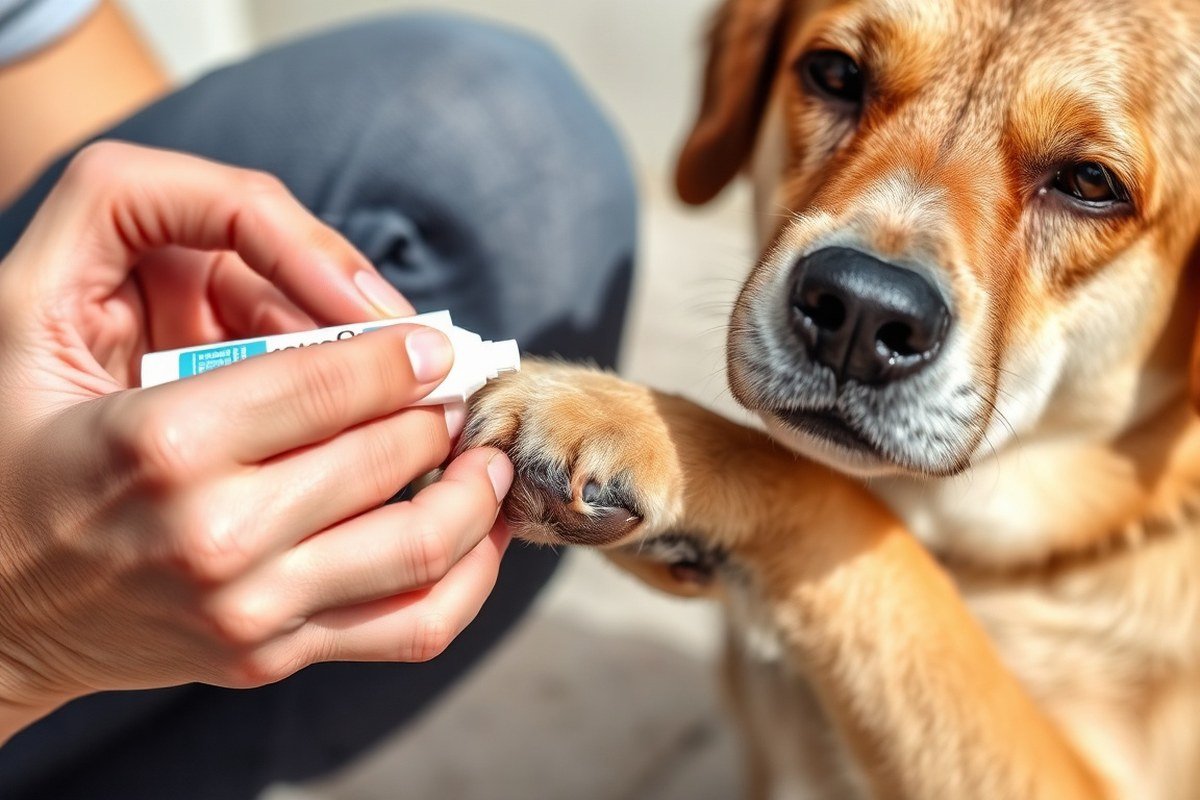
Can I Use Neosporin on My Dog? Safe Use Tips and Best Wound Care Options
Can I use Neosporin on my dog? Generally, using small amounts of Neosporin occasionally on minor wounds can help, but you should be cautious. Avoid letting your dog lick the ointment, and never let them eat large amounts, as it can cause stomach issues. Proper wound cleaning with a mild antiseptic before application improves healing and reduces infection risk.
Key Takeaways
- Use Neosporin 1 to 3 times daily on minor wounds for no more than 3 to 5 days.
- Prevent your dog from licking the ointment to avoid removing medication and causing irritation.
- Avoid using Neosporin if the wound is deep, heavily bleeding, or shows signs of serious infection.
- Clean wounds first with a gentle antiseptic like 2% chlorhexidine solution before applying any ointment.
- Contact your vet immediately if your dog ingests a large amount of Neosporin to prevent toxic effects.
- Consider dog-specific wound care products, which have safer ingredients and lower risks of side effects.
Is It Safe to Use Neosporin on My Dog’s Wound?

Neosporin can be safe to use on your dog’s minor cuts or scrapes when applied correctly and sparingly. It contains ingredients designed for human use, which are generally tolerable for dogs in small amounts. Applying a thin layer to a superficial wound can help reduce the risk of infection while it heals. However, avoid heavy or frequent application, as Neosporin is not formulated specifically for dogs and may cause irritation or an allergic reaction in some pets.
Potential side effects are usually mild but include minor gastrointestinal upset if your dog licks and ingests the ointment. This can lead to vomiting, diarrhea, or loss of appetite. It’s important to monitor your dog after application and prevent excessive licking by using an Elizabethan collar or distracting them. Neosporin should never be considered safe if ingested in larger quantities, so keep the application minimal.
Applying about a pea-sized amount, or just enough to cover the wound thinly, once or twice a day is typically sufficient. Clean the area gently before applying, and avoid using Neosporin on deep wounds, large areas, or infected sites without veterinary advice. Puppies and senior dogs may be more sensitive, so consult your vet before use, especially if your dog has underlying health conditions or a history of allergic reactions.
Neosporin is not toxic in small, topical amounts but is not a cure-all. If you notice redness, swelling, increased pain, or your dog shows signs of discomfort or illness after use, stop applying the ointment and seek veterinary guidance. Always confirm with your vet that Neosporin is appropriate for your dog’s specific wound, particularly for puppies or older pets, to ensure safe and effective care.
When Should You Avoid Using Neosporin on Your Dog?
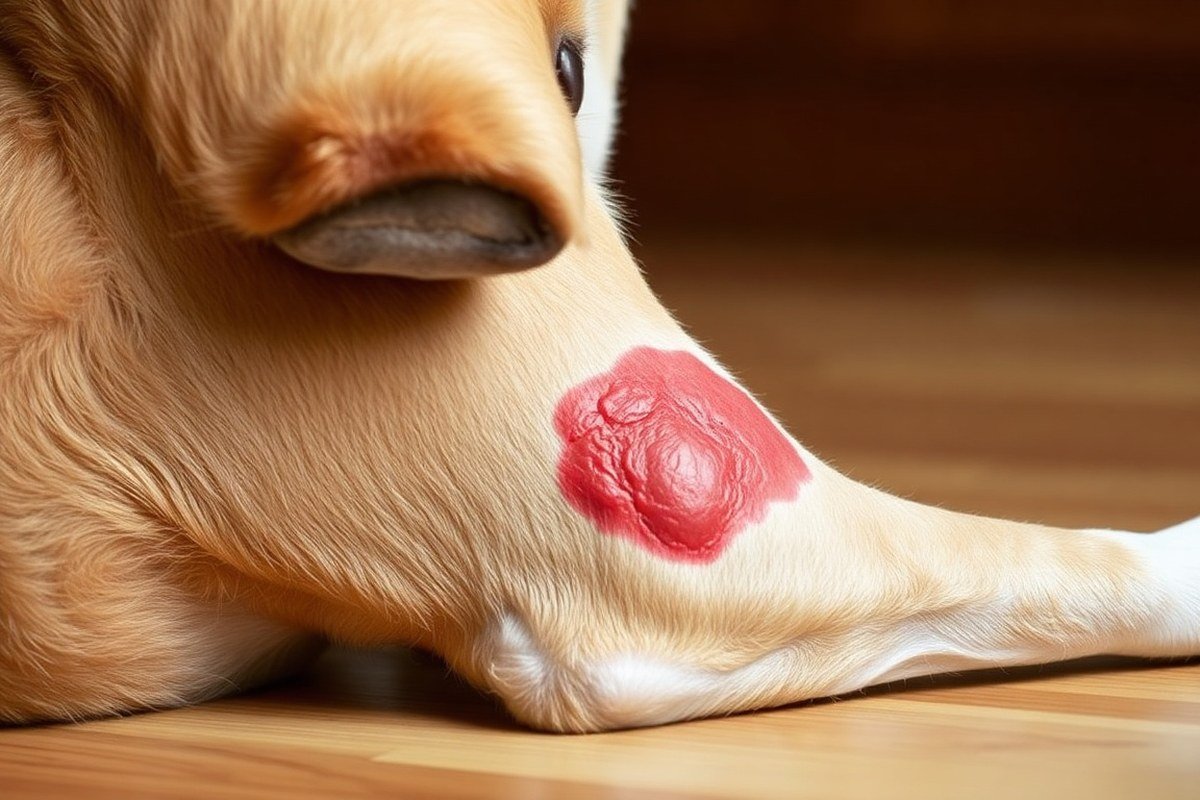
Avoid using Neosporin on deep wounds, hot spots, or areas your dog can easily lick. Neosporin works for minor cuts and scrapes by preventing bacterial growth on the skin’s surface. However, deep punctures or bite wounds need professional care because topical ointments cannot reach bacteria below the skin. Hot spots, which are inflamed and infected patches, also require veterinary treatment rather than over-the-counter ointments. Applying Neosporin in these cases could delay proper healing or mask serious infections needing antibiotics by mouth or other veterinary interventions.
Neosporin should never be applied near your dog’s eyes or on surgical sites with stitches unless your veterinarian explicitly approves it. The chemical ingredients can irritate sensitive tissues and cause harm if ingested, especially since dogs tend to lick treated areas. Frequent licking can remove the ointment and expose your dog to risks of swallowing it, which may cause adverse reactions or antibiotic resistance over time.
Watch for signs like increased redness, swelling, or a worsening wound while using Neosporin. If the wound does not improve visibly within 3 to 5 days, or if your dog shows signs of allergy such as itching or rash, stop topical treatment and contact your vet. Use a checklist before applying Neosporin: confirm the wound is minor, not deep or infected; ensure the area is out of reach for licking or prepare to use a protective bandage; avoid application on or near eyes; and monitor the wound daily. This approach helps avoid delays in healing and complications related to overuse of topical antibiotics.
How to Properly Clean and Treat Your Dog’s Wound Before Applying Ointment
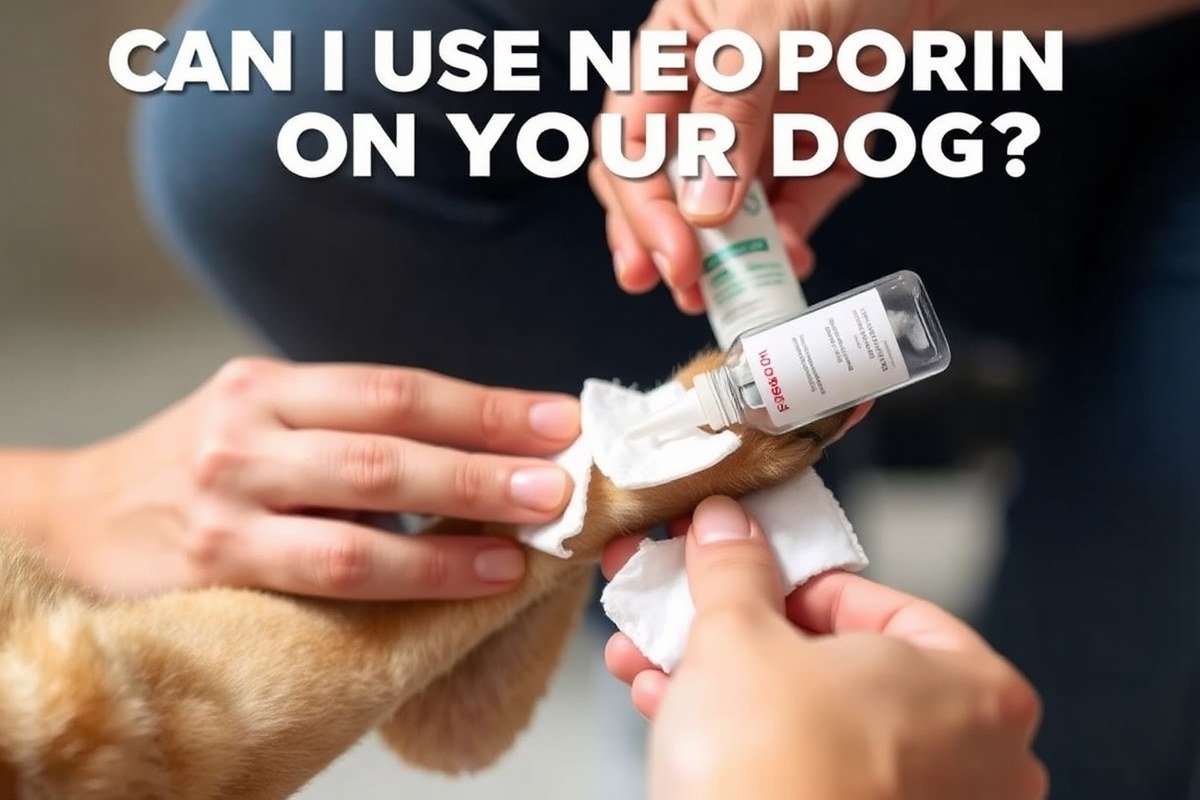
Begin by gently restraining your dog to prevent sudden movements. Use lukewarm water to rinse the wound, which helps remove dirt and debris without causing discomfort. Avoid scrubbing the area, as this can worsen the injury. Use a clean cloth or sterile gauze to gently dab around the wound if needed, but don’t apply cotton balls because fibers may stick in the cut. Never use hydrogen peroxide or alcohol; these irritants can slow healing and damage healthy tissue.
When the wound looks clean, apply a mild antibacterial solution recommended for pets, such as a diluted chlorhexidine or a gentle antibacterial shampoo formulated for dogs. These are safer alternatives that help reduce the risk of infection without harming skin cells important for healing. Pat the area dry with a sterile cloth and allow the skin to air dry for a few minutes before applying any ointment. This preparation improves absorption and decreases the chance of trapping moisture, which can breed bacteria.
For wounds surrounded by hair, gently cut the fur near the injury with blunt scissors to maintain a clean area for treatment. Large shaving should be avoided unless your vet recommends it, since exposing too much skin might cause more sensitivity or damage. Apply soft pressure with sterile gauze on bleeding wounds until the bleeding stops before starting to clean.
After cleaning, applying a small amount of ointment like Neosporin can help prevent infection, but only after the wound is fully clean and dry. Avoid applying ointments before cleaning because this traps debris and bacteria, raising the infection risk. Always monitor your dog for signs of irritation or allergic reaction, such as redness, swelling, or excessive licking, and consult your veterinarian for advice especially if the wound does not improve in a few days.
How to Manage Your Dog’s Licking After Applying Neosporin
Licking off Neosporin applied to your dog’s wound poses some risks, although ingesting a small amount usually won’t cause serious harm. Neomycin, one of the active ingredients, may lead to stomach upset, vomiting, or diarrhea if your dog licks off significant quantities. You should immediately contact your local vet or a poison control service like the ASPCA Animal Poison Control at (888) 426-4435 if your dog swallows a large amount, such as an entire tube. Monitoring your dog for symptoms like excessive vomiting, diarrhea, or changes in behavior is important in this case.
Preventing your dog from licking the wound helps maintain the effectiveness of the applied Neosporin and reduces irritation or infection risks. Use an Elizabethan collar, often known as a “cone,” to physically block your dog from reaching the wound. Alternatively, wrapping the wound in a sterile, non-stick bandage can keep the area clean and discourage licking. When bandaging, ensure it is snug but not tight, allowing comfortable movement and normal circulation. Applying a minimal amount of ointment, just enough to cover the wound, and monitoring your dog closely can also reduce licking attempts.
Covering the wound is recommended when your dog has a habit of licking or scratching injuries, especially in active or anxious dogs. Bandaging provides a physical barrier and supports wound hygiene but requires daily changes to avoid moisture buildup or irritation. Covering the wound may not be possible, so combining a collar with environmental distractions or calming techniques can limit licking. Always consult your veterinarian before applying Neosporin, particularly if you see redness, itching, or swelling, to confirm it suits your dog’s wound care needs.
Better Alternatives to Neosporin for Dog Wound Care
Several alternatives to Neosporin offer safer, more effective care for your dog’s wounds. Veterinary-recommended products include chlorhexidine sprays, veterinary wound gels, silver-based ointments, saline solutions, and protective bandages. These options provide targeted benefits like broad antibacterial action, balanced moisture, antimicrobial properties, gentle cleaning, and prevention of licking, which Neosporin does not fully address for dog-specific needs.
Chlorhexidine spray acts as a broad antibacterial agent that helps clean wounds without harming healthy tissue. Veterinary wound gels maintain balanced moisture, promoting faster healing while reducing discomfort. Silver-based products provide strong antimicrobial effects, especially useful for infected or slow-healing wounds. Saline solution is gentle and highly recommended for initial wound cleaning, especially in sensitive or painful areas. Protective bandaging is critical for preventing licking or scratching, which can cause reinfection or delay healing.
Neosporin may offer superficial antibiotic protection but lacks tailored formulations for dogs, which can lead to irritation or allergic reactions. Using dog-specific products under your vet’s guidance ensures the safest choice. For example, applying chlorhexidine spray twice daily after cleaning with saline solution costs around $10 to $15 for typical household sizes and supports infection control better than Neosporin. Hydrogel dressings, which your dog must tolerate, keep wounds hydrated, reduce pain, and prevent infection, costing roughly $20 to $30 per pack. These dressings require covering with a bandage to stay in place.
For minor cuts, clean the wound with saline, spray chlorhexidine gently, and monitor healing. In cases of dry or cracked skin, veterinary gels can restore moisture while preventing bacteria entry. Dogs that resist dressings might benefit from safe natural options like medical-grade honey, but these need vet approval to avoid complications. You can apply ointments 1-2 times daily and use bandages as instructed by your vet.
Choose alternatives based on your dog’s wound type, comfort level, and potential for infection. Consult your vet if you notice swelling, discharge, or worsening odor, as more advanced treatments might be necessary. Using Dog-specific antiseptics and wound care products helps reduce risks of irritation, licking, or incomplete healing compared to Neosporin. This approach also avoids unknown side effects from human medications not designed for canine skin.
When to Seek Veterinary Care for Your Dog’s Wound
Seek veterinary care immediately if your dog’s wound is bleeding heavily, has deep gashes, or shows signs of infection like swelling, redness, warmth, pus, or a foul odor. Dogs displaying increased pain, limping, lethargy, or fever also need prompt professional evaluation. Applying a compressive bandage can help control severe bleeding before rushing to an emergency vet. Vets can quickly assess whether stitches or special treatments are necessary to reduce complications.
Minor wounds on dogs usually take 3 to 7 days to heal if kept clean and dry. Monitoring the injury daily for changes is important. If you notice no improvement, worsening appearance, or if your dog is excessively licking or biting the area, professional advice is needed. Excessive licking can delay healing and introduce bacteria, making the wound worse.
Many veterinarians avoid recommending Neosporin routinely because dogs don’t heal exactly like humans. Too much ointment can interfere with tissue repair. Also, dogs licking the ointment risk stomach upset or ingesting harmful ingredients. Safe use means applying a thin layer only on minor, superficial wounds and preventing your dog from licking the area afterward.
Puppies and senior dogs require extra caution. Their immune systems are often weaker or compromised, so wounds can become infected faster or take longer to heal. Veterinarians might suggest professional treatments sooner in these cases, along with pain management if needed. Always describe your pet’s injury in detail when contacting a vet, and follow their specific care instructions to help ensure a smooth healing process.
Step-by-Step Action Plan for Safely Treating Your Dog’s Minor Wounds
Follow these steps to properly care for your dog’s minor wound using remedies like Neosporin or safer alternatives.
- Before treatment: Gently clean the wound with warm water and mild soap to remove debris. Cleanliness helps prevent infection and prepares the area for ointment.
- Immediately after cleaning: Pat the wound dry with a clean cloth or gauze. Moisture can cause irritation or delay healing.
- Right after drying: Apply a thin layer of a dog-safe antibiotic ointment instead of Neosporin, unless advised by your vet. Watch for any redness or swelling to check for irritation.
- After ointment application: Prevent your dog from licking the wound by using an Elizabethan collar or a protective cover. Licking can introduce bacteria and slow healing.
- Daily for 5, 7 days: Check the wound for signs of healing or infection such as reduced redness and no discharge. Reapply ointment as needed, following your vet’s recommendations.
- If the wound worsens anytime: Contact your veterinarian promptly if swelling, pus, or bad odor develops, or if your dog shows signs of pain or discomfort.
- After healing: Keep the area clean and monitor for reopening or new wounds. Ongoing observation helps catch issues early.
Frequently Asked Questions
Can Neosporin Cause Allergic Reactions in Dogs?
Yes, dogs can develop allergic reactions to Neosporin. Watch for redness, swelling, or increased itching around the wound and stop using it if symptoms appear. Contact your vet if the reaction worsens or spreads.
How Often Can I Safely Apply Neosporin to My Dog’s Wound?
Apply a thin layer of Neosporin no more than 1-2 times daily. Overuse can increase the risk of irritation or complications. Follow your vet’s advice for frequency and duration.
Is It Harmful If My Dog Swallows a Small Amount of Neosporin?
A small lick of Neosporin usually isn’t harmful, but large amounts can cause upset stomach or more serious issues. Monitor your dog and call poison control if they ingest a significant quantity.
Can Neosporin Be Used on Hot Spots or Infected Dog Skin Wounds?
Neosporin is not ideal for infected wounds or hot spots. These usually require veterinary treatment with specific medications. Using Neosporin may delay proper care or worsen the infection.
Does Neosporin Interfere with My Dog’s Other Medications?
Neosporin typically does not interfere with systemic medications since it’s topical. Still, consult your vet before combining treatments to ensure safe care and avoid unexpected reactions.
Final Thoughts
You can use Neosporin for your dog’s minor wounds cautiously, but safer, dog-specific ointments are usually a better choice. Protecting the wound from licking and monitoring healing closely makes a big difference in recovery. Consult your vet if anything unusual occurs or if the wound does not improve within a week.