Why Is My Dog Eating Grass? What Actually Causes It & How to Respond
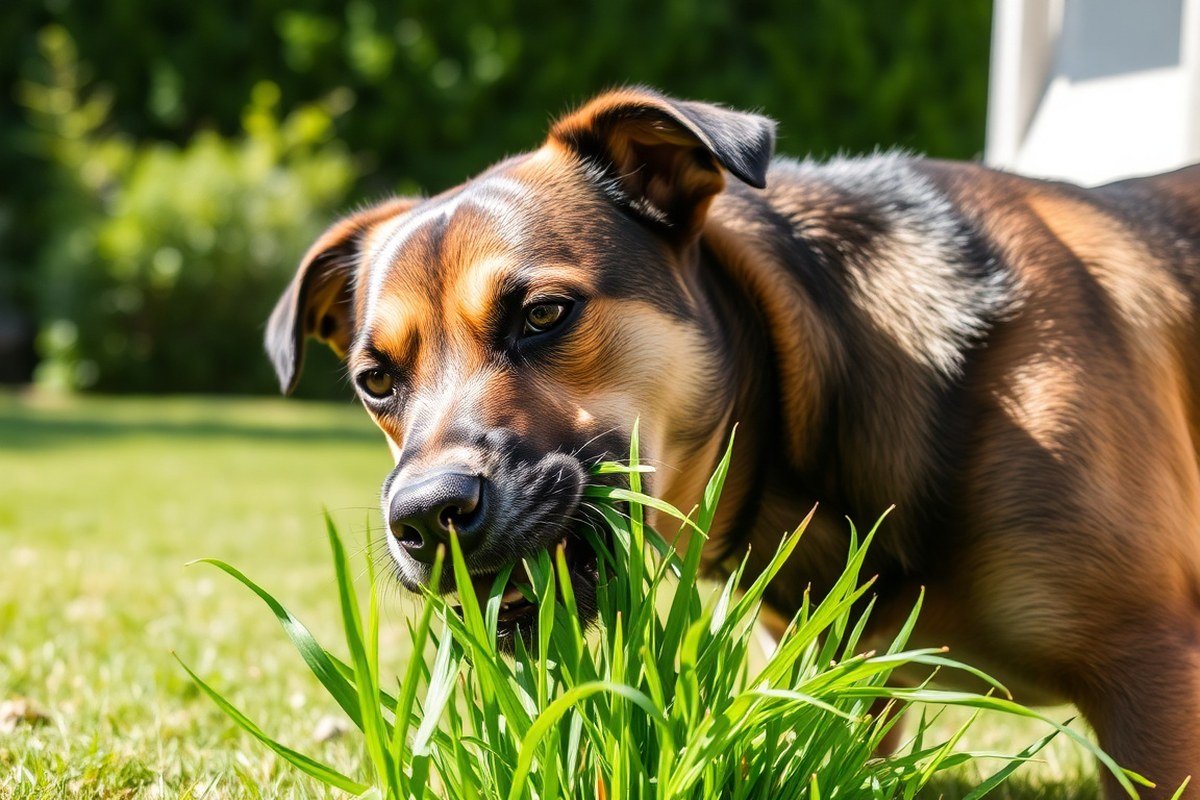
Why is my dog eating grass? Most dogs eat grass simply out of habit, boredom, or mild curiosity rather than illness. Eating grass usually doesn’t indicate a health problem since fewer than 25% of dogs vomit afterward, and most dogs do not show signs of sickness before grazing. Start by observing your dog closely for any unusual symptoms, as most grass eating is harmless and normal behavior.
Key Takeaways
- Less than 25% of dogs vomit after eating grass, so most grass eating does not result in digestive upset.
- About 79% of dogs eat grass at some point, making it a common, natural behavior.
- Only around 9% of dogs show illness before eating grass, suggesting grass eating isn’t usually caused by sickness.
- Eating grass may serve as a source of fiber or entertainment rather than an attempt to induce vomiting.
- Observe your dog for signs of distress or illness if grass eating suddenly increases or seems frantic.
- During walks, redirect your dog’s attention to prevent overeating grass if it becomes frequent or problematic.
Why Do Dogs Eat Grass? Understanding the Main Causes
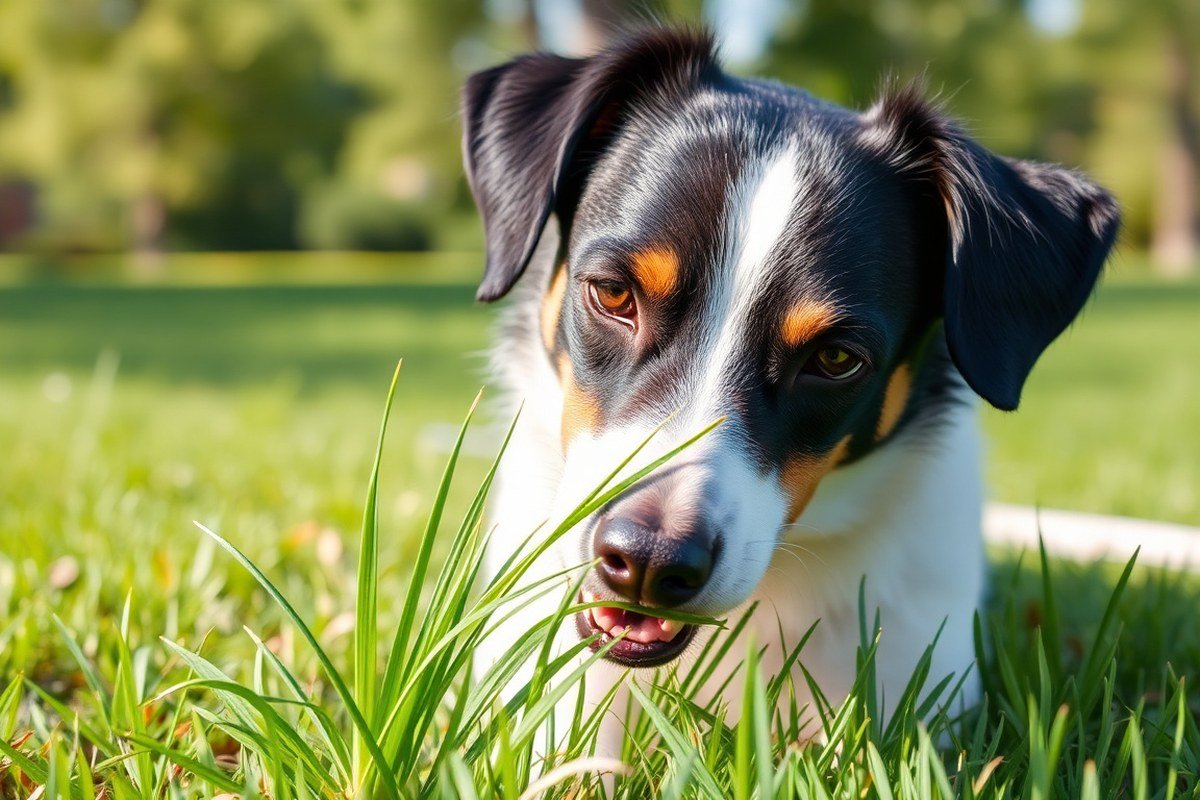
Eating grass is a natural behavior rooted in the instincts and dietary needs of dogs. Canine ancestors included plants in their diets to add fiber and support digestion. Research from The School of Veterinary Medicine finds that most dogs with outdoor access will graze on grass occasionally, showing this inherited trait. This is a normal habit that usually does not signal health problems.
Dietary fiber is another reason dogs might nibble on grass. Grass contains roughage, which helps move food through the digestive system. While some owners worry that grass eating signals nutritional deficiencies, research suggests it is more about supplementing fiber than correcting a lack of essential nutrients. Occasional grass eating typically does not indicate a health problem or a need to change your dog’s diet.
Boredom and curiosity can also lead dogs to graze on grass. Dogs sometimes chew grass simply because they like the taste or it occupies their time during inactivity. However, boredom is less commonly the sole reason. Restlessness or lack of stimulation in your dog can lead to more grass eating. Boosting their exercise and play can help reduce this habit, but it might not stop it completely.
Most dogs don’t eat grass to induce vomiting. Research published in Applied Animal Behaviour Science shows fewer than a quarter of dogs vomit after consuming grass, and only around 10% appear sick before doing so. Since wild canines such as wolves also occasionally eat grass, this habit is likely an inherited trait and not simply a response to feeling unwell.
When Grass Eating Is a Sign of Illness or Distress

Eating grass does not always mean your dog is sick. Most dogs that nibble on grass do so without showing any signs of illness either before or after. Studies show that fewer than 10% of dogs appear sick prior to grass eating, and around 22% vomit afterward. Vomiting is often your dog’s way of getting relief if they feel nauseous or have an upset stomach, but it does not always indicate a serious problem.
Frantic or excessive grass eating often signals distress. If your dog suddenly starts eating grass repeatedly or with urgency, especially alongside symptoms like a hunched posture, swollen belly, or persistent retching without vomiting, these can be signs of pain or gastrointestinal discomfort requiring immediate veterinary attention. Anxiety or discomfort may drive your dog to seek relief through grass consumption.
Watch for other concerning signs such as blood in vomit, dry heaving, irregular bowel movements, loss of appetite, or changes in water intake. These symptoms plus grass eating should prompt a vet visit. The decision rule is to seek vet care if your dog shows illness signs before or after eating grass, if vomiting is frequent or severe, or if new or frantic grass eating behaviors develop suddenly. Urgent care clinics and most veterinary offices accept walk-ins or same-day appointments, often including weekends. Expect an exam fee around $50 to $150 depending on location and services. Your vet may recommend tests to rule out intestinal parasites, pancreatitis, reflux, or inflammatory bowel disease.
Addressing these issues early leads to better health outcomes. Ignoring persistent or severe symptoms risks worsening conditions or complications. Acting promptly keeps your dog safe and helps manage any underlying causes of grass eating linked to distress or illness.
Risks and Safety Concerns of Grass Eating
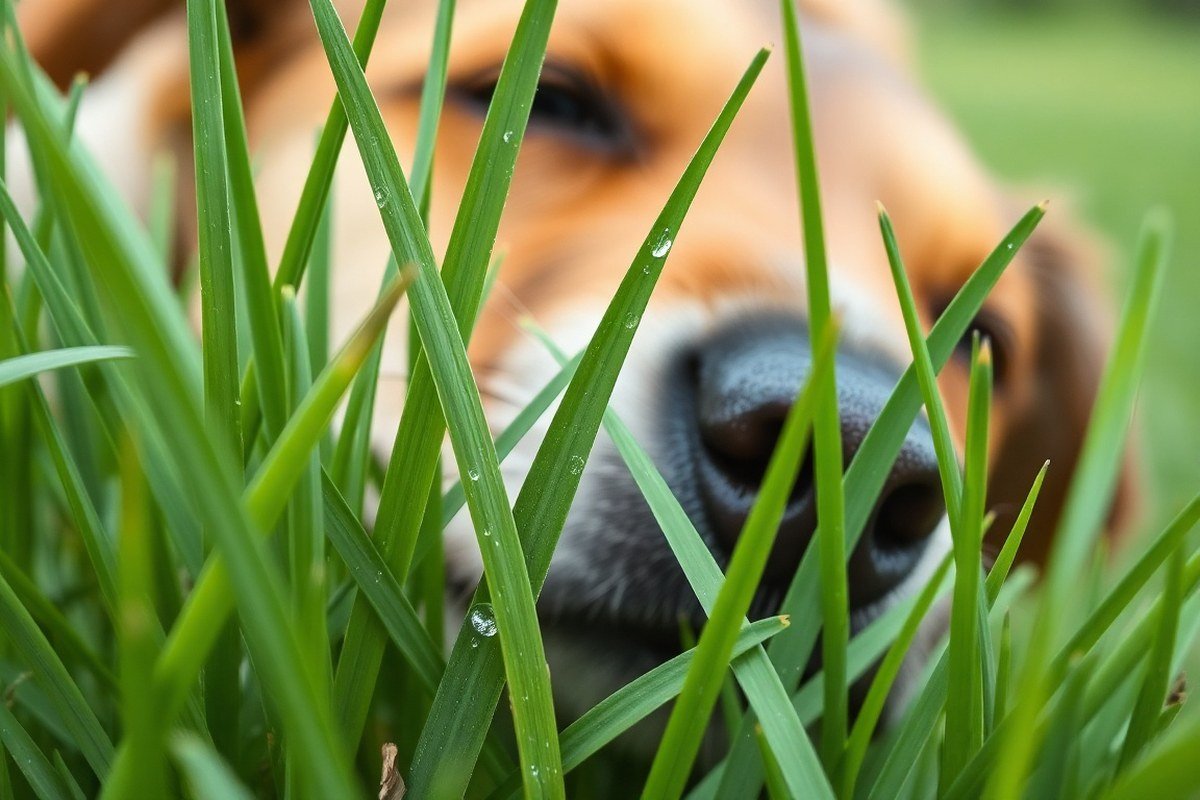
Eating grass can pose risks to your dog, especially if the grass has been treated with chemicals like pesticides, herbicides, or fertilizers. These substances can cause your dog to become ill with symptoms such as vomiting and diarrhea. Always check whether the grass your dog accesses has been recently sprayed or treated, particularly in public parks or neighbor’s yards where you cannot control the environment. Avoid letting your dog eat grass in these uncertain areas to reduce the risk of chemical exposure.
Parasites and bacteria that live in soil and on grass blades also present health hazards. Your dog could pick up intestinal parasites, bacteria, or even viruses by eating contaminated grass, especially if it is mixed with fecal matter or decaying organic material. Signs of possible parasitic infection include diarrhea, weight loss, lethargy, or worms detected in your dog’s stool. In such cases, consult your veterinarian promptly for diagnosis and treatment.
Choking hazards are another concern when dogs eat grass. Mowed grass clippings or certain long blades can get caught in the throat or cause irritation. Never allow your dog to eat freshly cut grass clippings, which may also carry chemical residues. Offering safe alternatives like chew toys, dental sticks, or edible plants suited for dogs can help distract them from nibbling on unsafe grass.
To keep your dog safe while outside, follow a simple checklist: make sure there are no recent chemical applications on your lawn; clear out any harmful weeds or plants growing in the grass; prevent your dog from eating grass in public or unfamiliar places; and watch your dog closely during outdoor play to avoid unsupervised grazing. Increasing fiber in your dog’s meals and offering interactive toys can help curb the desire to eat grass. Visiting the vet regularly for health checkups and fecal tests will catch parasites or health problems early, ensuring your dog stays healthy outside.
How to Manage and Reduce Grass Eating Behavior
Managing your dog’s grass eating behavior starts with understanding why it happens and addressing those causes directly. If boredom drives your dog to nibble on grass, increasing mental stimulation is key. Provide puzzle toys, regular play sessions, and training exercises to keep your dog’s mind occupied. These activities take around 10 to 15 minutes daily and cost little beyond your time and a few toys.
Adjusting your dog’s diet can also reduce grass eating, especially if they’re lacking fiber or other nutrients. Switching to a high-fiber dog food, as reported in some cases, helped stop grass eating within three days. Consult your veterinarian about an appropriate diet change tailored to your dog’s needs, which might include switching foods or adding supplements that usually cost between $30 and $70 per month. Balanced nutrition encourages normal digestion and decreases the urge to eat grass for relief.
You should supervise your dog closely during walks, especially near long or lush grass. Keeping your dog on a leash allows you to gently redirect them if they start chewing on grass. Using a firm but kind verbal command like “Leave it” works well if you reward your dog with a treat immediately after compliance. This positive reinforcement helps your dog learn an alternative behavior. Treats used throughout walks may add a few dollars weekly but improve control greatly.
Providing safe chew alternatives can satisfy your dog’s need to chew without resorting to grass. Options include durable rubber chew toys or specially formulated dental chews sold at pet stores for $10 to $20. Introducing these gradually teaches your dog to choose them over grass. Avoid punishing grass eating, which can stress your dog and worsen the behavior. Instead, focus on consistent redirection and enrichment to see improvement within a few weeks.
How to Tell If Your Dog’s Grass Eating Is Serious
Not all dogs that eat grass need immediate concern, but certain signs can point to a serious issue requiring veterinary evaluation. Harmless grass eating usually involves occasional nibbling, no change in energy levels, and a dog that continues to eat and play normally. Dogs sometimes eat grass because they enjoy the taste or texture or to address mild boredom, especially if they lack exercise.
Note additional behaviors your dog might be displaying to better understand the context. Signs like Lethargy, loss of appetite, hiding, or discomfort such as whining or restlessness combined with grass eating can suggest digestive issues like gastric reflux, inflammatory bowel disease, or pancreatitis. These problems often cause enough discomfort to drive dogs to chew on grass.
Grass eating is not always linked to nutritional deficiencies. Although some dogs might seek plants for fiber or to affect their gut microbiome, frequent or compulsive grass eating should be monitored. A lack of exercise or stimulation can also increase grass eating, so ensuring your dog gets physical activity can help reduce this behavior without medical intervention.
You should consult a veterinarian if grass eating is persistent, combined with vomiting, diarrhea, or changes in weight or behavior, or if your dog seems unable to get comfortable. Monitoring your dog for 3 to 5 days with notes on their eating habits, energy, and bathroom patterns will provide important information for the vet.
| Behavior | Harmless grass eating | When to see a vet |
|---|---|---|
| Frequency | Occasional grazing | Daily or compulsive eating |
| Accompanying symptoms | None or playful behavior | Lethargy, vomiting, loss of appetite |
| Energy levels | Normal | Reduced or anxious |
| Cause clues | Boredom, taste preference | Discomfort, digestive illness signs |
Frantic Grass Eating Behavior Explained and What to Do
Frantic grass eating can signal that your dog is experiencing stress, boredom, or discomfort. This compulsive behavior often serves as a distress signal, showing that your dog is trying to cope with an internal or emotional issue. Dogs may turn to rapid, repetitive grass munching when they feel anxious, under-stimulated, or if they want your attention. Recognizing this as a sign of distress helps you respond thoughtfully rather than just stopping the behavior.
When your dog starts eating grass frantically, the first step is to observe the context. When this behavior occurs during or after stressful events, such as loud noises or separation, your dog may be trying to self-soothe. Provide a calm environment, speak softly, and try a distraction like a favorite toy or gentle petting. For boredom-driven frantic eating, increase your dog’s physical and mental activity by adding walks or puzzle feeders. This approach can reduce anxiety and redirect excessive grass eating.
When your dog eats grass and vomits afterward, stay calm and make sure they drink plenty of water to avoid dehydration. Persistent vomiting or lethargy should prompt a visit to your veterinarian. For occasional episodes, monitor them for 24 hours. Keeping a log of when and where the frantic eating occurs can help identify triggers. Avoid punishing the behavior, as this can increase anxiety and worsen the problem.
To reduce frantic grass eating safely, enrich your dog’s daily routine with attention and exercise. Use chew toys or training sessions to engage your dog’s mind, especially during times they usually eat grass. Suspecting anxiety means you might try calming aids like pressure wraps or talk with your vet about professional options. Stress-related grass eating often improves when your dog’s emotional and physical needs are met consistently.
Step-by-Step Action Plan to Manage Your Dog’s Grass Eating
Start taking control of your dog’s grass eating behavior with easy steps to try at home. Monitor changes to see what works best.
- Day 1: Observe when and how often your dog eats grass. Note if it happens before or after meals or during specific activities to identify patterns.
- Week 1: Improve your dog’s diet by ensuring it’s balanced and complete. Add high-quality protein and fiber, then check if grass eating decreases.
- Week 2: Increase exercise and engagement with new toys or walks. Watch for reduced boredom-driven grass chewing as a positive sign.
- Week 3: Limit access to grass areas temporarily. When your dog stops eating grass, you can confirm it’s a behavioral habit rather than a medical problem.
- Week 4: Introduce safe chew alternatives like dental sticks or rawhide. See if these satisfy your dog’s oral fixation and cut down grass eating.
- After 1 month: If the behavior persists or your dog shows signs of sickness (vomiting, lethargy), schedule a vet check to rule out health problems.
Frequently Asked Questions
Why Does My Dog Seem to Prefer Some Types of Grass over Others?
Dogs may favor certain grasses due to texture, taste, or smell. Observing this can help you identify safer areas or species for your dog to graze.
Can Grass Eating Cause Nutritional Deficiencies in My Dog?
Occasional grass eating usually does not cause deficiencies. It’s more a behavior linked to boredom or digestion rather than nutrition, but persistent grazing could indicate dietary needs to discuss with your vet.
Is Eating Grass Normal for All Dog Breeds or Age Groups?
Grass eating happens across breeds and ages, often more in puppies and young dogs. It’s generally a natural behavior rather than breed-specific.
Why Does My Dog Eat Grass Only After Meals Sometimes?
Some dogs eat grass after meals possibly to soothe mild stomach discomfort. Watch for other signs like vomiting or lethargy.
Could Stress Cause My Dog to Eat More Grass Than Usual?
Stress can increase grass eating as a coping behavior. Reducing stress through exercise and enrichment can help manage this.
Key Points to Remember
Understanding why your dog eats grass helps you keep them safe and comfortable. Start paying attention to what triggers this behavior and make simple adjustments like diet and activity changes. Should your dog keep eating grass excessively or show signs of illness, contacting a vet promptly ensures proper care and peace of mind.